Strategic Analysis
Intelligence
Analysis that informs action and anticipates change.
Write for IntelligenceFeatured
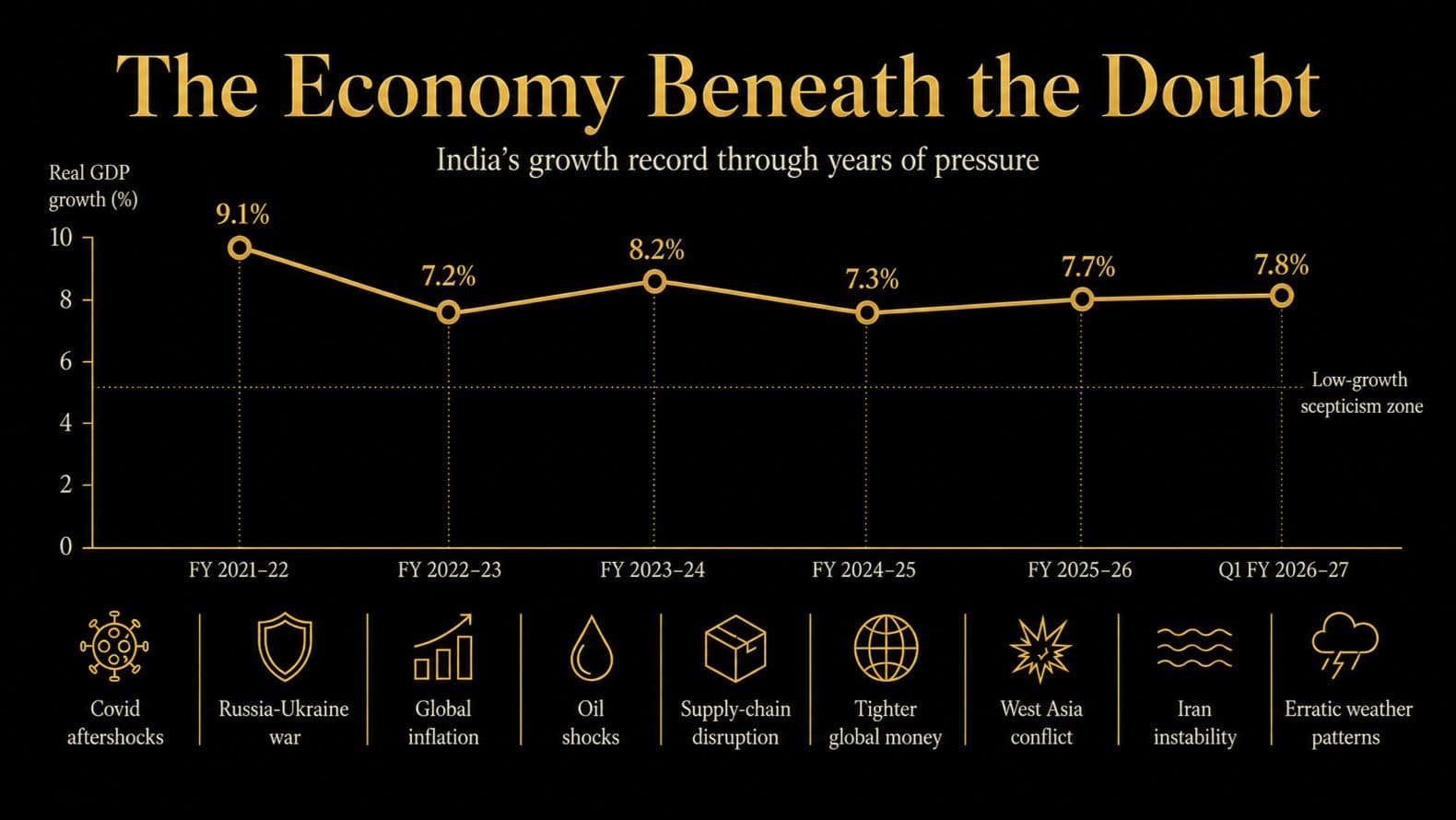
Beyond the 7.8% Headline: What the “Dead Economy” Remark Missed
When confidence in India’s post-Covid recovery was fragile, the then Chief Economic Adviser saw a 7% growth decade ahead. 5 years later, the latest 7.8% Q1 GDP print gives that call sharper context.
5 min read

Can Sugar-Free Chocolate Become the Next Billion-Dollar Better-for-You Food Category?
Sugar-free chocolate, already a USD 2.6 billion global market, is projected to reach USD 4.86 billion by 2034, as better-for-you indulgence moves from niche demand toward mainstream consumption.
By Ashish Kolte (Dataintelo)11 min read
More Intelligence

Industrial Cybersecurity Market: India’s Role In A USD 54.8 Billion Global Cyber-Resilience Opportunity
As factories, utilities & supply chains connect faster, India is emerging as a force in the USD 54.8 billion industrial cybersecurity market, where resilience will define the next industrial edge.
By Ashish Kolte (MarketIntelo)11 min read

Digital Transformation on the Shop Floor: Why the Industrial AR Glasses Market Is Gaining Momentum
Industrial AR glasses are becoming the operating interface of connected factories, linking workers and expertise as the market is projected to grow from $4.2 billion in 2025 to $19.8 billion by 2034.
By Ashish Kolte (MarketIntelo)10 min read
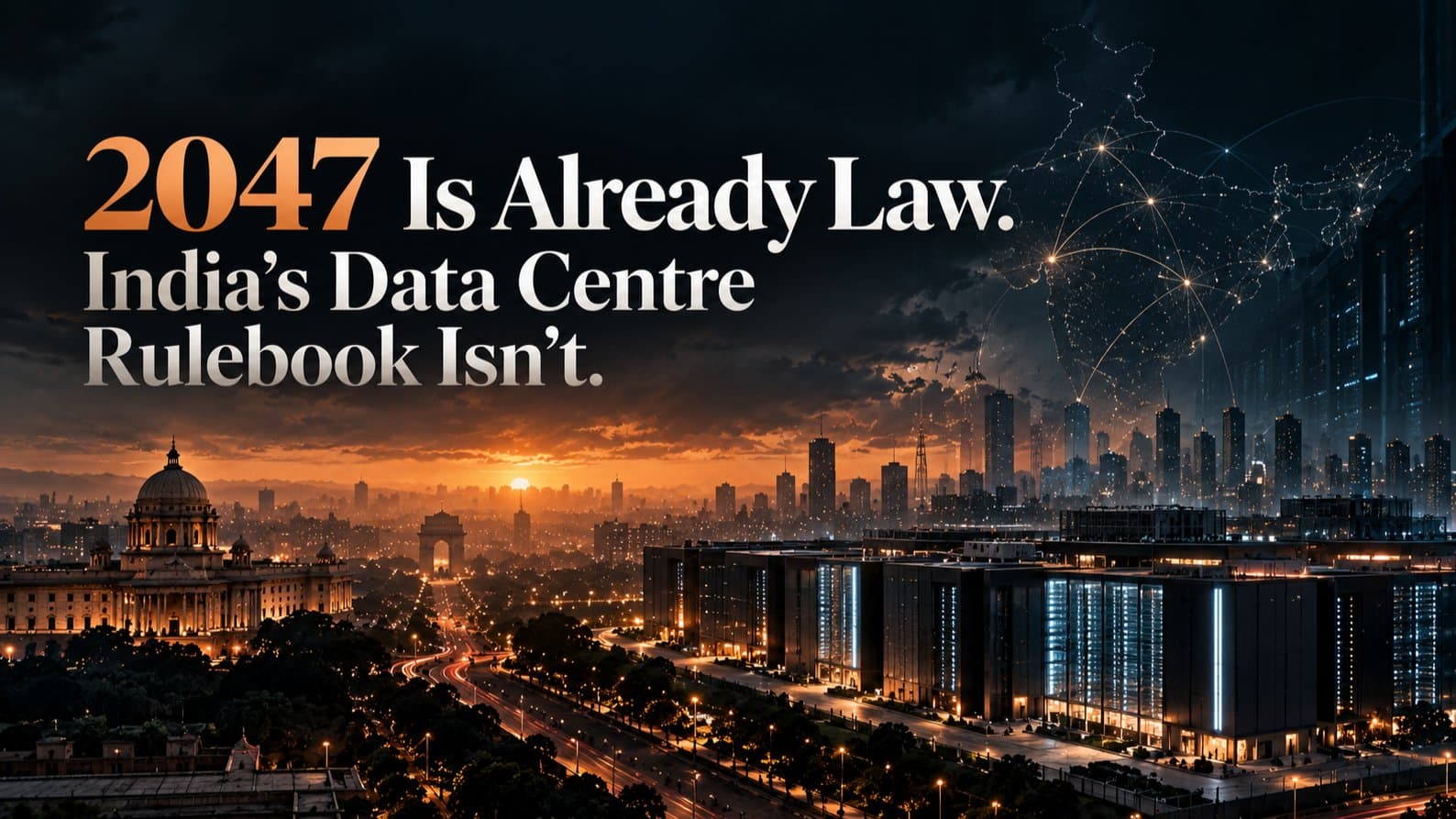
2047 Is Already Law. India's Data Centre Rulebook Isn't.
The incentives are already law. The safeguards are still a draft. India's AI infrastructure race is moving faster than the rules meant to govern it.
By IndiSight Editorial6 min read

Climate Risk Has Moved From the Report to the P&L
Climate risk is no longer a reporting exercise. It's an operational priority shaping capital allocation, competitiveness, and enterprise value.
By IndiSight Editorial6 min read

The Credential Is Dead. Long Live the Skill-Stack.
Degrees are losing relevance as AI reshapes work, giving rise to skill-stacks—dynamic, verifiable competencies that reflect what professionals can do, not just what they learned.
By IndiSight Editorial9 min read
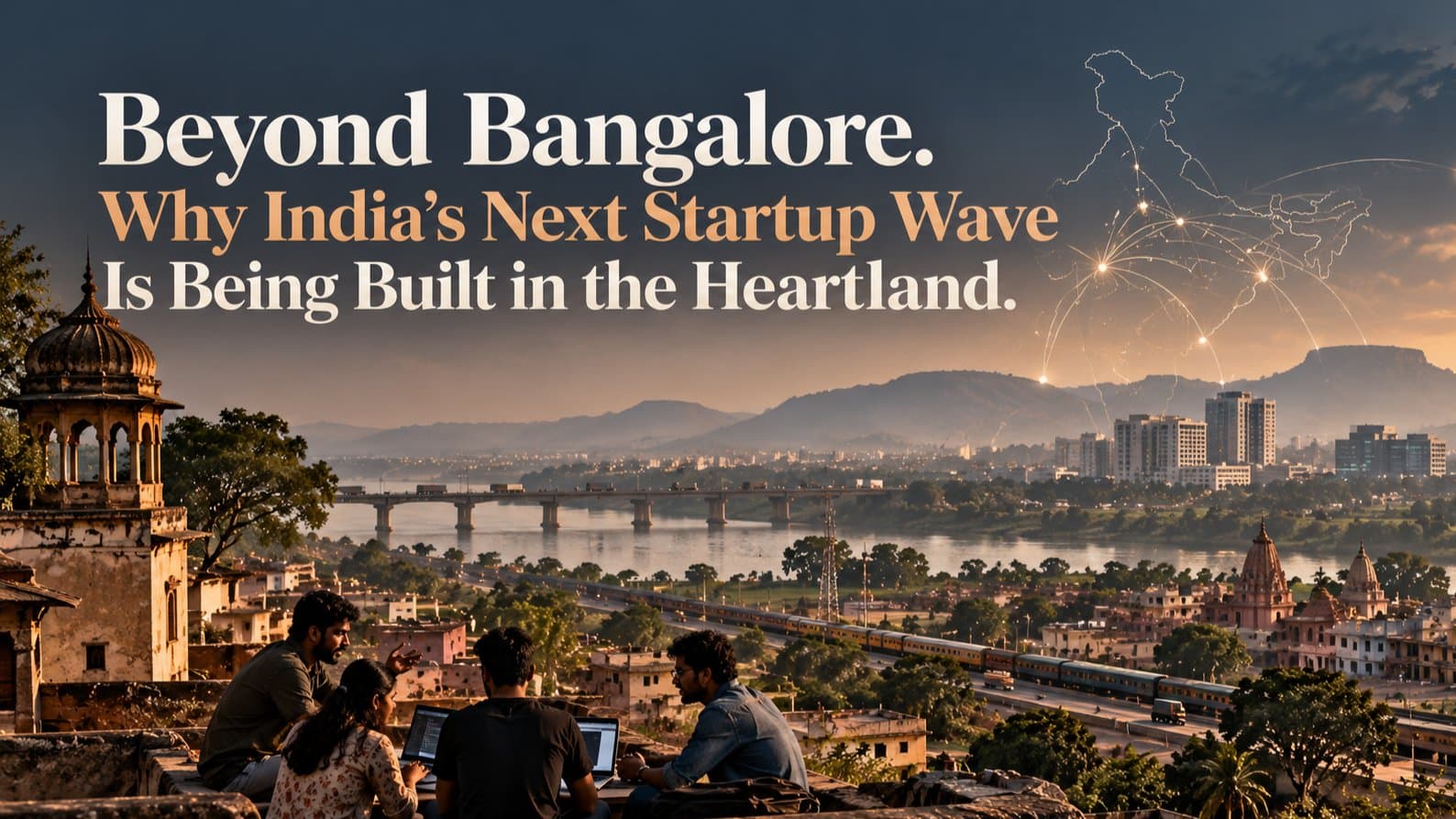
Beyond Bangalore: Why India's Next Startup Wave Is Being Built in the Heartland
India’s startup map is shifting beyond metros, as digital infrastructure, distributed talent, and lower costs enable Tier-2 cities to build scalable, specialized companies with real competitive edge.
By IndiSight Editorial8 min read

The Architecture of Resilience: What Emerging Market Founders Must Build Now
Resilience is now core. Founders are shifting to regional supply chains, asset-light models, and predictive inventory to stay ahead of disruption.
By IndiSight Editorial8 min read
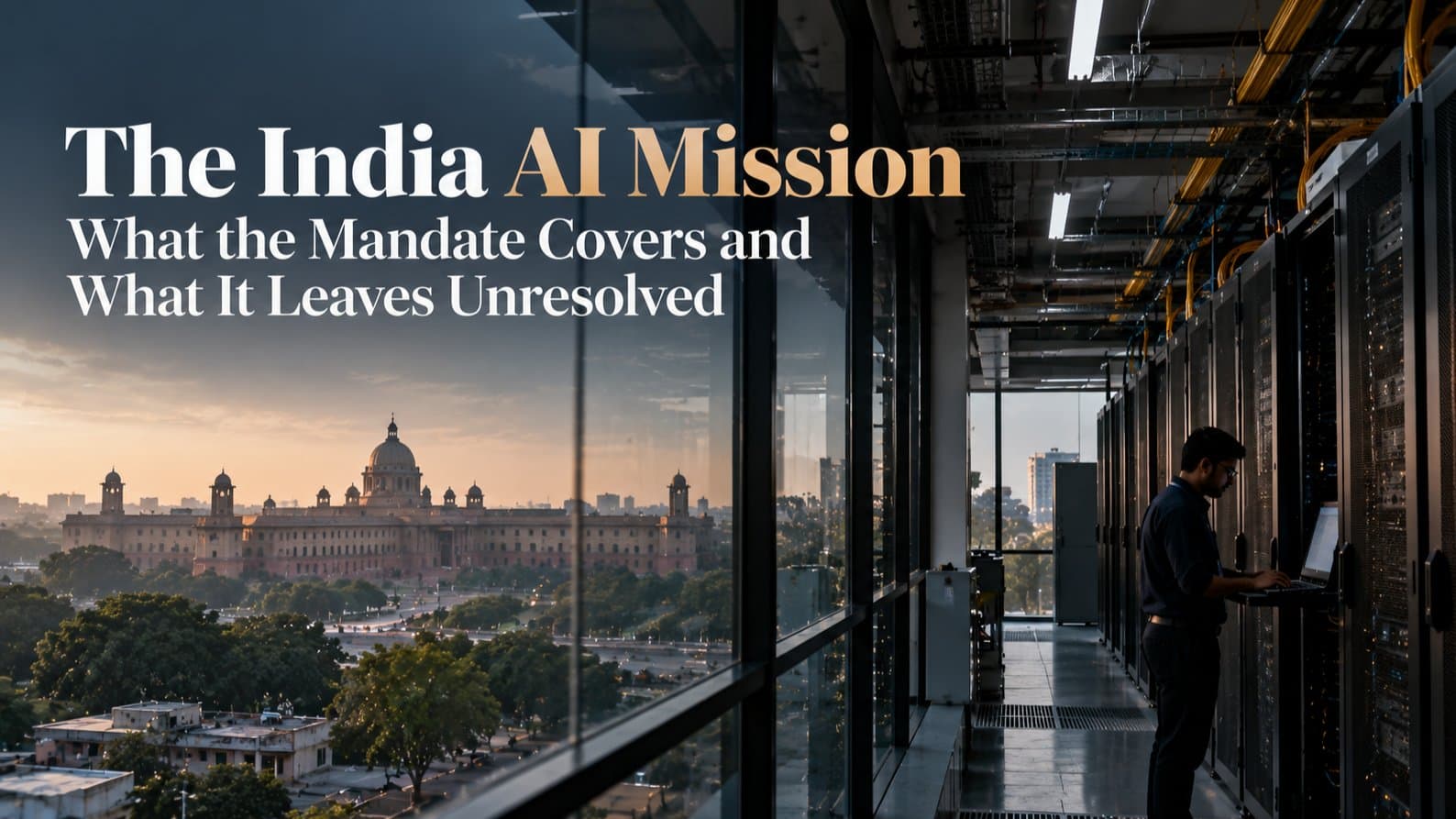
The India AI Mission: What the Mandate Covers and What It Leaves Unresolved
India’s AI Mission builds infrastructure, but questions on access, talent, governance, and jobs remain. The engine is ready; the rules aren’t.
By IndiSight Editorial

When Should a B2B Founder Consider Revenue-Based Financing Instead of Equity
At ₹5 crore ARR, financing shifts from access to fit. RBF, via Velocity and GetVantage, funds predictable growth without dilution. Equity is costly when you win, RBF when growth slows.
By IndiSight Editorial7 min read
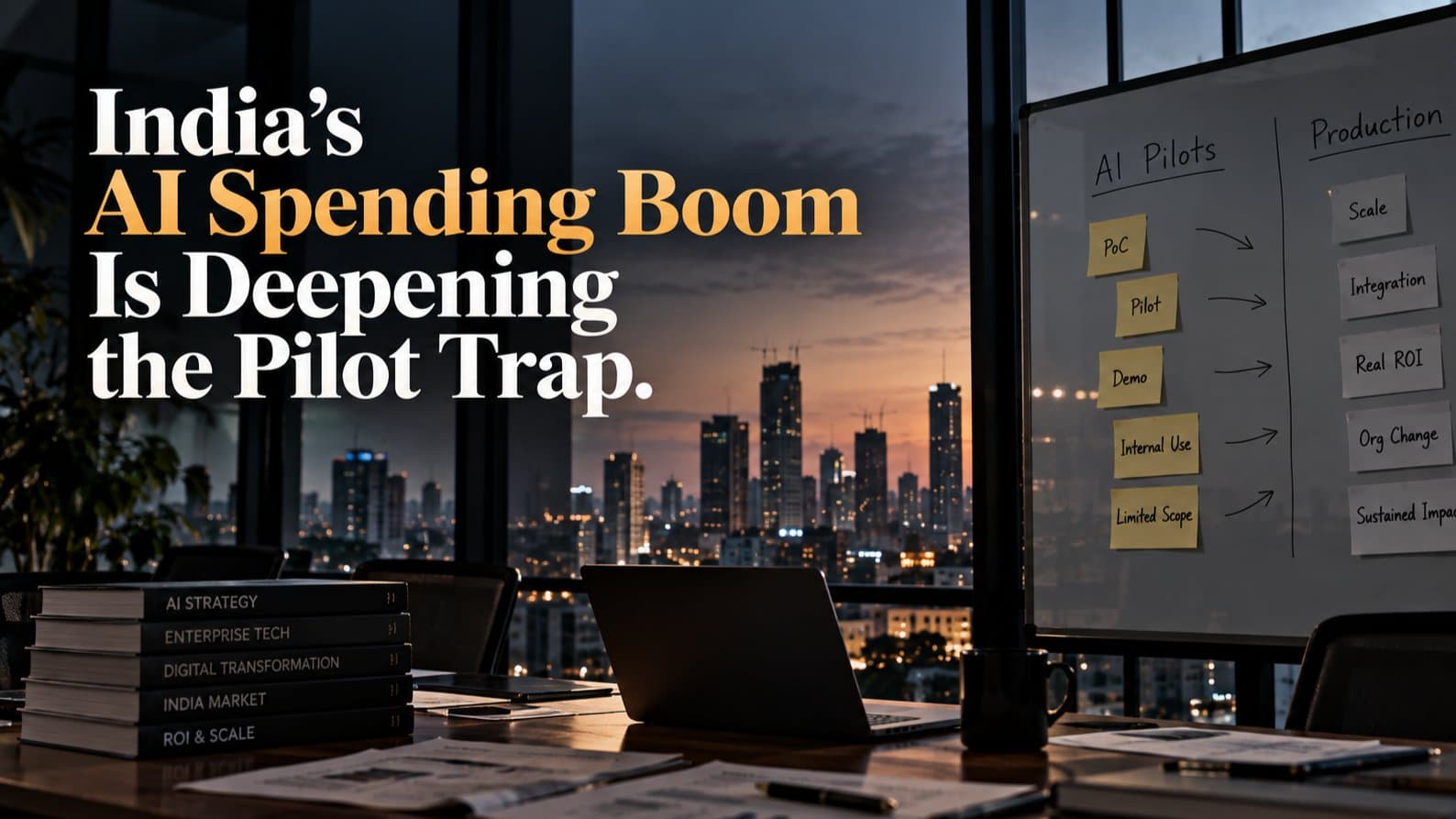
India’s AI Spending Boom Is Deepening the Pilot Trap
India’s AI boom is fueling pilots, not scale. Despite rising investment, few initiatives reach production. The real challenge is not technology, but execution.
By IndiSight Editorial6 min read
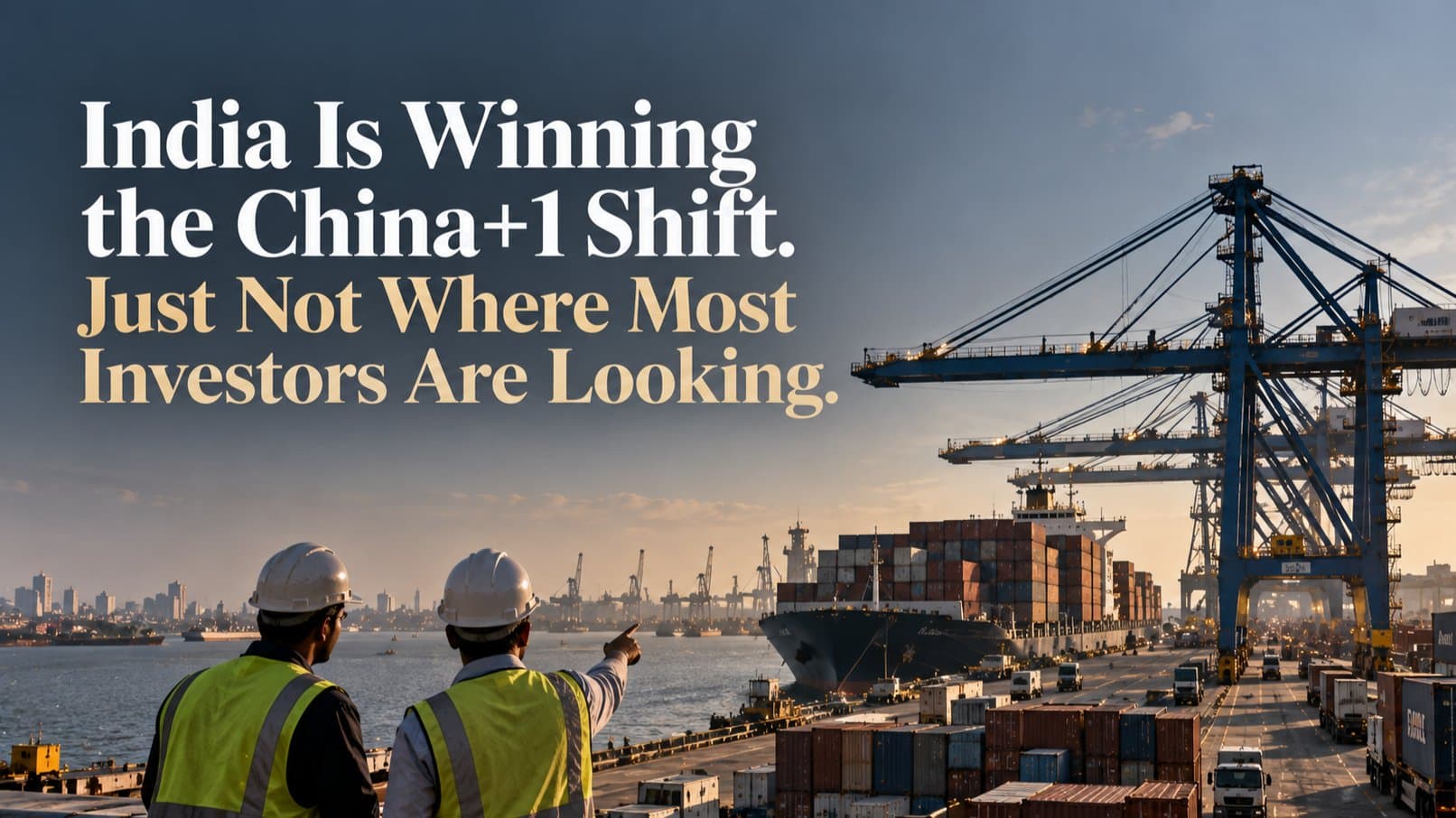
India Is Winning the China+1 Shift Just Not Where Most Investors Are Looking
ndia is gaining from China+1 in pharma, chemicals, and electronics, but lagging in labor sectors. The opportunity is not broad-based; it is a selective, sector-level advantage.
By IndiSight Editorial8 min read

The PLI Scheme Didn't Fail. It Took an X-Ray of Indian Industry.
By Indisight Editorial