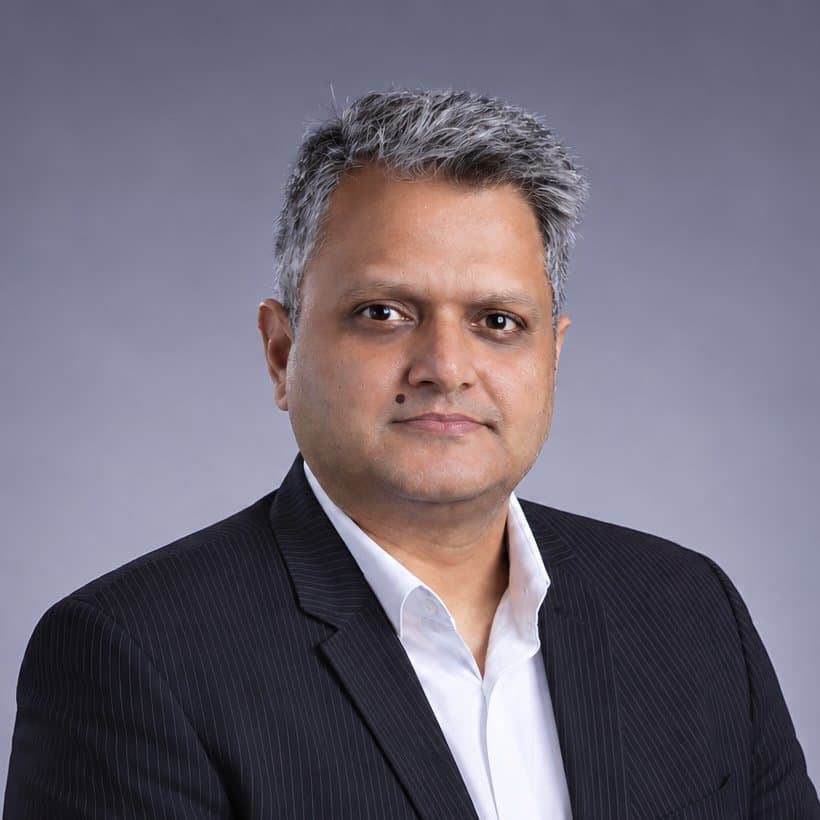
Sarath Gollapalli on the Work That Makes Technology Dependable
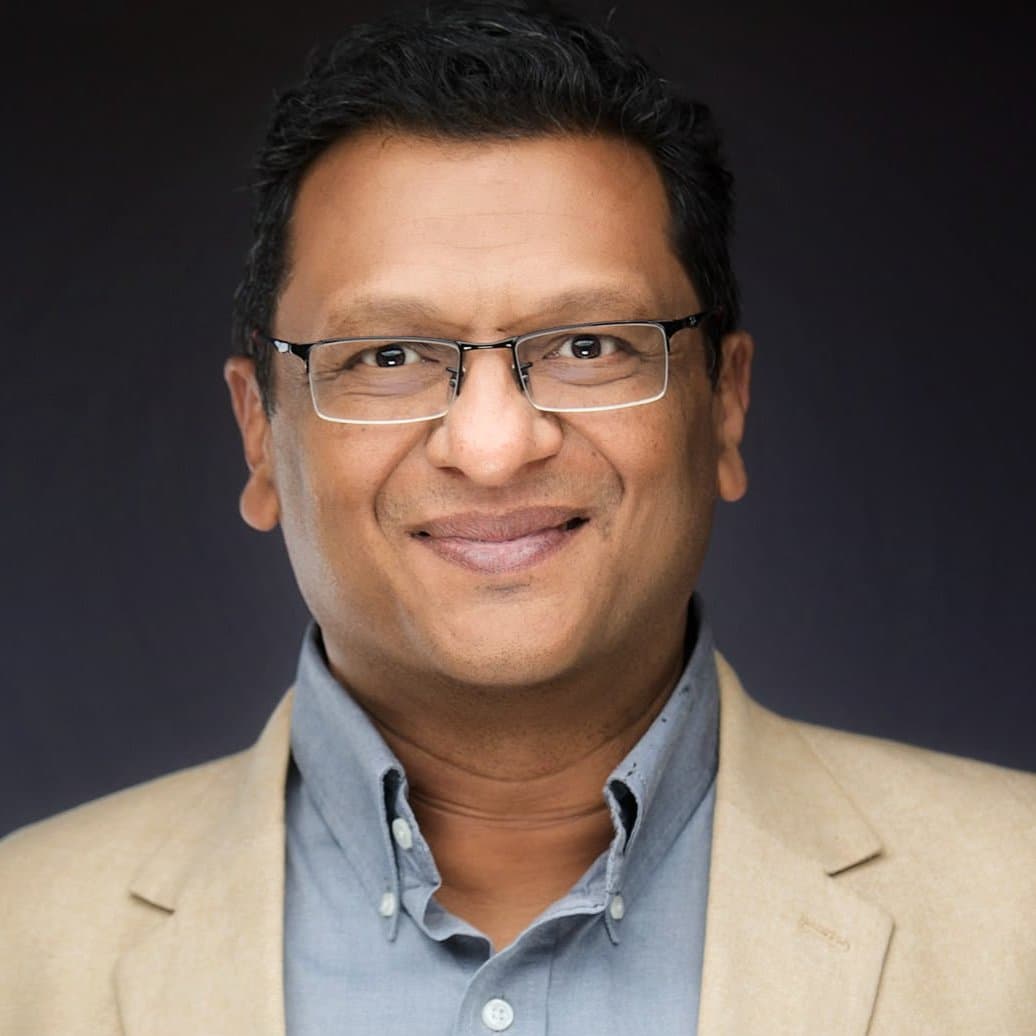
Sarath Gollapalli, Vice President at Broadridge, reflects on why AI-era enterprise technology still depends on fundamentals: client understanding, reliability, governance and ownership.
23 articles
Sarath Gollapalli, Vice President at Broadridge, reflects on why AI-era enterprise technology still depends on fundamentals: client understanding, reliability, governance and ownership.

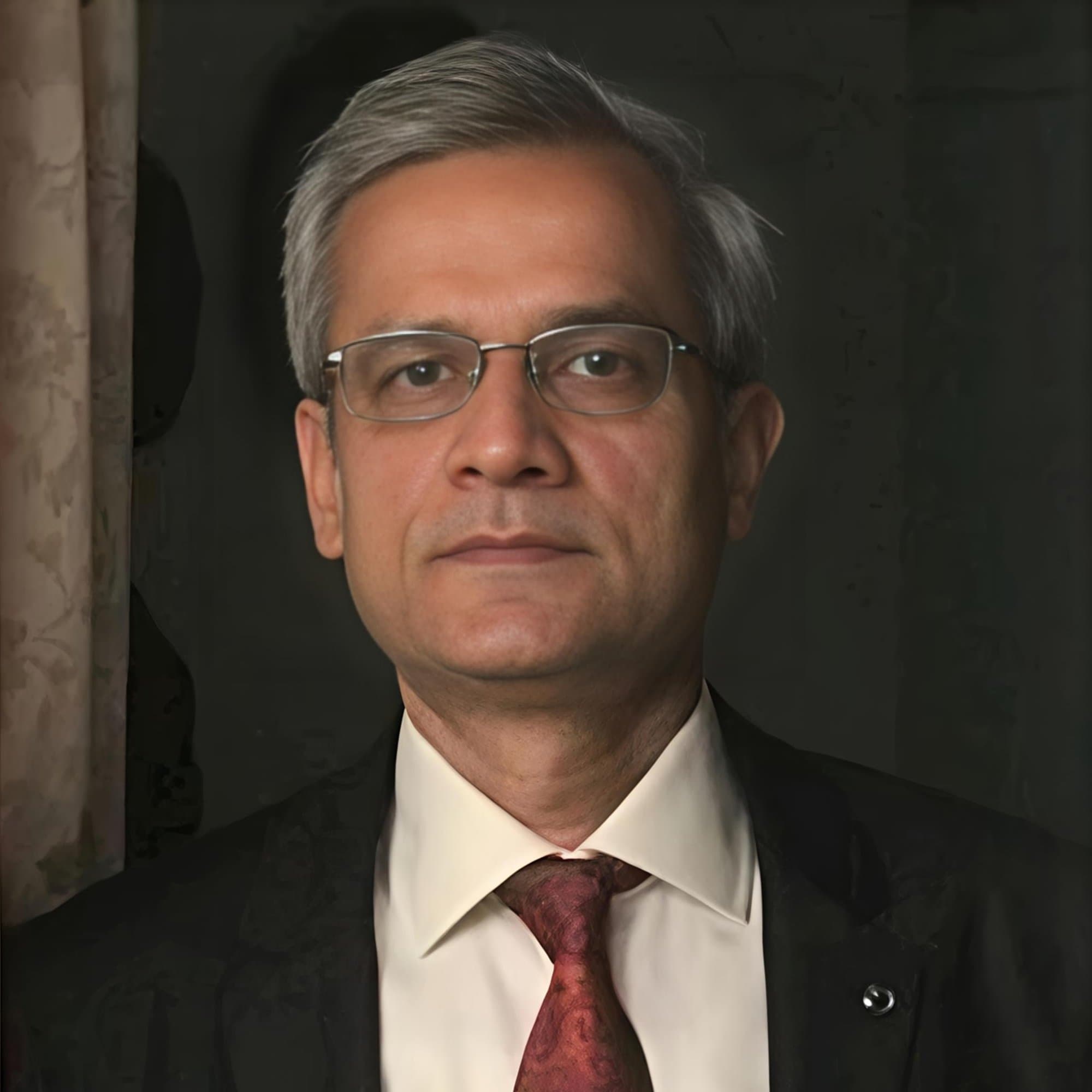
Dr Noa Gafni, Professor & Academic Director (Entrepreneurship) at New York University, explains why AI-era founders need more than speed: judgment, trust, community, and the discipline to solve real human problems.

Abhinandan Jain, President of Customer Experience, Global Chief Growth & Delivery Officer at AIONOS, on what global services, customer experience and leadership must learn to own when technology becomes easier to access.

With four decades in global technology leadership, Aruna Jayanthi, former CEO of Capgemini India and former MD for APAC, Latin America & Canada, reflects on scale, AI, governance, human judgment and enterprise values.

Pankaj Rai, Group Chief Data and Analytics Officer at Aditya Birla Group, brings over three decades of experience across finance, analytics, and enterprise transformation. At a time when institutions everywhere are trying to become more intelligent, his work asks a deeper question: how do people, ideas, and judgment become shared capability that can endure inside large organizations?

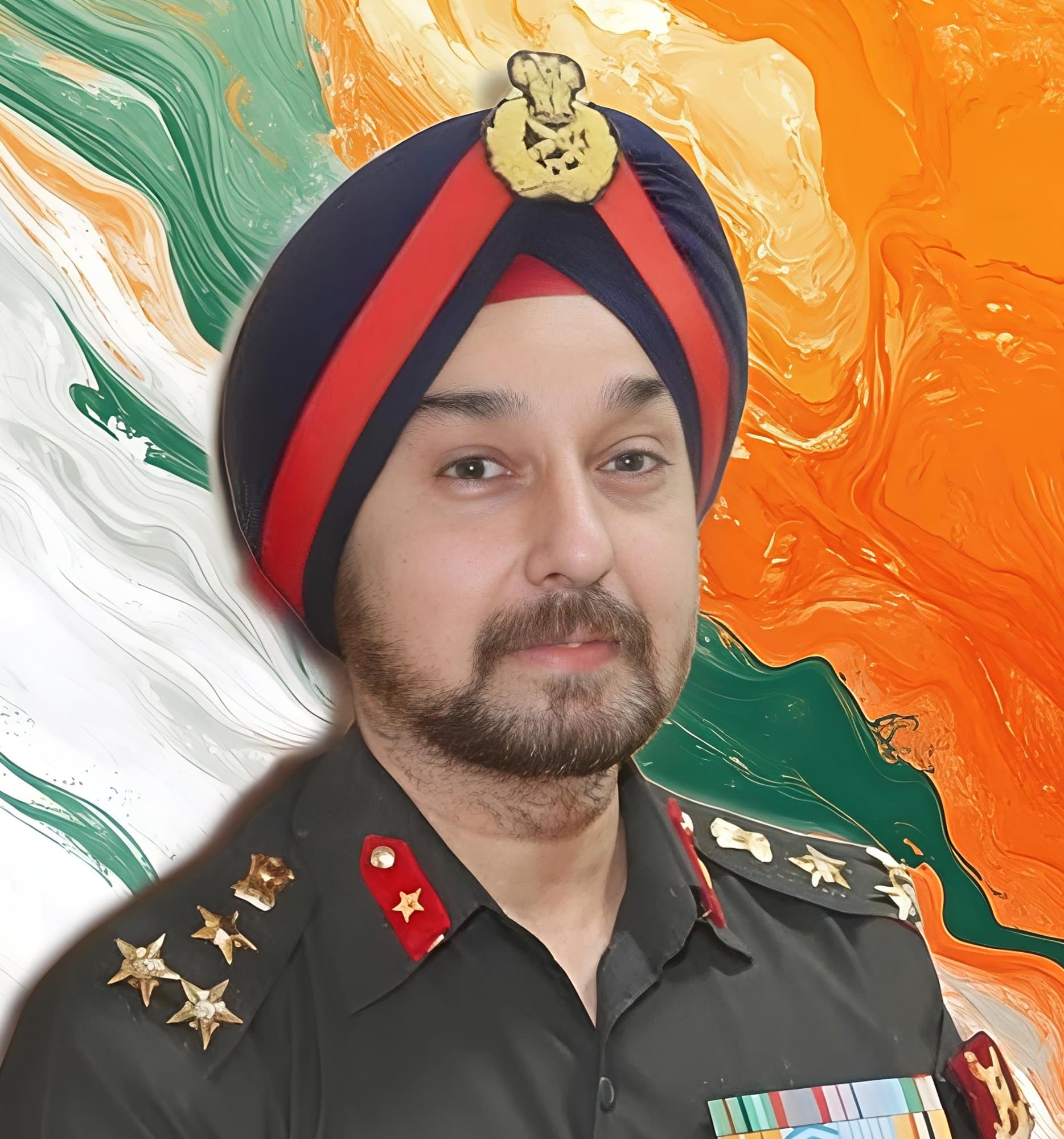
Brigadier (Dr) Inder Sethi explores how strategic leadership depends on perception, early warning systems, and disciplined judgment in volatile markets. Drawing from military operations, AI strategy, and innovation ecosystems, he argues that attention, humility, strategic questioning, and human interpretation now determine competitive advantage more than speed, scale, or data alone.

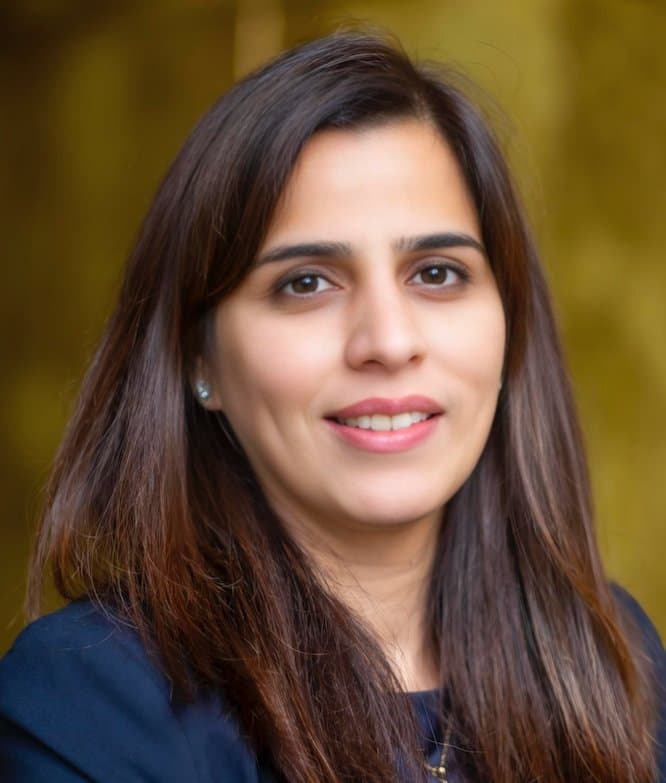
Ruchi Tushir explores how AI, healthtech, legal technology, and enterprise intelligence are reshaping decision-making in regulated industries. Drawing from leadership roles across Microsoft, SAP, EY, and Wolters Kluwer, she examines trust, workflow integration, scalable leadership, data interpretation, and why judgment, reliability, and contextual intelligence increasingly determine long-term business value.
Kaushik Das argues that modern technology has advanced faster than human understanding. True leadership, he says, is not about accelerating change but about restoring coherence: aligning intelligence with empathy, judgment, and ethical awareness. Organizations that endure will be those that learn consciously, adapt thoughtfully, and turn capability into wisdom.
Vandana Tolani views capital not as fuel for growth, but as a test of character. Across decades of advising founders and investors, she has seen how money amplifies behavior: rewarding clarity, exposing confusion, and accelerating whatever already exists beneath the surface. For her, responsible capitalism is not about valuation or velocity, but about discipline, predictability, and the ability to build trust that endures beyond market cycles. In a world awash with capital, she argues, the real differentiator is not access to money, but the wisdom to use it well.
Safaän Shawl is part of a generation rewriting the logic of ambition. He believes progress is not acceleration but alignment, not growth for its own sake but growth that endures. His work across research and investing transforms patience into capital and precision into principle. What he builds is more than a firm. It is a philosophy of composure, discipline, and quiet conviction shaping the next era of enterprise.
Tushar Kansal decodes the behavioral DNA of modern capital. His thesis is precise: nations do not grow powerful by chasing foreign funding but by engineering financial systems that mirror their own temperament. India’s ascent, he argues, hinges on a new capital doctrine built on transparency, time, and trust. The question he leaves for the Global South is both strategic and moral: can we build markets that reflect our character, not our dependencies?
Dr. Aneish Kumar, former Managing Director of the Bank of New York Mellon, Strategic Advisor at Axis Trustee Services Ltd, and Independent Director on several institutional boards, stands among the rare leaders redefining finance as a human system. Over four decades, he has reshaped how institutions think about trust, risk, and judgment, treating governance as design and capital as conscience. His philosophy transcends balance sheets, reminding global leaders that endurance in finance is not built through scale but through integrity that outlasts ambition.
Get weekly articles and insights on topics you care about delivered to your inbox.
Subscribe to Newsletter