The Fifty-Year Classroom
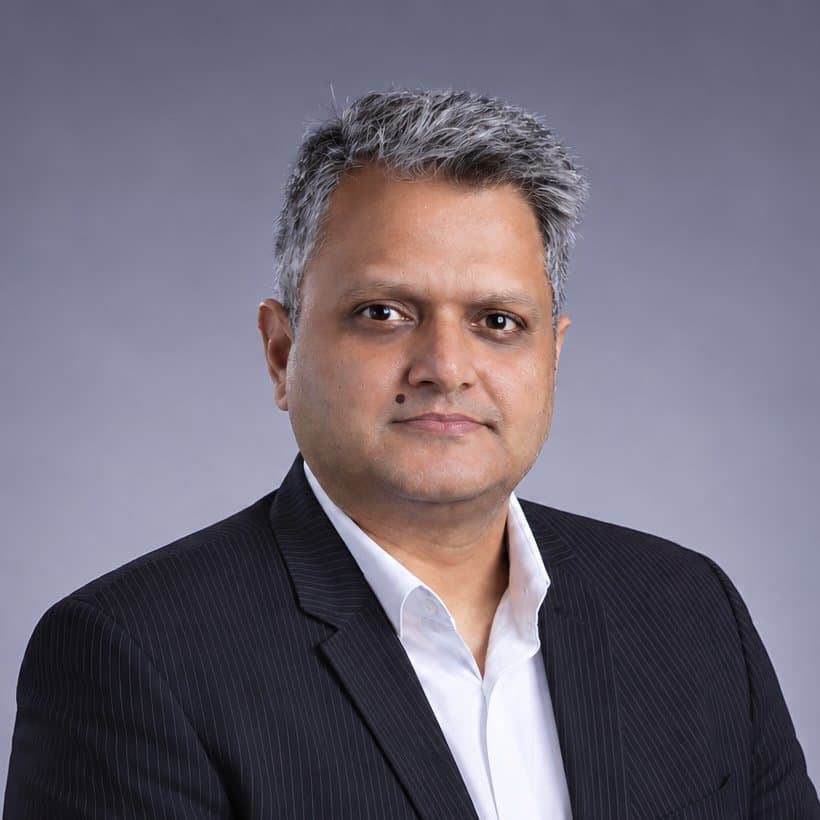
Gautam Rajgarhia’s work in education asks a hard question of schools, investors, founders, and policymakers: can a sector built around children afford to think in timeframes shorter than childhood itself?
105 articles

Gautam Rajgarhia’s work in education asks a hard question of schools, investors, founders, and policymakers: can a sector built around children afford to think in timeframes shorter than childhood itself?

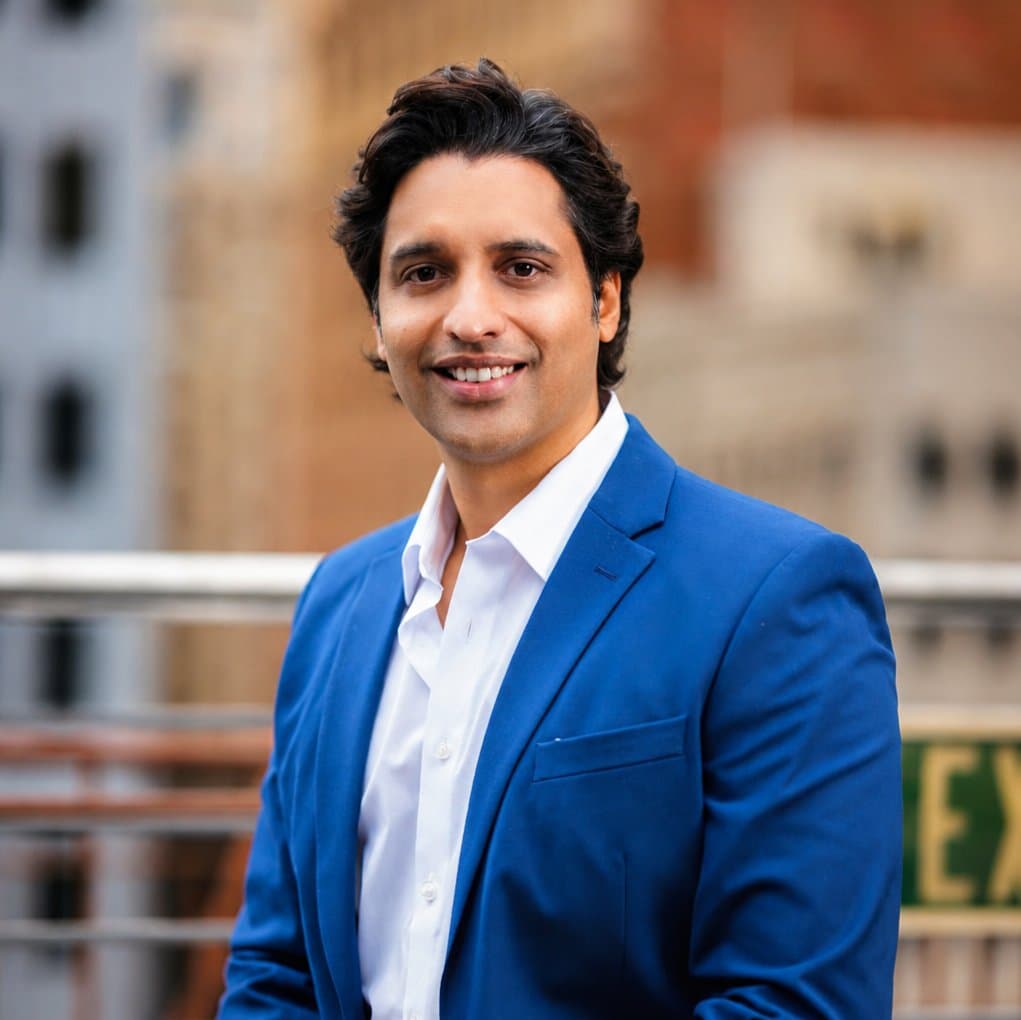
Drawing on experience across technology, telecom, insurance, lending and banking, Shashwat Kumar examines how intelligence can improve credit, risk, customer decisions and institutional accountability at scale.

As enterprises demand greater agility, commercial real estate is undergoing a structural shift. Anamika Gupta reveals how operational discipline, faster execution, and customer-centric design transformed managed workspaces from an emerging concept into one of India's fastest-growing institutional real estate categories.

Sreepriya N S, Co-Founder and CEO of Entrust Family Office, operates where wealth becomes too complex for investment advice alone. As Indian families navigate liquidity, global lives, succession and a more involved next generation, her perspective reveals how systems, access and institutional memory help carry capital, intent and responsibility across generations.

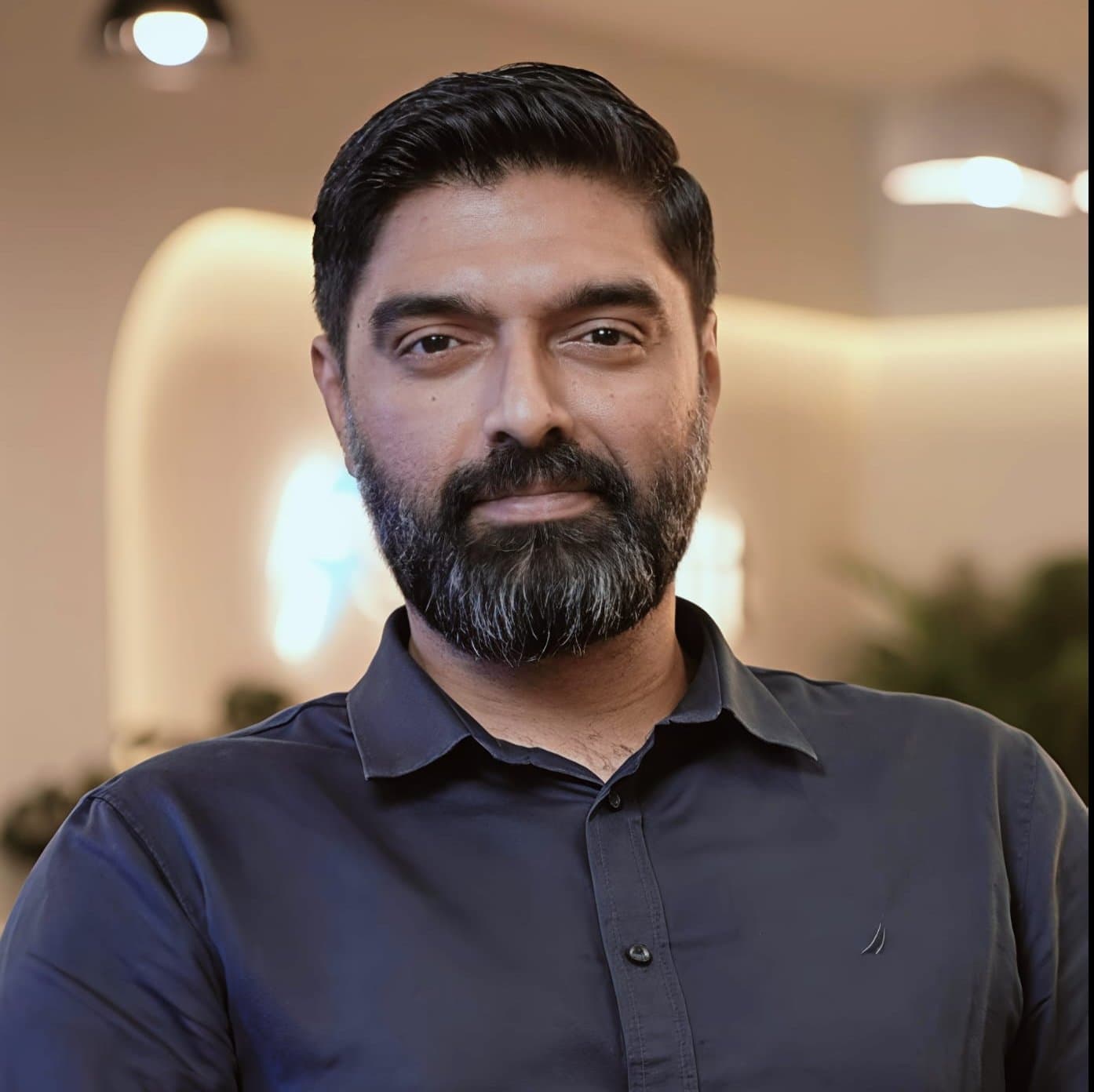
Anuj Khandelwal is Director at Trident Growth Partners, with earlier experience across Premji Invest, Affirma Capital, Creador, IDFC, and KPMG. His work across growth capital, private equity, and transactions has contributed to businesses that have scaled significantly, informing his view on conviction, governance, and what it takes to build lasting business quality.

Dr. Nikhil Suresh Ghadyalpatil’s work in oncology opens a larger healthcare question: how should care be designed when medical advice is only the beginning of what patients and families must carry?

Higher education is no longer defined by placements or rankings alone. Dr. Padmakali Banerjee argues that tomorrow's leading institutions will cultivate adaptable, ethically grounded leaders equipped for complexity and continuous change. By fostering interdisciplinary learning, emotional intelligence, and intellectual agility, universities can become engines of innovation, leadership, and long-term national competitiveness.

Lina Ashar built Kangaroo Kids and Billabong High by challenging how children were taught. With Dreamtime Learning, she is working on the next education question: how schools build judgment, attention, emotional strength and self-awareness when information itself has become abundant.

Abinash Mishra reframes transformation as a test of institutional conviction, not strategic intent. Drawing from operating experience, he argues that organizations approve change faster than they absorb it. The real risk lies between alignment and adoption, where trust, incentives, and professional identity collide. Without deliberate ownership of this gap, even well-designed transformations remain formally correct, yet structurally uncommitted.

Rajaram Sankaran brings 25+ years across pharmaceuticals, consumer health, CXO leadership, and life sciences strategy, shaping businesses, markets, leadership teams, and long-term healthcare impact.

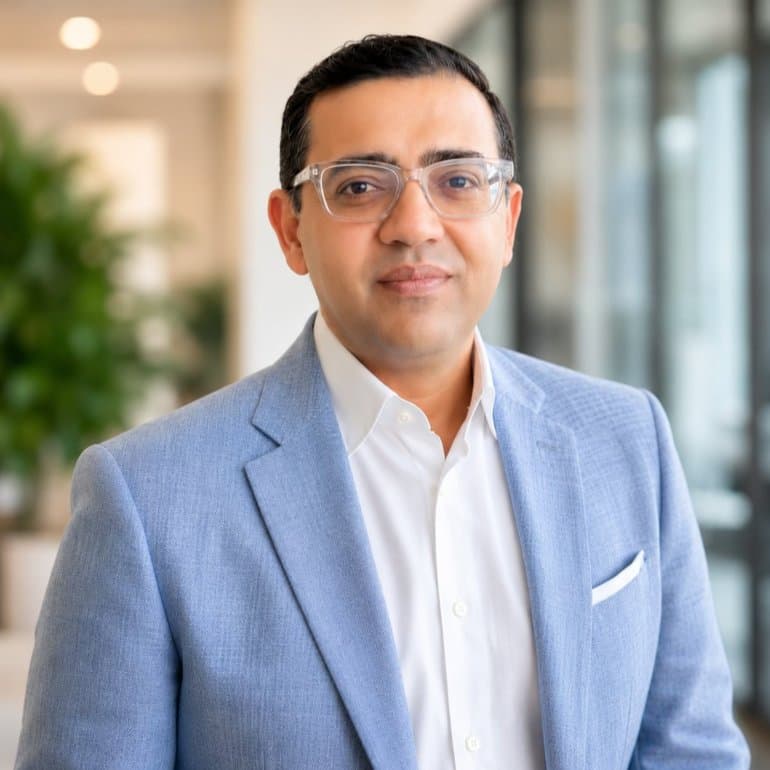
Having worked close to India’s ₹75,000 crore banking recapitalization discussions, AirSewa, Zomato’s intercity food bet, and Moloco’s AI-led markets, Siddharth Jhawar offers a sharper way to think about scale, systems, and decision quality.

Fatema Agarkar reframes education’s central failure: schools do not lack vision, they lack execution. The gap between promise and practice is where children are lost. Real quality emerges from systems that make care measurable, leadership accountable, and teaching adaptive. A good school is not built on ideals, but on its ability to deliver, consistently, when it matters most.
Get weekly articles and insights on topics you care about delivered to your inbox.
Subscribe to Newsletter