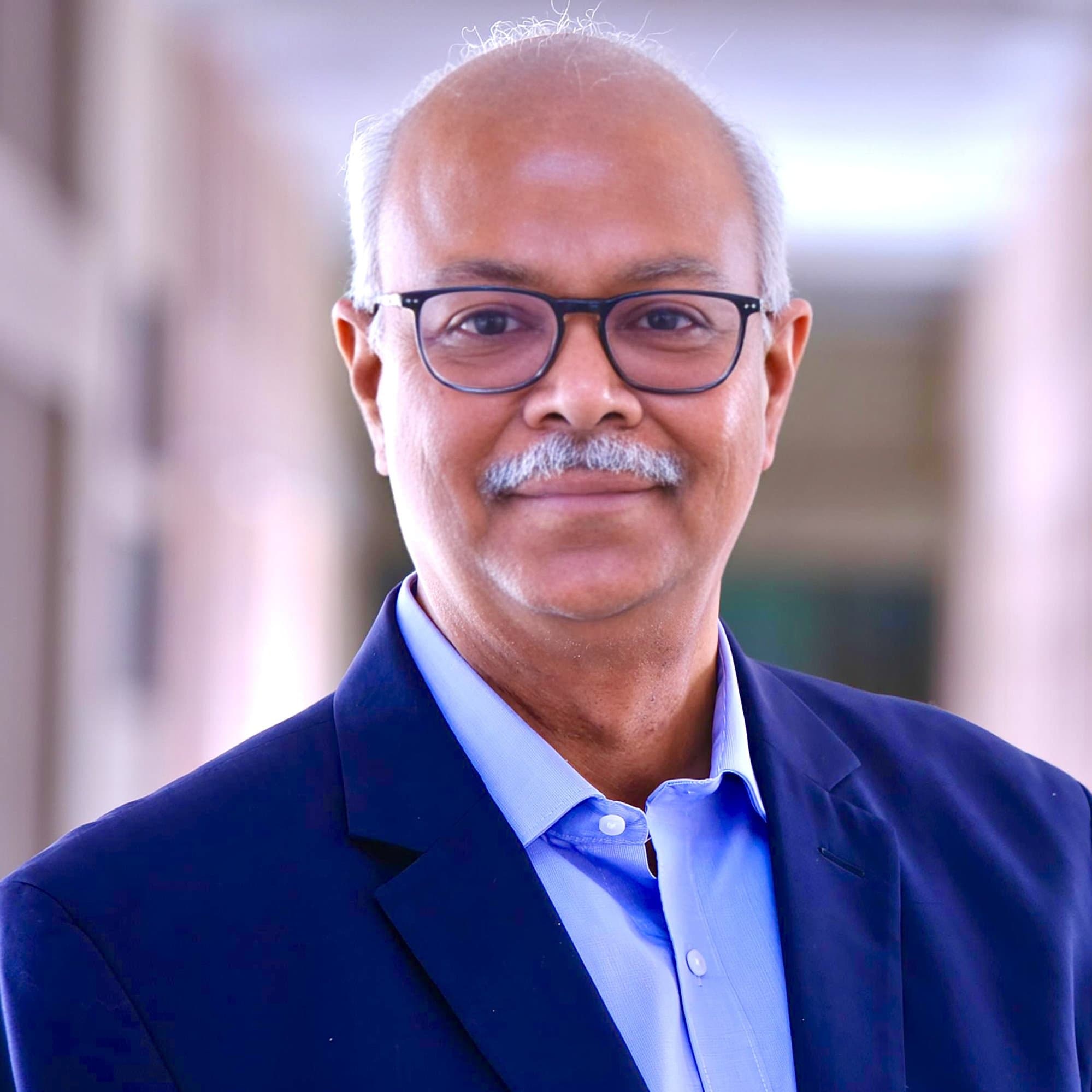
The Fifty-Year Classroom
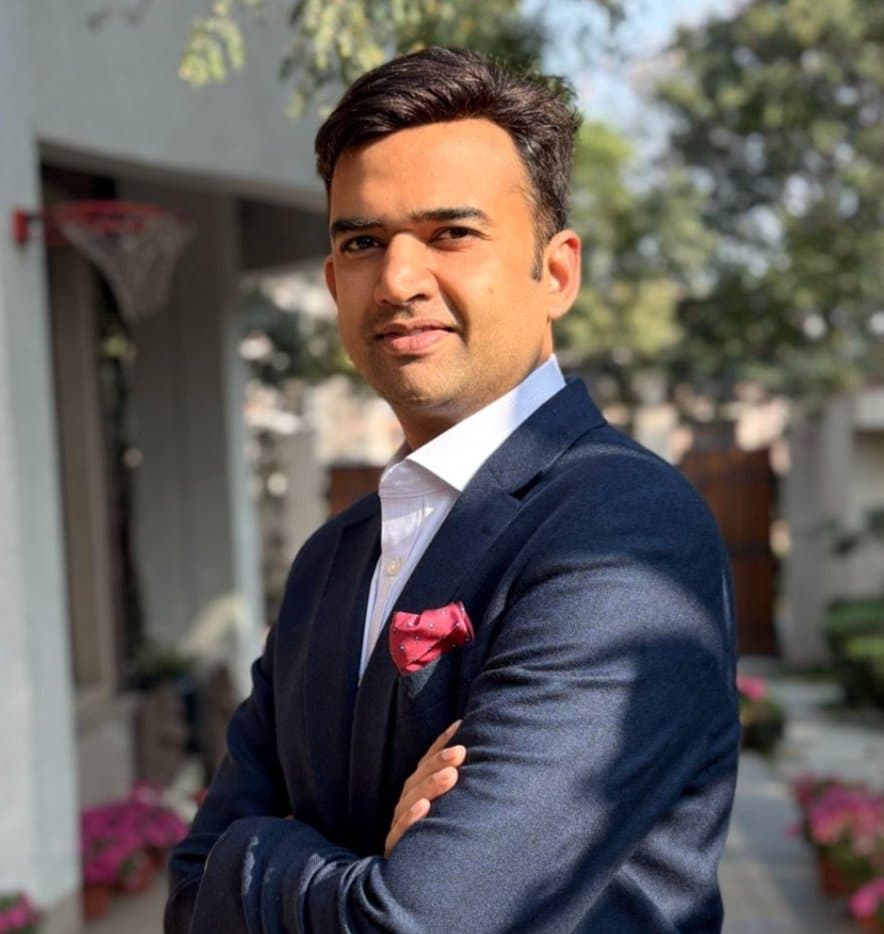
Gautam Rajgarhia’s work in education asks a hard question of schools, investors, founders, and policymakers: can a sector built around children afford to think in timeframes shorter than childhood itself?
27 articles

Gautam Rajgarhia’s work in education asks a hard question of schools, investors, founders, and policymakers: can a sector built around children afford to think in timeframes shorter than childhood itself?

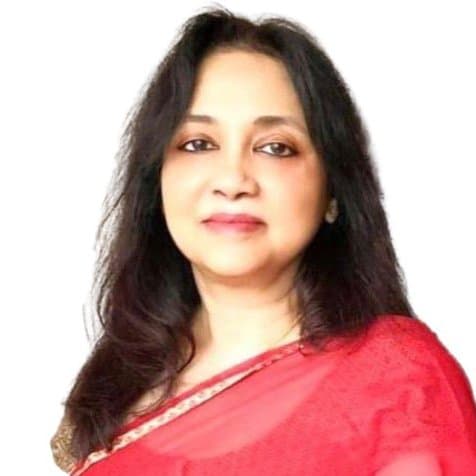
Higher education is no longer defined by placements or rankings alone. Dr. Padmakali Banerjee argues that tomorrow's leading institutions will cultivate adaptable, ethically grounded leaders equipped for complexity and continuous change. By fostering interdisciplinary learning, emotional intelligence, and intellectual agility, universities can become engines of innovation, leadership, and long-term national competitiveness.

Lina Ashar built Kangaroo Kids and Billabong High by challenging how children were taught. With Dreamtime Learning, she is working on the next education question: how schools build judgment, attention, emotional strength and self-awareness when information itself has become abundant.

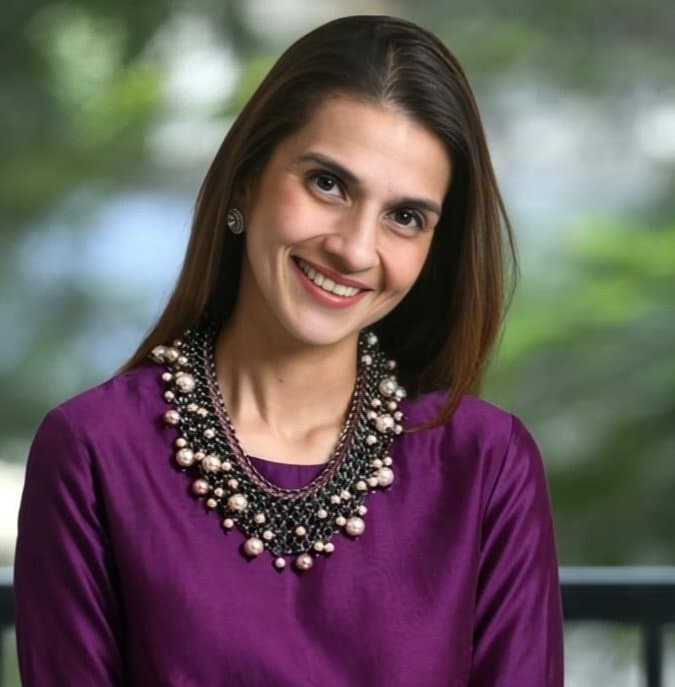
Fatema Agarkar reframes education’s central failure: schools do not lack vision, they lack execution. The gap between promise and practice is where children are lost. Real quality emerges from systems that make care measurable, leadership accountable, and teaching adaptive. A good school is not built on ideals, but on its ability to deliver, consistently, when it matters most.

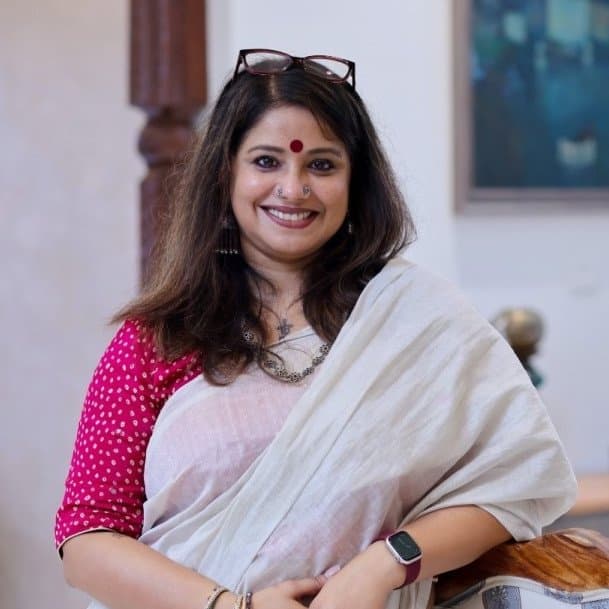
India’s inclusion gap isn’t a funding problem, it’s a systems problem. Barsha Banerjee reframes the challenge: real progress begins when capability outlives capital. Through Perkins India, she is redesigning education around belief, ownership, and institutional muscle; so schools don’t just comply with inclusion, but internalize it. In her model, success is not reach, but permanence: systems that keep working long after the builder steps away.
Malcolm Nicolson understands institutions through behaviour, not intent. Direction is expressed through decisions, capability defines the limits of ambition, alignment drives performance, and culture is embedded in daily routines. Assessments shape behaviour, technology amplifies existing habits, and institutional success depends less on new initiatives than on clear, consistent systems.
Global education is expanding at record speed, yet confidence in graduate readiness remains fragile. Shawrya Mehrotra believes the problem is not access to knowledge but the absence of credible proof. Through Metvy, he is building a learning ecosystem where mentorship, outcomes, and verified capability replace traditional credential signals. His work reflects a deeper shift in the global economy: from education as information to education as demonstrated competence.
For Satyam Roychowdhury, education is not a service but national infrastructure. Through the Techno India Group, he built an integrated system designed to turn regional talent into economic strength. His belief is simple: access, agility, and accountability must align. When education produces capability, not just degrees, it becomes the engine of competitiveness.
Prof Vikas Srivastava, Professor of Finance at IIM Lucknow, brings decades of experience across global finance, policy, and education. His work challenges how capital, governance, and behavior intersect in shaping credible institutions. From ESG reforms to fintech ethics, he emphasizes that progress depends on judgment, not just data. Through research, teaching, and advisory roles, he advances a new financial logic built on credibility, competence, and moral intelligence, the foundations of systems that sustain growth responsibly.
Education is not merely preparation for the future; it is the act of shaping it. Sameer Arora reimagines learning as humanity’s most powerful system for renewal, where thinking replaces routine and empathy becomes intelligence. His vision moves beyond achievement to ask a deeper question: can we build a world that not only learns faster, but understands better and sustains what truly matters?
As education systems worldwide race toward scale and automation, Dr. Aparna Rao, Deputy Director at RV Institute of Management, Bengaluru, challenges the very idea of progress. She argues that the real frontier lies not in technology or policy, but in cultivating emotionally intelligent, globally adaptive minds. Her philosophy, “Root before fruit”, redefines leadership as design, mentorship as capital, and employability as mindset, placing India’s classrooms within a global movement toward purpose-driven learning.
Dr. Vasudha Neel Mani leads with the conviction that education and leadership share the same purpose: to make people whole. As a Cambridge Ambassador and Principal at Rockwoods International School, she integrates emotional intelligence with strategic clarity. Her philosophy reframes empathy as infrastructure and reflection as performance. Across classrooms and boardrooms alike, she reminds us that emotional depth is not the opposite of excellence, but its source.
Get weekly articles and insights on topics you care about delivered to your inbox.
Subscribe to Newsletter