Category: Education Leadership
As Promoter Chairman of DPS institutions across Varanasi, Nashik, Lava Nagpur, and Hinjawadi Pune, and as an education investor, Gautam Rajgarhia brings a rare operating lens to Indian schooling, shifting the focus from scale and infrastructure to teachers, trust, culture, time, and the decisions that shape a child long after school ends.
The Fifty-Year Classroom: Gautam Rajgarhia on What Really Compounds Inside a School
IndiSight Editorial
Jul 12, 2026
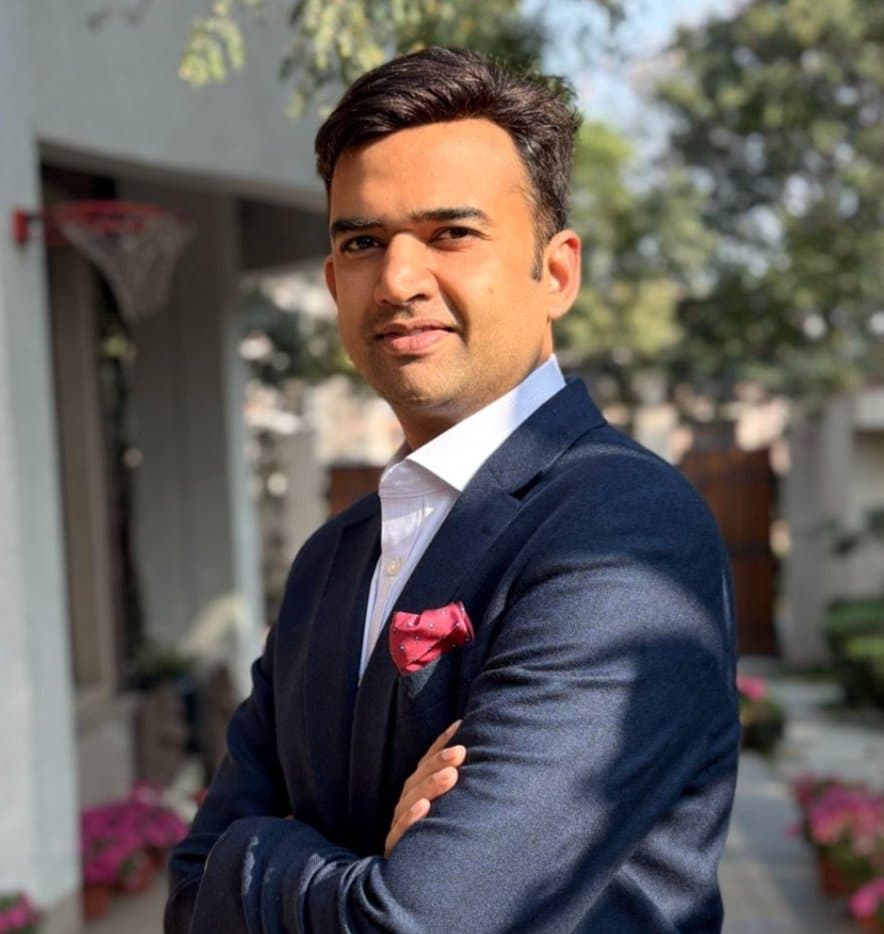
Gautam Rajgarhia
Promoter Chairman · Delhi Public School Varanasi | Nashik | Lava Nagpur | Hinjawadi Pune
Gurgaon/India
A school has two balance sheets.
One is visible every year: admissions, fees, land, facilities, salaries, margins, transport, expansion, and operating efficiency. The second is harder to read: confidence, curiosity, empathy, teacher quality, trust, institutional honesty, and the formation of judgment inside a child.
The first can improve within twelve months. The second may take decades to reveal whether the school did its real work.
Education becomes fragile when leaders improve the visible balance sheet while assuming the human balance sheet will somehow hold on its own.
Gautam Rajgarhia has spent close to two decades inside that tension. As Promoter Chairman of Delhi Public School institutions across Varanasi, Nashik, Lava Nagpur, and Hinjawadi Pune, with work extending into school transformation through Equanimity Learning, early education investing through Dreamtime Learning, and long-term capital allocation, he has seen schooling from both operating and capital sides.
The child is in the classroom. That impact travels for the next fifty, sixty years.
A decision around teacher cost, principal authority, technology adoption, curriculum design, or promoter governance eventually reaches a child through an adult in a room. The decision may begin as financial, managerial, or operational. Its consequence becomes human.
The Campus Was the First Answer
Private schooling in India grew partly because the need was obvious. Families wanted safer campuses, cleaner classrooms, better facilities, reliable transport, sports infrastructure, and a school environment that felt more serious than what was available. In many markets, especially beyond the largest metros, infrastructure itself created trust.
Gautam’s early school-building years were shaped by that reality. Large campuses, swimming pools, and other visible assets helped parents believe that a serious institution was being built. The market responded because the physical gap was real.
Time changed the way he read those choices.
A swimming pool looked strong in an admission conversation. In actual use, the economics were far less convincing. A student might use it once in fifteen days. Of a thirty-minute slot, a meaningful portion could go into changing before and after the activity. In parts of North India, the weather reduced usage further. The facility looked impressive, while the child’s daily experience was shaped by the teacher, the classroom, the principal, the support staff, the bus, the corridor, the safety systems, and the adult who noticed when something had changed.
Infrastructure is good to have. Teacher training is a must.
School builders often invest first in what parents can inspect. Children live every day with what the institution repeatedly practices. A campus can create the first confidence. Teacher quality decides whether that confidence survives.
India’s next schooling advantage will come from assets children use every day: teacher preparation, counselling, safety, parent orientation, leadership support, and feedback systems that help a school listen before problems harden.
Capital Has to Understand the Classroom
Education attracts capital for reasons that make sense. Demand is durable. Parents prioritize children. Strong brands carry trust. Enrolment can scale. Technology opens new formats. For an investor, the sector can look commercially attractive and socially defensible.
The classroom lives on a different clock.
Schools need money. Teachers must be paid well. Institutions need investment in training, safety, transport, digital systems, counselling, leadership, and resilience. The danger begins when capital enters with a short-cycle mindset and starts reading the school through the easiest levers.
Teacher compensation is often a large cost line. Reducing faculty cost may improve margins quickly. Inside the classroom, the same reduction can weaken explanation, mentoring, attention, and emotional safety. Admissions may remain stable for a while. Brand value may continue. The child’s experience has already changed.
In education, financial improvement can appear before institutional damage becomes legible.
Gautam has argued for capital that is comfortable with longer horizons, including institutional pools and family-office capital that can think in decades rather than quick exits. Patience still needs discipline. Long-term capital has value only when it protects the inputs learning depends on: teachers, principals, culture, student experience, and trust.
The sharper distinction is between capital that funds the classroom and capital that extracts from it.
The Principal’s Chair Carries More Than Administration
One of Gautam’s clearest concerns is the lack of serious preparation for principals in India.
The role has become far more demanding than the pipeline built around it. A principal is expected to handle academics, parents, compliance, admissions pressure, teachers, budgets, technology, reputation, crisis, culture, and the emotional life of the campus. Yet many leaders arrive there through experience alone: teacher, coordinator, vice principal, principal.
“It’s a very lonely chair out there.”
That loneliness becomes an operating risk. A principal reports upward to management and leads downward into the team. Difficult data can get softened before reaching the promoter. Teachers may avoid naming real problems. Parents often see a polished picture while the school lives a more complicated reality internally.
Equanimity Learning works at this pressure point through conversations, case discussions, handholding, and structured support over months. The stated issue may be admissions, attrition, parent dissatisfaction, or academic inconsistency. The deeper issue may be fear, cultural misalignment, unclear communication, weak ownership, or a principal carrying pressure without a safe space to think.
Principal capability is a strategic asset. Treating the role as administration underestimates the person carrying the school’s daily truth.
Culture Refuses to Be Copied
Multi-campus education needs standardization. Fee systems, safety protocols, academic calendars, training routines, governance mechanisms, reporting formats, and compliance processes need consistency. Without systems, expansion becomes disorder.
Culture does not behave like a process manual.
What you cannot export is the culture.
A school in Varanasi cannot be reproduced in Pune through brand, policy, and infrastructure alone. Even two campuses under one network can develop different personalities because culture is shaped by local leadership, parent expectations, teacher markets, and community rhythms.
Gautam reads school health from details many dashboards miss. The security guard at the gate, the didi or bhaiya in the corridor, the bus driver, the administrative staff, and the way people speak when no senior leader is watching often reveal whether dignity has moved through the institution. A driver who feels responsible for the children on the bus carries ownership differently. A teacher who can speak without fear teaches differently.
Silent corridors can appear disciplined. They can also reveal fear.
Town halls, suggestion systems, and open feedback across hierarchy matter because formal information often gets cleaned before it reaches leadership. A network can replicate systems. Every campus has to earn trust locally.
Promoter Responsibility Has to Mature
Promoter involvement can help a school in its early years. Speed matters. Standards matter. Attention matters. A promoter can bring all three into a young institution.
As the institution matures, the responsibility changes. The school needs stronger leadership depth, clearer authority for the principal, better feedback systems, and a culture where difficult information can travel upward without fear or filtration.
Gautam’s model of promoter responsibility is therefore more restrained and more institutional. Choose the right principal. Align around values. Co-create the resource framework. Ask the right questions. Build systems that help the campus leader lead.
The promoter’s conscience must remain close to the school. The daily operating authority must sit with the people responsible for the campus. A school becomes stronger when judgment spreads beyond one office and begins to live across the institution.
Once a school can function through leadership depth, the next test is whether it can listen honestly to the students it claims to serve.
Relevance Is the System’s Stress Test
Gautam’s schools use feedback across students, teachers, and parents. The pattern he describes is telling. Satisfaction remains steadier in younger grades. From grade nine onward, the graph becomes less settled.
The issue is relevance.
“The real question now is relevance. How relevant is what we are teaching, and whether it is going to be useful for the student going forward.”
Adolescents begin asking questions younger children may not articulate. A student who does not want to pursue science questions years spent on content with little connection to future direction. A student drawn to arts, sport, entrepreneurship, design, or another path begins sensing the rigidity of a system built for a previous economic age.
Gautam links the problem to a larger national pattern. India has produced high-quality global executives who can work within complex systems, optimize resources, and execute under structure. The next ambition requires more original creators, founders, and problem framers.
“We have the best CEOs in the world. But we do not have the toughest founders.”
The statement challenges the training logic of schooling. A system built around fixed answers, board-defined pathways, and predetermined success markers prepares students to operate within rules. A founder economy requires comfort with ambiguity, open-ended inquiry, creative risk, and the ability to question the frame itself.
Relevance gives rigor a reason. Without relevance, difficulty becomes endurance rather than growth.
Relationship Is the First Academic System
Gautam’s four-R framework begins with relationship, then rigor, relevance, and reflection. The order matters.
“If rigor comes before trust, it is a burden.”
Many schools lead with rigor because rigor is easy to display. Homework, tests, stricter routines, discipline, and pressure create the appearance of seriousness. Parents can see effort. Administrators can track compliance. Students may perform.
Learning asks for a deeper base. Subject knowledge is necessary, but teaching also requires timing, emotional reading, humour, context-setting, and the ability to create enough trust for students to risk being wrong. Gautam’s view of teaching therefore moves beyond subject delivery into classroom craft.
The point is trust. In a forty-minute class, a teacher has to create enough connection for students to accept challenge. Humour matters because laughter reduces fear. A classroom that can laugh without losing seriousness often has more room for attention, questions, and openness.
Relationship allows rigor to become challenge instead of weight. Relevance tells the student why the challenge matters. Reflection forces both student and teacher to examine what changed through the process.
AI Makes the Teacher More Important
Gautam’s technology view is grounded by experience. He has backed digital learning and recognizes the potential of AI, personalization, and access. He also resists the belief that platforms can solve learning for every child.
“I haven’t come across any tech platform right now that we’ve solved for everybody.”
Digital tools tend to serve the most motivated learners first. Gautam estimates that the students who engage meaningfully with such tools are often the same 10 percent who would have found a way to go deeper anyway. Many others still need structure, encouragement, validation, and adult interpretation.
AI will change the classroom by making answers, explanations, summaries, worksheets, and practice instantly available. The teacher’s premium will move toward higher-order work: judgment, interpretation, ethical reasoning, contextual understanding, and the ability to hold open-ended questions.
The role of the school remains the same. Children do not go to school only for academics.
School is where children learn how to live among others. Friendship, jealousy, competition, embarrassment, belonging, exclusion, recovery, failure, celebration, and disagreement cannot be downloaded as content. The social work of schooling becomes more important when information becomes easier.
AI can generate answers. Education has to build the child who knows how to question, interpret, and use them responsibly.
Empathy Is Upstream Capability
India’s education debate often moves toward employability: skills, coding, AI readiness, communication, industry alignment, and entrepreneurship. Gautam’s answer to the deeper capability question starts earlier.
Empathy.
A college can teach frameworks. A workplace can train tools. A company can build technical execution. Empathy, self-awareness, curiosity, and inner steadiness are much harder to repair after years of performance-first schooling.
In the conversation, a corporate example sharpened the point: even senior industry leaders expect empathy from leaders, yet recognize that empathy cannot be taught reliably at the corporate stage. By the time a person reaches formal leadership, the deeper formation window has already narrowed.
Gautam’s identity curriculum asks children questions that rarely sit at the center of mainstream schooling: Who are you? Why are you here? How does the person next to you feel? In a technology-shaped economy, such questions become practical. Leadership requires empathy. Entrepreneurship requires sensitivity to unmet needs. Teamwork requires awareness of others. Citizenship requires moral imagination.
Empathy belongs before employability because industry inherits what schooling fails to build.
What Education Leaders Can Learn
For investors, the first discipline is to ask whether capital is funding the classroom or extracting from it. In education, a cost reduction can look efficient long before the human loss becomes visible.
For school founders and promoters, the test of maturity is the spread of judgment. A campus grows stronger when the principal can carry authority, truth, and accountability without waiting for promoter intervention.
For principals, the role has become closer to institutional leadership than school administration. Academic performance, staff morale, parent confidence, and cultural honesty now sit inside the same mandate.
For teachers, subject knowledge is necessary but insufficient. The modern classroom asks for connection, humour, emotional reading, context, and the ability to convert rigor into challenge.
For policymakers, principal preparation and teacher formation deserve the seriousness usually reserved for curriculum and assessment reform. The system cannot improve if the adults closest to children remain underprepared.
For employers, empathy deficits cannot be solved cheaply at the leadership stage. Industry inherits the human formation that schools either built or ignored.
What Actually Compounds
The future of Indian education will not be settled by the number of campuses built, devices deployed, platforms adopted, or admission targets achieved. Such measures will continue to matter, but the deeper contest sits in the institution beneath the school: the quality of adults around the child, the courage of principals, the formation of teachers, the character of capital, the relevance of learning, and the empathy built before adulthood demands it.
A child experiences a school through adults. A teacher experiences a school through leadership. A principal experiences a school through the freedom to speak truth. A parent experiences a school through trust earned in ordinary moments. A society experiences a school years later, through the adults it helped form.
Gautam Rajgarhia’s thinking points to a proposition with global relevance: the most valuable parts of education compound slowly, and the easiest parts to scale are rarely the parts that matter most.
The fifty-year classroom is where the real balance sheet is written.
Our Suggestions to Read
Discover The Leaders Shaping India's Business Landscape.

Investors & Catalysts
From Millet to Method: Rasika Prashant on Building What Consumers Return To
Rasika Prashant, CEO of NSRCEL at IIM Bangalore and Co-founder of Soulfull (later aquired by Tata Consumer Products) on consumer trust, category creation, Indian brands, and the founder discipline required after belief.
Read Full Story
Founders & Innovators
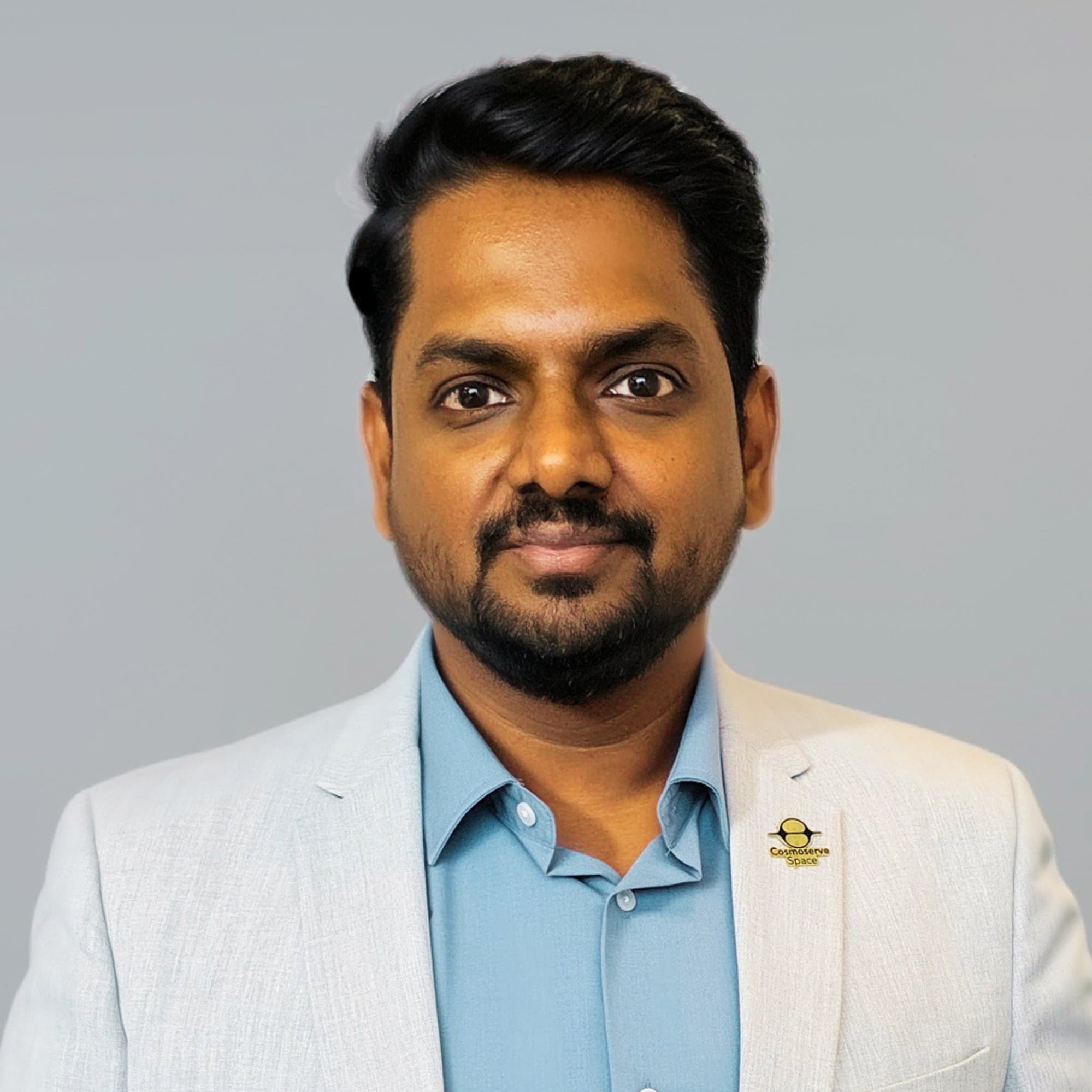
Building the Next Space Economy: Chiranjeevi Phanindra and Cosmoserve's Case for Orbital Maintenance
Chiranjeevi Phanindra, Founder & CEO of Cosmoserve Space, spent 14 years at ISRO working on re-entry and human spaceflight. Today, he is focused on a vital challenge: keeping Earth’s orbit usable.
Read Full Story

Corporate Visionaries
Shashank Sahni on What Success Leaves Out
Shashank Sahni, Google’s Managing Director of Global Ads Solutions, reflects on what customers reveal, what ambitious teams need from their leaders & what the mountains and marathons have taught him about going further.
Read Full Story