Category: Corporate Visionaries
Sashi Nambiar, Head Asia Wealth at Muzinich & Co., brings three decades of experience to a sharper question: what makes capital truly trusted when access keeps expanding?
The Wealth Market’s Access Problem: Sashi Nambiar on Private Credit, Asia and Investor Understanding
IndiSight Editorial
Aug 21, 2026
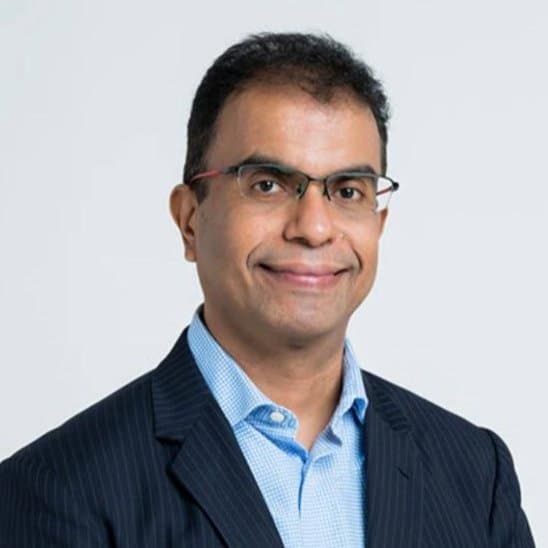
Sashi Nambiar
Muzinich & Co.
Singapore/Singapore
The private credit document may disclose the redemption terms. The structure may be explained. The risks may appear in formal language. Yet investors still need to understand the asset class itself and the liquidity profile that sits underneath it.
For Sashi Nambiar, this is one of the central issues in private credit. Clients need to be educated that private credit is a semi-liquid asset class, with clearly defined limits around redemptions and withdrawals. Access exists, but it does not behave like daily liquidity.
Sashi Nambiar has spent more than three decades working inside that problem. As Head Asia Wealth at Muzinich & Co., his career has moved across Indian financial markets, Asian wealth management, institutional distribution, private banks, family offices, public markets, alternatives and specialist credit, all shaped by a central tension in finance: access to capital often expands faster than the understanding needed to hold it responsibly.
For Sashi, the private credit issue goes beyond terminology. Clients need to understand how an investment may behave when redemption limits apply, when credit risk becomes real, when liquidity tightens, or when the desire to exit meets the structure of the underlying asset. Finance earns trust when access is matched by understanding.
When Excitement Runs Ahead of Judgment
The technology boom around 2000 gave Sashi an early lesson in how quickly market excitement can enter client portfolios. Technology funds were attracting capital, investors were eager, and the sector carried the confidence that rising markets often create.
“We did raise a lot of money at that particular point of time,” he recalls. “But when you saw that huge correction which happened in markets, it made me rethink.”
Many investors were allocating money linked to retirement, family security and long-term goals. A thematic fund could have had a place in a portfolio, but its role had to be sized carefully and explained in a way the client could still understand during volatility.
At that stage in India’s mutual fund evolution, the language of core and satellite investing was still developing. A concentrated sector fund could easily be mistaken for a primary wealth-building vehicle. Sashi’s learning was practical: clients need to know what risk they are taking, how long the money should remain invested, and why a narrow strategy usually belongs at the edge of the portfolio.
“There are points of time when I’ve told people that this is not the right time.”
Advice like that runs against the natural rhythm of a commercial organisation. Markets reward activity. Product teams want traction. Clients often arrive already persuaded by a story. The harder task is to slow the conversation without sounding defensive, dismissive or overly cautious.
Restraint becomes most valuable when the product is easiest to sell. A smaller allocation, a delayed entry, or a more careful explanation can become part of the relationship’s foundation. Clients may not remember every product detail, but they remember whether the adviser helped them avoid overcommitting when the story was strongest.
The Human Cost of Building Too Fast
The 2008 global financial crisis moved one of Sashi’s lessons from portfolio construction into leadership. He had joined Credit Suisse’s multi-asset solutions group when pressure moved quickly from markets and clients into team decisions.
“For the first time in my life, I had to let go of people. It was one of the most painful exercises I’d ever carried out in my life.”
Strong markets can make expansion feel safe. Teams grow, budgets rise, and recent momentum begins to look like a dependable base. A downturn exposes the assumptions hidden inside hiring plans and operating structures. Choices made during confidence become difficult conversations during stress.
Sashi became more careful about resourcing after 2008. He speaks about staying slightly under budget, building teams that can stretch, and avoiding structures that depend too heavily on favourable markets continuing. Hiring, in his view, carries a responsibility that lasts beyond the optimism of the moment.
A leader’s hiring plan reveals the cycle he has imagined. Building for permanent momentum may look ambitious when markets are rising, but it can leave people exposed when conditions change.
Building Without Inherited Trust
Several of Sashi’s roles involved building regional businesses where the platform had limited local history. He describes the challenge as beginning with a white sheet of paper.
It’s the challenge of trying to build something new when nothing exists. Where you’re literally starting on a white sheet of paper.
A blank sheet can sound like freedom. In practice, it demands discipline. The work begins with understanding the market, studying competitors, identifying client segments, testing internal capabilities and deciding where the firm has a genuine right to compete. Relationships may open the first meeting. Relevance keeps the relationship alive.
A global platform may have strong capabilities, but a regional market still asks its own questions. Does the product fit client behaviour? Can the team explain the strategy with conviction? Has the opportunity been studied beyond the excitement of entering a new market?
Personal credibility often provides the first bridge. Sashi describes going back to relationships built over years and saying, in effect, that while a platform may offer many things, only a few deserve the client’s immediate attention. Filtering matters because clients do not need a tour of everything a firm can do. They need to know which idea has been selected for them, and why.
The conviction filter is central to this work. A firm may have twenty capabilities, but a client may need to hear about only one or two. Market-building, in Sashi’s telling, is methodical: identify the opportunity, understand the competition, look for gaps, match those gaps against internal capability, and take forward only what the firm can defend with conviction.
Every platform has more to say than the client needs to hear. Business development becomes more credible when it narrows the conversation to what the client can understand, use and hold through a cycle.
Asia Rewards Leaders Who Listen Closely
Sashi’s move from India into regional and global roles changed how he thought about leadership. Different cultures interpret urgency, hierarchy, authority and personal boundaries in different ways. A style that feels direct in one market can feel intrusive or incomplete in another.
Asia sharpened this awareness. Singapore, Hong Kong, Japan, China, Korea and other Asian markets sit under one regional label, yet client behaviour, regulation, rates, decision processes and risk appetite can vary sharply. A product may travel across borders, but the argument around it cannot be copy-pasted.
Regional leaders carry information that central teams may miss. They hear hesitation before it shows up in numbers. They see when a product is being misunderstood. They understand when local context changes the relevance of a global strategy.
Sashi has seen this change over time. A decade ago, regional teams often had to push harder for local signals to be taken seriously. As Asia has become a stronger driver of asset growth, local and regional teams have gained more authority in identifying gaps and shaping solutions.
The business discipline is to protect institutional standards while letting local reality shape how a strategy is explained and prioritised. A regional leader has to translate in both directions: bringing global capability to local clients, and carrying local intelligence back into the firm before it becomes obvious in performance figures.
When a Client Conversation Changes the Product Question
Distribution is usually treated as the point where an investment strategy is taken to market. Sashi’s experience shows how incomplete that view can be. Sitting in front of clients also reveals what they are trying to solve before the firm has converted the problem into a product.
When you own distribution, you’re actually sitting in front of clients and it gives you an insight into what the client is worried about, what’s keeping the client awake at night.
The clearest example came from a family office with charitable commitments. The client had taken on several causes that required regular monthly expenditure. The need sounded like an investment question, but the underlying issue was cash flow. The money had to support obligations outside the portfolio, month after month.
At that point, the firm did not have a multi-asset solution designed around that requirement. A standard product conversation would have been too narrow. The discussion helped surface a more practical possibility: a multi-asset structure that could pay monthly income, potentially through a share class designed around the client’s cash-flow need.
The business lesson is grounded: the closer a firm is to the client’s real use of capital, the better it understands which problems are worth solving. A client may ask for income while the real need is continuity. A client may ask for diversification while the real concern is fear of drawdown. A client may ask for access while the real question is whether the investment can be held through stress.
Product relevance often begins before product design. The best client conversations do more than test appetite; they reveal the operating problem behind the allocation.
The Trust Transfer Problem
Relationship-led businesses often begin with individual credibility. A client agrees to meet because a person has earned trust over time. Early mandates may come because the client believes in that person’s judgment.
Sashi is clear about the risk of leaving trust at that level.
You can’t be the only face that the client sees.
Personal credibility can open a relationship. Institutional trust has to sustain it. The mechanics are practical: processes, second-line leaders, teams with direct client relationships, and mentoring that gives people beyond the senior relationship holder their own presence with clients.
Wealth clients need continuity of judgment. They need to believe in the wider team, the process, and the institution’s ability to serve them beyond the person who first opened the door.
The harder truth is that some relationships can be institutionalised, while others remain deeply personal because they were earned through years of judgment, crisis response and familiarity. Sashi acknowledges that even when a model continues after a leader has moved on, people eventually move, relationships evolve and the original structure changes. The institution’s task is to build enough depth, process and new credibility so that trust can keep being earned by more than one person.
Trust transfer is an operating problem. It requires deliberate client exposure, repeatable standards, judgment demonstrated by multiple people and enough institutional memory that the relationship does not reset every time a senior leader moves.
Private Credit Will Be Judged by Discipline
Sashi’s current role brings him closer to specialist credit at a time when private credit is moving into wider wealth portfolios. The opportunity is meaningful, but the responsibility is equally large.
Clients need a sharper understanding of liquidity, leverage and borrower quality. Private credit is a semi-liquid asset class, and that distinction must be explained clearly. Redemptions and withdrawals can carry well-defined limits, and investors need to understand those limits before they allocate capital. Yield has to be understood alongside credit risk. Diversification can reduce concentration, but it cannot remove the need for underwriting discipline.
Sashi is especially alert to the danger of capital entering an asset class faster than standards can absorb it.
If you raise a lot of capital and then you dilute your lending standards, and that translates into lower returns or defaults or people losing money, then that confidence in the sector could be very badly shaken.
Inflows create pressure to deploy. Pressure can soften selectivity, widen definitions of acceptable risk and make managers more tolerant of structures they once would have rejected. Sashi also points to the importance of leverage and borrower profile: who is borrowing, how much leverage sits in the structure, how diversified the portfolio is, and how covenants protect investors.
He also notes Moody’s analysis identifying high leverage as the primary driver of private credit defaults, a finding he says is less well understood in the wealth channels distributing the product. That observation matters because wealth distribution can sometimes focus more on yield, access and product structure than on the borrower-level mechanics that determine whether the credit ultimately performs.
Private credit can become a durable part of wealth portfolios only if trust grows with access. Wider distribution brings more responsibility to explain the structure honestly, protect lending standards and avoid letting investor appetite become a substitute for discipline.
Leadership Principles from Sashi Nambiar’s Operating Lens
Make risk understandable before capital moves: Clients may receive documents and still carry the wrong mental model. Leadership begins by making risk practical enough for the client to understand what may happen in a difficult market.
Know when the right answer is to wait: A smaller allocation, a delayed commitment or a decision to watch a strategy for another year can protect the relationship. Restraint becomes part of the service when it protects the client from future regret.
Build teams for a weaker market: Resourcing decisions made in strong markets need the discipline of a stress case. Sashi’s 2008 experience turned hiring into a question of responsibility, not only growth.
Let client conversations influence what gets built: A family office’s charitable income requirement revealed a product gap. Useful distribution brings client reality back into the firm.
Move trust beyond the senior relationship holder: “You can’t be the only face that the client sees.” Durable institutions develop second-line leaders, teams with direct client relationships and processes that allow trust to survive beyond one person.
Protect standards when capital is abundant: A strategy can lose quality when it accepts more capital than it can deploy responsibly. Preserving lending standards, covenants and capacity discipline protects the client and the franchise.
Prepare enough for the client to feel the difference: Before significant meetings, Sashi says he may spend an hour to ninety minutes preparing. Clients should see value in the exchange, not just attendance in the room.
Stay calm when pressure changes perception: “What people underestimate is how stressful situations can affect the way you take logical decisions.” Leaders who manage their internal state make better external decisions.
Judgment in the Age of Faster Tools
Sashi sees value in faster analysis, stronger diligence support and better use of information. His caution is directed at the confidence that polished outputs can create.
In one parallel lending fund, he describes AI as the fourth pillar. The first round of due diligence comes first. Then a second. Then a third. Only after those human layers does the team put the case through an AI tool to see what the output suggests.
AI can reduce time and support analysis. It does not remove the need to ask what the analysis sees, what it misses, and whether the data behind it is reliable. Sashi also points to the importance of using in-house data where possible, because the quality of the output depends on the quality and relevance of the information being analysed.
Future financial professionals will need more than tool fluency. They will need the ability to interpret outputs, communicate clearly, ask better questions and recognise when a technically impressive answer still fails the client’s real need. A strong idea loses power when it cannot be explained well.
Speed is valuable only when it improves judgment. When speed creates confidence without comprehension, the risk has merely changed form.
What Holds Through Cycles
Sashi’s long practice of breath-based meditation adds a personal dimension to his leadership approach. For more than fifteen years, he has practised through the Art of Living programme and has also served as a volunteer coach.
What people underestimate is how stressful situations can affect the way you take logical decisions.
Markets test that constantly. Clients ask for answers before certainty exists. Teams look for confidence while leaders are still processing ambiguity. Pressure can make capable people narrow, defensive or overly urgent.
Sashi says the practice helps him stay calm, step back and look at the bigger picture. He also notes that colleagues and clients have observed this in crisis situations, where composure shows up through the quality of decisions and the steadiness of response. The practice, in his telling, supports crisis management, decision quality and lateral thinking.
Across Sashi’s career, the same discipline returns in different forms. In technology funds, it meant sizing excitement before clients overcommitted. In 2008, it meant understanding the human cost of building too aggressively for good markets. In regional leadership, it meant listening closely enough to local markets before applying a global playbook. In distribution, it meant allowing a client conversation to change the product question. In private credit, it means protecting lending standards while investor access widens.
The next test for financial institutions may not come from a lack of opportunity. It may come from abundance: more products, more access, more data, more tools and more capital looking for a home. In that environment, trust will depend less on how much can be offered and more on how carefully judgment is exercised.
Financial markets do not lack products, capital, research or tools. The scarcer resource is trusted judgment: the willingness to say wait, the discipline to say smaller, the courage to say no, and the memory to remember why those answers matter when markets begin rising again.
Our Suggestions to Read
Discover The Leaders Shaping India's Business Landscape.
Founders & Innovators
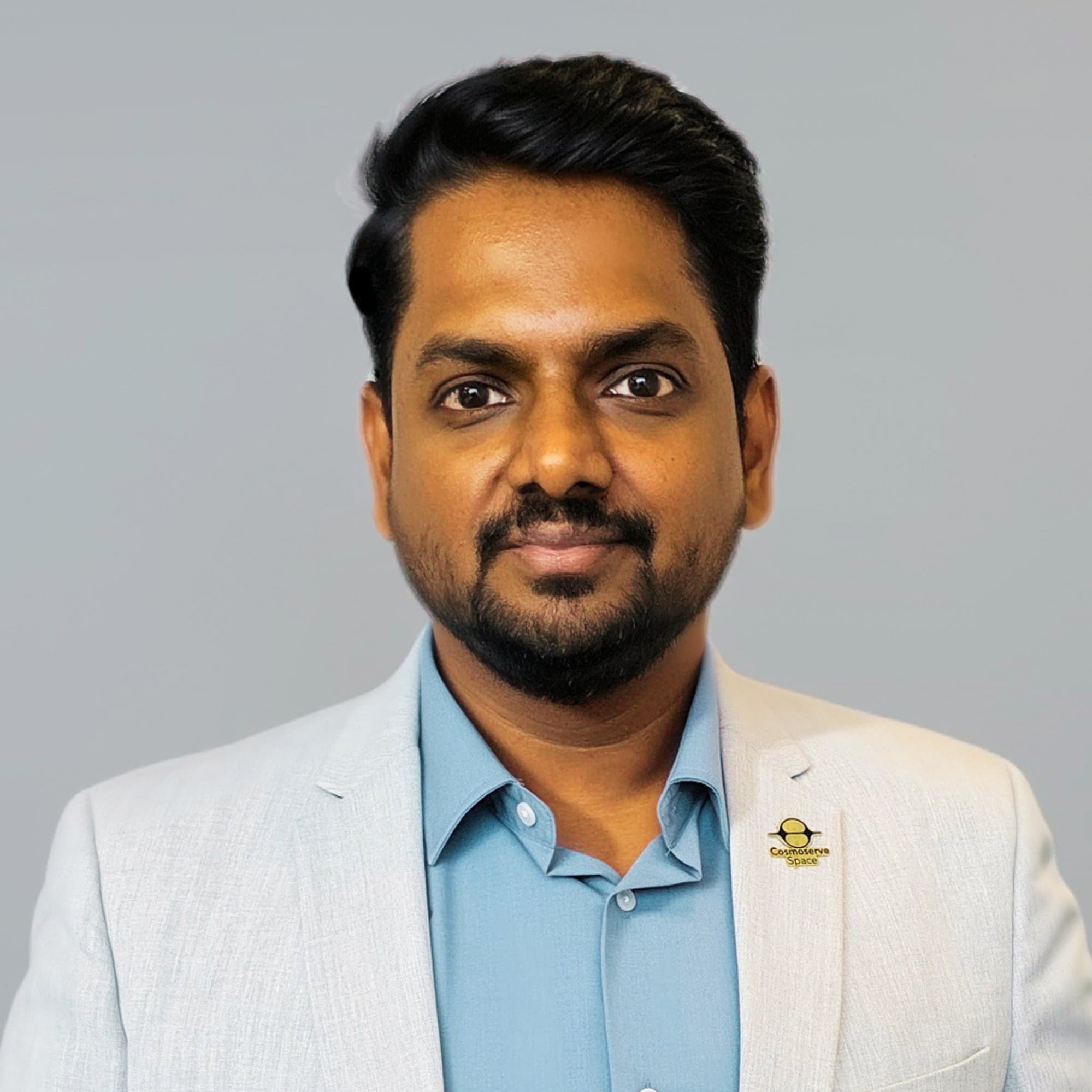
Building the Next Space Economy: Chiranjeevi Phanindra and Cosmoserve's Case for Orbital Maintenance
Chiranjeevi Phanindra, Founder & CEO of Cosmoserve Space, spent 14 years at ISRO working on re-entry and human spaceflight. Today, he is focused on a vital challenge: keeping Earth’s orbit usable.
Read Full Story

Corporate Visionaries
Shashank Sahni on What Success Leaves Out
Shashank Sahni, Google’s Managing Director of Global Ads Solutions, reflects on what customers reveal, what ambitious teams need from their leaders & what the mountains and marathons have taught him about going further.
Read Full Story
Corporate Visionaries
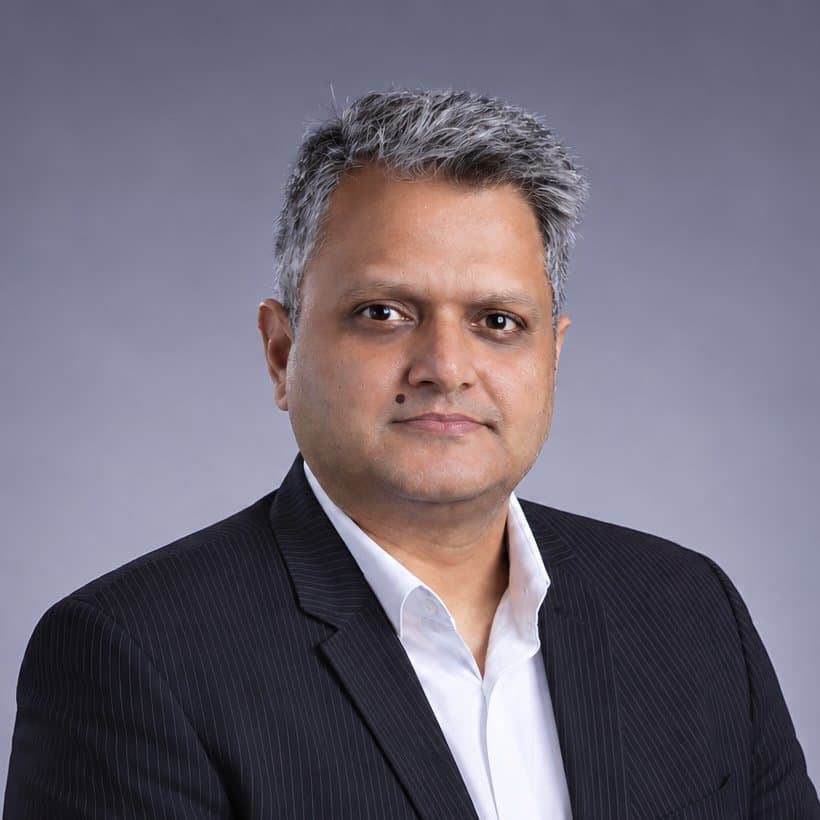
Clinical Multiplication: Divesh Singla on the Healthcare AI Case That Headlines Keep Missing
Divesh Singla, Managing Director, India at Veradigm, brings two decades in healthcare technology to the AI question leaders cannot avoid: how to expand clinical capacity without weakening human judgment.
Read Full Story