Category: Corporate Visionaries
From shaping India's multiplex cinema industry to rethinking how businesses scale, Pramod Arora, Business Leader & Former CEO at PVR INOX, offers a compelling perspective on capital, growth and institutional leadership.
The Discipline of Being Asset Right: Pramod Arora on cinema, capital, customer control and the operating choices behind durable scale
IndiSight Editorial
Oct 21, 2026
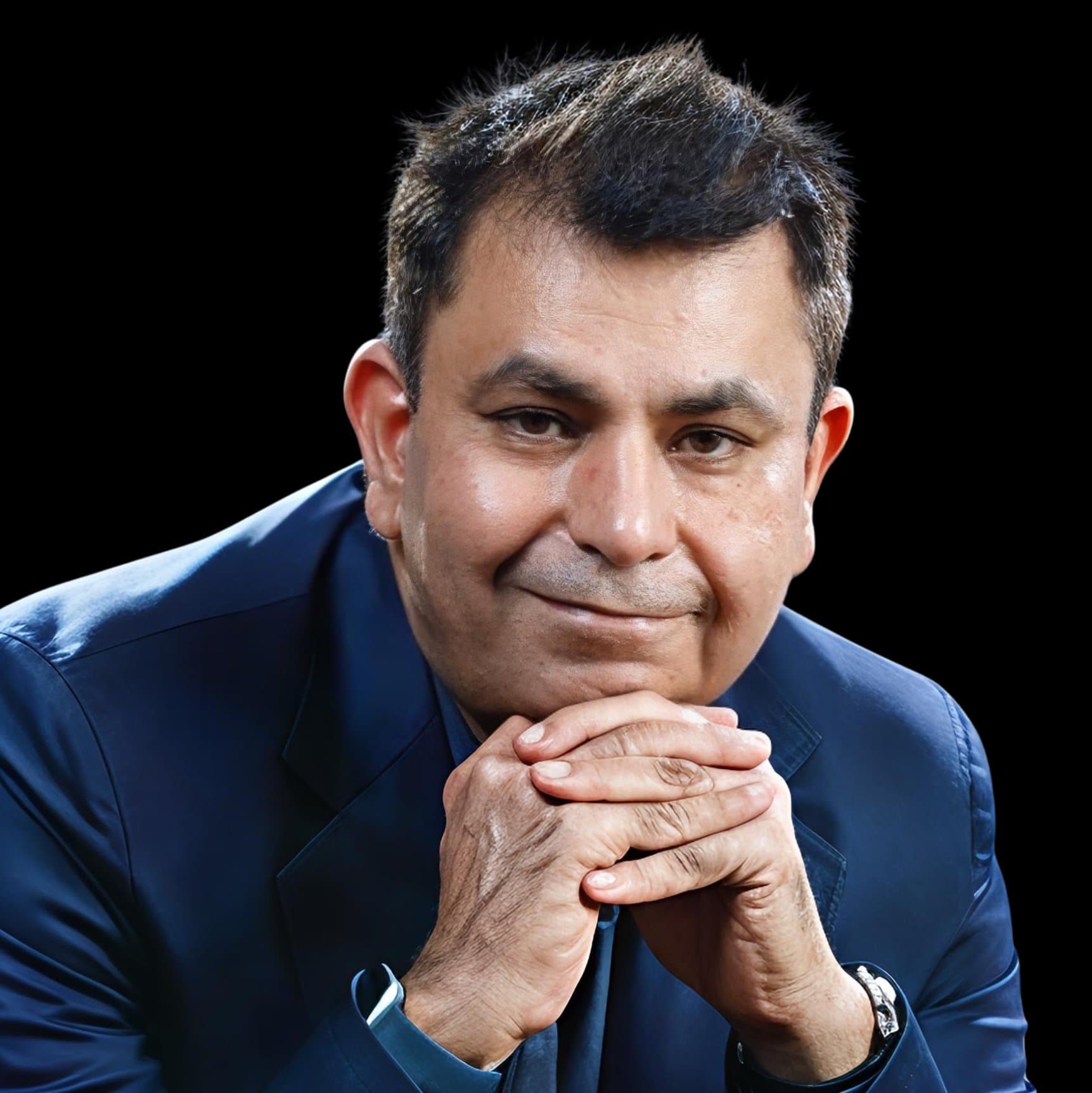
Pramod Arora
Former CEO · PVR INOX
Mumbai, India
India had watched cinema for decades mainly as a screen-led experience. People came for the film, gathered around the hall and left with the story they had paid to watch. The next shift expanded the meaning of the outing itself: entry, comfort, pricing, food, technology, repeat behaviour and the memory of watching a film outside home became part of the business.
Pramod Arora entered cinema at that point, when the category had to be imagined, tested and built.
At PVR, one of India’s leading cinema exhibition businesses, he became part of the early multiplex buildout and later worked through scale, stress, consolidation and reinvention. Across more than three decades in cinema, real estate, capital allocation, food and beverage, consumer services and institutional growth, his work has produced a sharper argument about scale than the usual business language allows.
Many companies want growth. Only a few understand what must be owned, what must be controlled, what can be partnered, what has to be standardised and where capital begins to hide weak economics.
For Pramod, the answer lies in being Asset Right.
“Asset light is, at bottom, a capital efficiency slogan.”
He is challenging the loose way in which businesses often use the term. When an asset becomes light for one participant, it can become heavy for another. The burden has moved within the system. A model that depends on another participant carrying uneconomic weight will eventually face pressure.
“Asset Light can be one possible outcome. Asset Right is the actual discipline.”
The distinction is important. Asset Light is a structure. Asset Right is judgment. It asks where control creates value, where ownership strengthens bargaining power, where partnership unlocks reach, and where customer experience has to remain non-negotiable. For consumer-facing businesses in emerging markets, that question is rarely theoretical. It decides whether scale becomes durable or merely visible.
When Cinema Became an Experience Business
Multiplex cinema in India had limited domestic precedent when Pramod joined the early PVR buildout. Pricing, location, format, technology, food, comfort and repeat behaviour had to be understood together. A category was being built while the model was still being tested.
Pramod says it simply: “My game was always scale.”
Scale, in his vocabulary, carries responsibility. A larger footprint has to produce a stronger business. A new location has to carry the customer promise. A new format has to make economic sense. A new partnership has to protect the experience.
The early multiplex years gave him the first operating laboratory. Cinema forced the connection between consumer behaviour and capital commitment, between real estate and memory, between pricing and aspiration, between technology and trust.
Fresh categories often begin before the market has language for them. Pramod accepts a certain irrationality in that stage because truly new businesses rarely arrive through perfect consensus.
“If it is rational, it cannot be new. If it is irrational, it can perhaps be new.”
His caution begins immediately after the spark. A clever idea can arrive too early. A smart solution can serve a problem that is distant, weak or commercially thin. Belief needs timing, customer urgency and unit survival.
During the early multiplex phase, he commissioned research from Spectrum, an Australian firm, to understand visitation frequency, pricing and how Indian and foreign content behaved with audiences. Instinct became decision material. The next filter was operating discipline: minimum scenario, most-likely scenario and maximum scenario. Further capital made sense only when the unit could survive the minimum case.
“Money is best invested in ventures, not adventures.”
A venture carries economics. An adventure carries excitement. Pramod is comfortable with risk after the risk has passed through research, scepticism and worst-case arithmetic.
The View Changes When Capital Is at Risk
Pramod’s range matters because he has seen business from different seats. A cinema lobby, an investor’s table, a real-estate negotiation and a boardroom each reveal a different company.
A multifunctional leader operates in quantum physics. A singular leader operates in simple physics.
A strong operator understands rhythm, people and execution. A finance leader reads risk, reserves and downside. A real-estate leader understands location, control and long-term asset behaviour. A board-level mind weighs continuity, governance and institutional consequence. Each view can be right. Each view can also start controlling the whole decision.
Operators can overvalue movement. Capital allocators can underestimate execution pain. Real-estate thinkers can overvalue ownership. Boards can slow a company when speed matters. Mature leadership lies in knowing which voice deserves more weight in a particular decision.
Capital made that discipline sharper for him.
In 2008, a large fund had invested heavily in a business Pramod was joining. He noticed that the founder-owner’s role and his own proposed CEO role appeared to overlap, and he asked why the fund would pay for both.
“Pramod, what will I do if tomorrow a bus hits you or him? I need to have my cover.”
Capital thinks about continuity before the crisis arrives. A company may run well and remain fragile when too much depends on one person, one contract, one machine or one source of money. Growth needs ambition, along with protection against interruption. A strong company asks what could break, who can step in, how long the system can hold and whether the balance sheet can carry the shock.
Capital discipline also has a moral dimension in his telling. Money always belongs to someone before it enters the company’s hands. Spending for optics, speed or vanity may look successful for a while. Weak judgment becomes visible when the cycle turns and money stops covering the mistake.
Growth Has to Know Its Cost
Pramod is blunt about language that makes expansion sound heroic without asking what it costs.
Growth and expansion at any cost is the most vulnerable and frankly very candidly the most stupid statement that people make.
Responsibility changes when a leader uses institutional capital. Debt, minority shareholders, public market trust, employees, partners and customers all sit behind the decision. Expansion carries a wider obligation because the risk travels through a wider system.
A company can keep adding units, cities, stores or screens while each new addition quietly weakens economics. Growth then starts behaving like exposure. Saying no becomes part of governance.
“The word no is an extremely powerful word.”
A good no can protect capital, culture and credibility. Companies weaken when people keep agreeing because the board wants momentum, the promoter wants speed, the investor wants a curve or the team wants approval. Expansion deserves support when the logic is clear. Momentum deserves resistance when the model has started thinning out.
Real estate sharpened that instinct. A hyperlocal business with deep command of its market can be stronger than a business spread thin across geographies. Repeated success, when converted into process, creates more value than expansion pursued mainly for visibility.
The Discipline Behind Asset Right
Asset Right asks a deeper question than ownership alone.
Where does control actually create value? Does the asset improve bargaining power? Does it create differentiation? Does it protect the customer experience? Does it earn returns that justify ownership? Does it help the company stand stronger in a commoditised chain?
Asset Light may be the right answer in some cases. Ownership may be the right answer in others. Partnership may be the strongest route when local capital, local context and central operating discipline can work together. The discipline lies in knowing which choice protects long-term value.
Cinema made the question sharper because an operator may have limited control over content and limited control over real estate. The company has to know where it can still create leverage. Experience, technology, process, customer memory, standards and brand trust can become more important than the visible asset itself.
Asset Right is a test of business judgment. Ownership, partnership and operating control must be designed around the value the company is trying to protect. The label matters less than the durability of the economics behind it.
The Customer Cannot See the Ownership Structure
The FOCO model, Franchise Owned and Company Operated, gave Pramod’s Asset Right thinking a working structure. The franchisee could own the asset. The company could operate the experience. Local partners could bring capital and context. The brand could protect the customer journey.
The most critical asset that a company must not lose sight of is the customer.
Pramod’s answer on FOCO moves quickly from ownership to experience. The customer experiences the brand, not the cap table. Whether a site is owned by the company or by a partner matters far less than whether the customer receives the standard promised by the brand.
His example is small enough to be revealing. An SOP requires water to be served in glass. A franchisee finds plastic cheaper or easier. The company cannot accept the change casually because the brand lives in such details. When franchisee feedback improves the system, the company can learn from it. The improvement then has to become policy across the network.
“It is non-negotiable. It could be something as small as using a glass made of plastic or of glass.”
Distributed models depend on a simple promise: the customer should feel consistency, not complexity. FOCO works when local ownership brings speed and reach while the company keeps enough control to protect the experience. A partner can improve the system, but the brand has to decide which improvement becomes the new standard.
Asset Right becomes practical here. Ownership matters when it protects value. Partnership matters when it unlocks reach. Control matters most where the customer feels the business.
When Strong Numbers Can Mislead
Pramod’s reading of structural change comes from watching consumer businesses through cycles where temporary behaviour can look permanent. Markets can give leaders misleading comfort. A sudden high can look like a new normal. A sudden low can look like the bottom.
“Structural shifts never come unannounced.”
Management begins in the space before certainty. Complete data can support execution. Incomplete signals require judgment. A manager has to read movement early, change course when evidence changes and resist the comfort of believing the current curve will continue.
Post-pandemic recovery created exactly that kind of test. Food and beverage, cinema, shopping centres, travel and vacations all saw sharp surges as consumers returned after months of restriction. The numbers looked strong. The mood looked strong. Revenge spending could easily be read as a durable baseline. Pramod read it as temporary release that made demand look larger, cleaner and more reliable than the underlying market.
“Local maxima does not mean that it is my maximum. Local minima does not mean it is my minima.”
A business has to understand whether the curve reflects permanent behaviour, delayed demand, pent-up emotion, pricing distortion or a structural shift in how people consume. Expansion, retreat and capital commitment all depend on reading that curve properly.
A Merger Is Signed Before It Is Lived
The PVR-INOX consolidation gave Pramod one of the largest institutional cases in Indian consumer services.
“You’re not integrating companies. You are actually integrating people and cultures.”
Financial models can estimate footprint, synergies, market share and operating leverage. Culture takes a different route. Two organisations that competed for years across real estate, talent and customers carry different habits, loyalties and institutional memories. Legal consolidation can happen faster than emotional consolidation.
Pramod sees a decade as a more realistic horizon for serious integration. The work continues until “me” becomes “us” in everyday behaviour. Official language may change early. Shared identity takes longer.
The external ecosystem also changes its reading of the combined company. The market sees one less competitor. Partners see a shift in balance of power. Envy can rise. Trust has to be explained and re-earned because consolidation changes how others interpret intent.
A merger produces scale on paper. Integration decides whether the scale becomes an institution.
When Capable People Stop Speaking
Pramod treats organisational silence as a serious signal. In older companies, capable people often realise that their voice has limited value. Their inputs go to deaf ears. Over time, they stop arguing, stop warning and stop trying to correct what they can see going wrong. For him, such silence is one of the first signs that the institution has begun losing something important.
From a distance, silence can look like alignment. Inside the company, it may be disengagement expressed as compliance. Meetings happen. Reports move. Instructions are followed. Belief weakens quietly.
Leadership requires listening before numbers give permission to worry.
The Cost of Defending a Difficult Model
When asked which belief he defended longer than he now thinks he should have, Pramod returned to FOCO at scale. The model faced resistance, opposition and personal cost. His answer moved toward a broader view of leadership.
“Leaders have to be unpopular.”
Unconventional calls rarely arrive with institutional comfort. A leader who sees a model before the organisation accepts it may have to carry resistance, criticism and collateral damage.
Pramod’s own framework gives that conviction its guardrails: unit economics, customer discipline, capital responsibility, sceptical testing, structural reading and willingness to course-correct. A difficult decision earns respect when it keeps passing those tests.
Resistance can accompany serious leadership, but pain by itself does not prove the decision was right. A leader can mistake the cost of standing alone for evidence of being correct. Pramod’s larger body of thought offers protection against that risk: keep the decision answerable to economics, customers, facts and correction.
What Builders Still Underestimate
Pramod’s view of young founders carries more generosity than predictable senior-leader criticism. He sees many of them as resilient, agile, democratic, socially conscious and less aristocratic than earlier generations. He credits them with responsibility and a stronger instinct for giving back.
His concern is focused on staying power. Some founders may walk away from fundamentally strong businesses before the cycle has had time to compound judgment, reputation and trust. Fundraising, valuation and customer acquisition can be learnt early. Building a durable company still requires staying with difficult problems after the first wave of excitement has passed.
Pramod sees AI changing who can build. Average and middle-class entrepreneurs now have tools that once required deeper capital and institutional infrastructure. His definition of freedom is practical.
“Genuine freedom is to be able to ideate, execute, earn and make an impact.”
Technology can reduce the cost of capability and widen participation. Economics, perseverance, responsibility and customer trust still decide what lasts.
Leadership Lessons from Pramod Arora
Scale has to convert into value. Expansion becomes meaningful when unit economics, customer experience and the operating system can carry repetition.
Capital has to be treated as responsibility. A leader using other people’s money must think beyond ambition, visibility and short-term momentum.
Asset Right matters more than fashionable asset structure. Ownership should be judged by control, differentiation, bargaining power and return logic.
Customer experience is the real asset in distributed models. Local ownership can vary, but the brand promise has to remain consistent.
Saying no is part of leadership. Growth needs people who can challenge momentum before the market exposes the weakness.
Temporary demand needs careful reading. Strong numbers after a shock can hide delayed demand, emotional release or short-lived distortion.
Integration is cultural work. Financial combination can happen faster than the emotional and behavioural integration of people.
Silence is a warning signal. Capable people going quiet often tells leaders more than formal reporting does.
Unpopular decisions require evidence. Resistance may accompany serious leadership, but conviction must remain answerable to economics, customers and facts.
Young founders need staying power. Technology can expand access, but durable businesses still require perseverance through cycles.
What the Discipline Leaves Behind
Pramod Arora’s work challenges a set of substitutions that have become common in business language. Scale gets substituted for strength. Asset Light gets substituted for capital discipline. Growth gets substituted for progress. Silence gets substituted for alignment. Consolidation gets substituted for integration. Valuation gets substituted for value.
His career points to the harder discipline beneath each word.
A unit must survive the minimum scenario. Capital must be treated as responsibility. Ownership must be judged by differentiation and bargaining power. Customer experience must remain protected across every structure. Structural shifts must be read before capital moves too far. Silence must be treated as institutional information. Young founders must be trusted for their strengths and reminded that staying power compounds slowly.
India’s next generation of businesses will come from fragmented sectors, affordable aspiration, AI-enabled entrepreneurship, formalising markets and local entrepreneurs connected to larger systems. The opportunity will attract abundant vocabulary. Pramod’s career suggests that vocabulary will not carry the weight.
Business strength appears when the model can survive pressure, the customer can feel consistency, capital can justify its use, and the institution can keep learning before the market forces humility. Everything else is theatre.
Our Suggestions to Read
Discover The Leaders Shaping India's Business Landscape.

Education Leadership
The Human Advantage: Anu Monga on What Schools Must Still Create
Drawing on decades of leadership in international schools and education, Anu Monga reflects on what institutions must continue to create in a world where knowledge is increasingly accessible and shaped by technology.
Read Full Story
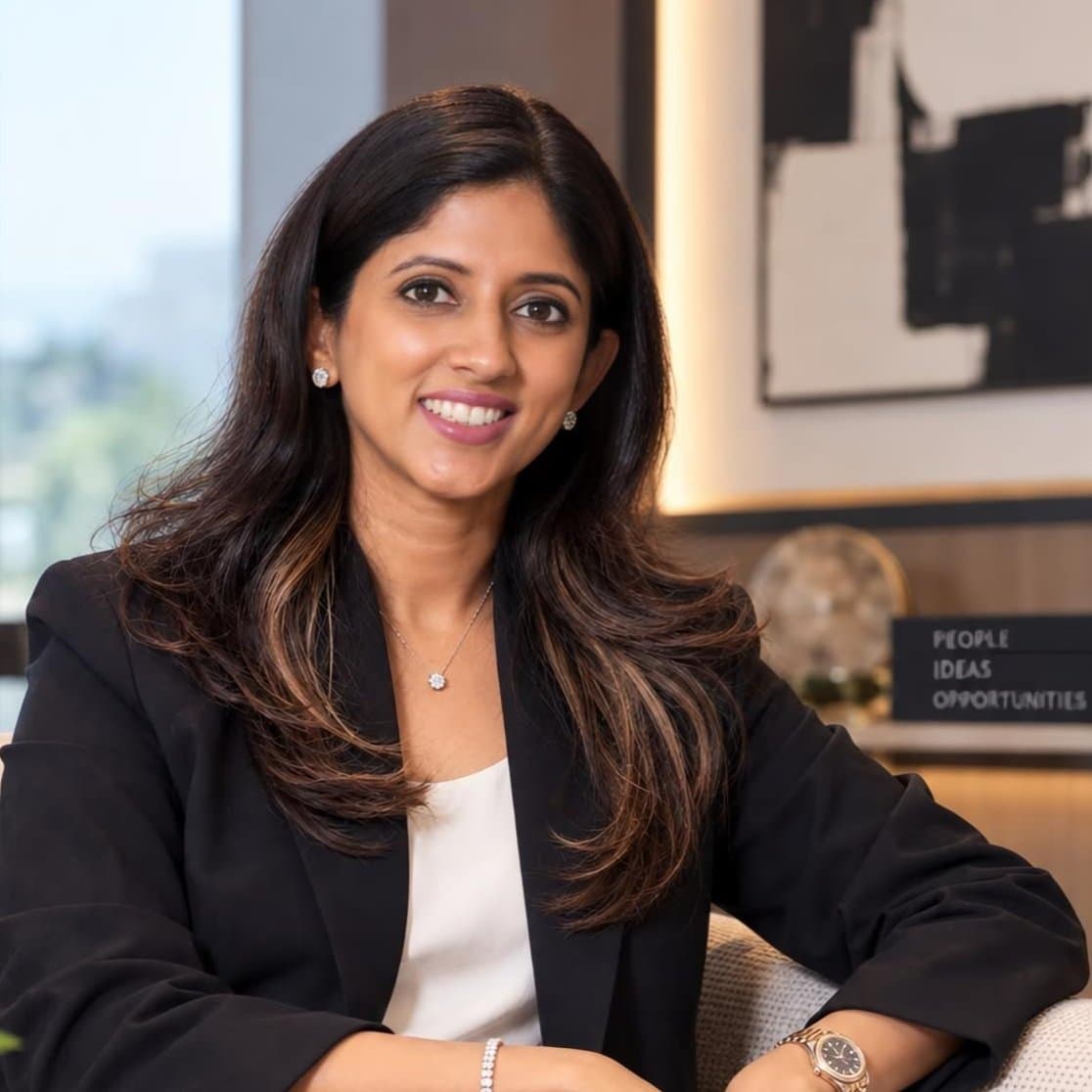
Investors & Catalysts
From Millet to Method: Rasika Prashant on Building What Consumers Return To
Rasika Prashant, CEO of NSRCEL at IIM Bangalore and Co-founder of Soulfull (later aquired by Tata Consumer Products) on consumer trust, category creation, Indian brands, and the founder discipline required after belief.
Read Full Story
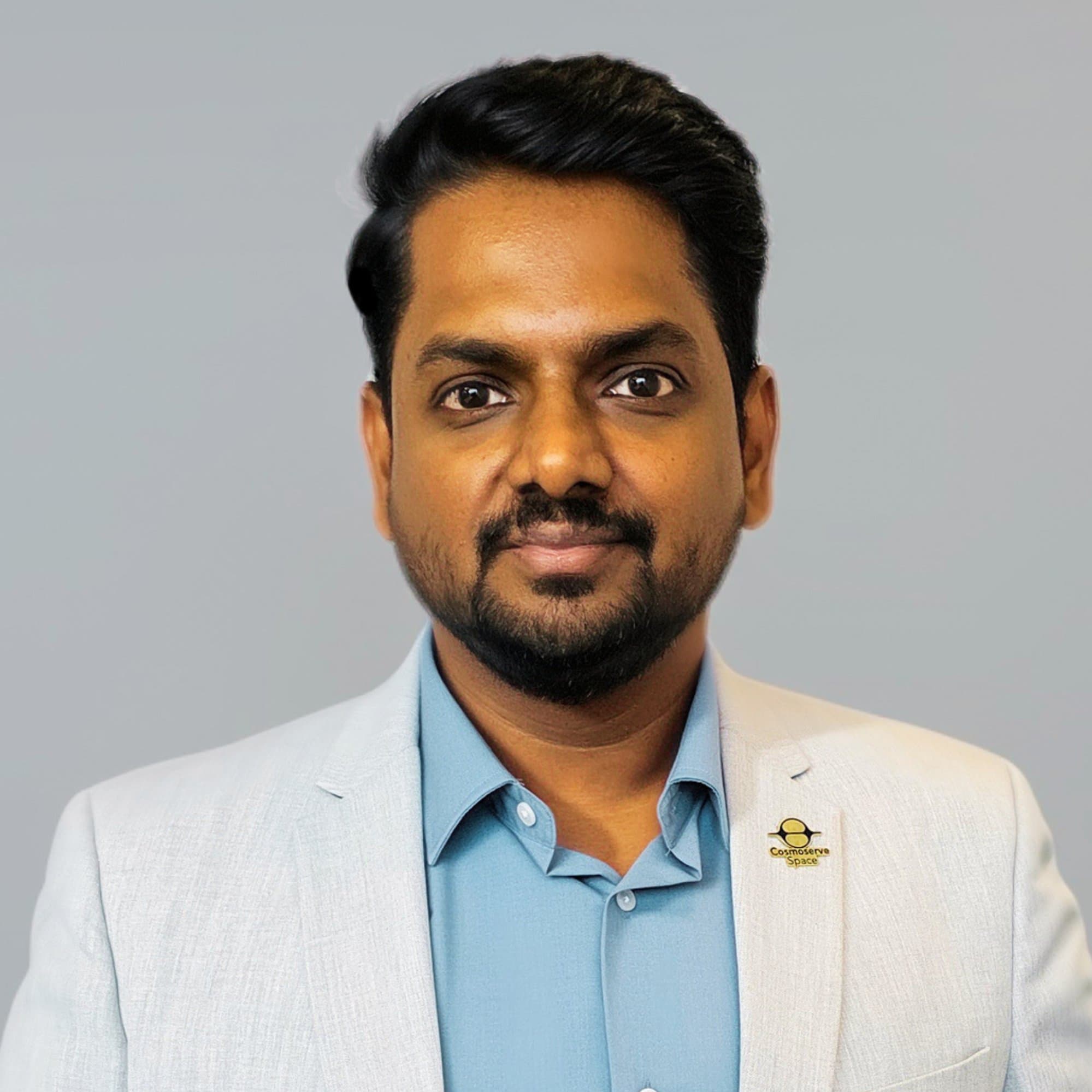
Founders & Innovators
Building the Next Space Economy: Chiranjeevi Phanindra and Cosmoserve's Case for Orbital Maintenance
Chiranjeevi Phanindra, Founder & CEO of Cosmoserve Space, spent 14 years at ISRO working on re-entry and human spaceflight. Today, he is focused on a vital challenge: keeping Earth’s orbit usable.
Read Full Story