Category: Policy Shapers
Dr. Dunston P, Group CEO, The Royal Office of Sheikh Ahmed bin Faisal Al Qassimi, Dubai, UAE, on why global opportunity needs more than ideas and capital: it needs trust, structure, and execution discipline.
Making Opportunity Work: Dr. Dunston P on Trust, Market Entry, and the Discipline of Execution
IndiSight Editorial
Aug 11, 2026
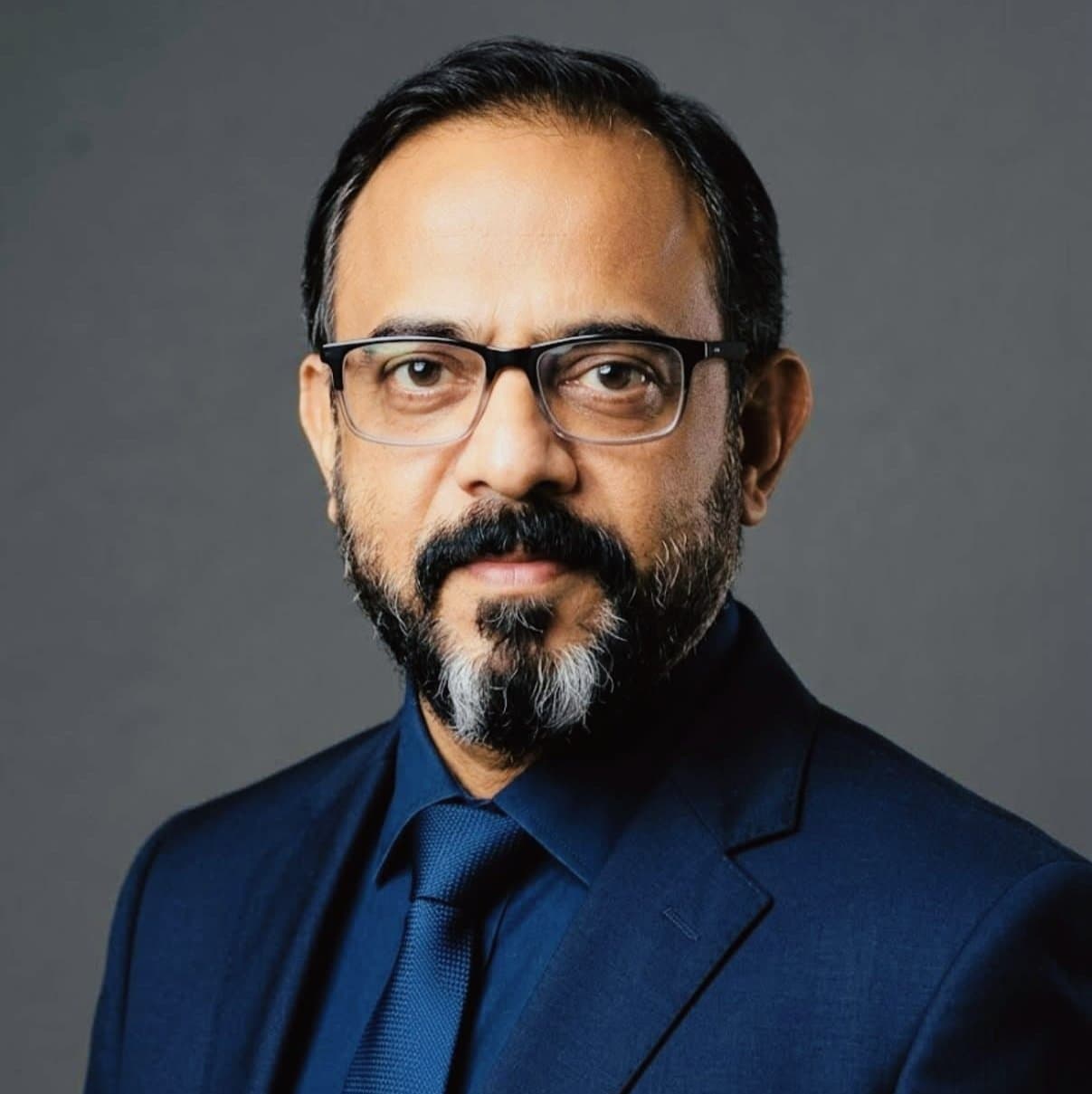
Dr. Dunston P
Group CEO · The Royal Office of Sheikh Ahmed bin Faisal Al Qassimi
Dubai, UAE
Opportunity has become one of the easiest words in global business. It appears in investor decks, startup pitches, policy conversations, market-entry plans, and leadership forums. Yet opportunity by itself does very little. It has to be evaluated, structured, financed, governed, and delivered.
Many promising ideas weaken between excitement and execution. Capital may be available. Talent may be available. Markets may be open. A founder may have energy, a family office may have networks, and a country may have a strong development vision. Still, without the right structure, opportunity can remain a conversation.
Dr. Dunston P works close to that difficult middle ground. As Group CEO to the Royal Office of Sheikh Ahmed Bin Faisal Al Qassimi, he operates where entrepreneurs, investors, institutions, and cross-border partnerships try to move from intent to outcome. The work involves alliances, market entry, licensing, investment conversations, and joint ventures. Beneath those formal structures sits a harder question: can an opportunity be made workable?
His answer was shaped inside operating environments where failure had a cost and leadership had to prove itself through decisions.
Dr Dunston began in 1987 as an IT faculty member in South India. Two years later, he entered the corporate world with the Murugappa Group, where he spent close to fifteen years across different roles and responsibilities. He later moved to Oman to help set up a manufacturing facility, staying through the harder work of erection, commissioning, and running the plant. After returning to India, he left corporate life around 2010, became an entrepreneur, built his business across five states, and eventually moved to Dubai in 2019.
A career across teaching, corporate operations, manufacturing, entrepreneurship, and family-office strategy may appear unusually wide. A closer reading shows a consistent pattern. Each phase placed him near the same leadership problem: how to turn a plan, promise, or opportunity into something strong enough to survive reality.
The Operating Memory Behind the Strategy
One example from Dr Dunston’s Murugappa years explains the operating mind behind his later work. He was heading logistics, supply chain, and procurement for a division with five factories across India and twenty-four warehouses serving as hubs across different states. During a balance-sheet review, warehouse cost emerged as one of the heaviest items under logistics.
The problem was structural. Warehouses were under the company’s own control, supported by around 250 people on company rolls. Ownership gave the organization control, but control came with fixed cost. Seasonal demand was harder to manage. Storage capacity could not be expanded or reduced easily. A model once considered safe had become expensive.
The answer was a move toward third-party logistics. Established systems rarely shift without resistance, because people are rarely attached only to efficiency. They are also attached to familiarity, control, and the comfort of knowing how things have always worked.
Over roughly one to one-and-a-half years, company-controlled warehouses came down from twenty-four to about seven. Remaining warehousing moved to third-party logistics providers at a more efficient operating cost. Flexibility improved as well. During seasonal shifts, additional storage could be taken for a few months instead of being permanently built into the system.
The vertical-storage example from that transition is revealing. Instead of thinking only in terms of floor area, the business could use height more effectively. A smaller footprint could carry far greater storage capacity when the model was designed differently. Efficiency came from rethinking the relationship between space, cost, control, and responsiveness.
Businesses often carry old structures because they confuse ownership with effectiveness. A warehouse under one’s own control may feel secure, yet performance depends on whether the system can adjust to demand, cost, and time. Operations gave Dr Dunston a habit that later became central to his leadership philosophy: before trusting an idea, examine the system expected to carry it.
Market Entry After the Paperwork
Moving from corporate India and entrepreneurship into the UAE private-office environment required another kind of learning. Corporate systems are often complex, but their logic is usually visible. Reporting lines, approvals, roles, and performance measures show how decisions move. Family-office and strategic-alliance environments operate through a more relational code, where reputation, conduct, timing, and follow-through shape how far formal structures can travel.
In his current role, Dr Dunston works with enterprises of different sizes seeking to establish themselves in the UAE, with healthcare, education, and real estate among the major focus areas. The process is practical: understand the business, evaluate the market requirement, study the project, and decide whether the opportunity deserves a structured partnership.
Suitable projects may move into a special purpose vehicle or a joint venture. The office supports licensing, facilities, and the early journey of the enterprise. His formulation is direct: “We are creating a joint venture partnership.”
The distinction matters because market entry is often misunderstood. Many founders and investors treat entry into a new geography as registration. They meet a consultant, complete the paperwork, pay the fee, and assume progress has been made. A company now exists, but the business may still lack guidance, credibility, facilities, licensing support, market understanding, and a reliable path forward.
A new entrant may reach a consultancy, register a company, and then be “left stranded,” unsure where to go next. The formal step is complete, while the real work has hardly begun.
A family-office partnership changes the relationship because ownership enters the equation. Advice becomes tied to responsibility. Guidance carries greater weight when the partner has a stake in the outcome. Goodwill may begin an alliance, but serious partnerships need clear ownership, practical incentives, realistic timelines, and the courage to discuss uncomfortable questions early. Who owns the decision? Who carries the risk? Who funds the delay? Who explains failure if the project does not move?
Most alliances weaken before a public breakdown. A difficult question is postponed. A responsibility is assumed rather than assigned. A timeline is treated casually. Meetings continue, messages are exchanged, and the tone remains courteous. On paper, the relationship is still active. In reality, each side has begun to hold back.
Logistics and alliances are different worlds, yet the leadership problem is similar. When handoffs are unclear, the system pays. In a supply chain, the cost appears in inventory, delay, or service. In an alliance, the cost appears in distrust.
The Missing Link: Connecting Ideas, Capital, and Capability
Asked where the biggest gap in global business will appear over the next decade, Dr Dunston does not choose shortage of capital or shortage of ideas. His answer is sharper: “Nothing is short.”
Funds sit with some people. Ideas sit with others. The real gap is connection.
The answer cuts through a great deal of business noise. Startup ecosystems often assume strong ideas will naturally find capital. Capital markets often assume good founders will naturally become investment-ready. Institutions often assume platforms alone can create outcomes. Reality is less automatic.
Ideas need shaping. Founders need mentoring. Investors need confidence. Markets need timing. Institutions need structures they can trust.
The current focus includes building an ecosystem where startups can be mentored, connected with the right investors, and helped to convert ideas into reality. Dr Dunston refers to a startup-park model and to work involving startups from Africa, with plans to expand into Asian countries as well. The ambition is to reduce the distance between imagination and execution.
The word ecosystem has become fashionable, but his reading of it is operational. An ecosystem has value when it helps the right idea meet the right capital, the right mentor, the right market, and the right structure.
Everything is available. Connecting them is the most important thing.
In logistics, the work was about connecting factories, warehouses, costs, capacity, and demand. In alliances, the work is about connecting entrepreneurs, investors, licenses, facilities, institutions, and markets. The objects have changed. The discipline of coordination remains central.
Trust Without Ceremony
Trust is usually spoken about as a value. In Dr Dunston’s world, it behaves more like a business condition. Without trust, decisions slow down. Every promise requires more verification. Every delay carries more suspicion. Every conversation becomes heavier than it should be.
Trust rarely breaks in one dramatic moment. It thins out first. A timeline slips. A response comes late. A priority changes, but the conversation is never fully reset. People continue the meetings, exchange the messages, and keep the tone courteous. On the surface, the relationship still appears intact. Underneath, confidence has already started to weaken.
Many alliances confuse quietness with health. Silence can mean comfort, but it can also mean avoidance. The absence of conflict is no proof of alignment. By the time distrust becomes visible, the partnership has usually been weakening for some time.
Initial trust opens a conversation. Earned trust carries pressure. Initial trust may come through reputation, introduction, institutional association, or access. Earned trust forms later, when people continue to show up, communicate clearly, and deliver when delivery becomes inconvenient.
New-market leaders often invest heavily in initial trust. They build networks, gather introductions, attend forums, and secure meetings. Earned trust needs a different discipline. It is built through response time, follow-through, clarity under stress, and willingness to take responsibility when the project becomes difficult.
Where Opportunity Meets Family Pressure
The next decade of alliances, in Dr Dunston’s view, will be shaped strongly by healthcare, education, and real estate. A hospital, a school, or a home is never only an asset class. It shapes family decisions, workforce stability, and the cost of living.
Healthcare has moved higher in priority after the pandemic, especially around access and ease of delivery. Real estate carries a different kind of pressure. Affordable housing is tied to how quickly and economically people can build, live, and settle. Dr Dunston points to prefab construction as one route to reduce time, manpower, and cost.
Education is the most human part of his answer. In the UAE, high school fees create a serious burden for many middle-class families. When local education becomes unaffordable, some families send children back to their home countries. The consequence is financial, emotional, and professional at the same time. Families carry the distance. Parents carry the pressure at work.
The office is involved in affordable education, including two Indian schools where fees are kept among the lowest in the country and the model is run close to cost. The approach is practical. If school sports facilities remain idle after 3 PM, those assets can be contracted to a sports agency and used until evening. Extra income helps offset costs and reduces pressure on fees.
Affordability becomes a design problem. The question is where the model can work harder. An idle facility can become a revenue stream. A fixed cost can be softened. A service can remain accessible when the economics are redesigned carefully enough to support the social purpose.
Social impact is often discussed in moral language. Dr Dunston brings it back to operating design. A service becomes more inclusive when the model can sustain access without becoming financially fragile.
Youth, Skills, and Structured Confidence
Young entrepreneurs, in Dr Dunston’s view, need more than enthusiasm. The first task is alignment and readiness.
Young talent has to understand the vision of the country or market it wants to enter. In the UAE, that means paying attention to sustainability, energy, environment, carbon credits, artificial intelligence, and emerging technologies. “They need to be aligned with the vision and the trends,” he says.
A country such as the UAE can become a global platform for entrepreneurs, but the platform rewards those who understand where the market is heading. Conventional ideas may struggle if they are disconnected from national priorities and future demand.
The sharper critique concerns preparation. Many young entrepreneurs arrive with ideas, but lack clarity about what the idea will deliver, how society will benefit, what the total project cost will be, what return on investment may look like, or what exactly they are asking from investors.
Ideas may be good, but if they have to catch the attention of investors, founders must be “well aligned and well confident.
Confidence, in his usage, means clarity. A founder should be able to explain the project in a few minutes: the value, the beneficiary, the economics, the ask, and the reason the idea deserves support.
The future will reward young people who can turn ambition into a structured proposition. Cultural intelligence, finance, governance, negotiation, and service all matter. Before all of them comes the discipline of knowing what one is building and why it should exist.
Leadership Lessons
Execution is where seriousness becomes visible: A plan may sound strong in a room, but the real test begins when people, cost, time, and responsibility have to move together. Strategy earns credibility only when the operating system can carry it.
Control can become expensive: Owning infrastructure can feel safe, but fixed structures can trap an organization when conditions change. The warehouse transformation from twenty-four company-controlled hubs to a leaner third-party logistics model shows how flexibility can become a stronger form of discipline than ownership.
A company is created on paper before it is built in the market: Incorporation can happen quickly. The harder work begins after that: finding the right guidance, understanding the market, securing facilities, building trust, and having someone who remains involved when the first confusion appears.
Trust is tested after comfort fades: Introductions and reputation can open the first door. The real test comes later, when timelines slip, pressure rises, and people have to decide whether they will still communicate honestly and stand by what they promised.
An idea has to become investable: Young founders often bring energy and imagination. Investors look for something more structured: what the idea delivers, who benefits, what it costs, how returns may come, and what exactly the founder is asking for.
Affordability has to be designed into the model: Lower fees, lower housing costs, or wider healthcare access cannot survive on intent alone. The model has to find underused assets, reduce waste, create supporting revenue, and keep the service financially workable.
The Thought He Leaves Us With
Dr Dunston’s career has moved from operating systems to relationship systems, from warehouses and factories to alliances and market-entry structures, from measurable processes to environments where capital, reputation, and institutional trust move together. The setting has changed. The central question has remained consistent.
Can a promise be delivered?
That question runs through his work. It applies to supply chains, alliances, market entry, startup ecosystems, education, healthcare, housing, media, and public roles. It separates ambition from seriousness.
The world does not lack ambition. It does not lack ideas. It does not lack capital. More often, it lacks trusted systems that can connect them, test them, and make them accountable.
In Dr. Dunston P’s story, leadership is the slower discipline of making opportunity workable.
Our Suggestions to Read
Discover The Leaders Shaping India's Business Landscape.
Founders & Innovators
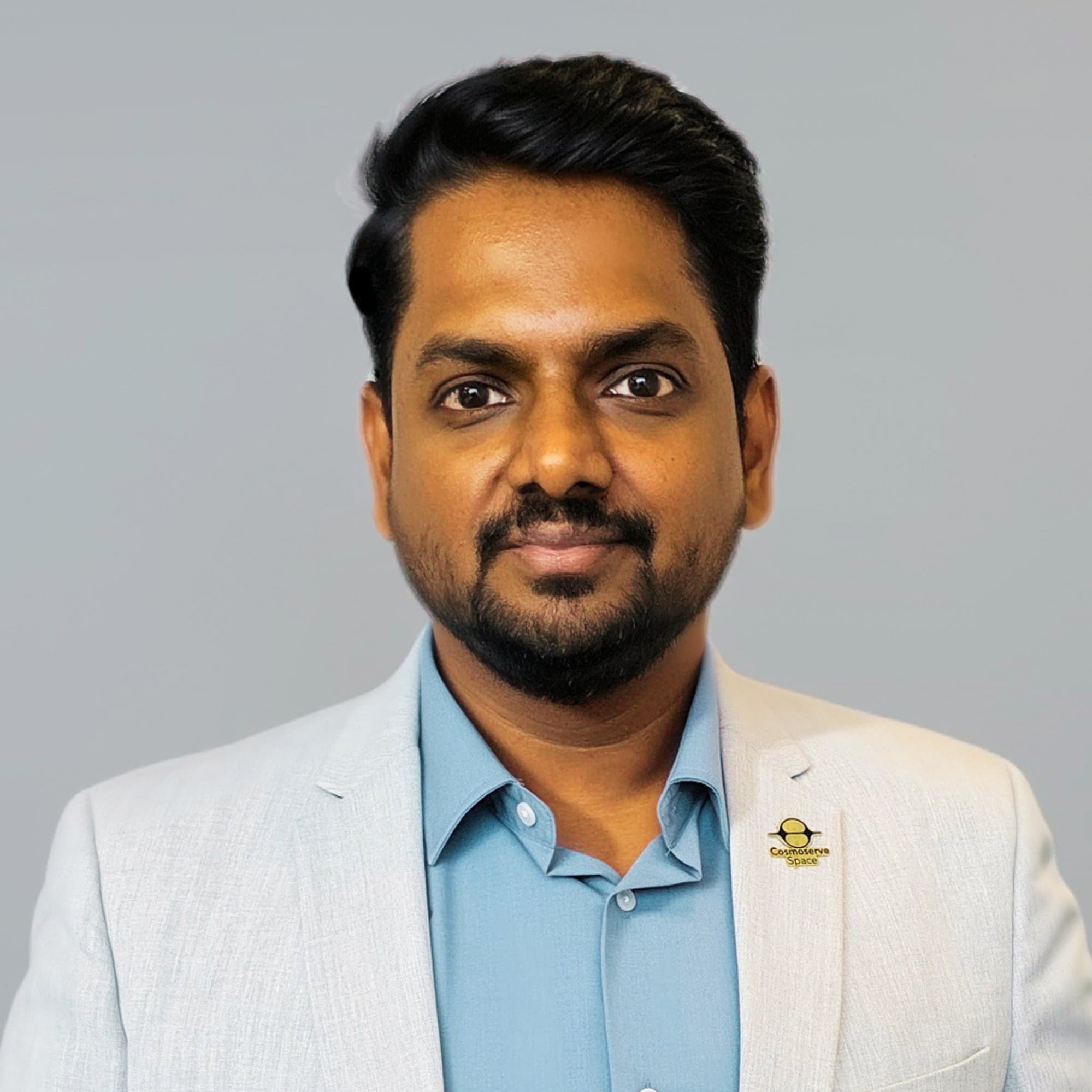
Building the Next Space Economy: Chiranjeevi Phanindra and Cosmoserve's Case for Orbital Maintenance
Chiranjeevi Phanindra, Founder & CEO of Cosmoserve Space, spent 14 years at ISRO working on re-entry and human spaceflight. Today, he is focused on a vital challenge: keeping Earth’s orbit usable.
Read Full Story
Corporate Visionaries
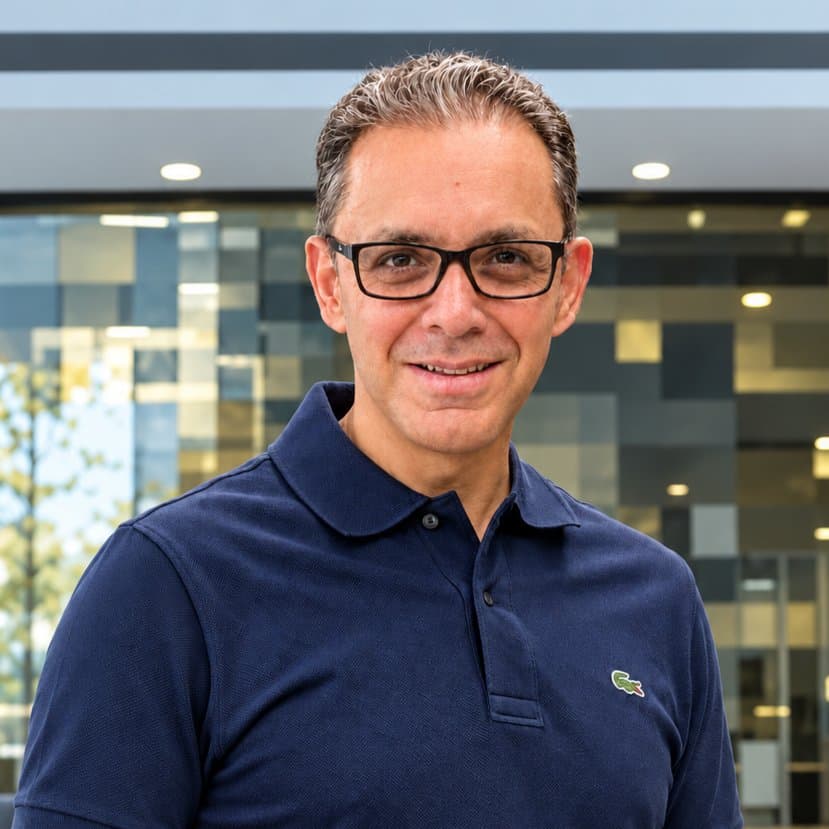
Shashank Sahni on What Success Leaves Out
Shashank Sahni, Google’s Managing Director of Global Ads Solutions, reflects on what customers reveal, what ambitious teams need from their leaders & what the mountains and marathons have taught him about going further.
Read Full Story
Corporate Visionaries
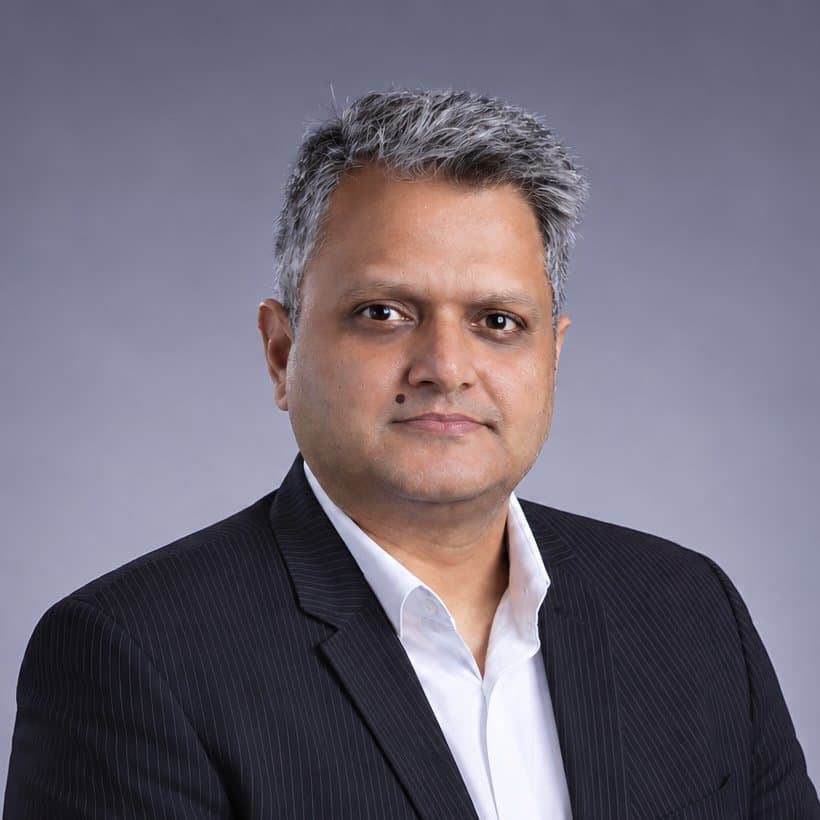
Clinical Multiplication: Divesh Singla on the Healthcare AI Case That Headlines Keep Missing
Divesh Singla, Managing Director, India at Veradigm, brings two decades in healthcare technology to the AI question leaders cannot avoid: how to expand clinical capacity without weakening human judgment.
Read Full Story