Category: Corporate Visionaries
Divya Dewan is redefining career growth through clarity, empathy, and purpose. From India's startup ecosystem to leading career mobility at LHH, she's helping people build intentional, meaningful careers.
From Grit to Gravity: How Divya Dewan Is Rewiring the Talent Conversation
IndiSight Editorial
Jul 24, 2025

Divya Dewan
At a time when visibility is often mistaken for value, Divya Dewan is quietly reshaping how organizations think about careers from within the system, not as a commentator, but as a builder.
Her story doesn’t start in corporate boardrooms. It starts in India, in a home where effort mattered more than entitlement, and showing up without guarantees was just part of life. That early lens of resilience now shapes how she leads.
Today, as Practice Leader for Career Development and Internal Mobility at LHH, the leadership arm of The Adecco Group, Divya works with CHROs and senior leaders across the UK, Europe, and Asia to move people not just across roles, but across purpose and potential.
She’s not in the room for polish. She’s there for pattern recognition and to help companies build talent systems that actually serve the people inside them.
No Pedigree, Just Practice
Raised in a family of entrepreneurs, Divya absorbed early that progress doesn’t always look like growth on a chart, sometimes it’s staying upright while conditions shift underfoot. Her first lessons in leadership weren’t taught; they were witnessed.
As a student, she gravitated toward public speaking, not to impress, but to be heard. She noticed how often ambition was quietly discouraged in women, disguised as protectiveness or realism. These weren’t observations that lingered in frustration. They became hypotheses, and eventually, levers for change.
Scale Taught Her Speed. Friction Taught Her Fit.
Her early career unfolded inside India’s high-pressure startup economy, where she led B2B sales and communications at a fast-scaling enterprise tech firm. It was a frontline education in execution, building teams across cities, managing expectations under stress, and learning to calibrate conviction against daily volatility. But it also surfaced a deeper tension, a sense that while she was delivering on output, she wasn’t necessarily moving the problems she cared about.
“I could have continued chasing revenue,” she reflects, “but I realized I was managing metrics, not meaning.”
That clarity, not dramatic, but deliberate, led her to apply for an MBA at the University of Cambridge, not as an escape, but as a reframe. She wasn’t a typical applicant. She didn’t arrive with a portfolio of global logos. She arrived with systems thinking built in real environments, leading without maps, building without approval, failing without safety nets. She earned both the Forté Fellowship and CJBS Bursary, but the real pivot wasn’t admission. It was what she chose to prioritize next.
Deliberate Trade-Offs, Designed Decisions
At Cambridge, Divya opted out of the expected. She co-chaired the Wo+Men’s Leadership Society, mentored first-generation students, and became Entrepreneur-in-Residence at Cambridge Social Ventures. She co-founded a career pivot platform, and eventually joined LHH, not because it was obvious, but because the work was honest.
But her choices came with cost. She turned down parties, missed informal alliances that are often forged in social circles, and risked losing out on the social capital many quietly rely on. These were not sacrifices made out of fear, but trade-offs made with awareness.
“If I can’t be present the next morning, it’s not worth the evening,” she says. “But that also means knowing what you may lose by choosing presence over popularity.”
Career Strategy Starts with Human Clarity
At LHH, Divya’s focus is not to automate career conversations, it’s to make them real again. She leads programs across transport, financial services, and digital transformation sectors, helping large organizations rewire how they view potential.
“Most people don’t leave for lack of opportunity,” she says. “They leave because no one helped them name what’s next.”
Her design principle is anchored in a simple shift: Don’t start with HR systems. Start with manager behavior.
She trains leaders to ask better questions:
What expectations have drifted unspoken?
What strengths are dormant here?
What would stretch you, not just promote you?
She has helped build internal gig marketplaces, created career coaching protocols, and moved teams from process to purpose, but every solution begins with trust, not tech.
“You can’t software your way through cultural inertia,” she explains. “Transformation begins with emotional literacy, the willingness to see people before managing them.”
Courage Isn’t Optional. It’s the Operating Cost of Growth.
Divya’s sharpest insight may be this: most organizations don’t suffer from a talent problem. They suffer from a courage problem. The unwillingness to confront discomfort, make room for entrepreneurial talent, or allow dissent in the design phase of change, these are what stall mobility.
She leads her own team like a founder. Owns a vertical. Experiments without asking for applause. Resets without ego. Her approach is neither loud nor linear. But it’s consistent.
“If your people can’t see a path inside,” she says, “they’ll create one outside, even if it’s less efficient.”
Reframing Failure. Reconstructing Focus.
Divya doesn’t romanticize failure. But she refuses to deny its value.
Having grown up in systems that reward compliance and validation - gold medals, shortlists, selection - she had to unlearn the idea that rejection equals deficiency.
“You can’t build resilience unless you’ve failed with full awareness. It’s not about bouncing back. It’s about coming back better, with sharper questions.”
She brings that same attention to presence. In a world where multitasking is glorified, she believes the real currency is emotional bandwidth.
“When you’re doing something that matters, whether with your team, your child, or yourself, shut out everything else. You can’t split presence. You either show up or you don’t.”
In a Fortune 500 leadership workshop, she ran a two-hour session using no slides, just three live stories. “Because data makes people think. But stories? Stories make them move.”
Career Literacy as Infrastructure, Not Luxury
Divya is clear: we teach financial math, but never career math. And that’s a design failure.
She believes career ownership should be introduced long before the workplace. Not with psychometric tests at 21, but with curiosity, reflection, and trial at 10.
“When we wait to talk about careers until someone’s already inside the system, we’re not guiding them. We’re reprogramming them.”
Career design, she argues, is not a privilege. It’s a public good.
And it’s time we treated it like one.
She’s Not Climbing the Ladder. She’s Rebuilding the Staircase.
Divya Dewan isn’t waiting for influence to be handed down. She’s designing structures that give others the space to step forward. Not just high-performers, but those whose ambition has yet to be decoded by corporate systems.
Her impact won’t be visible on billboards. It will be visible in the quiet calibration of career conversations that didn’t happen before she walked into the room.
In an age of digital acceleration and talent fatigue, her value proposition is enduring:
Not faster frameworks.
Just better questions.
And the emotional clarity to ask them before it’s too late.
Practice Points: For Builders Without Blueprints
Lead with thought, not title. Your perspective is often more valuable than your past.
Design your day with intent. Trade-offs are inevitable. Make them visible.
Don’t multitask meaning. Give your full presence to what you say matters.
Fail forward. But reflect before resetting. Awareness is what turns failure into data.
Start before the system tells you you’re ready. It’s not waiting for you. Stop waiting for it.
Our Suggestions to Read
Discover The Leaders Shaping India's Business Landscape.
Founders & Innovators
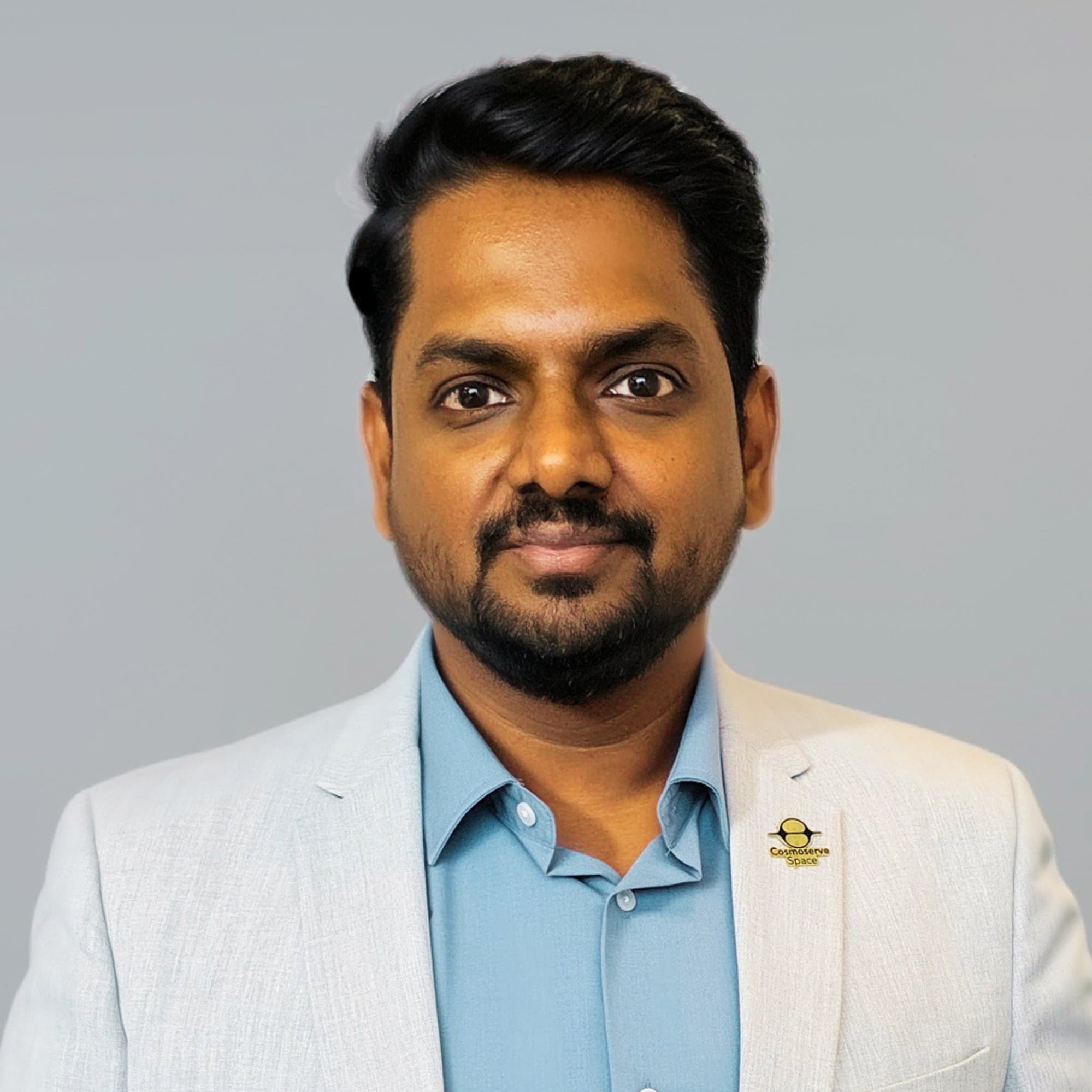
Building the Next Space Economy: Chiranjeevi Phanindra and Cosmoserve's Case for Orbital Maintenance
Chiranjeevi Phanindra, Founder & CEO of Cosmoserve Space, spent 14 years at ISRO working on re-entry and human spaceflight. Today, he is focused on a vital challenge: keeping Earth’s orbit usable.
Read Full Story
Corporate Visionaries
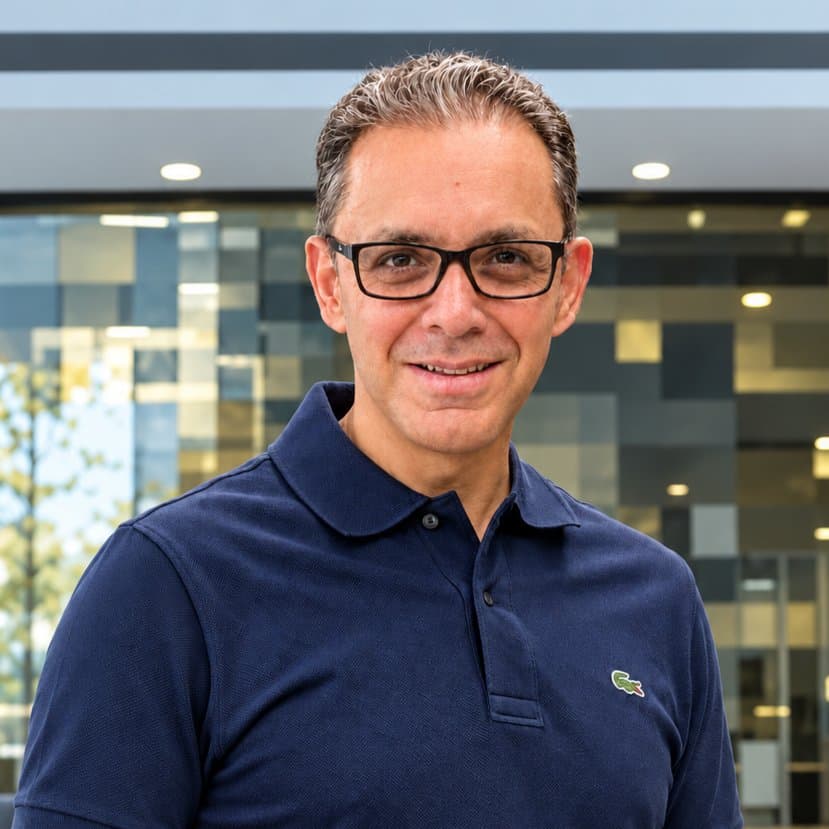
Shashank Sahni on What Success Leaves Out
Shashank Sahni, Google’s Managing Director of Global Ads Solutions, reflects on what customers reveal, what ambitious teams need from their leaders & what the mountains and marathons have taught him about going further.
Read Full Story
Corporate Visionaries
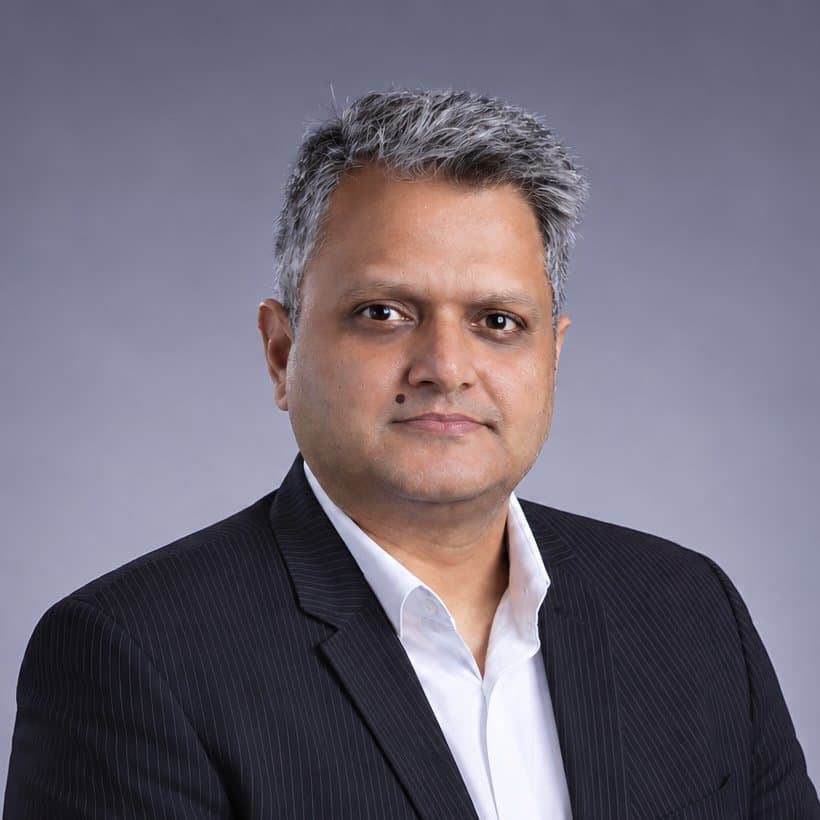
Clinical Multiplication: Divesh Singla on the Healthcare AI Case That Headlines Keep Missing
Divesh Singla, Managing Director, India at Veradigm, brings two decades in healthcare technology to the AI question leaders cannot avoid: how to expand clinical capacity without weakening human judgment.
Read Full Story