Category: Founders & Innovators
V. Vidyasagar’s journey reflects how Indian enterprise matured from permission to performance. Beginning in an era of scarcity, he transformed manufacturing into a discipline of trust, precision, and ethical strength. His philosophy views leadership as design and reliability as the ultimate currency of progress. Across decades, he has shown that the true measure of success lies not in expansion but in building systems that earn confidence within teams, markets, and nations.
The Precision Mind: How V. Vidyasagar Redefined Indian Manufacturing
IndiSight Editorial
Feb 5, 2026
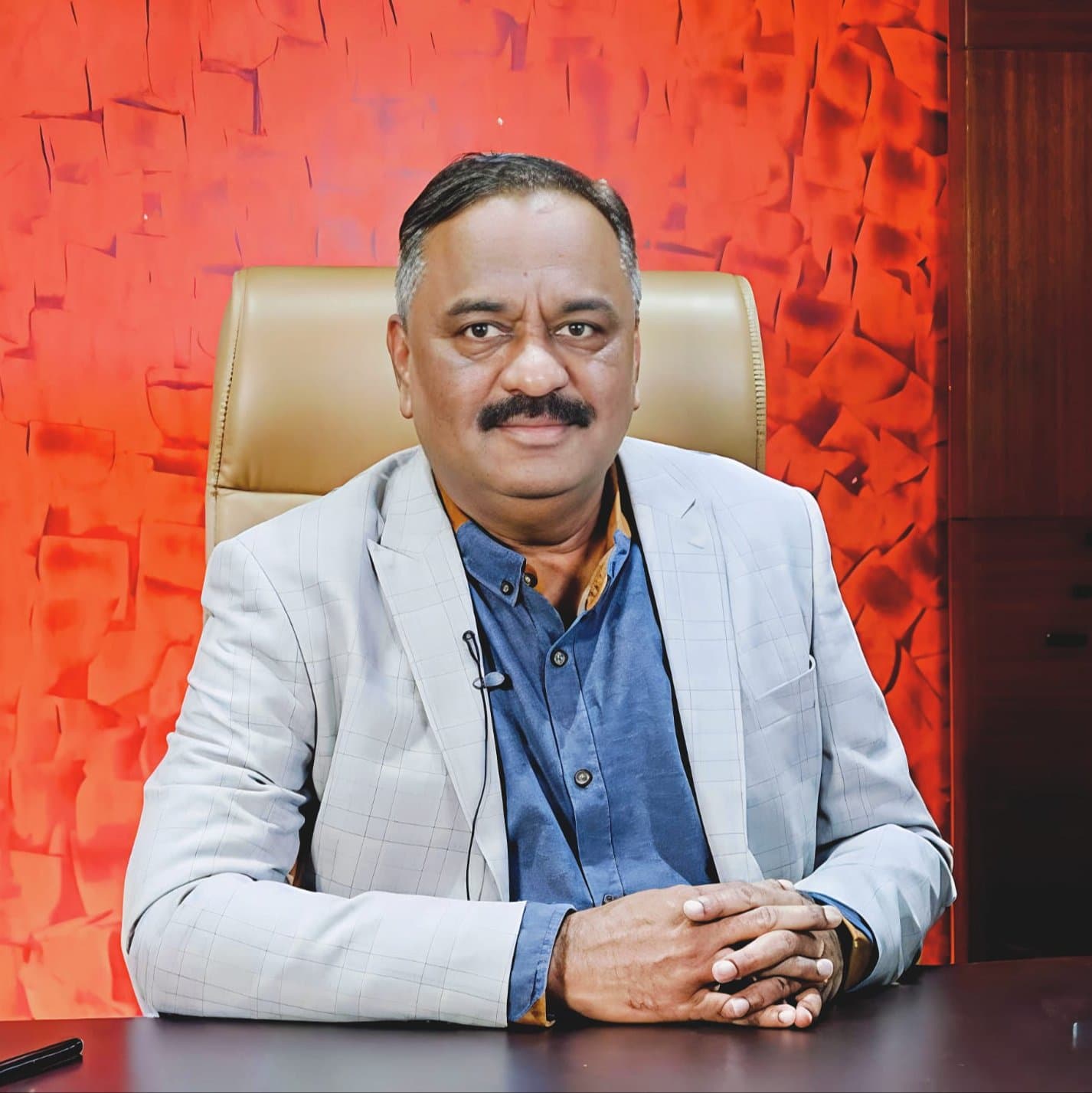
V. Vidyasagar
Chairman and Managing Director · Sagar Asia Pvt Ltd
Hyderabad
It is easy to start a company in India today. Capital moves fast, policy is predictable, and ideas can reach markets within months. The ecosystem rewards speed.
Four decades ago, it punished it.
In the 1980s, entrepreneurship was not aspiration; it was endurance. The state decided what could be built, what could be imported, and even how much could be produced. Credit was scarce, and success often depended on who you could convince, not what you could create.
That was the world where V. Vidyasagar began. He chose to start a manufacturing venture when licenses outnumbered ideas and when failure was social, not financial. He picked aluminum, a material few trusted, over the comfort of imitation. India saw steel as strength; he saw lightness as the future.
“When I applied for my first license,” he recalls, “it was rejected while 150 others were approved. I spent a year convincing officials why it mattered.”
Those years taught him that progress in a restrictive system was not driven by defiance but by discipline. Each obstacle demanded precision. What began as survival became a lifetime pursuit of consistency.
The Early Discipline
Vidyasagar grew up with an uncomplicated lesson: work every day with the same focus, even when no one is watching. “My father never talked about strategy,” he says. “He showed me how to keep going.”
That steadiness became his way of operating. When the environment moved slowly, showing up became an advantage. “I learned to trust the process more than momentum,” he says. “Markets can reward quick wins, but institutions need continuity.”
He built slowly, one relationship at a time, because trust moved faster than capital.
In uncertain times, your reputation is your security.
He avoided diversifying for the sake of ambition and focused instead on mastering one domain. “I wanted to be known for one thing done exceptionally well,” he says. “Depth is safer than size.”
Learning Under Constraint
For most in that era, bureaucracy was a roadblock. For him, it became his classroom. “In those days, you had to learn how to wait,” he says. “Progress often came to the one who stayed steady the longest.”
The system taught him how to read people as much as policies. He realized that decisions were shaped less by rules and more by trust. Once credibility was earned, barriers softened. “People may not agree with you,” he says, “but they will respect how you work.”
Those years changed his understanding of risk. The real danger was not competition; it was losing patience. “When you rush out of frustration, you stop leading,” he says.
By the time India liberalized in 1991, Vidyasagar was ready for a freer market. “We didn’t need reform to teach us responsibility,” he says. “Scarcity had already done that.”
The Aluminum Bet
Every generation of industry has a material that defines it. For post-liberalization India, that material was aluminum: light, strong, and vital to modern infrastructure and energy.
While most manufacturers focused on steel and cement, Vidyasagar placed his bet on aluminum. The choice required belief more than evidence. There was no demand, no proven market, and limited access to technology. But he sensed what the future would require: lighter, safer, smarter materials.
That belief led to global collaborations that would shape Indian manufacturing. In 1998, he partnered with Werner Ladder Company in the United States, followed by Zarges and Hailo in Germany and Little Giant in the United Kingdom. Each alliance brought not just machines but methods. “Werner taught us that manufacturing is an attitude,” he says. “Safety is not compliance; it is responsibility.”
Those partnerships helped transform a modest Indian company into a global supplier for sectors where reliability means survival.
If a product’s failure can cost a life, you stop thinking about deadlines and start thinking about consequences.
In a market filled with cheaper imports, his company competed on certification. Every product met international standards, often exceeding local ones. “Quality is invisible until something fails,” he says. “We wanted to be trusted even when nobody is checking.”
Leadership as Design
Vidyasagar sees leadership as design, not control. “You can’t own a company,” he says. “You can only build it well enough that it works without you.”
He calls his method structured freedom: independence within a shared discipline. Everyone at Sagar Asia understands the goal, the process, and the outcome. “When people know why something matters,” he says, “you don’t need to supervise how they do it.”
He balances autonomy with accountability. Systems are built so that feedback is natural, not forced.
Good design prevents confusion before it creates conflict.
To him, culture is not slogans but systems. Safety checks, audits, and reviews are not paperwork; they are respect in action. “You build reliability when you refuse to fail people,” he says.
Integrity, for him, is practical. “You can correct a mistake in skill,” he says. “You cannot correct a mistake in intent.”
That belief guides how he deals with partners, employees, and institutions. “Money can be borrowed,” he says. “Credibility must be earned.”
The Test
Every lasting company faces a defining test. For Vidyasagar, it came during the 2008-09 global downturn. Orders from Europe stopped overnight, and cash flow vanished.
“We had two choices,” he says. “Cut people or protect capability.”
He chose the latter. Senior management took pay cuts; he took none. Instead of downsizing, he used the slowdown to retrain workers. “When markets froze, we improved,” he says. “That became our advantage.”
By the time global demand returned, Sagar Asia was the only certified supplier at full capacity. Competitors who had cut staff struggled to recover. “That’s when I understood the difference between survival and resilience,” he says. “Survival is about cutting losses. Resilience is about keeping strength.”
The crisis became a company tradition, a reminder that consistency is the best protection against uncertainty.
The Future of Competence
Vidyasagar has lived through every phase of India’s industrial story: control, reform, competition, and globalization. Each era rewarded a different skill: patience, efficiency, adaptability, and now reliability.
Self-reliance is not isolation. It is competence that attracts partnership.
He believes the next two decades will test countries not on capacity but on dependability. “The world will buy from those it can rely on,” he says. “Trust will define trade.”
His framework for industrial maturity rests on three ideas:
Design that moves from imitation to innovation.
Discipline that makes quality a habit.
Dignity that gives meaning to work.
He views technology as an amplifier, not a replacement. “Automation can increase speed,” he says. “Only discipline guarantees dependability.”
He sees India’s advantage not in low cost but in reliability. “Germany built quality. Japan built culture. China built scale,” he says. “India can build confidence.”
That, to him, is real self-reliance: quiet competence without the need for validation.
The Inner Lens
For someone whose products lift others higher, Vidyasagar has spent a lifetime learning the art of balance. Leadership, in his view, is not about authority but steadiness. The real test of an organization is not its size but how it behaves when pressure builds.
He believes composure is a leader’s most valuable asset. When uncertainty rises, people draw confidence not from data but from the consistency of those who lead them. Teams often borrow belief from the person who stays centered when everything else moves. Calm, he says, is not temperament; it is discipline.
Over time, his view of ambition has changed. Early in life, success was about building and accumulating. With experience, it became about continuity, about creating something that remains useful and trusted long after applause fades.
He often speaks about the fatigue that follows long success. The higher one climbs, the heavier achievements begin to feel. To remain centered, he returns to the original intent that made him begin.
You build best when you remember why you started.
Reflection, for him, is a practical act, not nostalgia. Just as machines need recalibration, leaders must step back to recover focus. In his eyes, growth depends less on drive and more on correction, on knowing when to pause, observe, and adjust.
Humility, to him, is intelligence at work. It is the ability to listen before judging and to invite disagreement without losing conviction. He believes strong leaders do not seek to be right more often; they seek to discover truth faster. The real measure of leadership, he says, is how quickly you can turn insight into action without letting ego interfere.
Trust as India’s Global Identity
Vidyasagar belongs to a generation that built before India was ready for builders. For him, globalization was not an idea; it was negotiation. Contracts were won one handshake at a time.
“The world already knows India can produce,” he says. “The question is, can it promise?”
He believes India’s next global edge will come from reliability. “Trade routes are turning into trust routes,” he says. “The nations that keep their word every time will lead the next era.”
To him, trust is not emotion; it is infrastructure. It links intent to performance.
You cannot advertise your way to credibility. You earn it in every transaction.
He often refers to Japan, Germany, and South Korea, countries that turned reliability into identity. “Their products became symbols of integrity,” he says. “That is where India must aim.”
He believes the future will belong not to the fastest nations but to the most dependable.
Leadership Lessons
Credibility is real capital. It grows slower than money but lasts longer.
Design for independence. A company that cannot run without you is incomplete.
Structure enables freedom. Order does not limit creativity; it supports it.
Integrity pays interest. It costs early but multiplies later.
Self-reliance starts with competence. Confidence is earned through skill.
Resilience is not reaction. It is the ability to stay steady under stress.
Respect drives performance. People do better when trusted, not managed.
Durability is real growth. Expansion matters only if systems can sustain it.
Listening builds wisdom. Leaders who listen decide better.
Reliability defines reputation. The world buys assurance, not discount.
Closing Reflection
Vidyasagar has spent over forty years proving that success built to last demands patience and purpose. Scale can be created; steadiness must be earned.
He speaks of legacy as duty, not sentiment. “The future should remember us,” he says, “for how we built, not just what we built.”
Markets may shift, but trust endures. His life’s work rests on a single idea that outlives business cycles: faith in responsibility and reliability as the foundation of progress.
“When the noise fades and history looks back,” he says, “I hope it reflects one thing: belief in integrity and the idea that Indian enterprise can earn global trust through consistency, not claim.”
Our Suggestions to Read
Discover The Leaders Shaping India's Business Landscape.
Founders & Innovators
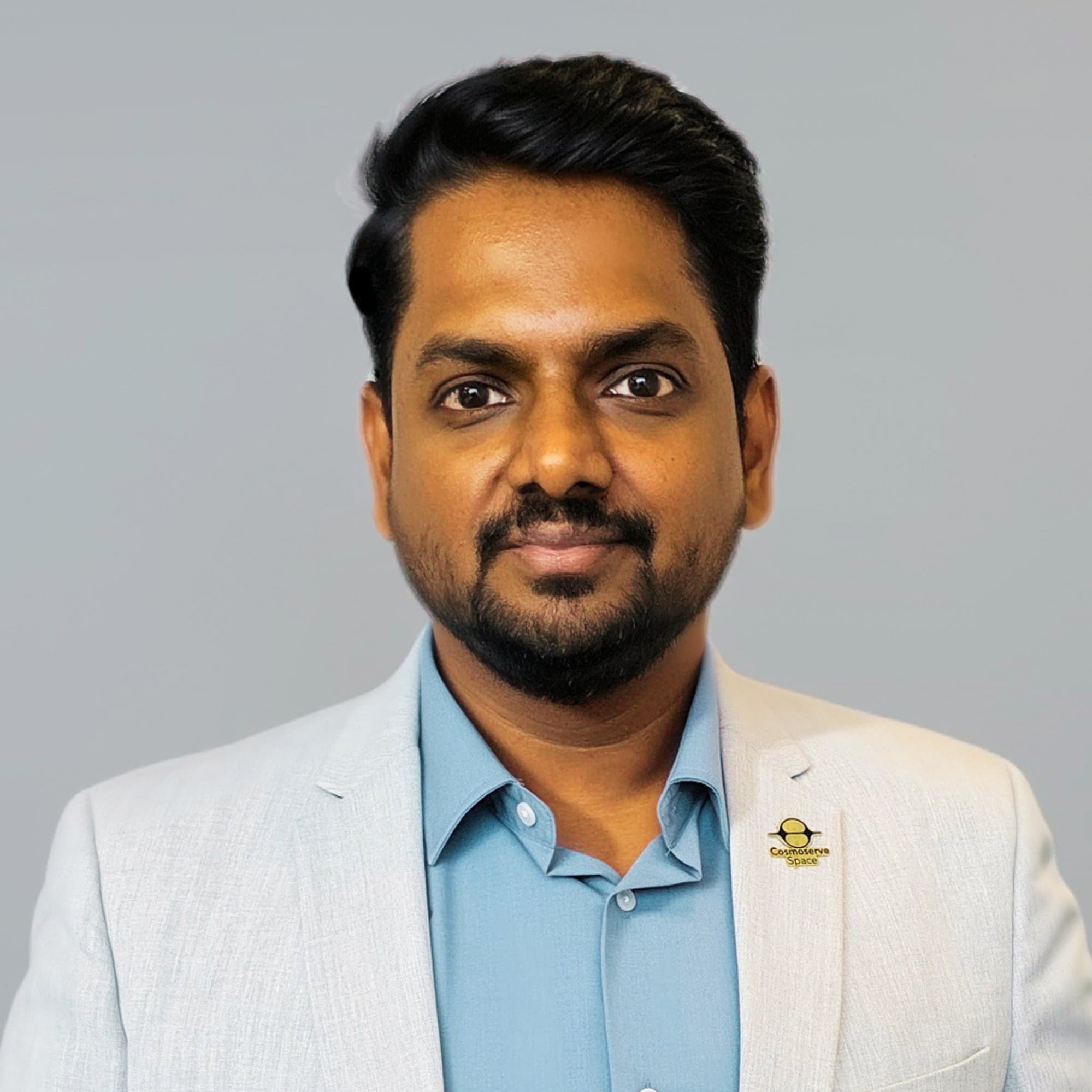
Building the Next Space Economy: Chiranjeevi Phanindra and Cosmoserve's Case for Orbital Maintenance
Chiranjeevi Phanindra, Founder & CEO of Cosmoserve Space, spent 14 years at ISRO working on re-entry and human spaceflight. Today, he is focused on a vital challenge: keeping Earth’s orbit usable.
Read Full Story
Corporate Visionaries
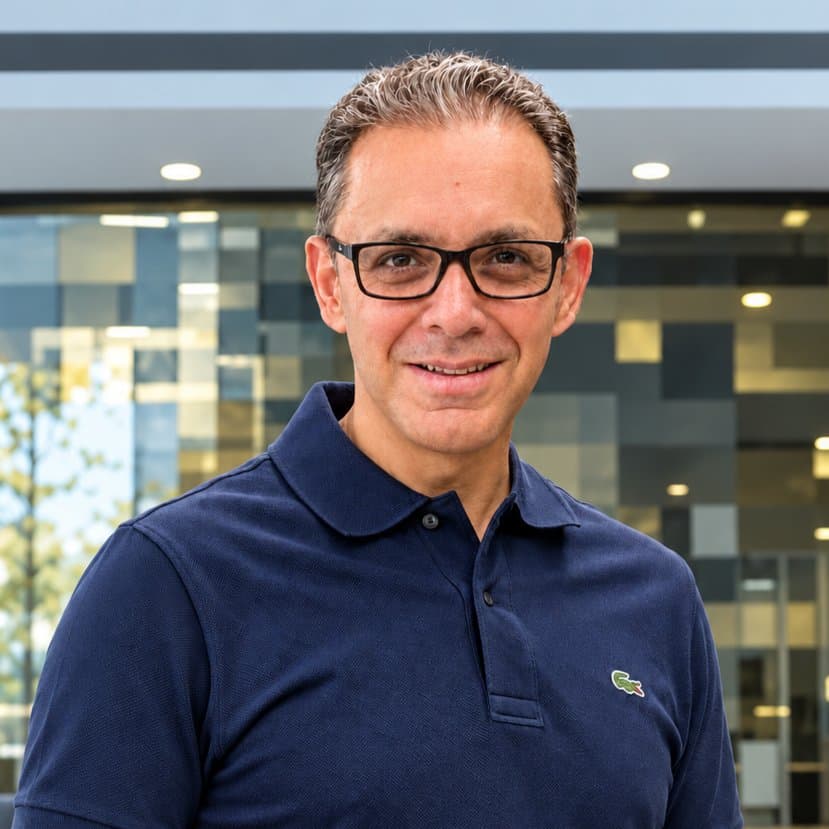
Shashank Sahni on What Success Leaves Out
Shashank Sahni, Google’s Managing Director of Global Ads Solutions, reflects on what customers reveal, what ambitious teams need from their leaders & what the mountains and marathons have taught him about going further.
Read Full Story
Corporate Visionaries
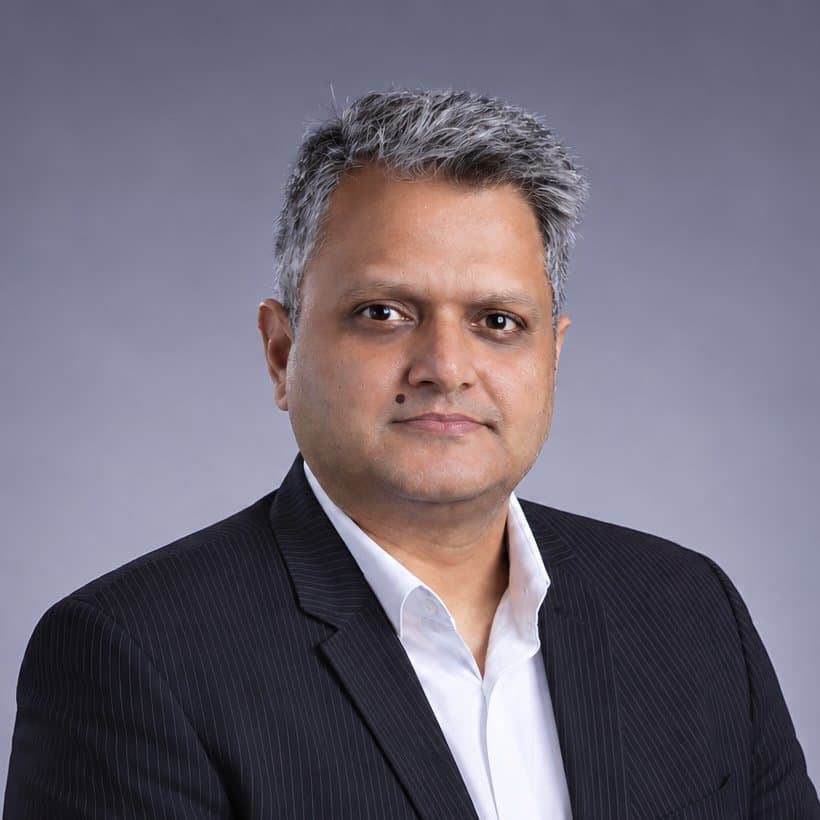
Clinical Multiplication: Divesh Singla on the Healthcare AI Case That Headlines Keep Missing
Divesh Singla, Managing Director, India at Veradigm, brings two decades in healthcare technology to the AI question leaders cannot avoid: how to expand clinical capacity without weakening human judgment.
Read Full Story