Category: Corporate Visionaries
Every market cycle creates opportunity, but only a few leaders turn volatility into vision. In this IndiSight feature, Suresh Shukla, Chief Business Officer at SBI Securities, reflects on three decades in Indian finance to explore what truly drives sustainable investing: institutions built on trust, technology guided by purpose, and growth anchored in responsibility.
Translating Legacy into Velocity: How Suresh Shukla Is Reimagining Indian Investing for the World
IndiSight Editorial
Dec 17, 2025
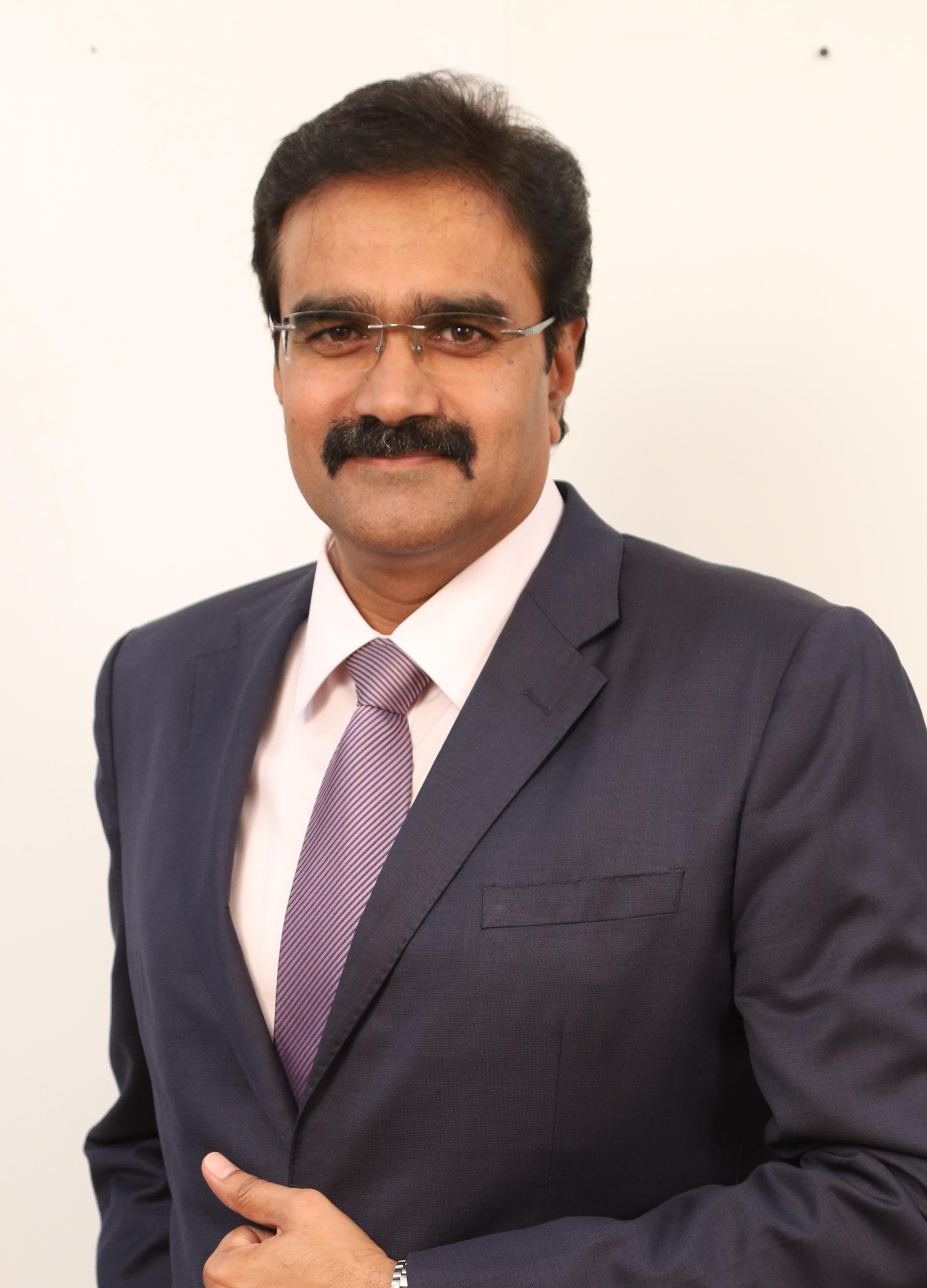
Suresh Shukla
Chief Business Officer · SBI Securities
Mumbai
The Maturity Gap in India’s Investing Boom
India’s investment market has never looked more dynamic. Over the last few years, tens of millions of citizens have opened demat accounts, and trading volumes have hit records. Digital onboarding has made investing as simple as downloading an app. The country’s middle class, armed with smartphones and optimism, is entering the market in numbers unimaginable a decade ago.
Yet beneath the energy lies a quieter imbalance. Access has grown faster than understanding. Many first-time investors trade often but learn little about risk, compounding, or patience. Short-term speculation continues to eclipse long-term wealth creation. The data is clear: while participation soars, investor retention remains thin.
India’s financial inclusion story, remarkable in reach, still needs depth. The pipes and platforms are in place, but the habits and frameworks that sustain participation in education, trust, and governance lag behind. Barely eight percent of Indians invest in equities. Expanding that base is crucial, but even more critical is building investors who think long, act responsibly, and see markets as vehicles for progress rather than quick reward.
It is in this landscape that Suresh Shukla, Chief Business Officer at SBI Securities, has shaped his philosophy. Over three decades he has lived through every major market cycle, from the fragile optimism of the 1990s to the hyper-digital present. His outlook blends caution with conviction. He has seen what markets create in their best moments and what they destroy when discipline fades.
The Market Builder
Suresh’s professional life began in 1996 with Kotak Securities, at a time when Indian capital markets were still in their adolescence. Regional exchanges dominated, information moved slowly, and compliance was a paper-based maze. Over twenty-seven years at Kotak, he watched the market evolve from open-outcry trading to algorithmic precision, from small brokerage floors to a digital ecosystem serving millions.
The late 1990s were a crash course in excess. The IT bubble lifted valuations beyond reason and then crushed them in months. Suresh was young, ambitious, and running operations through that turbulence. The experience hardened his instinct for proportion.
If you don’t see both extremes early, you never learn balance.
That early volatility became his first teacher. He learned that compliance is not bureaucracy; it is protection. Risk controls are not barriers; they are the seat belts of a market moving at high speed. In his eyes, governance separates a company that grows from one that lasts.
By the time he left Kotak as a senior leader, he had internalized a principle that now guides his work at SBI Securities: progress matters only when credibility keeps pace.
At SBI Securities, which he joined in 2023, the mandate is clear: modernize one of India’s most trusted financial institutions without diluting its core identity. The company’s legacy, built on decades of public confidence, is both a privilege and a responsibility. Under his watch, digital onboarding has scaled sharply, customer journeys are increasingly automated, and the platform continues to expand its investor base month after month.
Technology for Suresh is not a race. He insists that transformation should strengthen governance, not trade it for convenience. Modernization, he says, is meaningful only when innovation reinforces reliability. Growth, to him, must move at the pace of responsibility.
Leadership as Conditioning
Ask Suresh what leadership in financial services demands, and he answers without flourish: conditioning. Markets test temperament more than intellect. “Confidence helps,” he says, “but composure decides outcomes.”
His education as a leader came through crisis, not comfort. The IT crash, the 2008 global meltdown, the Covid shock, each forced him to examine how institutions behave under stress. The winners were rarely the loudest or fastest. They were the ones that respected process, valued restraint, and treated risk as real.
You can’t drive discipline through manuals. You drive it through behavior people see and trust.
That conviction shaped his management style. At Kotak and now at SBI Securities, strategy is collective. He prefers co-creation to command. When teams participate in design, they defend the outcome with conviction. He encourages disagreement, believing it sharpens alignment more than polite consensus ever could.
Inside SBI Securities, this culture shows up in the way risk, technology, and business teams interact. Meetings stretch, debates happen, and questions are welcomed. Suresh often says that the quality of discussion in a room tells you more about an organization’s health than any dashboard metric.
He is not a visible leader in the flamboyant sense. Colleagues describe him as calm, precise, sometimes understated. He measures leadership by consistency, by how steady the system stays when the leader steps out.
Redefining Scale in the Age of Velocity
The current phase of India’s capital markets is exciting. Participation is widening quickly, but financial literacy trails behind. Technology races ahead of temperament. Suresh calls this duality the “velocity gap,” a mismatch between the market’s speed and its participants’ maturity.
He sees today’s retail surge as historically significant: millions of Indians investing not only in companies but in the idea of self-determination. Still, he warns that inclusion begins with access but matures only with understanding. If curiosity doesn’t turn into conviction, participation stays shallow.
“Digital scale matters,” he says. “Sustainable scale is what earns legitimacy.”
In his view, digital systems are not destinations. They are instruments that can embed discipline into daily behavior if designed with intent. The real test of innovation is not convenience but consistency: how predictably a process performs when conditions turn rough.
India, he argues, is at a unique advantage. Unlike many markets that grew through speculative cycles, India is building retail participation atop a strong regulatory and banking base. Its growth model prizes stability over speed, and that restraint may prove its long-term differentiator.
For Suresh, the next decade will belong to firms that align agility with integrity. Those that can scale without losing trust will not only lead India’s investing landscape but could offer a blueprint for the world.
Responsible Inclusion
Suresh’s outlook on the future of investing comes down to a simple thesis: markets progress when participation matures. The next stage of financial evolution, he believes, depends less on product innovation and more on investor education.
He is candid about the gap. Access has improved exponentially; understanding has not. “Technology can open the door,” he says, “but education decides who walks through responsibly.”
That belief guides his approach to both technology and behavior. Fintech has made trading frictionless, but it has also amplified impulsive decision-making. In his view, true innovation is not acceleration but awareness, designing tools that encourage thought before action.
Artificial intelligence and automation will continue to reshape financial services, but he resists the notion that they can replace judgment. “AI can personalize risk,” he says, “but it cannot replace responsibility.”
He often returns to a broader point: India’s market ecosystem with its infrastructure, regulation, and participation is finally converging. The next leap forward will belong to institutions that grow with discipline, investors who practice restraint, and systems that enforce accountability from within. The real maturity test for any market, he says, is not how fast it expands but how responsibly it behaves when volatility arrives.
Composure as Competitive Advantage
For Suresh, leadership in finance is fundamentally about temperament. Intelligence drives innovation; composure keeps it sustainable. The most valuable leaders, he says, are those who remain slightly slower than the market, just enough to think while others react.
Markets will always move faster than people want them to. The question is whether leaders can stay slower than the market without losing relevance.
That philosophy shapes how he manages. He listens more than he speaks, encourages collaboration before instruction, and treats debate as a form of respect. His meetings are rarely short but often decisive. Colleagues note that he prefers reasoning over directives; once a decision is made, execution follows smoothly.
He views leadership as quiet endurance, the ability to stay balanced when pressure mounts from every direction. In an industry addicted to speed and visibility, he continues to bet on steadiness and substance. For him, influence is not a measure of how many people follow but how responsibly they act when no one is watching.
Building a Responsible Market Democracy
Suresh believes that the future of finance will be shaped not by the next technology wave or regulatory tweak but by the ability of institutions to scale trust. Nations and companies that treat credibility as infrastructure will lead the new financial order.
He sees India at a pivotal moment. Its market is expanding faster than any other major economy, yet its true opportunity lies beyond numbers. India could become the world’s first disciplined democracy of capital, a place where mass participation coexists with accountability.
The real measure of maturity in a market is not how much capital it attracts, but how it behaves when that capital is tested.
Governance, in his mind, is no longer a compliance function but a competitive edge. In a world where information travels instantly and scrutiny never sleeps, transparency is not virtue; it is strategy. Institutions that operationalize integrity, rather than advertise it, will define the future of global finance.
He extends that argument beyond systems to culture. Technology can make organizations efficient, but only people make them ethical. The coming era, he predicts, will test moral intelligence as much as machine intelligence. Leaders who understand both will build companies that last.
His optimism about India’s role is pragmatic, not sentimental. The country’s financial sector can set global standards not by copying existing models but by crafting its own, growth that is ambitious yet measured, expansion that values principles as much as profit.
For him, this is not simply an economic vision; it is a leadership ideal. The next generation of founders and policymakers must treat trust as tangible infrastructure. When integrity becomes scalable, prosperity becomes sustainable. That, he says, is the legacy worth leaving.
Lessons for the Next Generation of Leaders
Speed without discipline is fragility. Growth that outruns governance collapses under its own weight. Great leaders know when to accelerate and when to pause.
Trust is a business model. Technology creates efficiency; credibility sustains it. Every transaction tests integrity.
Listen before you lead. Debate is not dissent; it is design. Organizations evolve fastest when ideas circulate freely.
Resilience is built in silence. Real strength comes from staying steady when visibility fades.
Co-creation beats control. Teams that help design the plan protect it with conviction.
Transparency is strategy. Governance is not a checklist; it is the currency of global competitiveness.
Financial literacy is nation-building. Teaching citizens to invest is teaching them to participate in progress.
Culture is the invisible balance sheet. Markets measure profit; people measure belonging. Leaders who understand both create institutions that last.
Ethics scale better than algorithms. Technology can optimize; only values can humanize.
Leadership is what remains when authority is gone. The clearest sign of impact is how people act when they are trusted, not supervised.
Reflection
Suresh often says that markets are mirrors. They reflect not just prices but priorities. In that reflection he sees India’s chance to model a better capitalism, one that blends conscience with competition.
He knows volatility will return, as it always has. Yet he is confident that systems grounded in trust can outlast any storm. The next decade of investing, he says, will reward those who treat finance as a tool for participation, not privilege, and who remember that transparency is power while integrity is scale.
When trust compounds, value takes care of itself.
That single idea captures the essence of his philosophy and perhaps the hope of a generation: that leadership, like markets, proves its worth not in moments of calm but in how it earns belief, one decision at a time.
Our Suggestions to Read
Discover The Leaders Shaping India's Business Landscape.
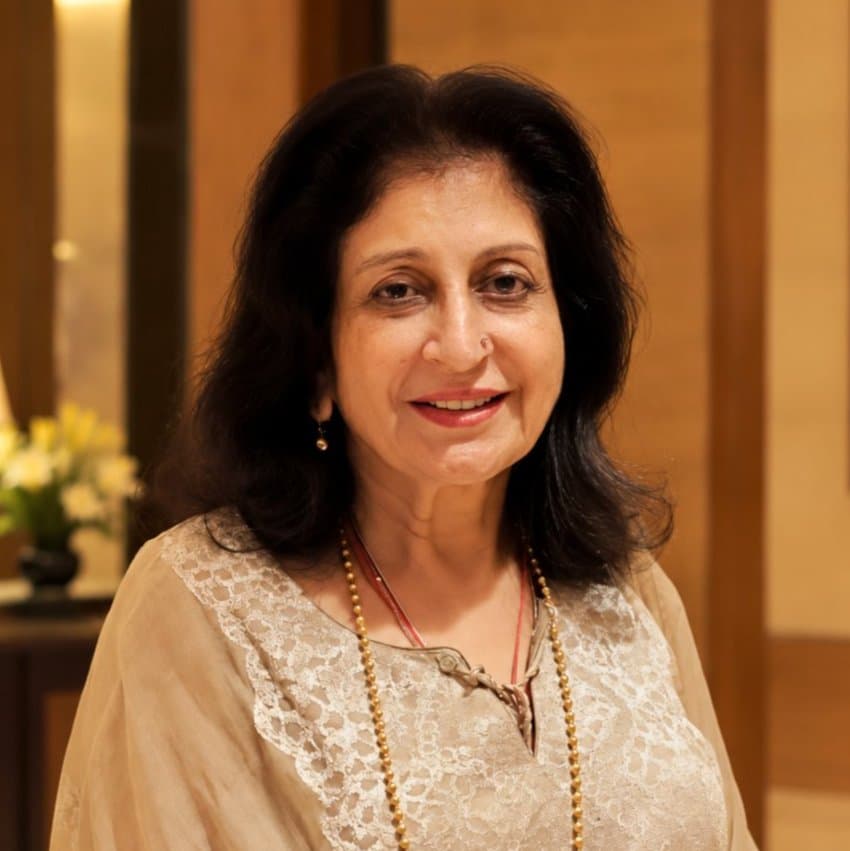
Education Leadership
The Human Advantage: Anu Monga on What Schools Must Still Create
Drawing on decades of leadership in international schools and education, Anu Monga reflects on what institutions must continue to create in a world where knowledge is increasingly accessible and shaped by technology.
Read Full Story
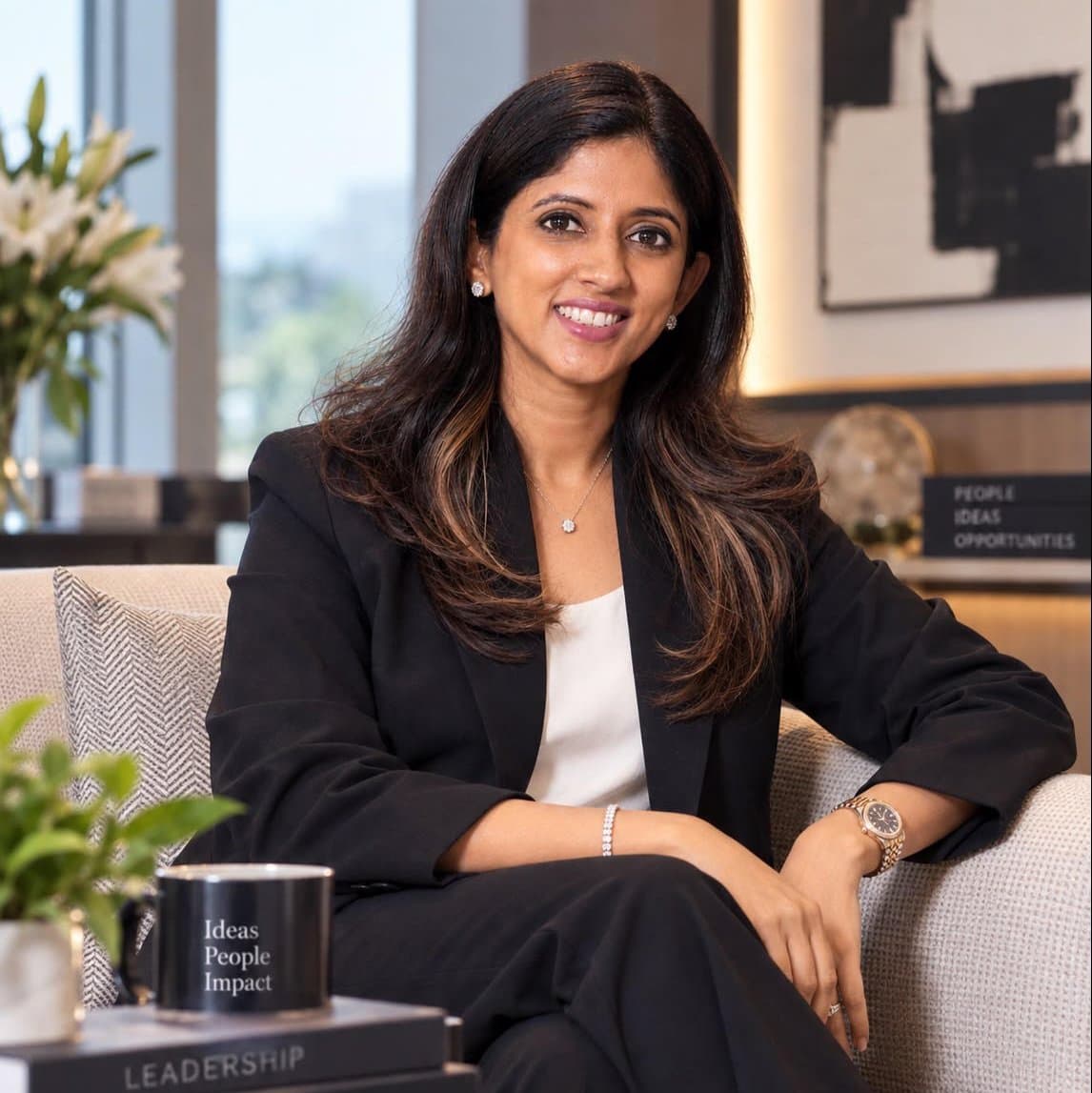
Investors & Catalysts
From Millet to Method: Rasika Prashant on Building What Consumers Return To
Rasika Prashant, CEO of NSRCEL at IIM Bangalore and Co-founder of Soulfull (later aquired by Tata Consumer Products) on consumer trust, category creation, Indian brands, and the founder discipline required after belief.
Read Full Story
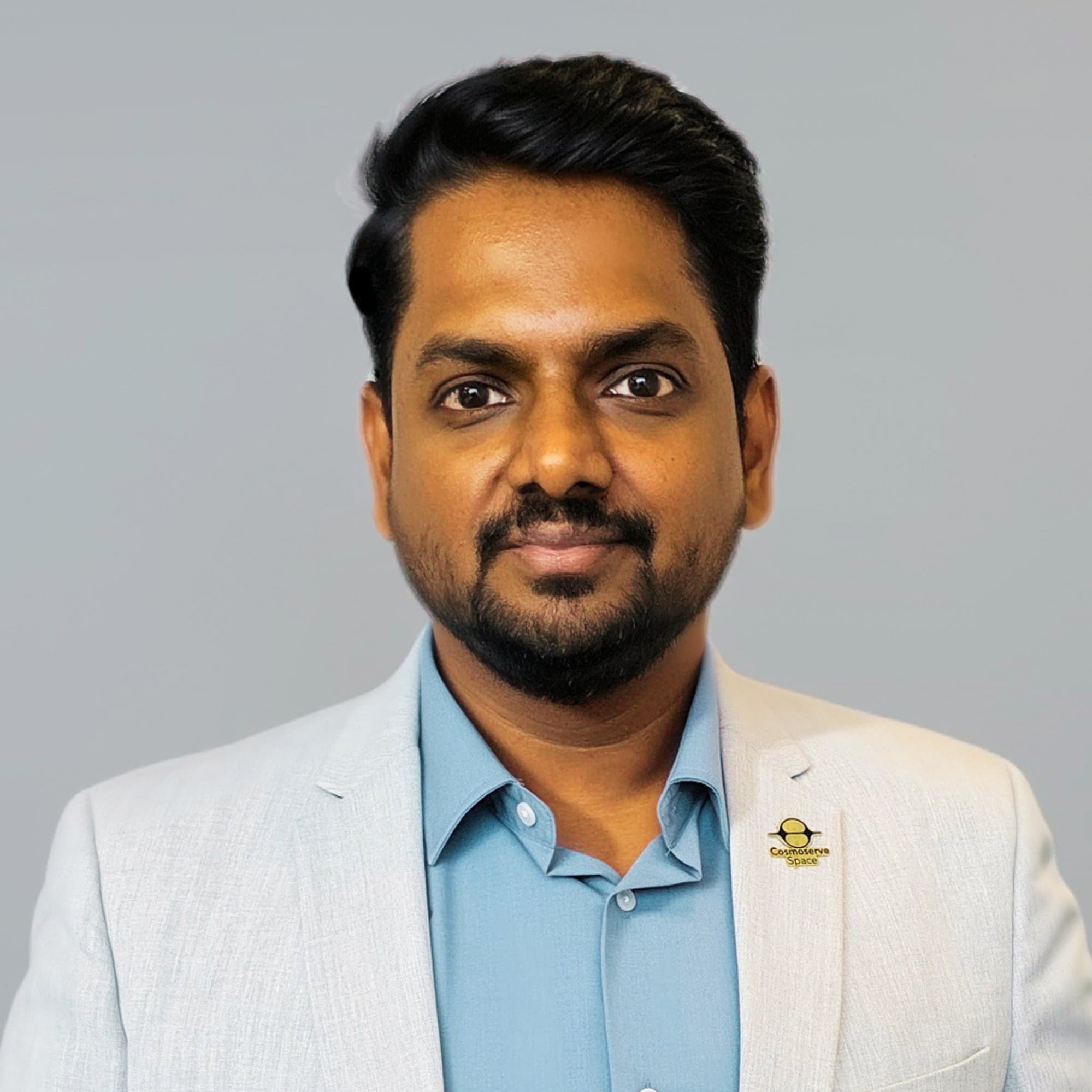
Founders & Innovators
Building the Next Space Economy: Chiranjeevi Phanindra and Cosmoserve's Case for Orbital Maintenance
Chiranjeevi Phanindra, Founder & CEO of Cosmoserve Space, spent 14 years at ISRO working on re-entry and human spaceflight. Today, he is focused on a vital challenge: keeping Earth’s orbit usable.
Read Full Story