Category: Founders & Innovators
Sreepriya N S, Co-Founder and CEO of Entrust Family Office, operates where wealth becomes too complex for investment advice alone. As Indian families navigate liquidity, global lives, succession and a more involved next generation, her perspective reveals how systems, access and institutional memory help carry capital, intent and responsibility across generations.
Sreepriya N S: Building the Institutions India's New Wealth Will Need
IndiSight Editorial
Jul 6, 2026
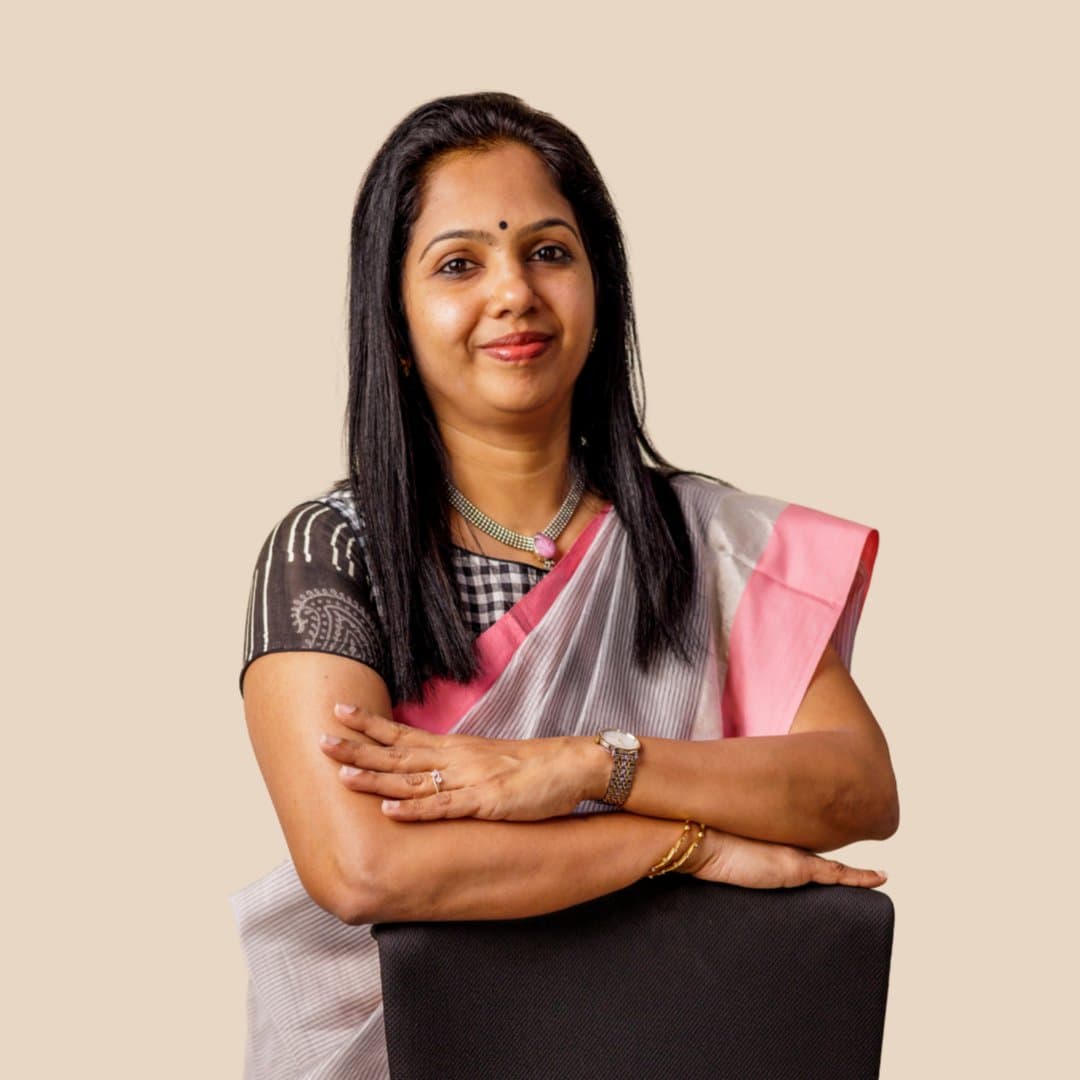
Sreepriya N S
Co-Founder & CEO · Entrust Family Office
Bengaluru/India
A family may create wealth through risk, timing, control and conviction. Carrying it across generations demands a different discipline.
The difficulty begins when financial success becomes too complex for one person to hold together. Businesses expand. Assets multiply. Children build lives across countries. Advisers enter the picture, ownership becomes dispersed and crucial decisions continue to live inside the founder’s memory.
Sreepriya N S has built her work around that transition.
As Co-Founder and CEO of Entrust Family Office, she works with families at the point where wealth stops being only an investment question. It becomes a question of access, governance, relationships and preparedness.
A founder may remember why every asset was acquired and what each decision was meant to achieve. The next generation may inherit the outcome without inheriting the reasoning.
For Sreepriya, the family office connects what separate advisers see only in parts, preserves knowledge that families rarely document and prepares people before responsibility passes to them.
In her experience, more families are navigating liquidity events, global lives, younger members entering financial conversations and women taking a more active role in family decisions. Their wealth may stretch across businesses, property, public markets, private companies, trusts, insurance and philanthropy.
As wealth expands, a harder question emerges: who carries the memory behind it?
The Discomfort That Shaped Her
Sreepriya did not begin her career with a plan to build a family office. She studied physics and computers and once imagined herself working closer to programming.
Her first role at ICICI Bank introduced her to a different world. She had moved from the energy of coding to branch banking, where the work initially felt far removed from what she expected.
The branch eventually became her first classroom in human finance.
She met retired parents withdrawing money sent by children living abroad. Families were building homes in Bengaluru while their sons and daughters worked in the United States. A deposit or cheque often opened into a conversation about migration, dependence, aspiration and family responsibility.
“I realised I am a people’s person.”
The insight changed the direction of her career. Finance was no longer only about products or transactions. Every financial decision carried a personal context.
As she moved deeper into banking and wealth management, Sreepriya gained an education in process, compliance and client relationships. She also became uncomfortable with the pressures built into product-led financial services.
Relationship managers could spend months earning a client’s confidence, then be expected to convert that trust into a product sale. Opportunities needed to be presented, but suitability was not always examined with equal depth. Historical returns could appear reassuring while lock-ins and risks received less attention.
She and Rajmohan Krishnan understood the difference between sitting across from a client as a distributor and sitting beside the client as an adviser. The second position required greater accountability. Advice had to be suitable, explainable, documented and aligned with the family’s circumstances.
A distributor begins with an offering and searches for relevance. An adviser begins with the family.
That conviction became one of the foundations of Entrust.
Beyond Fragmented Advice
Families rarely lack advisers. They may have investment managers, accountants, lawyers, tax specialists and insurance consultants. The weakness appears when nobody sees the whole family.
A business may be expanding while children prepare to study abroad. A spouse may not know where every investment is held. The next generation may want exposure to private markets. Tax and succession questions may cross jurisdictions.
Each adviser can perform an individual role well and the family may still remain fragmented.
Sreepriya sees the family office as the integrator. It brings investment oversight, estate planning, governance, tax structuring, insurance, compliance, philanthropy and next-generation preparation into one coherent view.
Its role is not to replace every specialist, but to ensure that specialised advice does not produce disconnected decisions.
The mandate is broader than conventional wealth management. Investment performance remains relevant, but the family office cannot be judged only by returns. Its value also lies in whether records are accessible, advisers are coordinated, risks are understood and the family can continue operating through illness, incapacity or generational transition.
Legacy, in Sreepriya’s view, is not merely the value transferred. It is also the next generation’s ability to understand, access and govern what it receives. A portfolio can be financially valuable and operationally fragile.
The Modern Kanakkupillai
Sreepriya explains the family office through an older Indian institution of trust.
Traditional business families often had a custodian figure: the munimji in several parts of India or the kanakkupillai in the South. This person knew the family’s ledgers, transactions and obligations. More importantly, the custodian remembered the context behind them.
The need remains, but its complexity has outgrown the individual.
Families no longer necessarily live under one roof. Their assets may include public markets, private equity, startups, property, offshore structures and trusts. Legal and tax consequences can cross several jurisdictions.
The modern family office becomes an institutional version of the older custodian. It moves knowledge from personal memory into records, approval trails, investment rationales, trust documents and policy frameworks.
The family office is more about this operational rigour, the governance in place, the guardrails we put in, the process we build.
A daughter may one day need to understand the intent behind a trust. A son may ask why an investment was approved. A spouse may require immediate access to documents during a crisis.
If the reasoning exists only in the founder’s mind, the family inherits uncertainty along with wealth. Institutional memory is not administrative housekeeping. It forms part of the asset itself.
Trust Requires Permission
Families appoint a family office because they want relief from complexity, but may hesitate to provide the information and authority required to resolve it.
Sreepriya reduces the relationship to a simple principle:
“You entrust us and you enable us.”
Trust has an operational meaning. The family must provide documents, investment records, property papers and an accurate view of its obligations. It must also permit the family office to coordinate with specialists.
Without access, the adviser sees only fragments. Without authority, good advice remains difficult to execute.
Sreepriya compares the relationship to visiting a doctor. A diagnosis is only as complete as the information available. Partial disclosure produces partial advice.
For wealth creators, enabling an external institution can be difficult. Control, speed and direct involvement may have helped them build their businesses. A serious family office must respect those qualities while helping families move gradually from personal control to institutional confidence.
The purpose is not to remove the founder from decisions. It is to create a system that can operate responsibly with the founder and remain dependable beyond them.
Building People Who Can Carry Trust
The same philosophy shapes how Sreepriya builds Entrust.
Hiring has been one of the hardest parts of the journey. Family-office work demands more than financial competence. Professionals must understand businesses, read family dynamics, protect sensitive information and recognise concerns that clients may not express directly.
The learning was not linear. Seniority could bring steadiness without the required energy. Experience in private banking could carry product-selling habits that Entrust was trying to leave behind.
Sreepriya began looking for maturity, empathy, curiosity, responsiveness and practical judgment.
“Technical knowledge can be gained, but these are attributes which you will have to develop over a period of time.”
A family-office professional cannot simply present a portfolio report. The role requires an understanding of the client’s industry, changing family circumstances and risks that may be forming before anyone names them.
Family decisions are rarely driven by financial logic alone. History, loyalty, fear and unspoken expectations often sit beneath the numbers. Clients notice whether commitments are remembered, questions are handled discreetly and advisers can disagree without becoming dismissive.
Trust is accumulated in ordinary moments before it is tested in consequential ones.
The Conversations Families Postpone
Estate planning is widely recognised as important and repeatedly deferred.
Families may assume that a lawyer can prepare the necessary documents when required. In practice, estate planning can involve incapacity, trusteeship, beneficiary rights, asset access, taxation and unresolved relationships. The harder work is deciding what the family wants those documents to achieve.
A will can distribute assets. It cannot, by itself, create readiness.
Delay becomes dangerous when a principal decision-maker loses the ability to sign, children live abroad or a spouse does not know where investments and property papers are held. During grief or crisis, the family is forced to reconstruct what could have been organised years earlier.
Succession conversations are postponed for similar reasons. A founder may know that a son does not want to join the business. A daughter may want a different role. Younger members may bring different attitudes towards ownership and risk. Yet the family avoids the discussion because naming disagreement feels uncomfortable.
Silence can preserve harmony in the present while transferring conflict into the future.
For Sreepriya, governance is most valuable before positions harden. Structures cannot eliminate disagreement, but they can prevent every disagreement from becoming personal.
Women, Access and Family Continuity
One of the quieter gaps Sreepriya encounters concerns the position of women inside family wealth.
Women often carry a family’s emotional history and understand concerns that different generations may not express openly. Yet that role does not always translate into participation in financial, succession or ownership decisions.
A spouse may know the family intimately but lack access to accounts, records or advisers. A daughter may be capable of contributing to governance conversations but enter them later than male members. Women may become visible in the financial structure only when a crisis requires them to act.
For Sreepriya, preparedness means ensuring that spouses and daughters understand the structures around them, know where information is held and have an appropriate voice before circumstances force responsibility upon them.
This is not about reducing the issue to gender. It is a practical question of continuity. Families become more vulnerable when those carrying their relationships remain outside the systems carrying their wealth.
Different Wealth, Different Psychology
Sreepriya distinguishes between wealth created through a traditional operating business and capital released through a founder’s exit.
A traditional business owner often has deep confidence in the enterprise that created the family’s wealth. A manufacturer understands its customers, cash flows, cycles and risks. Reinvesting there may feel more rational than diversifying into assets the founder cannot directly influence.
A newly liquid entrepreneur may be more willing to create a separate corpus, enter private markets and build a portfolio beyond the operating business.
Neither approach can be managed through a standard allocation model. The traditional founder may need time and evidence before diversifying. The newly liquid founder may need protection from speed or overconfidence. The family office must understand how the money was created before advising how it should be managed.
Generational differences add another layer. Younger members may want to reduce inherited real-estate exposure or pursue higher-risk investments that make the founder uncomfortable.
Investment policies, allocation limits and written rationales allow families to debate such decisions without renegotiating their entire relationship each time.
Structure does not manufacture agreement. It makes disagreement manageable.
Family Capital and Founder Readiness
Sreepriya sees family offices becoming more relevant to India’s private-market ecosystem, but she does not treat family capital as an automatic source of patient money.
Families often prefer sectors they understand. Familiarity helps them evaluate business cycles, promoter quality, cash flows and scalability. Founders, meanwhile, may approach family offices as another pool of capital.
Sreepriya’s view is more demanding. Purpose, governance, valuation, financial discipline and the ability to withstand difficult cycles all matter. A compelling founder story may earn attention, but it cannot substitute for operating evidence.
Entrust’s adjacent CFO services emerged partly from observing portfolio companies struggle with cash-flow projections, budgets, investor reporting and financial planning. Sreepriya could see both what families needed before committing capital and how companies could become better prepared.
Ambition attracts attention. Operating evidence builds conviction.
A Family Office for Global Indian Lives
Sreepriya believes family-office advisory will have to reflect the global lives Indian families already lead.
Children study, work, marry, invest and settle in different countries. Assets and obligations follow them. Ownership may remain in India while family members become residents elsewhere. Succession, taxation and access can no longer be understood through a purely domestic lens.
“Being global, becoming global is inevitable now.”
For Entrust, the challenge is to remain grounded in Indian family realities while developing the knowledge required to support them across borders.
The category faces another test. If family offices become product-distribution platforms wrapped in the language of legacy and governance, their credibility will weaken. If they remain dependent on a few trusted individuals, they may struggle to preserve quality as they grow.
Sreepriya is trying to retain the intimacy of a trusted adviser while replacing informal memory with dependable systems.
Her journey raises a larger question for Indian private wealth: can families institutionalise judgment before transition forces them to?
What Must Travel With Wealth
The family-office industry can easily adopt the language of sophistication: bespoke, integrated, global, multi-asset and legacy-led.
Sreepriya’s test is more practical.
Does the spouse understand the financial structure? Can the next generation locate and interpret the records? Are advisers working from the same information? Is access protected if the principal decision-maker becomes incapacitated? Does the family know why each trust, investment or ownership structure exists?
Those questions reveal whether wealth has become resilient or merely valuable.
Entrust’s future may be measured through clients, assets, offices and recognition. Its deeper consequence will lie in whether it helps families preserve more than capital: the reasoning behind decisions, access during difficult moments, trust between generations and the clarity to act when the founder is no longer at the centre.
Families can inherit assets without inheriting understanding. Sreepriya N S is building the institutional memory that allows both to travel together.
Our Suggestions to Read
Discover The Leaders Shaping India's Business Landscape.
Founders & Innovators
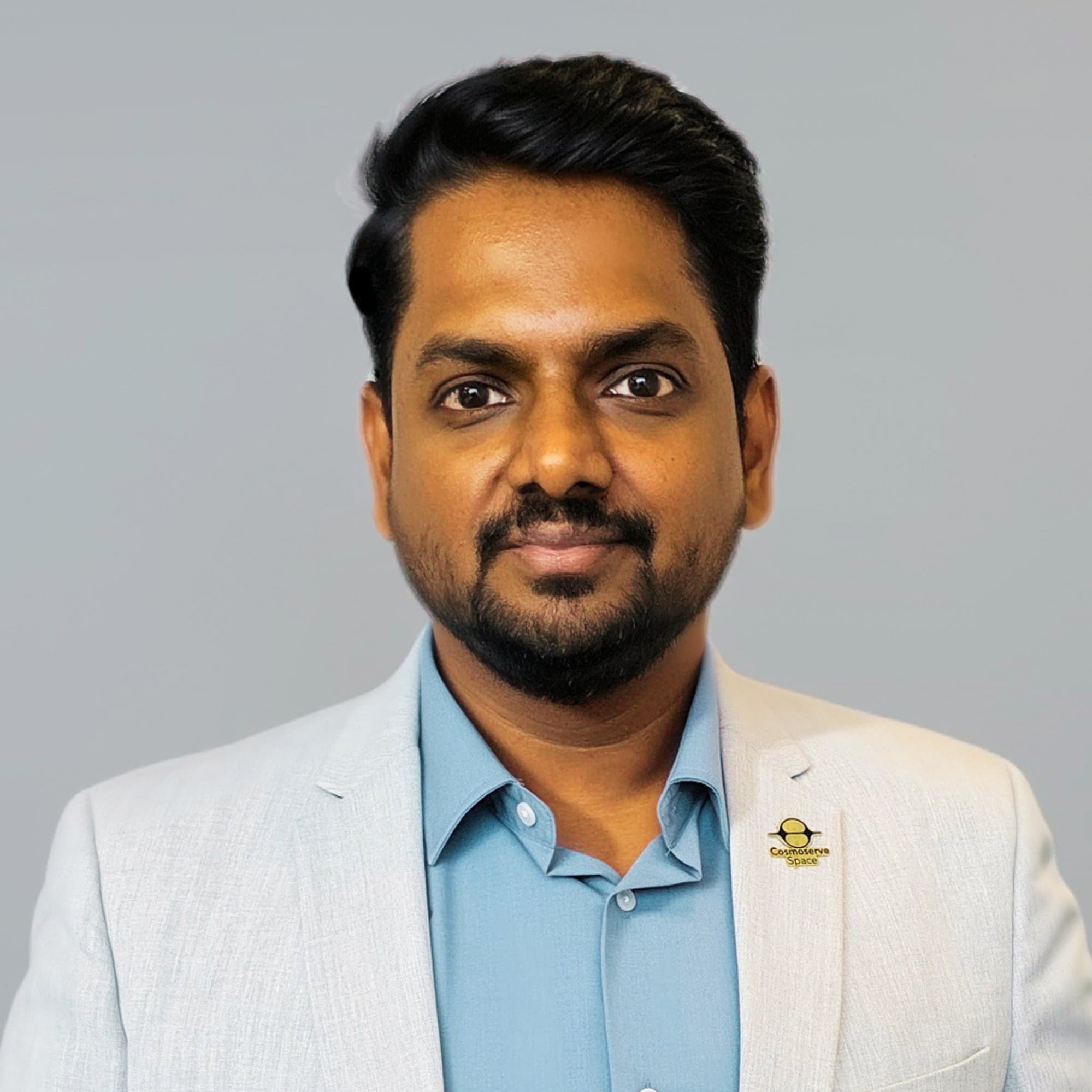
Building the Next Space Economy: Chiranjeevi Phanindra and Cosmoserve's Case for Orbital Maintenance
Chiranjeevi Phanindra, Founder & CEO of Cosmoserve Space, spent 14 years at ISRO working on re-entry and human spaceflight. Today, he is focused on a vital challenge: keeping Earth’s orbit usable.
Read Full Story
Corporate Visionaries
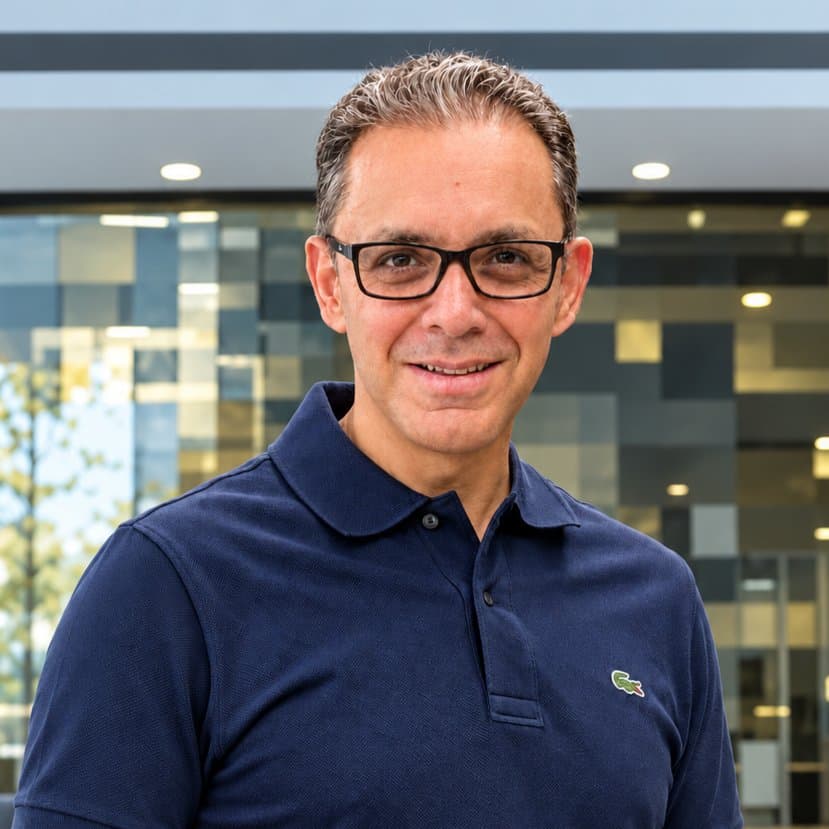
Shashank Sahni on What Success Leaves Out
Shashank Sahni, Google’s Managing Director of Global Ads Solutions, reflects on what customers reveal, what ambitious teams need from their leaders & what the mountains and marathons have taught him about going further.
Read Full Story
Corporate Visionaries
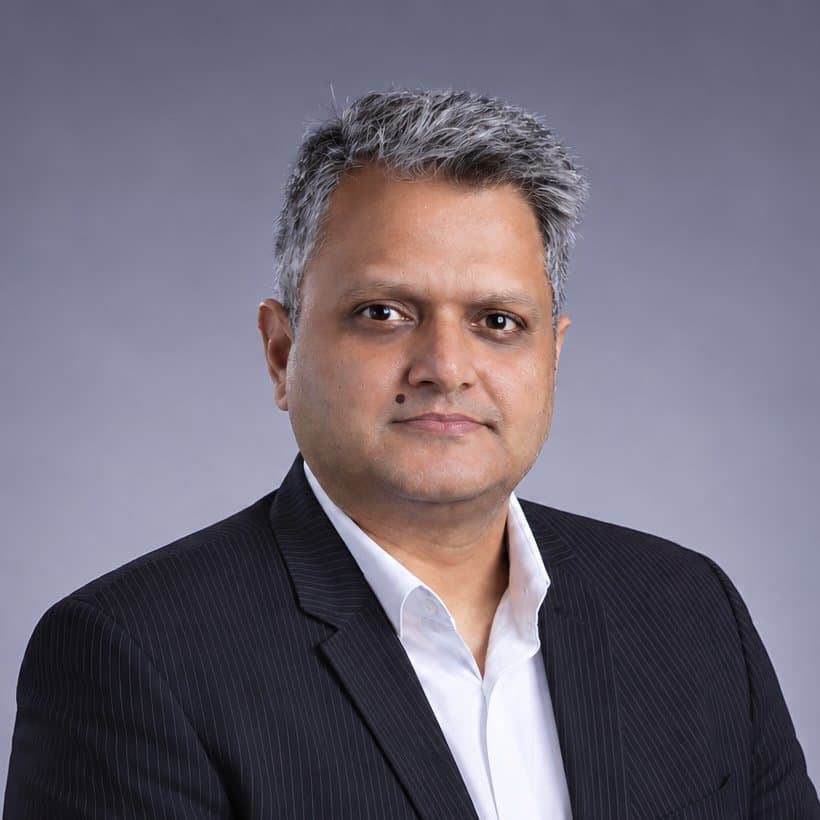
Clinical Multiplication: Divesh Singla on the Healthcare AI Case That Headlines Keep Missing
Divesh Singla, Managing Director, India at Veradigm, brings two decades in healthcare technology to the AI question leaders cannot avoid: how to expand clinical capacity without weakening human judgment.
Read Full Story