Category: Education Leadership
Skand Bali’s three-decade journey shows that schools are not just learning spaces but the rehearsal rooms where a nation’s character is shaped, refined, and passed forward. Across military discipline, boarding school culture, greenfield creation, and legacy renewal, he has built an architecture of leadership where rhythm, empathy, reflection, and stewardship form the operating system. His vision for India is clear: institutions must align head, heart, and hand so the next generation leads with clarity, humility, and the emotional intelligence that defines ethical global leadership.
The Anatomy of Excellence: How Skand Bali Designs Institutions That Last Beyond Leadership
IndiSight Editorial
Nov 12, 2025
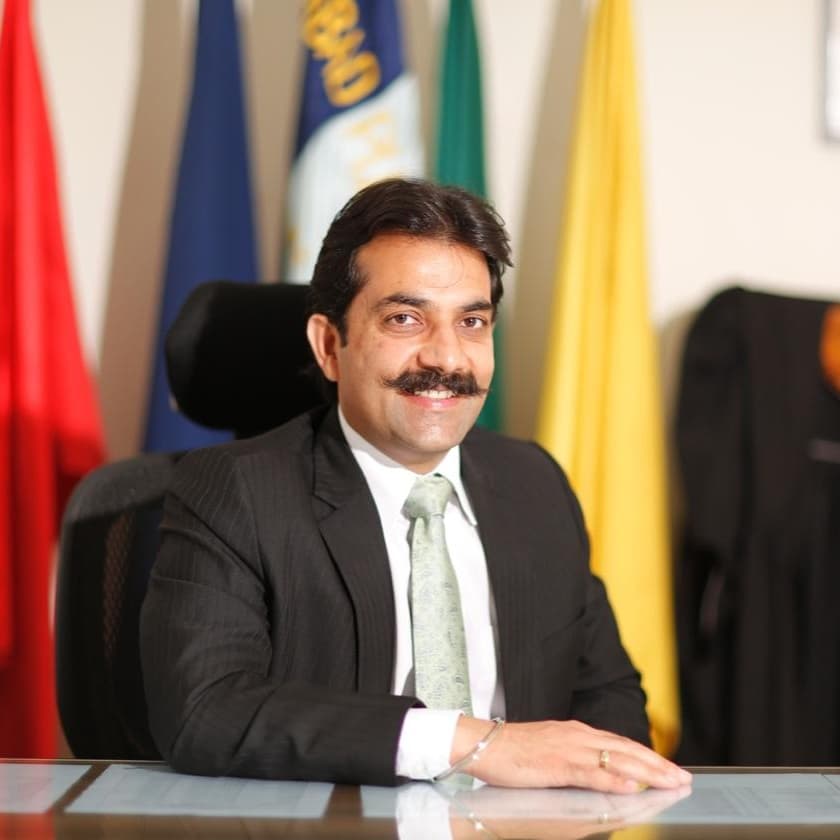
Skand Bali
Principal · The Hyderabad Public School, Begumpet
Hyderabad
If you spend enough time inside a school, you begin to understand how a nation rehearses its future. Every timetable, tradition and conversation becomes a preview of how that society will think, organize and lead. A school is not merely a place of instruction; it is a prototype of civilization.
Skand Bali has spent three decades studying and shaping that prototype. His career has unfolded across four distinct laboratories of leadership: a military school where discipline was design, a boarding school where culture became curriculum, a greenfield institution where systems had to be invented from scratch, and finally a century-old legacy school where heritage and reinvention coexist. Across these varied experiments, one conclusion has remained constant: leadership cannot simply be taught, it must be architected.
“Institutions,” he says, “are systems of energy. If the design is right, leadership becomes inevitable.”
For him, the real curriculum of a school lies not in textbooks but in how people behave when no one is watching. A teacher’s tone, a coach’s fairness, a student’s honesty under pressure, these form the living components of an invisible operating system. Once institutionalized, that system outlives any single leader. What Skand Bali has been building, across decades and cities, is the blueprint for how such systems come alive and endure.
The Four Laboratories of Leadership
Every leader is shaped by the environments that challenge and transform them. In Skand Bali’s case, each institution became a laboratory revealing how character evolves into culture.
The Army Public School, Dagshai, Himachal Pradesh, where he began his journey, was not just an introduction to education but an apprenticeship in order and respect. Here, leadership was expressed through consistency. The morning inspection was never about fault-finding; it was about cultivating a shared standard. The system functioned because accountability was visible, collective and precise. As he often reflects, “Discipline is not control; it is respect for rhythm.” That rhythm became the first building block of his leadership architecture.
The Doon School, Dehradun, one of India’s most prestigious boarding schools, became his next chapter, a place where rhythm met reflection. Six years as Housemaster and National Head of the Duke of Edinburgh’s Award Programme turned him into a student of culture. He learned that culture is not a collection of slogans; it is the unwritten code that determines how people behave when no one is watching.
At Doon, Skand Bali witnessed how institutions transmit values through rituals such as assemblies, debates, prefect councils and community service. “When a student learns to speak with conviction before an audience, or listens with patience to an opposing view, they are not learning etiquette,” he explains. “They are rehearsing democracy.”
His tenure there cemented one principle: sustainable institutions are built on invisible design. The visible structures such as buildings, uniforms and ceremonies matter far less than the systems that embed fairness, voice and respect into the fabric of everyday life.
Adani International School, Ahmedabad, represented the opposite end of the spectrum, a blank canvas. Here there was no legacy to inherit, only the challenge to build one. Establishing an institution within a corporate ecosystem tested his ability to align vision, resources and people from the ground up. “It was an experiment with creation energy,” he reflects. “Could we design from day one the culture that most schools take decades to develop?”
For Skand Bali, this was not about scale; it was about purity of design, aligning intention, system and soul.
The final laboratory is The Hyderabad Public School, Hyderabad, one of India’s oldest and most storied institutions. Founded in 1923 under the Nizam, HPS has produced global leaders across industries including Satya Nadella of Microsoft, Shantanu Narayen of Adobe, Ajay Banga of the World Bank, Shailesh Jejurikar of Procter & Gamble and Prem Watsa of Fairfax Financial, among many others.
At HPS, Skand Bali returned not as a caretaker of heritage but as an engineer of renewal. “Legacy must renew itself,” he says. “Tradition without evolution becomes nostalgia.”
These four laboratories, Army discipline, Doon culture, Adani design and HPS legacy, shaped his worldview: leadership is neither genetic nor spontaneous, it is crafted through daily structures that allow excellence and empathy to coexist.
The Moment of Creation
Every institution encounters two defining moments: the moment it is created and the moment it must be recreated. Skand Bali has lived through both.
At Adani International School, the first challenge was to translate corporate ambition into educational purpose. “You can have world-class infrastructure,” he recalls, “but without soul, it’s just architecture.” His task was to convert ambition into ethos. He built governance systems that prioritised teacher voice, student agency and parent partnership, designing culture before hierarchy.
When he returned to HPS, the challenge inverted. Here, the architecture already existed; what needed revitalisation was its inner rhythm. HPS had to rediscover its purpose, not merely to educate, but to cultivate character at scale. “A century-old institution can’t rest on legacy. It has to prove its relevance in every generation.”
To realise that vision, he championed the Leader@HPS Programme, a 48-module leadership curriculum spanning Grades 1 to 12. Students progress through structured modules in communication, negotiation, conflict resolution, empathy and critical thinking. In 2024 alone, over 3,000 students completed the programme. “It’s not a subject,” he clarifies. “It’s a way of thinking.” The aim is not to produce extroverted leaders but reflective ones, individuals who lead through awareness rather than assertion.
For him, creation is not only about building new institutions; it is also about designing renewal cycles within legacy ones. “If an institution cannot reinvent itself every decade,” he argues, “it risks becoming a museum of its own past.”
The Architecture of Leadership
At the heart of Skand Bali’s philosophy is a central conviction: leadership must be designed as architecture. It requires structure, not slogans.
The first pillar is rhythm.
“Leadership grows through rhythm, not rhetoric,” he says. It is cultivated through the repetition of right actions, daily consistency that outweighs occasional inspiration. In schools, rhythm is shaped by assemblies, routines and rituals that reinforce shared meaning. “Integrity,” he adds, “is infrastructure. Systems succeed when honesty becomes a habit.”
The second pillar is empathy as design.
“Excellence and empathy strengthen each other. Care is the foundation of performance.” For him, empathy is not sentiment; it is system logic. When empathy becomes measurable, in how teachers listen, how students resolve conflict, how leaders allocate attention, culture transforms into a competitive advantage.
The third pillar is renewal.
Institutions endure because they build renewal into their very structure. “Legacy must renew itself. Tradition without evolution becomes nostalgia.” At HPS, that renewal took shape through a thoughtful blending of digital tools with human mentoring, balancing innovation with identity. “Technology must serve humanity. Machines can compute; only people can discern.”
The fourth pillar is reflection.
“Reflection is performance,” he insists. “Pause creates perspective.” Reflection becomes a systemic ritual: weekly student circles, teacher debriefs and institutional reviews. Through reflection, organizations learn, adapt and self-correct.
The fifth and final pillar is stewardship.
“Leadership is stewardship,” he says. “You don’t own what you lead; you nurture it.” This principle anchors his design philosophy: authority is temporary, responsibility is continuous. Institutions outlast individuals only when stewardship is embedded in their DNA.
The India Equation
Every education system carries a hidden equation, a tension between excellence, equity and authenticity. Most countries resolve this by privileging one over the others: Finland champions equity, Singapore efficiency, Silicon Valley innovation. India’s advantage, however, lies elsewhere, in emotional intelligence as social capital.
“Our strength,” he explains, “is relational depth. The relationship between teacher and student, that trust, that care, is India’s original innovation.” The challenge is to modernize without eroding that bond.
In his view, India’s next educational leap will not come from imported frameworks but from hybrid ones: institutions that blend global best practices with indigenous emotional architecture. “You can’t copy-paste culture,” he says. “But you can design for it.” His concept of leadership civilization reflects that balance, a belief that India’s contribution to global education will be measured not in patents or rankings, but in the character of its leaders.
At HPS, that civilization-building effort is visible in both scale and spirit. More than 4,000 students learn across 122 classrooms. Yet success is measured not by numbers but by outcomes: confidence without arrogance, ambition anchored in empathy. “If a student leaves this campus believing they can change the world,” he says, “but forgets to listen while doing so, then we have failed.”
Technology and the Human Edge
Artificial intelligence has entered classrooms faster than most teachers could prepare for it. But for Skand Bali, technology is not the villain of education; indifference is. “AI can provide answers,” he says, “but it cannot teach discernment. Machines can give information, but only reflection can give wisdom.”
The question, then, is not whether technology belongs in schools, but what it should serve. The role of the teacher is shifting from authority to interpretation. “The teacher is no longer the source of knowledge. They are the interpreters of meaning.”
At HPS, this shift is visible in practice. Teachers integrate digital simulations with project-based learning, yet every session ends with dialogue. “Children must learn to disagree intelligently,” he says. “That’s how democracies survive.” Technology accelerates access, but reflection safeguards judgement. The balance of both defines the new literacy.
He believes the next generation of leaders will not be those who master tools, but those who humanize them. “We are moving from a world of information to a world of interpretation,” he explains. “That’s where human intelligence will always win.”
The Next Decade
What does the future demand of institutions that have already achieved excellence? Skand Bali’s answer is both simple and profound: clarity.
“Education must rediscover its purpose,” he says. “If we cannot articulate why we exist, no innovation will save us.” For him, purpose has three dimensions: emotional stability, ethical confidence and intellectual curiosity. “We must teach children to align head, heart and hand. That is when education becomes wisdom.”
He envisions schools as ecosystems of mentorship, where alumni, teachers and students form a continuous, intergenerational loop of learning. The alumni network, he argues, is not merely a marker of legacy but a living system of accountability. “When alumni see themselves as mentors, not just beneficiaries, the institution regenerates its purpose.”
He believes Indian education is entering a phase of global responsibility. “For decades, we have produced professionals for the world. Now we must produce problem-solvers for humanity.” His long-term vision is to see India define what ethical global leadership looks like, not through slogans but through institutions that embody dignity and fairness in their everyday design.
Leadership Lessons
Leadership grows through rhythm, not rhetoric.
Daily consistency outperforms occasional inspiration.
Integrity is infrastructure; systems succeed when honesty becomes a habit.
Excellence and empathy strengthen each other; care is the foundation of performance.
Legacy must renew itself; tradition without evolution becomes nostalgia.
Technology must serve humanity; machines can compute, only people can discern.
Reflection is performance; pause creates perspective.
Respect is timeless; it anchors ambition in humility.
Leadership is stewardship; you don’t own what you lead, you nurture it.
Closing Reflection
As the century turns, the world is searching for new models of leadership, ones grounded in emotional intelligence, cultural continuity and ethical design. Skand Bali’s work suggests that India’s contribution may not emerge from technology or policy alone, but from how it teaches its children to lead.
Every assembly, every classroom moment, every act of fairness becomes a rehearsal for the society we aspire to build. The question, then, is not whether schools can shape leaders. It is whether leaders will remember the lessons their schools quietly imparted: that rhythm builds trust, reflection sustains wisdom and integrity, when designed into a system, becomes a nation’s most enduring infrastructure.
Our Suggestions to Read
Discover The Leaders Shaping India's Business Landscape.
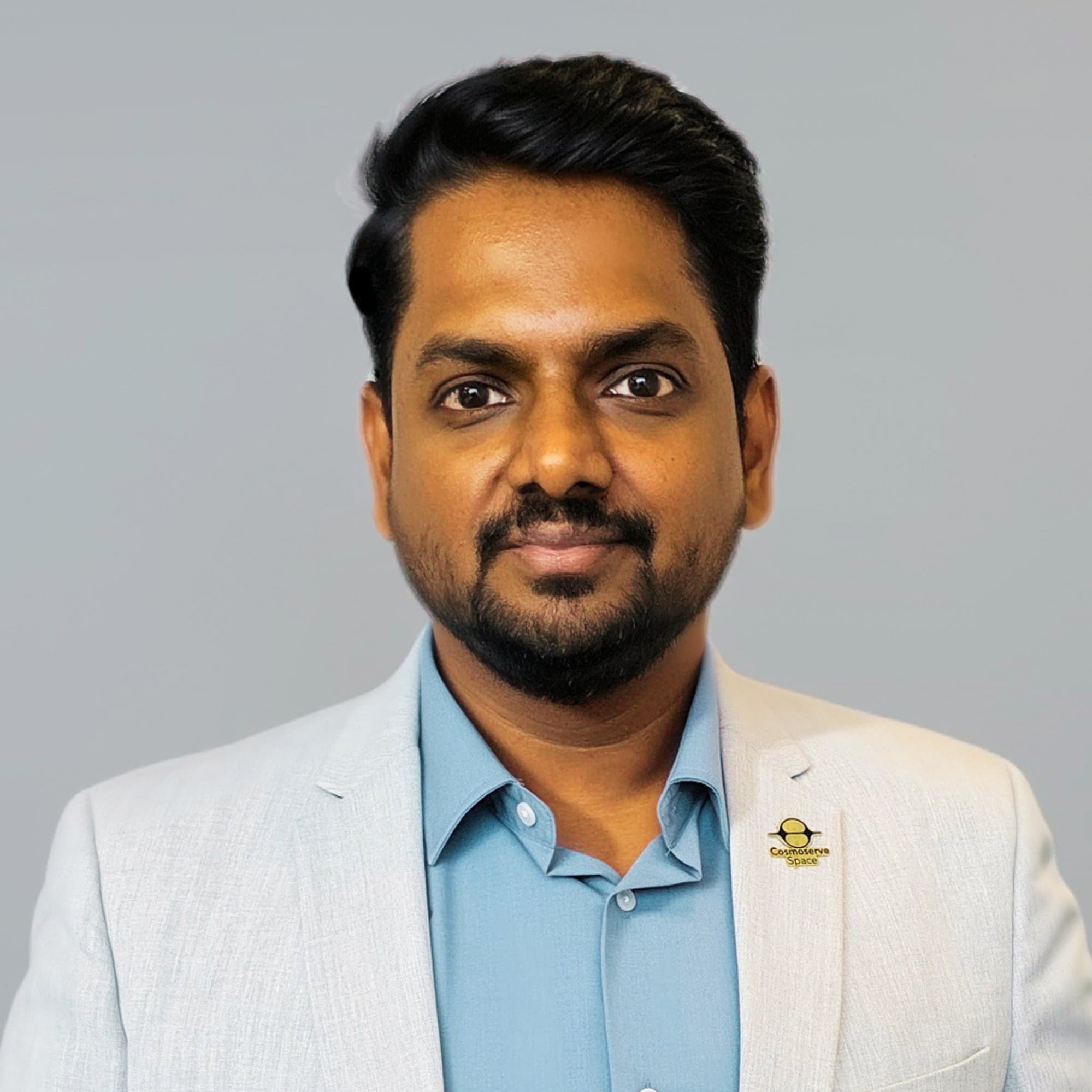
Founders & Innovators
Building the Next Space Economy: Chiranjeevi Phanindra and Cosmoserve's Case for Orbital Maintenance
Chiranjeevi Phanindra, Founder & CEO of Cosmoserve Space, spent 14 years at ISRO working on re-entry and human spaceflight. Today, he is focused on a vital challenge: keeping Earth’s orbit usable.
Read Full Story
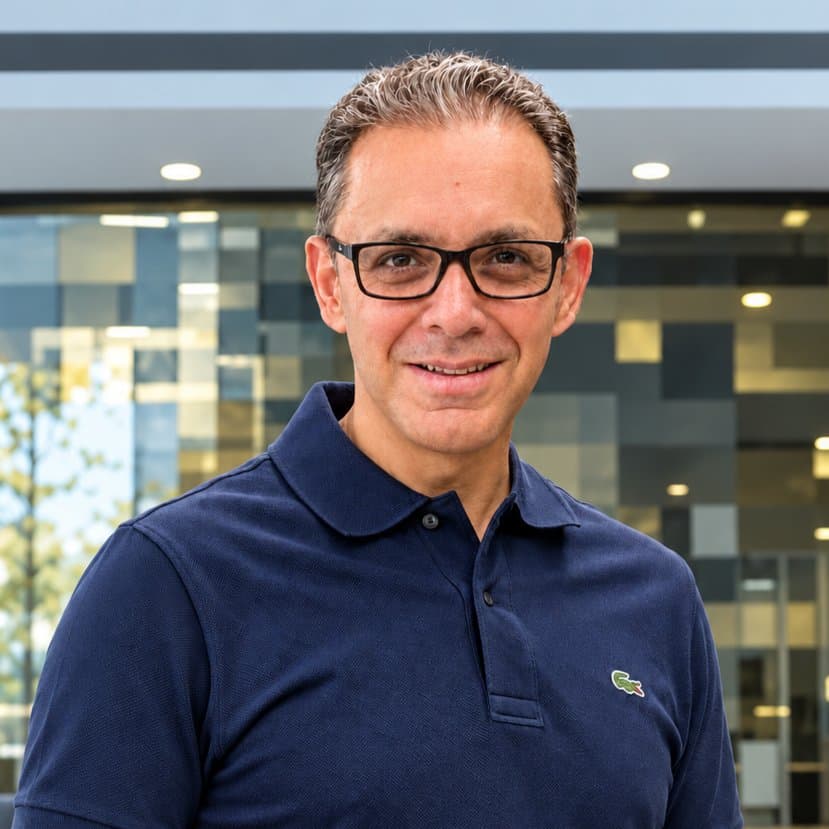
Corporate Visionaries
Shashank Sahni on What Success Leaves Out
Shashank Sahni, Google’s Managing Director of Global Ads Solutions, reflects on what customers reveal, what ambitious teams need from their leaders & what the mountains and marathons have taught him about going further.
Read Full Story
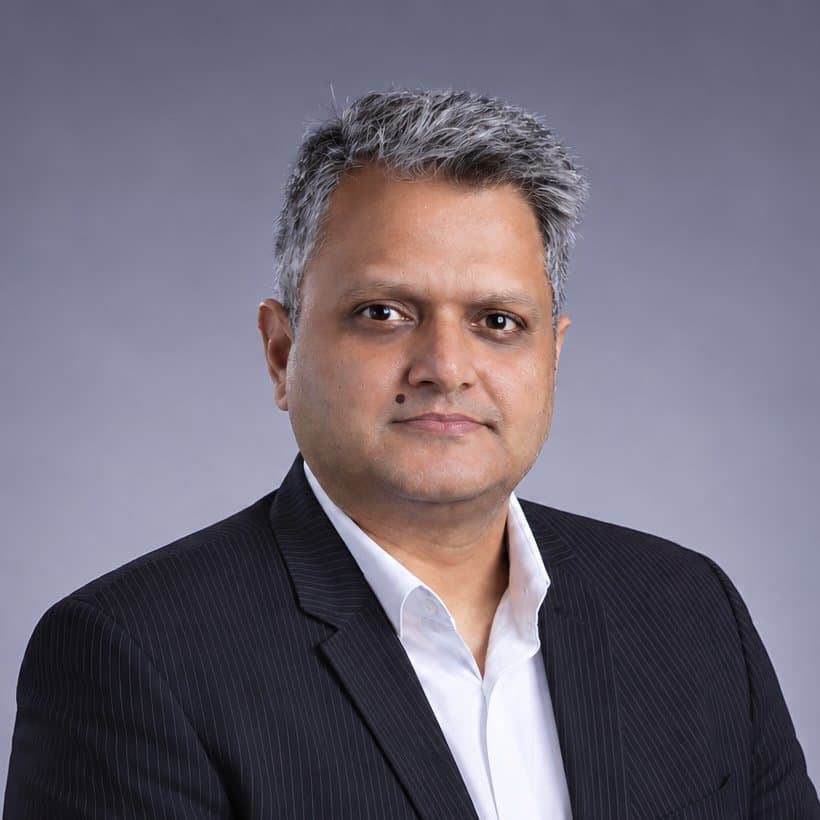
Corporate Visionaries
Clinical Multiplication: Divesh Singla on the Healthcare AI Case That Headlines Keep Missing
Divesh Singla, Managing Director, India at Veradigm, brings two decades in healthcare technology to the AI question leaders cannot avoid: how to expand clinical capacity without weakening human judgment.
Read Full Story