Category: Education Leadership
Ramesh Loganathan, Professor (Co-Innovation) & Dean at IIIT Hyderabad, argues India's greatest innovation advantage lies in nurturing curiosity, not just talent.
Innovation Doesn't Follow Research. It Begins With It
IndiSight Editorial
Jul 15, 2025
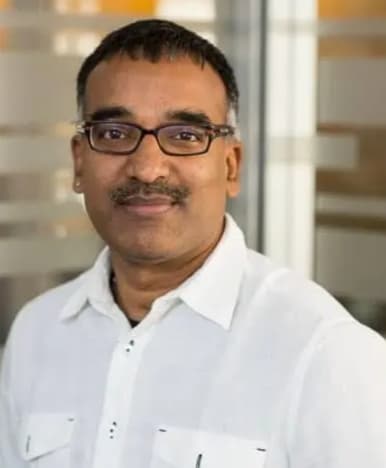
Ramesh Loganathan
Professor- Co-Innovation and Head Research/Innovation Outreach · International Institute of Information Technology Hyderabad
Hyderabad
Some ideas are simple. But when they come from someone who has built institutions, shaped ecosystems, and mentored generations of innovators, they ring different.
“Innovation doesn’t come after research. It begins with research,” says Ramesh Loganathan, a line that could pass as ordinary if it weren’t backed by years of deliberate observation, academic immersion, and hard-earned belief.
But Ramesh isn’t here to offer a quote. He’s here to offer a shift in thinking, not to spotlight himself but to redirect the spotlight toward what we’ve forgotten to see.
At the heart of his work lies one idea: we are good at solving problems once they are pointed out to us. But we've forgotten how to notice the problem before someone else does.
“When the world tells us there’s a gap, we solve it. What we’ve lost,” he says gently, “is the skill to see the gap before it’s told to us.”
This isn’t said as critique. It’s said by someone who believes deeply in the potential of this country. Across his decades-spanning career, from industry to academia, from product engineering to open innovation, he has seen this potential surface again and again. But he’s also seen how rarely it is allowed to bloom.
“India has the potential,” he says, “we just don’t have the eyes to spot it. That’s what needs to be corrected.”
Building a Culture Where Curiosity Counts
At IIIT Hyderabad, where he serves as Professor of Co-Innovation and heads research outreach, Ramesh has done more than teach. He has helped institutionalize curiosity. He's made space for young minds to explore ideas without immediate outcomes. And he’s made a compelling case that innovation is not a postscript; it’s a starting point.
When he works with student founders or research collaborators, he doesn’t ask what the idea is. He asks, “Who will benefit from this?” If that question can’t be answered, it doesn’t matter how good the tech is.
“Don’t start by asking ‘Will this become a unicorn?’ Start with ‘Who is this for?’ That’s the real innovation question.”
He’s clear about one thing: innovation is not for admiration. It’s for solving. It’s for believing in something deeply enough to stay with it, even when no one else sees it yet.
On Mentorship: Criticism is a Form of Care
If you’ve ever worked with Ramesh, you’ll know he doesn’t hesitate to question and expects his students to welcome that rigor.
“The more a mentor questions you,” he says, “the better and more flawless you become. Their criticism is not a sign of failure, it’s a chance to reach perfection.”
This is not romanticism. This is pedagogy shaped by decades of engagement with researchers, with young entrepreneurs, with systems that move slowly and people who want to move fast. He insists that mentorship is not about hand-holding. It’s about creating clarity through challenges.
The Pyramid vs. the House of Cards
Quick wins are seductive. But Ramesh is careful about the lure of speed.
“Good things take time,” he says. “If you chase early fame, you might end up building a house of cards. But if you show up every day with conviction and patience, you’ll build a pyramid.”
This philosophy, quiet, persistent, grounded, runs through his reflections. It’s not a rejection of ambition. It’s an argument for depth. For foundations. For doing the work in silence before seeking noise.
Innovation as Infrastructure
With one foot in academia and another in the startup ecosystem, Ramesh sees innovation as infrastructure, not just of products but of possibility. He has played a crucial role in shaping India’s co-innovation networks, helping bridge the divide between research institutions and real-world problem solvers. From his leadership role at IIIT to his involvement in the Hyderabad startup ecosystem, he doesn’t just participate; he builds scaffolds others can stand on.
“If we want more entrepreneurs,” he said, “we need fewer gatekeepers and more mentors. More bridges between research and real needs.”
In Hyderabad alone, he points to the statistic: over 7 lakh tech workers, yet only a fraction venture into tech entrepreneurship. The issue isn’t talent. It’s exposure. It's narrative. It’s permission.
Still Learning
Ask him about legacy, and he smiles: “I’m too young for that.” It’s not false modesty. It’s his way of reminding us that leadership isn’t a destination; it’s a lifelong process.
“There’s still too much to learn,” he says, eyes steady, ideas sharper than ever.
And while he’d never claim heroism, he does enjoy a good reference. A self-declared Rajnikanth fan, Ramesh jokes, “If I ever had to be larger than life, that would be the style to do it in.” But it’s in contrast to that theatricality that his real presence is felt, not as performance but as conviction.
Ramesh Loganathan doesn’t speak in declarations. He builds understanding, piece by piece. And in doing so, he reminds us that innovation isn’t a flash of genius. It’s the long, invisible work of noticing the world better than we did yesterday.
And maybe that’s the most powerful leadership we can ask for.
Our Suggestions to Read
Discover The Leaders Shaping India's Business Landscape.
Founders & Innovators
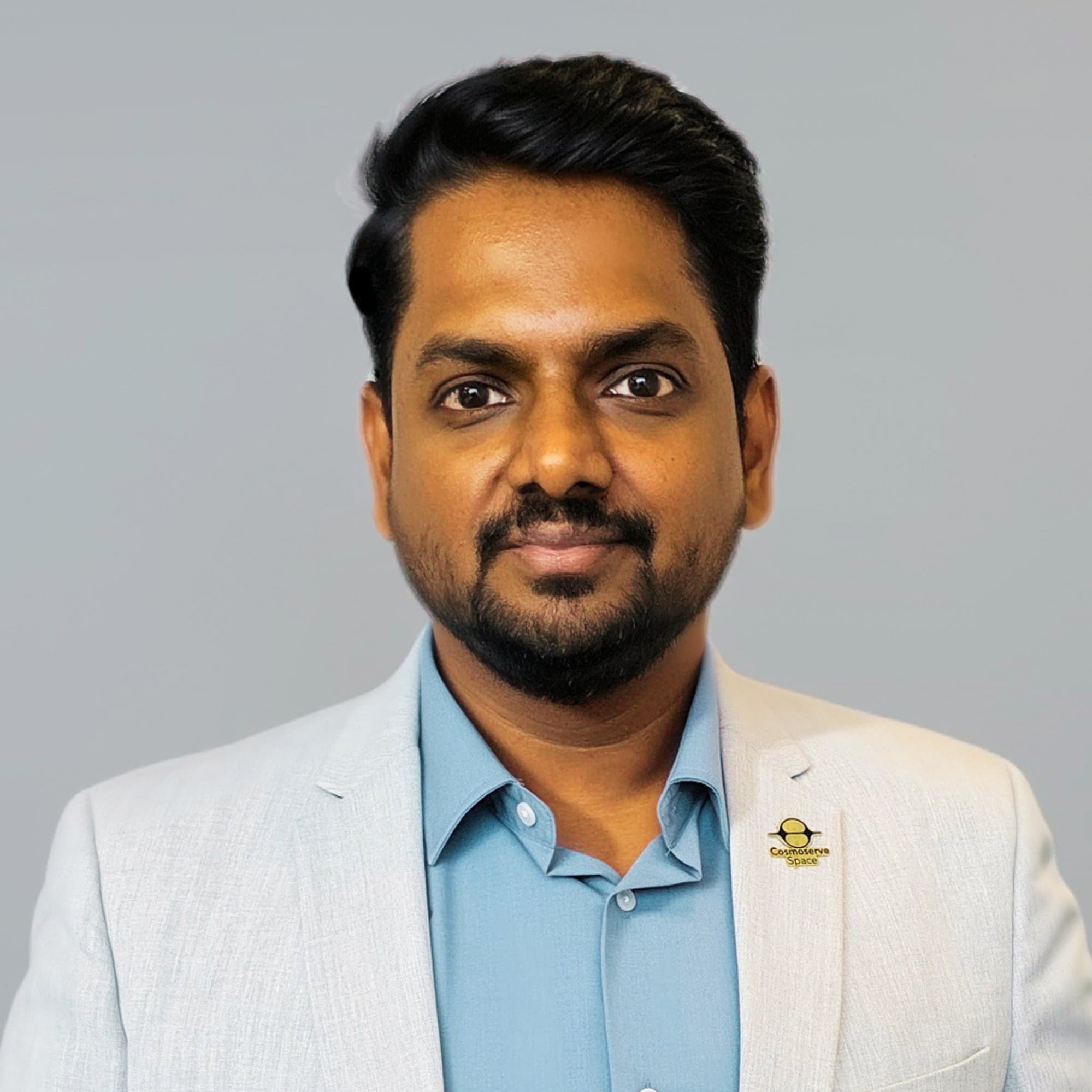
Building the Next Space Economy: Chiranjeevi Phanindra and Cosmoserve's Case for Orbital Maintenance
Chiranjeevi Phanindra, Founder & CEO of Cosmoserve Space, spent 14 years at ISRO working on re-entry and human spaceflight. Today, he is focused on a vital challenge: keeping Earth’s orbit usable.
Read Full Story
Corporate Visionaries
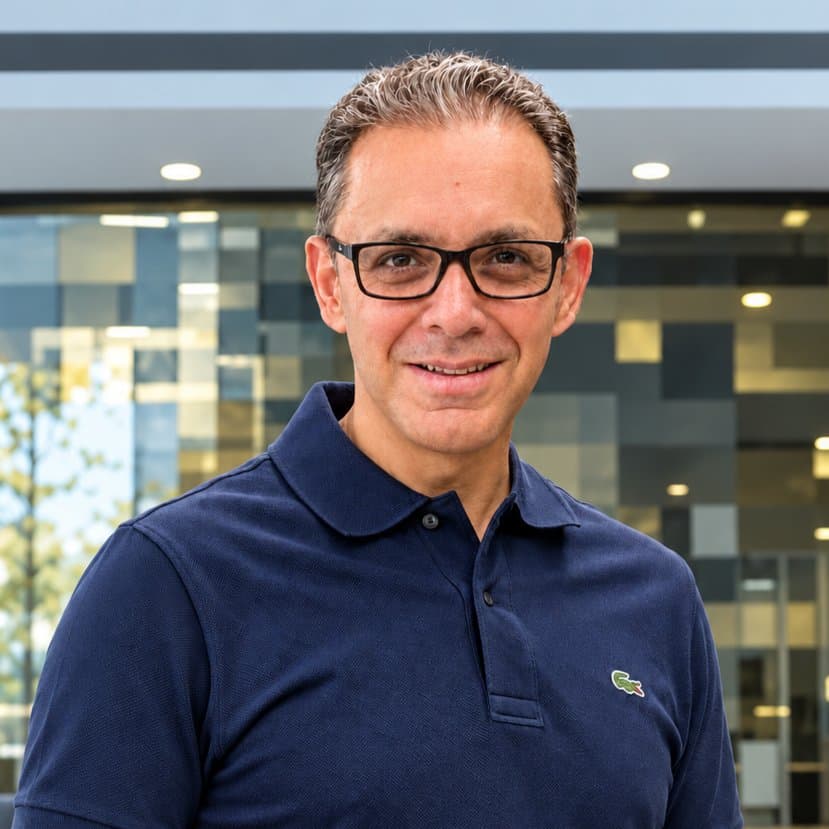
Shashank Sahni on What Success Leaves Out
Shashank Sahni, Google’s Managing Director of Global Ads Solutions, reflects on what customers reveal, what ambitious teams need from their leaders & what the mountains and marathons have taught him about going further.
Read Full Story
Corporate Visionaries
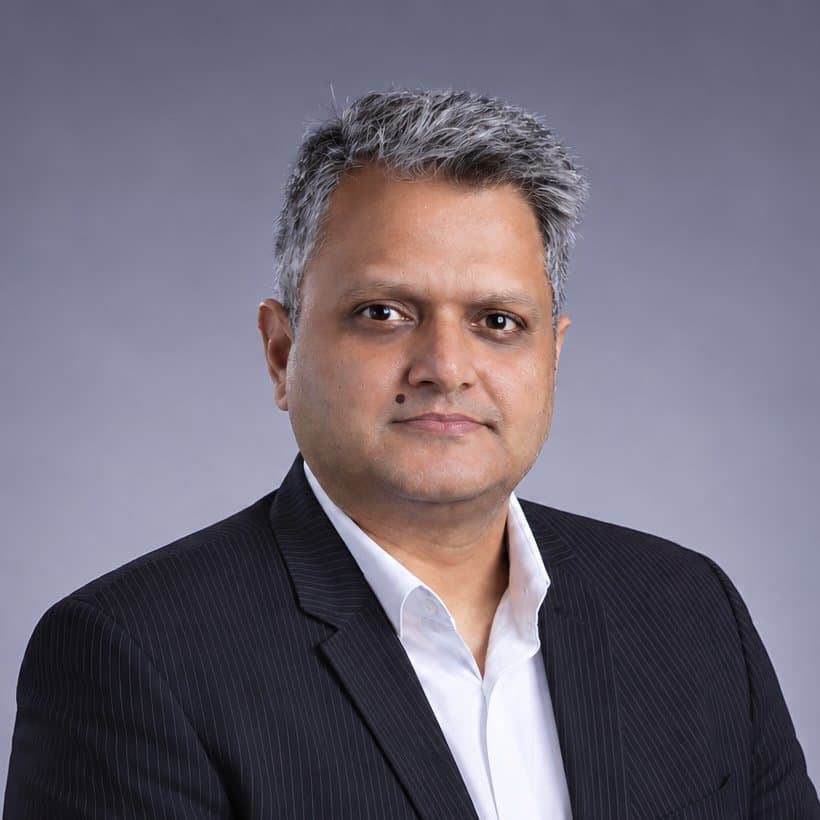
Clinical Multiplication: Divesh Singla on the Healthcare AI Case That Headlines Keep Missing
Divesh Singla, Managing Director, India at Veradigm, brings two decades in healthcare technology to the AI question leaders cannot avoid: how to expand clinical capacity without weakening human judgment.
Read Full Story