Category: Corporate Visionaries
Shalini Sekhri views leadership as building with ambition and recalibrating with clarity, while treating wealth management as a trust-driven responsibility grounded in ethics and long-term stewardship.
Holding Ground: Shalini Sekhri on Leadership, Wealth, and the Architecture of Endurance
IndiSight Editorial
Oct 7, 2025
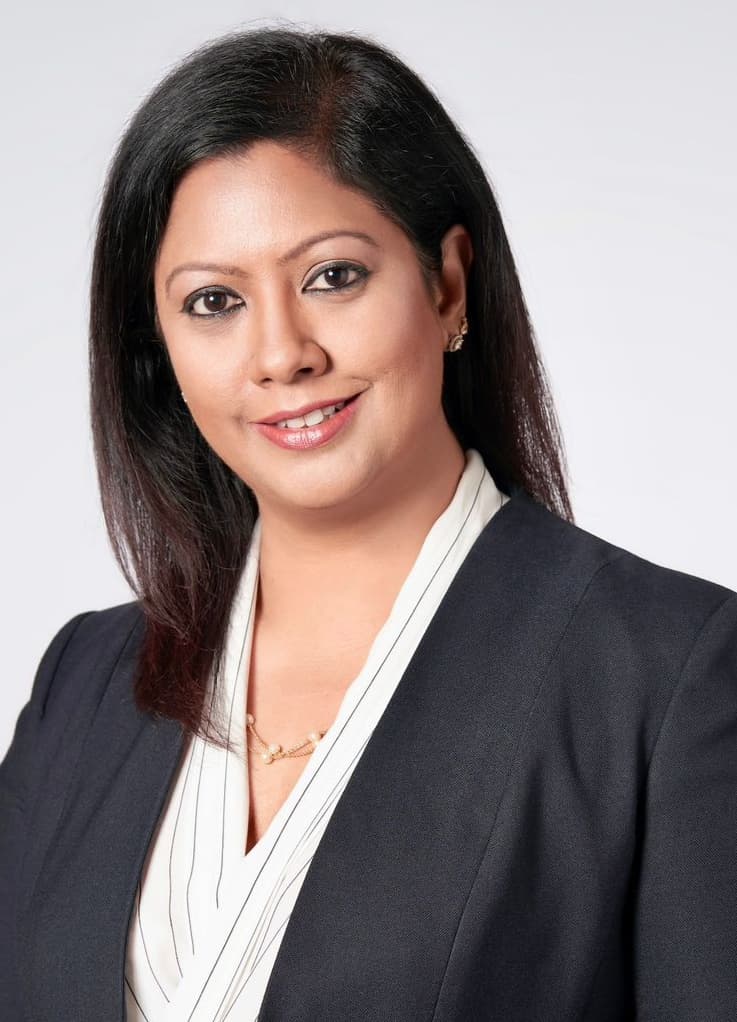
Shalini Sekhri
In the late 2000s, Shalini Sekhri was leading a fast-growing team at one of India’s largest financial institutions. Within a year, she had built a fifty-member unit. Within weeks, she was asked to completely restructure the organization. For Shalini, it was a defining moment. Leadership, she realized, is measured not only by what you build but by how you adapt when cycles turn.
“The leaders who succeed are those who can build aggressively, but also act decisively in a downturn.”
This ability to hold ground while reimagining structures would become the hallmark of her career. From global banks to asset managers, from large institutions to smaller boutiques, Shalini has navigated cycles of growth and contraction, moments of exuberance and fear. What emerges is not just a story of financial markets but of resilience, ethical scaffolding, and the enduring responsibility of wealth management.
From Hotels to Finance
Shalini did not begin her career in finance. After completing her MBA in finance and HR, she entered corporate sales at the Oberoi hotels. The role gave her the chance to interact with people every day, a skill she considers fundamental to everything she does.
Her entry into finance was almost accidental. Encouraged to explore a role at Grindlays Bank, she became a relationship manager in an industry that, at the time, was still focused on service and long-term client relationships. As banking shifted toward multiple product distribution, Shalini made a decisive choice. She did not want to remain a generalist. Instead, she wanted to specialize, to build expertise that could truly add value.
Choosing the Boutique Path
Her decision led her to asset management, a sector still young in India and full of possibility. Shalini quickly rose through the ranks, and her peers from those early years are today in CXO positions across the industry.
In time, she made another defining move. She left a large firm to join a smaller boutique. “It never felt like a risk,” she says. “If you have a strong track record, you can always return to larger organizations. But the opportunity to help shape the direction of a firm is something you rarely get in a large institution.”
The contrast was stark. Large organizations offered structure and scale. Boutiques demanded versatility and allowed leaders to leave a deep imprint. For Shalini, the boutique path was where she found her sharpest growth.
Leadership Under Cycles
At Alchemy Capital, Shalini experienced both extremes: building a significant business and later having to reimagine the organization when cycles turned. These episodes reinforced her conviction that leadership is less about steady states and more about capacity for transition.
Later, in the private wealth management sector, she gained an end-to-end, holistic perspective on how the industry functioned. However, working with a narrower spectrum of larger clients rather than the wider range of an asset management role compelled her to return to asset management, where she had the liberty of choosing assignments that were both challenging and aligned with her strengths. Today, as Executive Director at Renaissance Investment Managers, she is immersed in the high-growth environment of a boutique, where every decision has outsized impact.
Teaching People How to Think
Shalini’s approach to leadership begins with the mind. She focuses on building strong cognitive habits, guided by frameworks, discipline, and a willingness to test ideas until they hold.
“You cannot just hold people to your own personal standard. You need to provide the tools and guidance that allow them to succeed.”
Her approach is not about carrot and stick, but about aligning goals with rewards. Incentives, she emphasizes, cannot remain static. They must evolve with the needs of the business. At times they must be redesigned completely, not only to drive results but also to retain talent.
For Shalini, leadership is about creating the scaffolding where people can thrive, learn, and remain accountable.
The Paradox of Wealth Management
Wealth management, at its best, is one of the most trusted professions. People entrust their savings, aspirations, and futures to it. At the same time, organizational incentives can set near-term agendas.
“Products may be placed in client portfolios even when they do not align with their risk appetite.”
This paradox, between fiduciary responsibility and commercial pressure, is one Shalini has observed across decades. To her, the organizations that succeed are those that place the client at the center. “Trust is the only real currency. Businesses that forget that may see short-term gains, but they rarely build loyalty.”
Crises as Teachers
Shalini has lived through three major market disruptions: the dot-com bust, the global financial crisis of 2008, and the COVID crash. Each tested not only portfolios but leadership itself.
“Crises follow patterns. People forget. Recency bias sets in. The hardest lesson is not just that markets are cyclical but that human memory is short.”
At Renaissance, the decision not to lay off employees during COVID was a deliberate act. It became a template for how the firm would handle future crises. For Shalini, resilience is not just financial modeling but also human architecture; decisions that protect both teams and clients in turbulent times.
Culture and Capital
Culture, Shalini believes, is one of the most underestimated forces in finance. Only a modest share of Indian household savings sits in equities. The rest is tied up in deposits, land, or gold. She contrasts this with wealthier societies where disposable income allows for greater risk-taking and broader product adoption.
Even as a professional in the markets, she admits she avoids direct stock purchases for herself. “It’s the mindset you grow up with,” she says. “Risk tolerance is often also cultural.”
Her insight is not limited to India. For global wealth managers, cultural risk mapping is as important as asset allocation. Every society prices reality differently. To ignore that is to misunderstand how capital truly behaves.
Building Ethical Scaffolding
Ethics, for Shalini, is not an add-on. It is the DNA of a business. “You cannot expect consistency of behavior without an ethical framework. And that has to start at the top.”
Investment committees, she notes, exist precisely because individual biases can distort capital allocation. Organizational scaffolding is essential to guard against systemic failure.
Her analogy is sharp: wealth managers are as critical to a family’s financial well-being as doctors are to their physical health. Regulation, therefore, is not bureaucracy but protection.
Wealth and Nation-Building
Shalini sees wealth management not only as a business but as an engine for nation-building. India is in a rare phase of growth, one that she calls a once-in-a-century moment. The responsibility of wealth managers is to steward this wealth so it strengthens the country rather than drains from it.
“Capital must be channeled into productive assets. Done right, wealth management keeps talent and capital in India. Done wrong, it drives both away.”
Her perspective ties private wealth to national destiny. Every decision about allocation influences which technologies grow, which regions prosper, and which generations thrive.
Higher Purpose
One of Shalini’s favorite stories is of an investor who approached her firm’s founder with gratitude.
“Thanks to the SIP I started with your funds, I could buy a house in one of the premium parts of the city.”
For her, moments like this are not about transactions but transformation. They reveal how disciplined investing can alter the trajectory of a family’s life.
Lessons Gained from Experience
Shalini's ideas go far beyond money; they are based on what she sees and does:
Leadership happens in cycles. It's important to grow, but it's also important to have the courage to change course when things change.
Culture is what makes money. Risk tolerance is influenced by both upbringing and strategy.
The foundation is ethics. A principled framework is better than any technical skill.
Incentives change over time. People's needs and wants change all the time, so systems need to change too.
The most valuable thing is trust. Without it, managing money is pointless.
Crises are great teachers. They show that resilience is both structural and personal.
Wealth in private hands has an effect on the public. The way people use their resources affects the outcomes of society as a whole and even the world.
Looking Forward
Shalini believes that the future of wealth management will not be based on an ever-expanding list of products but on well-thought-out systems that combine psychology, ethics, and resilience. She doesn't think of a wealth manager as someone who sells assets; she thinks of them as someone who keeps trust and long-term security.
"We don't give clients stocks or funds; we give them the peace of mind that their future is being built on solid ground."
Shalini knows that being a good steward takes more than just technical skill because she has been through the highs of excitement and the lows of market crises. Like leadership, capital must be carefully planned: it must be strong enough to withstand stress, flexible enough to change, and based on principles that will last through changes in the market and people's feelings.
Our Suggestions to Read
Discover The Leaders Shaping India's Business Landscape.
Founders & Innovators
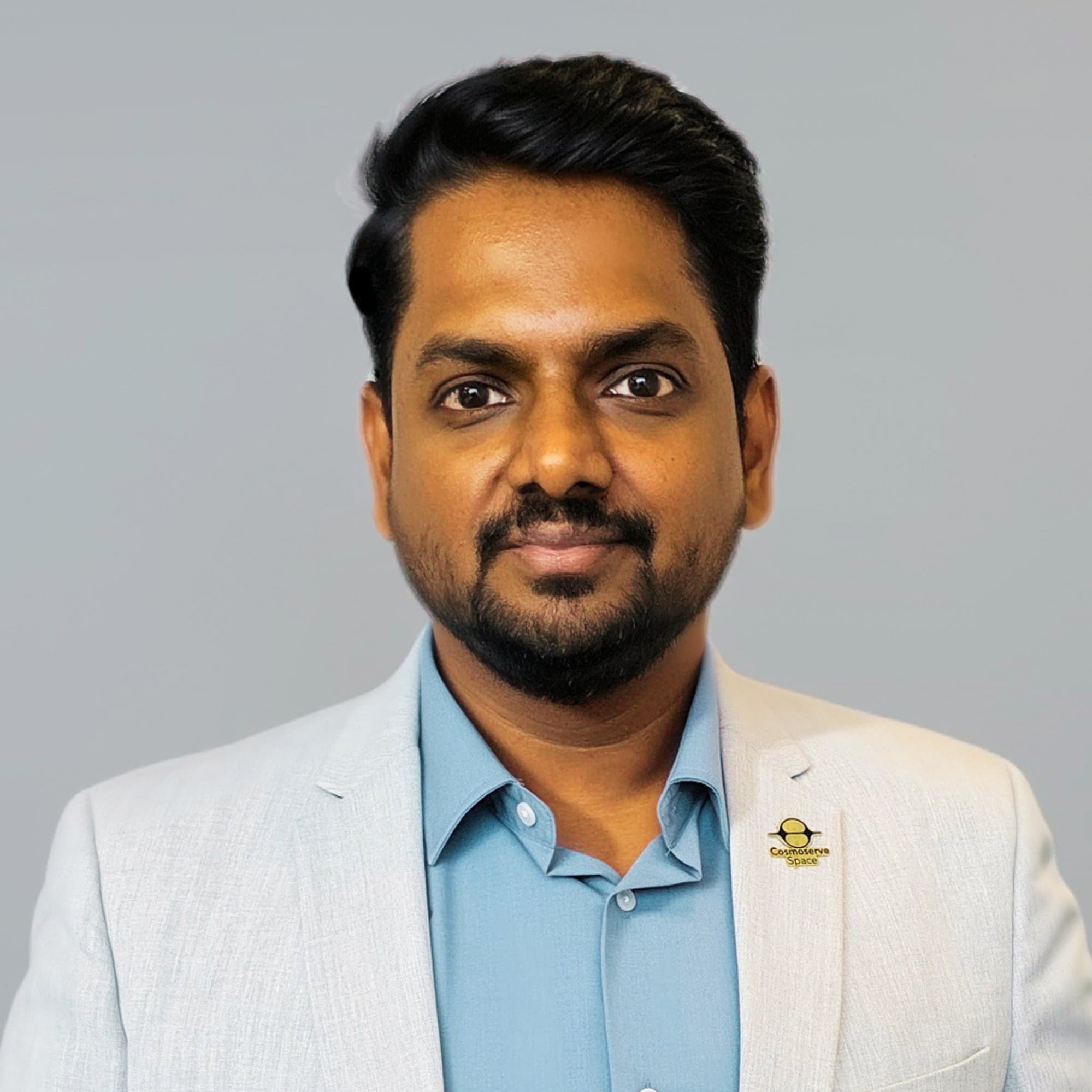
Building the Next Space Economy: Chiranjeevi Phanindra and Cosmoserve's Case for Orbital Maintenance
Chiranjeevi Phanindra, Founder & CEO of Cosmoserve Space, spent 14 years at ISRO working on re-entry and human spaceflight. Today, he is focused on a vital challenge: keeping Earth’s orbit usable.
Read Full Story
Corporate Visionaries
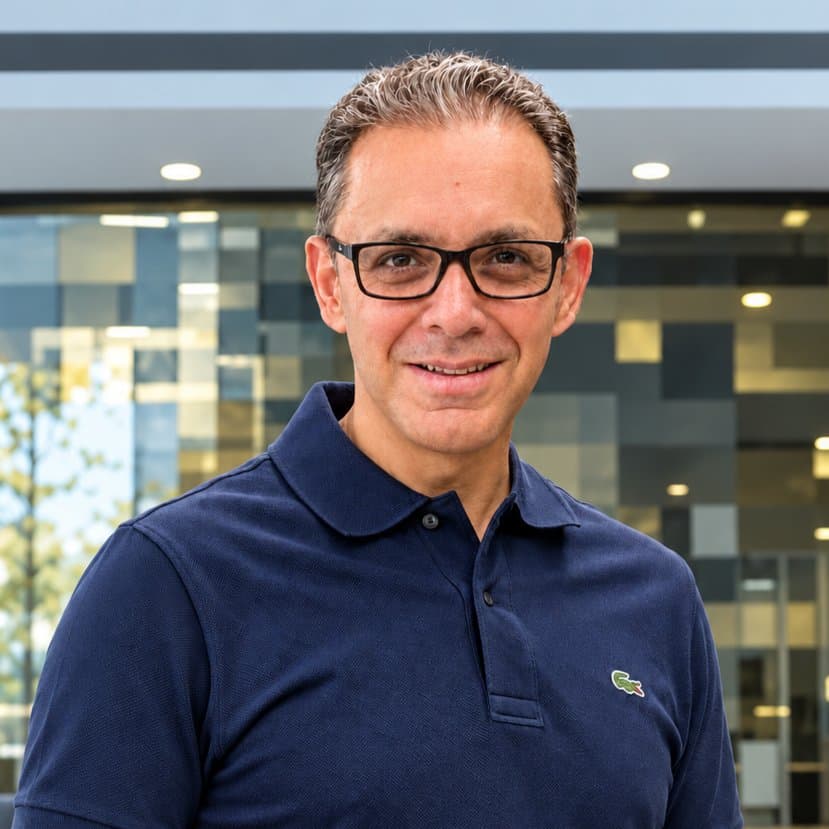
Shashank Sahni on What Success Leaves Out
Shashank Sahni, Google’s Managing Director of Global Ads Solutions, reflects on what customers reveal, what ambitious teams need from their leaders & what the mountains and marathons have taught him about going further.
Read Full Story
Corporate Visionaries
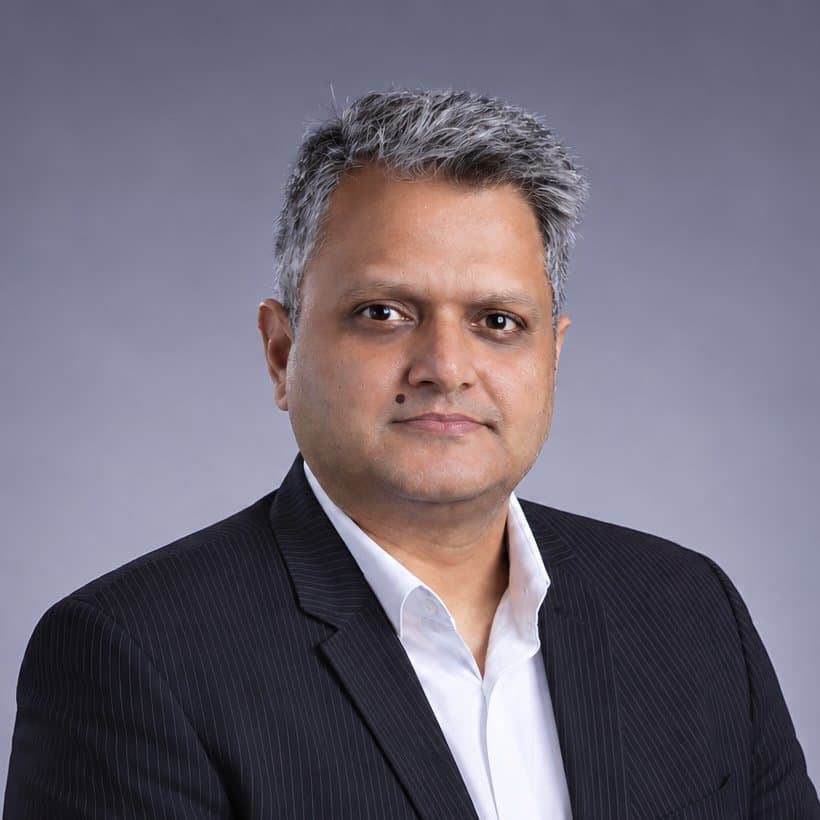
Clinical Multiplication: Divesh Singla on the Healthcare AI Case That Headlines Keep Missing
Divesh Singla, Managing Director, India at Veradigm, brings two decades in healthcare technology to the AI question leaders cannot avoid: how to expand clinical capacity without weakening human judgment.
Read Full Story