Category: Corporate Visionaries
Sudipto Mandal, CHRO & Head, Human Resources at L&T Metro Rail (Hyderabad) Ltd., argues that leadership is about creating an environment where people can thrive; not controlling how they work.
From Instinct to Insight: Culture and the New Leadership Lens
IndiSight Editorial
Jul 1, 2025
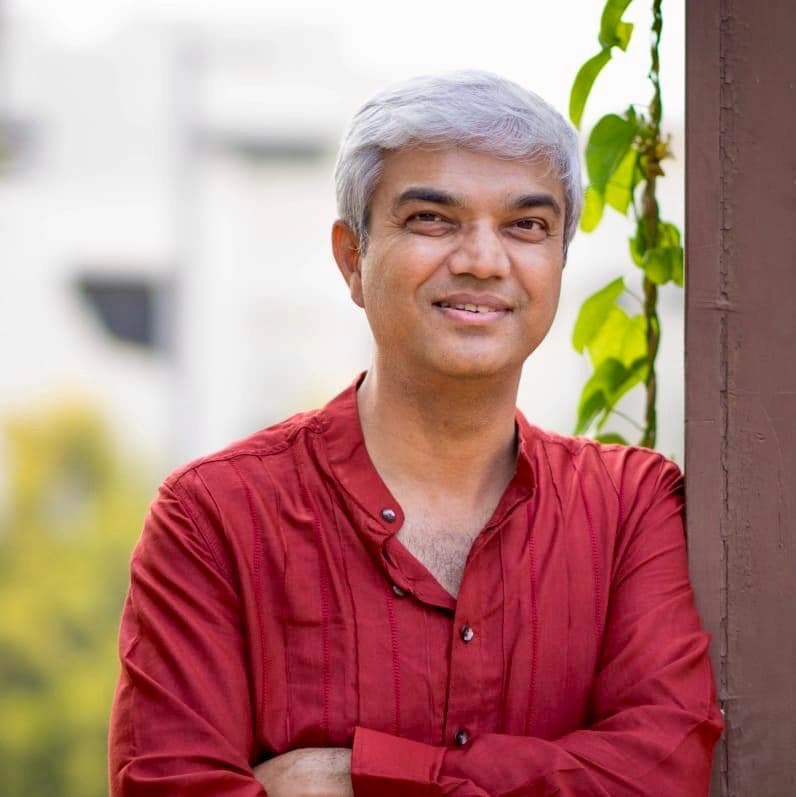
Sudipto Mandal
CHRO · L&T Metro Rail Hyderabad
Hyderabad
There are leaders who build systems. And there are those who shape the air we breathe in an organization, its context, its energy, its culture. In our conversation with Sudipto Mandal, a people leader with decades of lived wisdom, we encountered not just insights, but presence. This wasn’t a conversation of metrics and frameworks, but one of sensibility, rhythm, and instinct. The kind of leadership that’s hard to write into a manual, but even harder to ignore once you’ve experienced it.
At first glance, Sudipto’s clarity comes through in the way he distills complexity. Leadership, for him, begins with curiosity, empathy and common sense. Not the textbook kind. The lived kind. The kind that lets you walk into a room and feel whether something is working or not. Whether people are showing up with pride or obligation. Whether culture is being curated or simply expected. He believes leadership burgeons not with answers, but with the quality of questions we ask, and how consistently we ask them.
This belief was brought to life recently in a moment of celebration. His team had just received a record-setting GPTW (Great Place To Work) score, 95, a historic high in their group’s history. But what followed wasn't a formal announcement from a podium. Instead, Sudipto walked through the corridors of every department, from operations to administration, customer service to backend teams, offering sweets by hand, not as a gesture of formality, but as a personal thank you. Not just to the managers. To everyone. The janitors. The security guards. The train operators. It was, in his words, “not my celebration, it was ours.”
What makes a leader go beyond symbolism to create such shared ownership? It lies, perhaps, in how he sees culture. For Sudipto, culture isn’t an HR initiative. It is the air people breathe at work, and that air must be curated with intent. He believes that expecting energy, creativity, or initiative from people is unrealistic in an environment marked by excessive control and rigid compliance. Sustainable change, in his view, comes not from changing individuals, but from reshaping the environment around them to inspire and empower.
And the context he works to build, and protect, is one defined by four emotional anchors:
Stretch: Not the stretch of targets that overwhelm, but of belief. A place where people feel invited to grow. Where doing a little more isn’t a metric, it’s a mindset.
Discipline: The kind that’s self-driven. Where meetings start on time not because someone’s watching, but because time is respected. Where decisions are honored even in disagreement, and integrity is lived, not demanded.
Support: Leadership here isn’t performative. It’s present. You’ll find Sudipto not just coaching from afar, but walking beside. Making space. Listening. Letting people try, and letting them own the consequences.
Trust: Not the contractual kind. But the kind that says, “I may not be in the room, but I know you’ve got this.”
He believes deeply that these can be built, and more importantly, protected, not through ten programs, but ten consistent behaviors in action. It’s in what you permit, what you repeat, and what you celebrate.
What’s striking about Sudipto’s approach is that he doesn’t place himself at the center. He sees his role as building the conditions for ownership, not control. It’s why he differentiates sharply between training, coaching, and mentorship. “Training tells you what to do. Coaching pushes you to give your best to achieve a particular goal or hone a particular skill to near-perfection. But mentorship,” he says, “is about ensuring that a person has not just mastered a task or skill, but has evolved from within with the wisdom, cognizance and maturity that emerges from true understanding.”
This distinction is not academic. It shapes the way new talent is onboarded, how problems are addressed, and how accountability is shared. When teams know they’re being mentored, not monitored, they rise differently.
In a world where HR is often treated as a function, Sudipto treats it as a force. Not a support role, but a strategy driver. He advocates for HR to be embedded in every critical decision, not after the fact, but at the point of design. Culture, he reminds us, cannot be retrofitted. It must be architected.
And he isn’t naive about the future. He acknowledges the rising integration of AI in talent systems, operations, and decision-making. But he offers a caution: “AI can optimize a process, but it cannot carry your intent. Only people can.” The clarity of the prompt still depends on the clarity of the mind behind it. In other words, tools don’t replace judgment. They amplify it.
The Leadership Lens: For Those Building Today and Tomorrow
Whether you are an aspiring leader or someone shaping systems at scale, here are the outcomes and pathways this philosophy offers:
For Aspiring Leaders:
Ask powerful questions before rushing for solutions.
Own your stretch: Do more, not because you’re asked to, but because you believe you can.
Anchor in discipline: Honor your word. Keep time. Show up fully.
Find a mentor, not just a manager.
For Existing Leaders:
Create context: Don’t fix people, fix the air they breathe.
Be present: Walk the floor. Share celebrations. Stay close.
Enable over enforce: Let your people grow without holding the leash.
Embed culture in every decision, not as garnish, but as design.
In Closing
Sudipto’s story is not one of corporate slogans. It is one of human clarity. Of authenticity. Of an unwavering value system. Of leadership that speaks not from the head alone, but from the center. And in this age of flux, where tools evolve faster than trust, perhaps what we need most is not more direction, but more discernment.
Because in the end, culture isn’t what you say. It’s what you allow. And leaders like Sudipto? They make sure what’s allowed is worth becoming.
Our Suggestions to Read
Discover The Leaders Shaping India's Business Landscape.
Corporate Visionaries
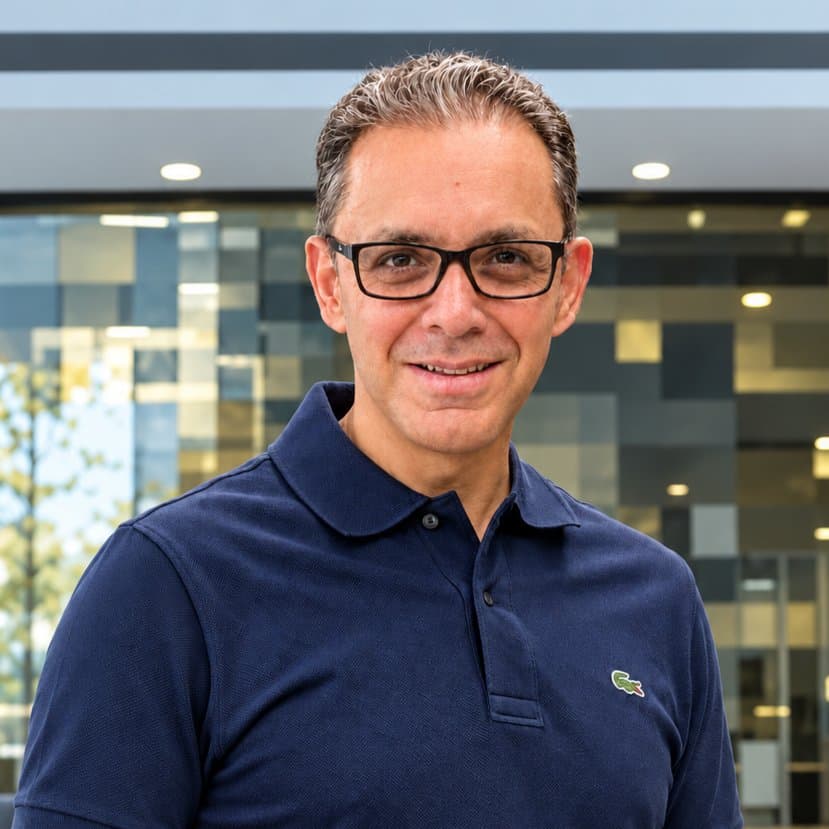
Shashank Sahni on What Success Leaves Out
Shashank Sahni, Google’s Managing Director of Global Ads Solutions, reflects on what customers reveal, what ambitious teams need from their leaders & what the mountains and marathons have taught him about going further.
Read Full Story
Corporate Visionaries
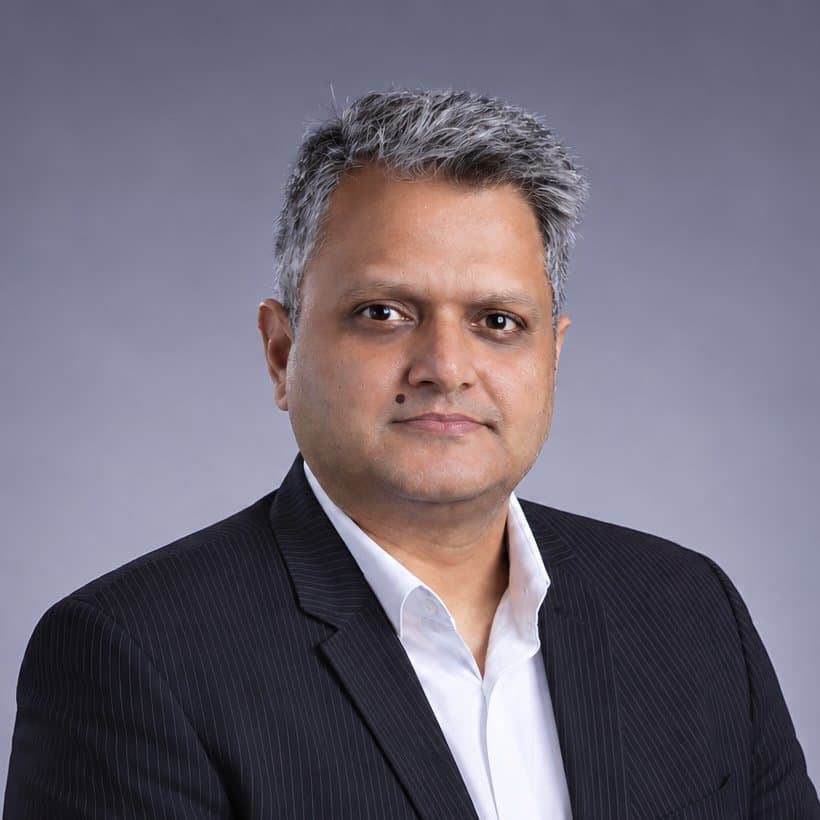
Clinical Multiplication: Divesh Singla on the Healthcare AI Case That Headlines Keep Missing
Divesh Singla, Managing Director, India at Veradigm, brings two decades in healthcare technology to the AI question leaders cannot avoid: how to expand clinical capacity without weakening human judgment.
Read Full Story
Corporate Visionaries
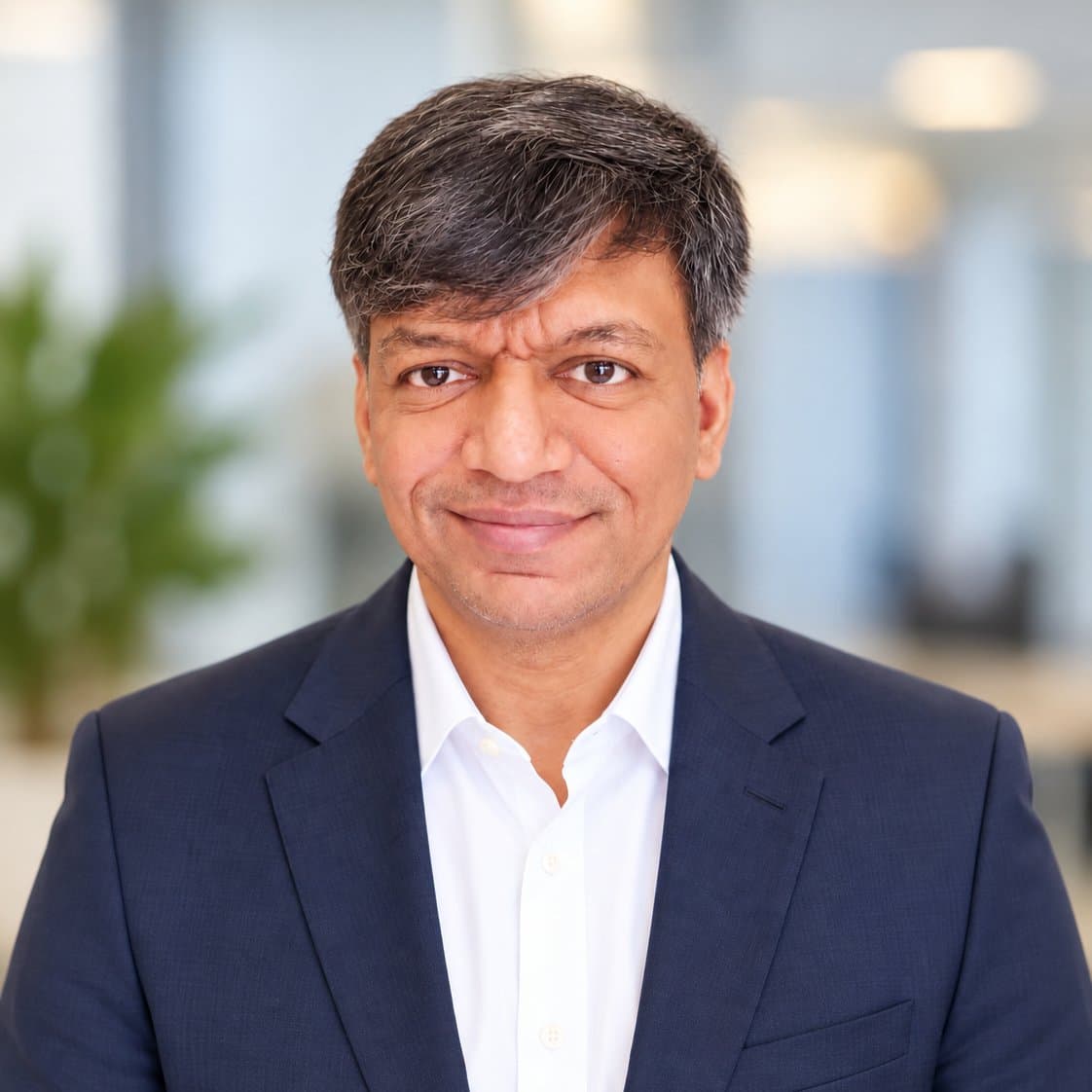
When AI Leaves the Lab: Gowrav Shekar on AI, Judgment and Building for Consequence
Gowrav Shekar, Head of Technology and AI Practices at Adani AI Labs, brings a builder’s lens to AI, shaped by real workflows, imperfect data, ownership, consequence and validation after deployment.
Read Full Story