Category: Founders & Innovators
Dr. Vaibhav Mittal represents a new generation of Indian leaders redefining legacy through ethics, endurance, and intelligence. Rooted in Lovely Group’s heritage and shaped by global experience, his philosophy bridges tradition and change. Across Lovely Professional University, Lovely Autos, and Karmic Beauty, he champions growth with integrity. For him, leadership means building systems where people thrive and values endure. In a world chasing speed, he stands for purpose. His message is simple: build patiently, lead truthfully, and let ethics define success.
The Discipline of Decency: Dr. Vaibhav Mittal and the Long View of Leadership
IndiSight Editorial
Dec 14, 2025
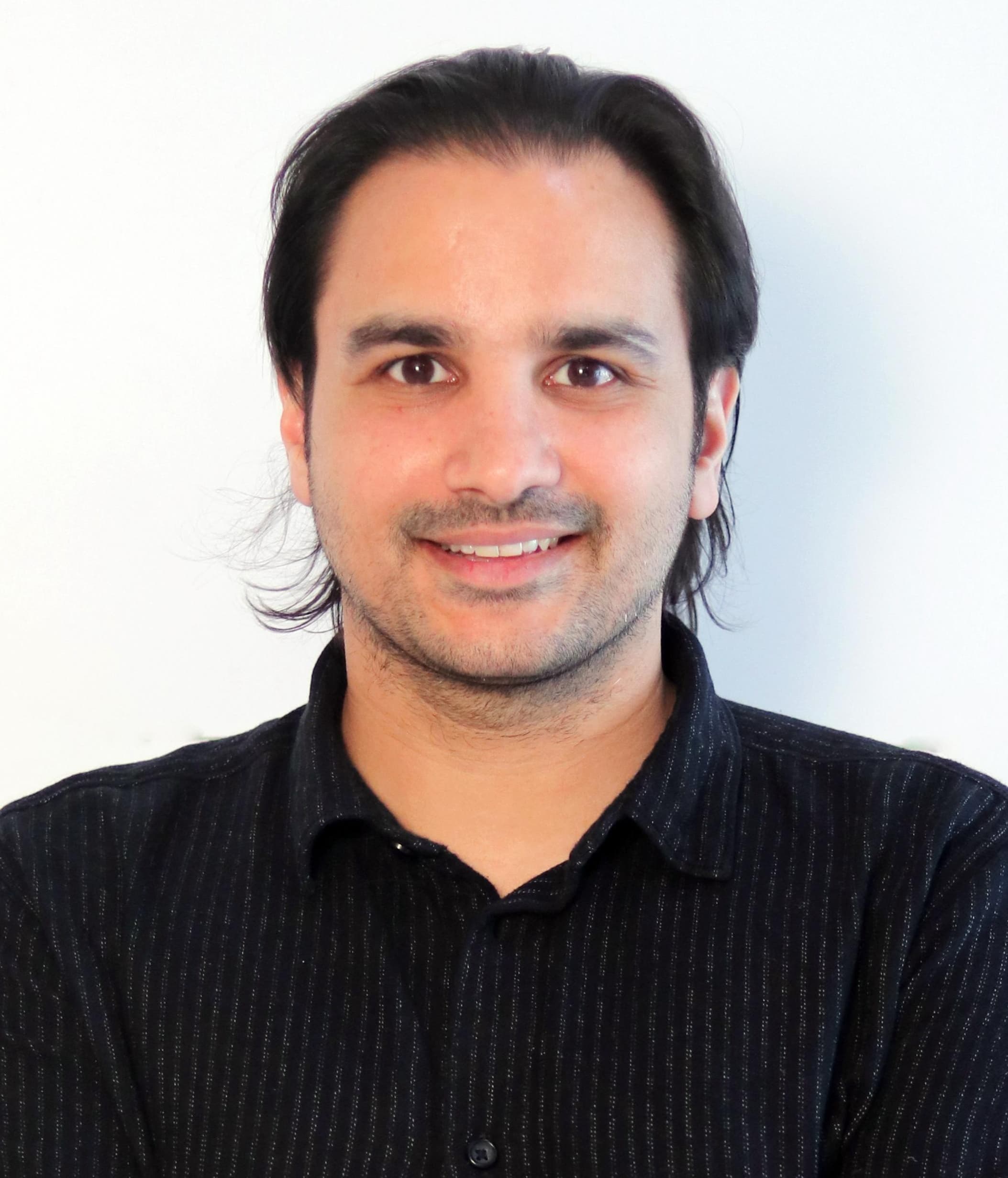
Dr. Vaibhav Mittal
Founder & CEO · Karmic Beauty
Jalandhar
Every generation inherits two things: opportunity and expectation. What one does with both defines the difference between succession and stewardship.
Dr. Vaibhav Mittal grew up inside the heartbeat of Lovely Group, a name that has become synonymous with Punjab’s entrepreneurial story, from Lovely Sweets to Lovely Autos to Lovely Professional University. He could have easily followed the template of scale. Instead, he has chosen to rethink what it means to build, sustain, and renew legacy in a changing India.
Today, he plays a pivotal role across three distinct ecosystems: higher education at Lovely Professional University, automotive retail through Lovely Autos, and conscious beauty with Karmic Beauty. He helps shape their direction alongside a larger leadership collective that drives the vision of Lovely Group. These worlds have little in common operationally, yet share a single foundation: the pursuit of doing things right, even when it takes longer and demands more discipline.
For Vaibhav, leadership begins not with ambition but with truthfulness, a principle he believes determines how far any vision can go.
The Architecture of Ethics
In a world that celebrates speed, Vaibhav’s philosophy insists on something rarer: endurance built on ethics. He believes that any success built on compromise carries an invisible expiry date. “You can reach point B faster,” he says, “but will it last?”
His reflections are shaped by practice, not theory. When Karmic Beauty began exporting products, he refused to bypass U.S. FDA compliance, a step many brands often ignore in the race to global shelves. It took months of paperwork and delayed profits, but it became a symbol of his operating philosophy: credibility over convenience.
Ethics, for him, is not a corporate checkbox. It is a competitive advantage. It builds reputational capital that cannot be bought, only earned. And in an era where consumers, investors, and employees all demand transparency, this moral clarity becomes strategy itself.
The choice is always between doing it quickly or doing it right. I choose right, even if it takes longer.
This insistence on integrity has roots in family and soil. Lovely Group was not built overnight; it was built through repetition, fairness, and emotional intelligence across generations. That same ethos now extends to every initiative he helps guide, proof that decency, when institutionalized, can scale just as fast as ambition.
Systems That Endure
Across Lovely Professional University, Lovely Autos, and Karmic Beauty, one principle governs all decisions: systems are sacred only if they serve people.
At LPU, he works closely with a deeply committed leadership team to evolve frameworks that allow a 30,000-student ecosystem to operate like a single living organism. Each process is designed not for control but for clarity. In the automotive business, the influence of Japanese operational precision runs deep, a discipline rooted in humility and detail. And at Karmic Beauty, creativity finds structure through clearly defined principles of sourcing, formulation, and sustainability.
“Leadership isn’t about doing more,” he explains. “It’s about designing better.”
His approach is architectural. He views institutions as ecosystems where small misalignments compound into large inefficiencies. Every system, therefore, must be adaptive, strong enough to handle scale, yet flexible enough to retain soul.
Like a conductor balancing rhythm and restraint, Vaibhav treats leadership as orchestration. “Each team is an instrument,” he says. “You don’t control them; you make sure they stay in tune.”
Responsibility as a Constant
Responsibility, to him, is not inherited through lineage but practiced through presence. From his early days helping to make ladoos at Lovely Sweets under his grandfather’s watchful eye to his years in Boston studying global strategic management, the idea has stayed the same: you own the outcome.
I was ten when I was asked to work in our family sweet shop, it wasn’t about the money; it was about grounding.
That grounding became a lifelong muscle. Whether collaborating on university strategy or shaping a skincare line, he never delegates accountability, only tasks.
“You can share responsibility,” he says, “but you can’t outsource it.”
This quiet philosophy echoes through his leadership style: humility without hesitation. He believes that authority should never overshadow accountability. “Power isn’t control,” he says. “Power is the privilege to make things better.”
For him, responsibility is not a burden. It is a form of gratitude, a way of honoring every person who came before and every team that stands beside him.
The Human Edge in a Digital Age
Vaibhav doesn’t dismiss technology; he redefines its role. “AI can process,” he says. “But it can’t perceive.”
His point is not poetic; it is practical. At LPU, technology amplifies mentorship, not replaces it. At Lovely Autos, analytics inform decision-making but never override human instinct. And at Karmic Beauty, AI may predict demand, but the touch that evaluates a product’s texture or scent still belongs to a human being.
He warns of a cultural risk: confusing efficiency for empathy. “A system can narrate a lake’s color,” he says, “but only human eyes can see its shades.”
This belief has global resonance. As businesses worldwide rush toward automation, Vaibhav’s philosophy reminds us that judgment, the ability to discern nuance, remains the last human monopoly. In his world, digital fluency and emotional fluency are not opposites; they are partners.
Accountability Without Control
Leadership, in his view, is a constant calibration between freedom and structure.
He doesn’t believe in micromanagement. “If I’m involved in every task,” he says, “I’ve failed at leadership.” Instead, he sets clear outcomes, aligns teams around them, and measures success through transparency, not proximity.
Accountability, for him, is objective. “We decide on a goal, and then we measure how far we’ve moved toward it,” he says. “If we fall short, we fix the system, not the person.”
This mindset allows his teams to experiment, fail, and recover without fear. It creates a culture where ownership grows naturally because trust flows both ways. “The success of the team,” he says, “is the success of the business owner.”
That sentence captures his entire leadership grammar: clear, collective, and calm.
Balancing Metrics and Morality
Vaibhav belongs to a rare breed of leaders who balance data with discernment. “You can feel when a team’s energy dips before the numbers show it,” he says.
He watches both the dashboard and the undercurrent.
In education, that undercurrent shows up in the joy of classrooms; in retail, in the tone of a customer’s voice; in beauty, in the confidence on a consumer’s face.
“Numbers matter,” he adds, “but so does how people feel when they achieve them.”
His global exposure sharpens this contrast. “In the U.S., outcomes drive emotion. In India, emotion drives outcomes.” That sentence captures a truth every multinational grapples with: culture shapes performance as deeply as incentives do.
His philosophy offers a bridge between the two. Marry precision with empathy. Measure what you can, but never ignore what you can feel.
The Inner Discipline
In a portfolio spread across continents and categories, Vaibhav’s greatest tool is calmness. “If calmness goes, judgment goes,” he says.
His discipline is visible in small habits. He begins his day in silence and ends only when every decision reaches closure. “I can’t end my day open-ended,” he says. “Every task must have a conclusion.”
This rhythm shapes not just his time but his temperament. “You can’t build resilient systems if the leader is restless,” he says.
His teams describe him as exacting yet patient. He insists on deadlines but never rushes thought. The philosophy is simple: consistency is stronger than intensity.
In an age that glorifies burnout as ambition, Vaibhav Mittal offers a quieter model: success without chaos.
The Music of Leadership
Music remains his deepest metaphor for leadership. A self-taught guitarist, pianist, and saxophonist, he treats every organization like a score, complex behind the scenes but seamless in sound.
“When I conduct, every team has its part,” he says. “If one plays off-key, the listener feels it.”
He finds in composition the lessons most MBAs miss. Great performances are rarely improvised; they are the result of endless practice. Harmony requires humility. And silence, the pauses between notes, matters as much as sound.
Complex harmonies create simple music. In leadership too, the simplicity people see outside comes from complexity managed inside.
This ability to translate art into management gives him an uncommon edge. It teaches him patience, attunement, and the discipline to listen, skills that define the world’s best leaders, whether in business or music.
The Long View of Legacy
Legacy, for Vaibhav Mittal, is not a monument; it is a method.
He resists the idea of empire-building. “I’m not building empires,” he says. “I’m building institutions.”
That distinction defines the way he sees the future of Lovely Group. Longevity, to him, is not just about endurance; it’s about evolution.
His grandfather’s advice still anchors him: Fly as high as you want, but keep your feet on the ground.
He encourages the next generation, including his own children, to pursue excellence, not inheritance. “Whatever you do,” he says, “do it completely. Finish what you start. That’s the only legacy worth passing down.”
He draws inspiration from global icons like Richard Branson, entrepreneurs who dared to diversify while staying true to core values. “If you do one thing with full mastery,” he says, “you learn the pattern of success. Then you can apply it anywhere.”
In a world obsessed with exits and valuations, his patience feels almost radical. “I’m not building Karmic Beauty to sell it,” he says. “It’s built to last.”
He prefers depth over noise, choosing to build patiently rather than chase the next big thing.
The Leadership Lessons
Through his work across Lovely Group, Lovely Autos, Lovely Professional University, and Karmic Beauty, a set of principles emerge, not as slogans, but as lived truths.
Ethics is the first system: In every industry, the temptation to cut corners will appear as efficiency. But integrity, like infrastructure, determines whether the system will hold when tested.
Simplicity is sophistication: Complexity is easy to create, hard to sustain. The real craft lies in reducing noise without losing nuance.
Calm is clarity: Panic distorts perspective. Leaders who remain composed in uncertainty give their teams permission to think, not react.
Accountability is a form of respect: People rise when they are trusted to deliver. Micromanagement kills creativity; ownership cultivates it.
Long-term thinking is the ultimate innovation: The boldest entrepreneurs today are those who plan for continuity, not applause. Legacy is the slowest form of disruption and the most enduring.
Leadership is shared space: No legacy is built alone. True stewardship means inviting others to carry the mission with you.
A Leadership Philosophy for the Future
Dr. Vaibhav Mittal represents a new generation of Indian leaders who are not chasing western validation but shaping global standards from an Indian ethos.
He stands for a version of progress where growth and grace coexist, where technology serves humanity, and institutions evolve without losing soul.
In him, we see the next draft of Indian enterprise: educated globally, rooted locally, and led by conscience. His philosophy could easily find place in a Harvard case study, yet its spirit remains deeply Indian, grounded, relational, and honest.
“The true test of leadership,” he says, “is not how fast you grow, but how you grow without losing who you are.”
That may be the essence of the long view he speaks of, a leadership that measures success not in quarters but in generations.
For those building the future, founders, educators, and creators, his story offers both guidance and grace. Build with purpose. Lead with calm. Compete with character.
Because in the end, as Dr. Vaibhav Mittal reminds us, “Simplicity is hard. Honesty is harder. Both are worth it.”
Our Suggestions to Read
Discover The Leaders Shaping India's Business Landscape.
Founders & Innovators
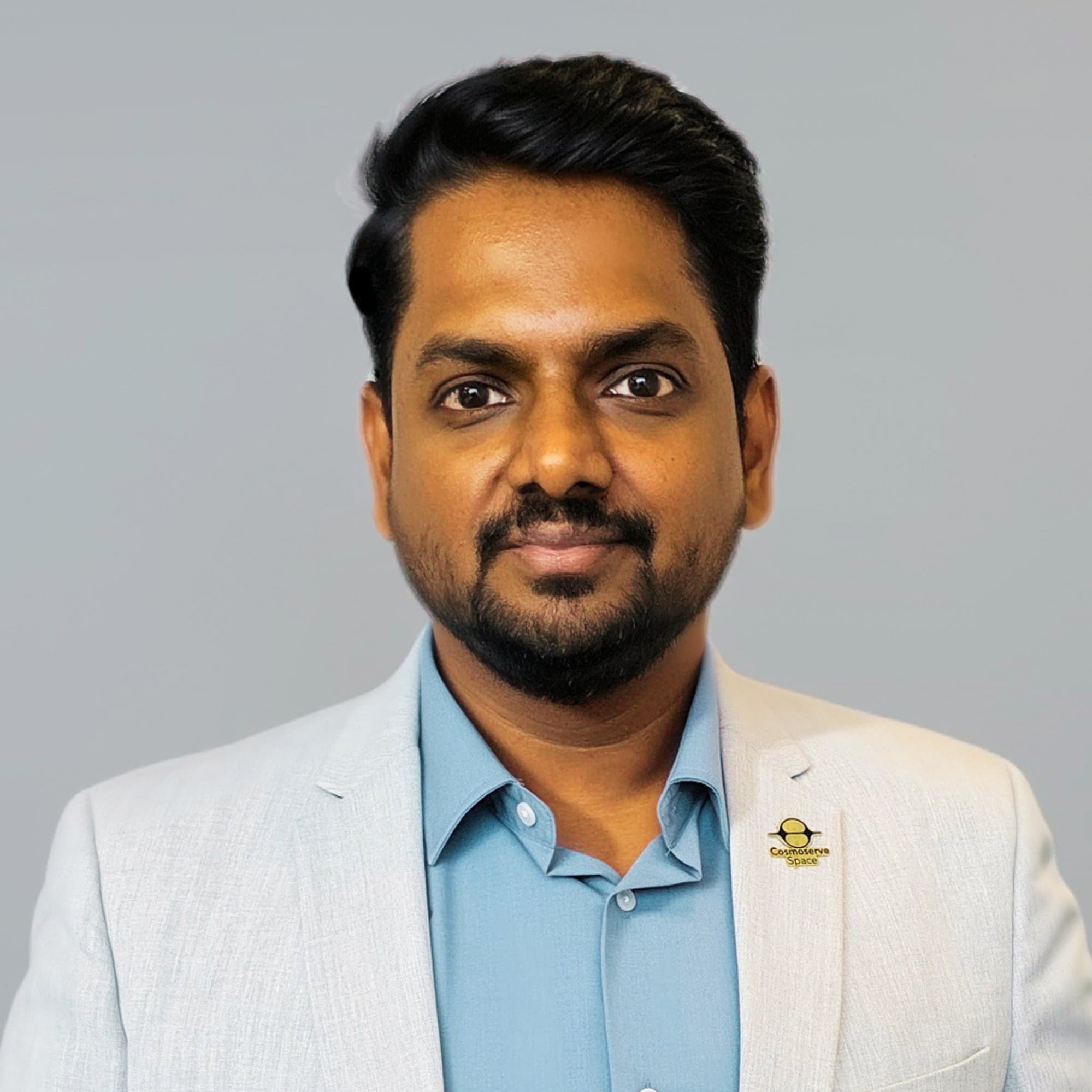
Building the Next Space Economy: Chiranjeevi Phanindra and Cosmoserve's Case for Orbital Maintenance
Chiranjeevi Phanindra, Founder & CEO of Cosmoserve Space, spent 14 years at ISRO working on re-entry and human spaceflight. Today, he is focused on a vital challenge: keeping Earth’s orbit usable.
Read Full Story
Corporate Visionaries
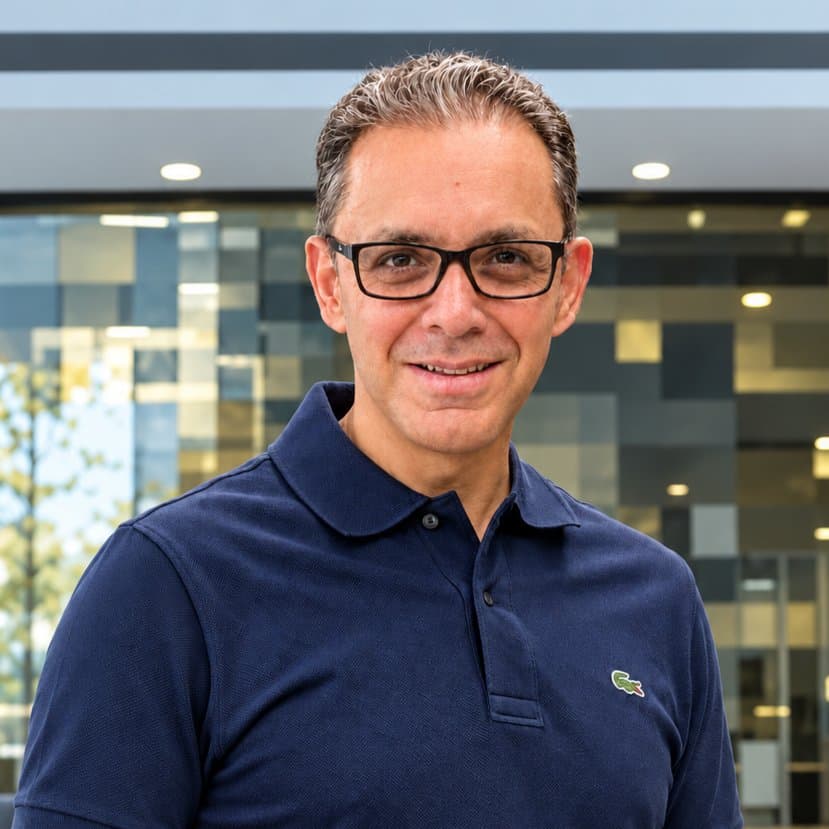
Shashank Sahni on What Success Leaves Out
Shashank Sahni, Google’s Managing Director of Global Ads Solutions, reflects on what customers reveal, what ambitious teams need from their leaders & what the mountains and marathons have taught him about going further.
Read Full Story
Corporate Visionaries
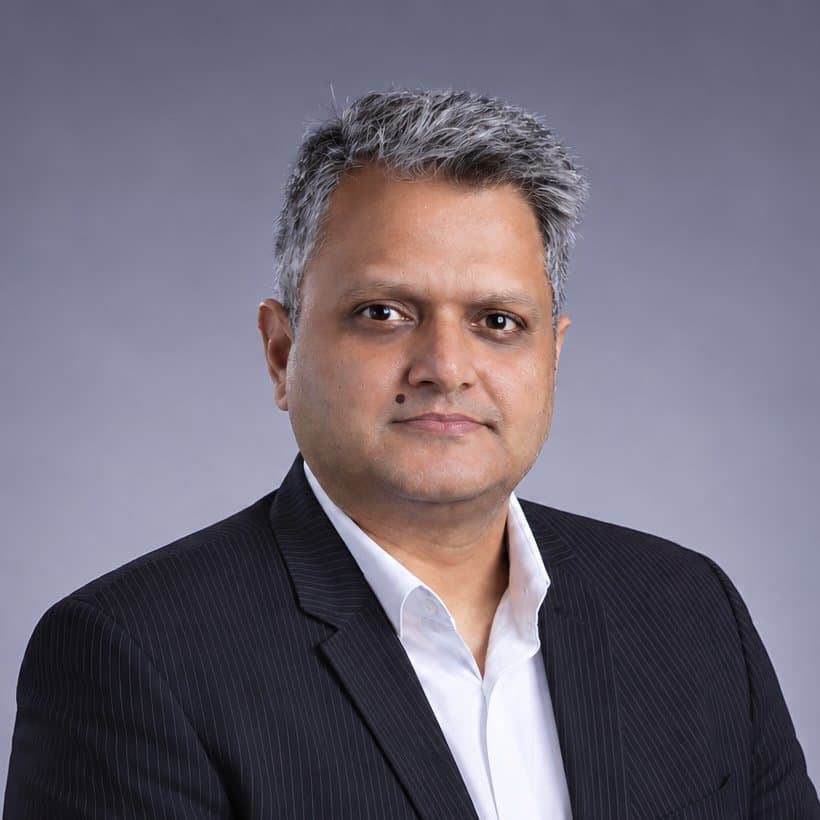
Clinical Multiplication: Divesh Singla on the Healthcare AI Case That Headlines Keep Missing
Divesh Singla, Managing Director, India at Veradigm, brings two decades in healthcare technology to the AI question leaders cannot avoid: how to expand clinical capacity without weakening human judgment.
Read Full Story