Category: Education Leadership
For four decades, Dr. Neeta Bali has championed a simple belief: protect the child, empower the teacher, and build schools where character matters as much as achievement.
Dr. Neeta Bali: The Educator Who Measures Success in Lives, Not Grades
IndiSight Editorial
Aug 18, 2025
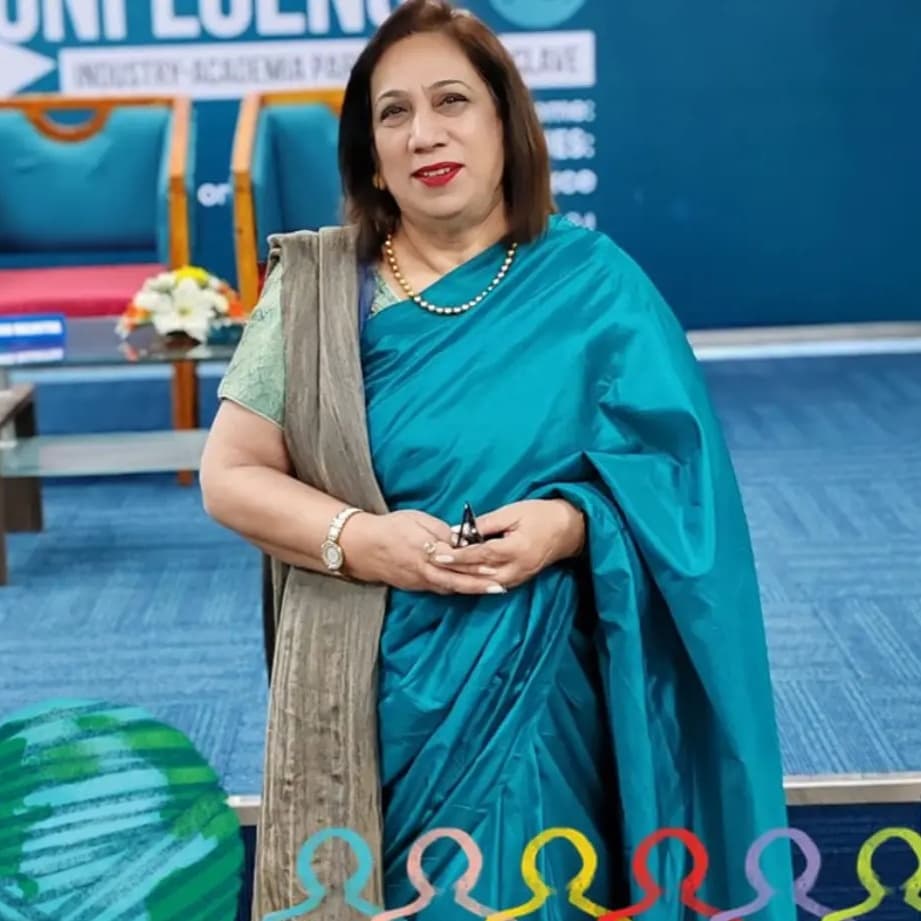
Dr Neeta Bali
Director Academics
Noida
The Hand That Didn’t Go Up
In her first year of teaching, 24-year-old Neeta Bali decided to end a Grade 12 class with a simple question: “How many of you see yourselves becoming teachers?”
The room stayed quiet. Then one student spoke, “Because teaching is a middle-class profession.”
It was a moment that stayed with her, not for the sting but for the questions it raised about how society values educators.
“It rattled me,” she remembers. “I thought, am I doing the right thing?”
For weeks she wrestled with the question. Her parents reminded her to look beyond the pay cheque, to the intangible rewards. In time, she would see them: an old student stopping her in an airport to say, “Your classes made me a writer.” Another wrote to her from abroad, “You taught me to speak with confidence.”
“You realise you’ve built a legacy,” she says now. “The love and regard of your students, you can’t put a price on that.”
Listening Before Leading
Four decades later, Dr. Neeta Bali has led day schools, boarding schools, international programmes, and legacy institutions. Yet she begins every leadership role the same way: quietly.
“The first six months, I don’t try to change anything,” she says. “I listen. I watch. I learn the aspirations of the management. If you impose change, you invite resistance. You have to be non-threatening, to show you’re here to add value, not to take something away.”
Every school, she believes, has a personality with its own quirks, strengths, and blind spots. The work of a leader is to read that character before attempting to change it.
A School’s Body and Soul
Ask her to picture a school as a living organism and her metaphor unfolds with precision. “The leader is the nervous system, you cannot break down when there is turbulence. Teachers and parents are the spine; without them, nothing moves. And the heart is, of course, the children. Without them, there is no school.”
It is more than an image; it is a leadership blueprint. Protect the heart fiercely. Keep the spine strong. Steady the nervous system, no matter the storm.
When Real Learning Begins
For Dr. Bali, the most profound education begins outside the syllabus. “Life is not determined by the marks you score,” she says. “I have seen average students excel because they had empathy and people skills no report card could capture.”
She names the non-negotiable skills: problem-solving, collaboration, articulation, and communication. “The so-called average can become great if supported. Success is personal gratification, not just a fat salary.”
Her convictions are sharpened by stories she cannot forget, parents pressuring children to breaking point, young professionals in coveted jobs succumbing to despair. “The greatest gifts you can give your children are resilience and a spiritual belief to fall back on. That is what keeps you grounded when the world gets rough.”
The 3:30 a.m. Philosophy
Her own grounding starts long before dawn. Dr. Bali rises at 3:30 a.m., spending two and a half hours in meditation, prayer, and chanting before planning her day in a paper diary.
“Those hours are my me-time,” she says. “They keep me sorted. By the time I walk into work, I know exactly what my day will hold.”
It is a discipline she credits with helping her carry the invisible weight of leadership decisions without losing clarity.
Authority Without Authoritarianism
Dr. Bali’s style is rooted in presence, not dominance. “Give people space to think, to express, to feel validated. There is no need to be Hercules and carry the world on your shoulders. Leading with empathy makes your job easier and makes people want to walk in step with you.”
In the classroom, the same principle holds. “Children gravitate to teachers they connect with. Love for a teacher often becomes love for the subject.”
She still remembers the day her Grade 8 English teacher, Mrs. Mira Balachandran, returned her essay, pages awash in red ink. “I asked her why, and she said, ‘This red shows how much I love you. One day, you’ll make a great English teacher.’” It was a prophecy that shaped her path. “The influence of a teacher lasts an eternity,” Bali says.
When Innovation Meets Resistance
Introducing flipped classrooms, gamification, and AI tools into traditional systems can meet scepticism. Bali’s solution is disarmingly simple: show, don’t tell.
During one training session, she introduced a mind-mapping AI tool. In seconds, it generated a visual map of the French Revolution. “The excitement was immediate,” she says. “Until people see the benefit, innovation will not happen. But when they do, they own it.”
Her advice to educators is unequivocal: “If you resist change, you become redundant. The key is to adapt.”
Identity on Her Own Terms
Dr. Neeta Bali has always defined herself by her work, not by conventional expectations. “I am a teacher or a director first, then a mother or wife. I have never seen value in spending my time on tasks that someone else can do if my calling needs my focus.”
Her family shares that belief. “My husband and children have respected my commitments and shared responsibilities at home so I could give my all to my work.”
Equity as the Great Equaliser
Looking ahead to India’s Vision 2047, she is clear-eyed about the priority. “If government schools matched private schools in quality and facilities, it would be a game changer.”
She calls for greater autonomy for private schools, balanced by rigorous accountability, and for public schools to adopt the kind of regular benchmarking that keeps global systems such as the IB curriculum sharp.
India’s Gift to the World
In a global context, Dr. Bali sees two things India can offer: enduring respect for teachers and a cultural heritage rich with life practices that transcend academics. “Look at yoga; we have taken it to the world. We can do the same with other parts of our legacy.”
The Blueprint for Future Leaders
Her vision for tomorrow’s school leaders is non-negotiable on well-being. “A child’s worth is not marks alone. Schools must be safe, secure, and adaptable. Teachers must be respected and supported in their own growth.”
And for students: “Prepare them not just for exams or jobs but for life. For leading with empathy, for contributing to society, and for embracing change as the only constant.”
What Stakeholders Can Take Home
For School Leaders
Spend your early months observing before changing.
Strengthen the “spine” of teachers and parents; protect the “heart” of children.
Lead with empathy and composure in turbulence.
For Teachers
Connection often outweighs pure subject expertise.
Adopt tools and methods once you see their benefits.
Champion every child’s unique strengths.
For Policymakers
Prioritise equity across public and private education.
Balance school autonomy with robust accountability.
Make teacher development a national focus.
For Parents
Value resilience and emotional well-being as much as grades.
Support schools in building life skills alongside academics.
Give children safe, judgment-free spaces to express themselves.
The Hand That Went Up
Four decades after that first disheartening classroom exchange, Dr. Neeta Bali still steps into schools with the same mix of curiosity and conviction. But now, if she asks her students whether they would consider becoming teachers, she sometimes sees a hand or two go up.
“They have seen that education is not just a profession,” she says, smiling. “It is a way of shaping the world.”
And in her world, the true measure of education will never be found in a marksheet. It will be written in the lives that stand taller, speak clearer, and face the future with courage because a teacher once believed they could.
Our Suggestions to Read
Discover The Leaders Shaping India's Business Landscape.
Founders & Innovators
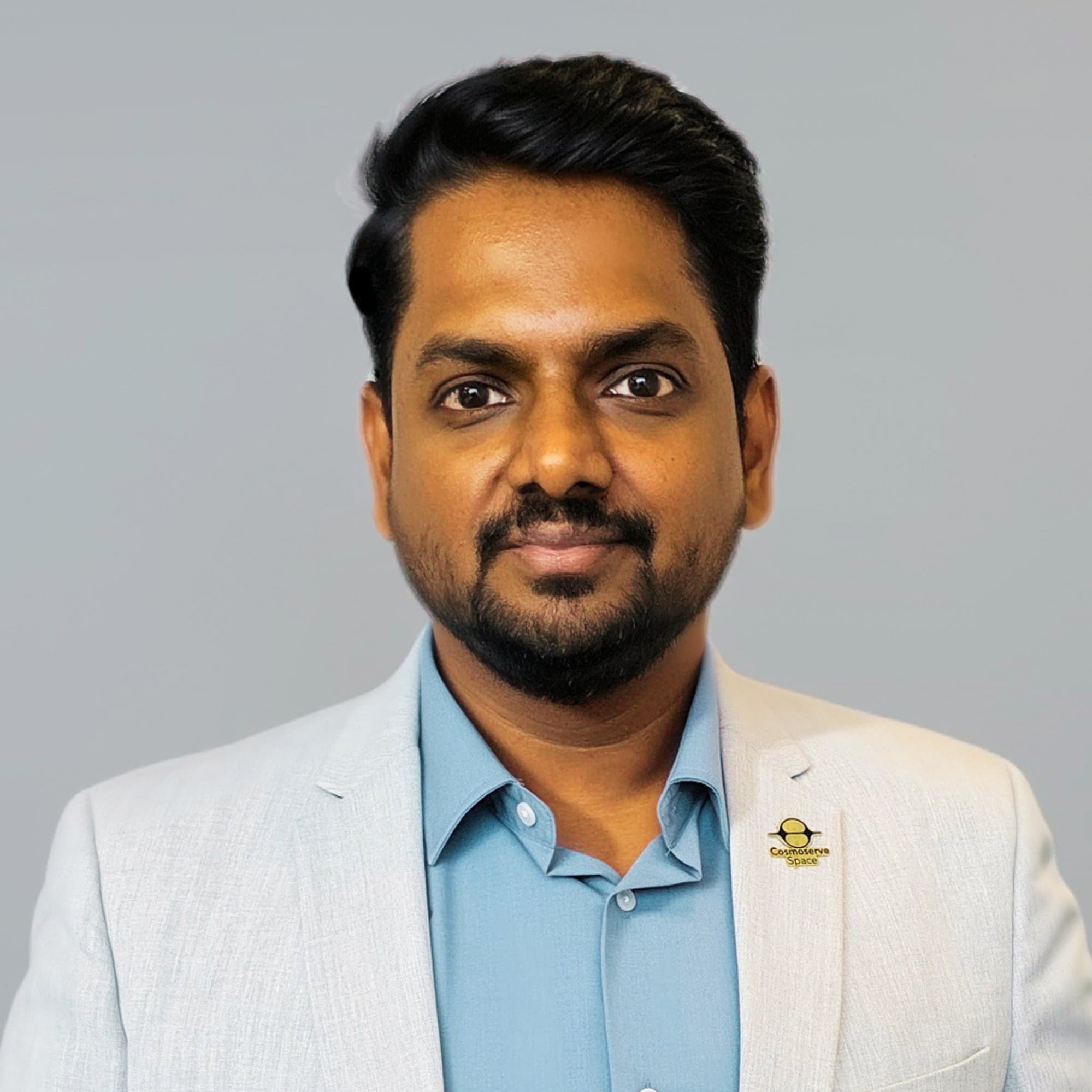
Building the Next Space Economy: Chiranjeevi Phanindra and Cosmoserve's Case for Orbital Maintenance
Chiranjeevi Phanindra, Founder & CEO of Cosmoserve Space, spent 14 years at ISRO working on re-entry and human spaceflight. Today, he is focused on a vital challenge: keeping Earth’s orbit usable.
Read Full Story
Corporate Visionaries
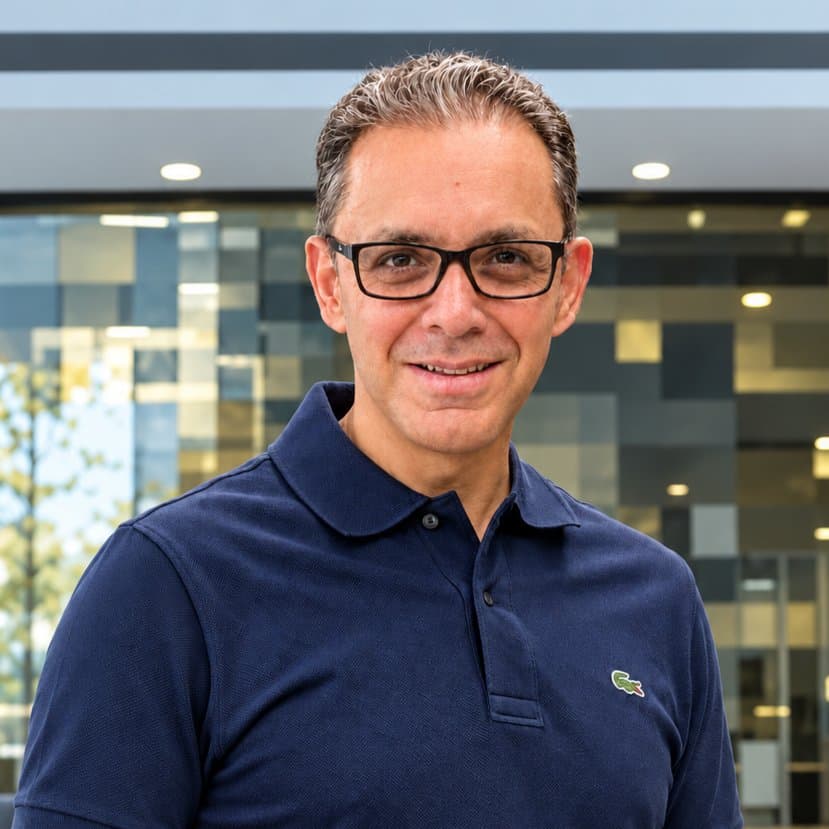
Shashank Sahni on What Success Leaves Out
Shashank Sahni, Google’s Managing Director of Global Ads Solutions, reflects on what customers reveal, what ambitious teams need from their leaders & what the mountains and marathons have taught him about going further.
Read Full Story
Corporate Visionaries
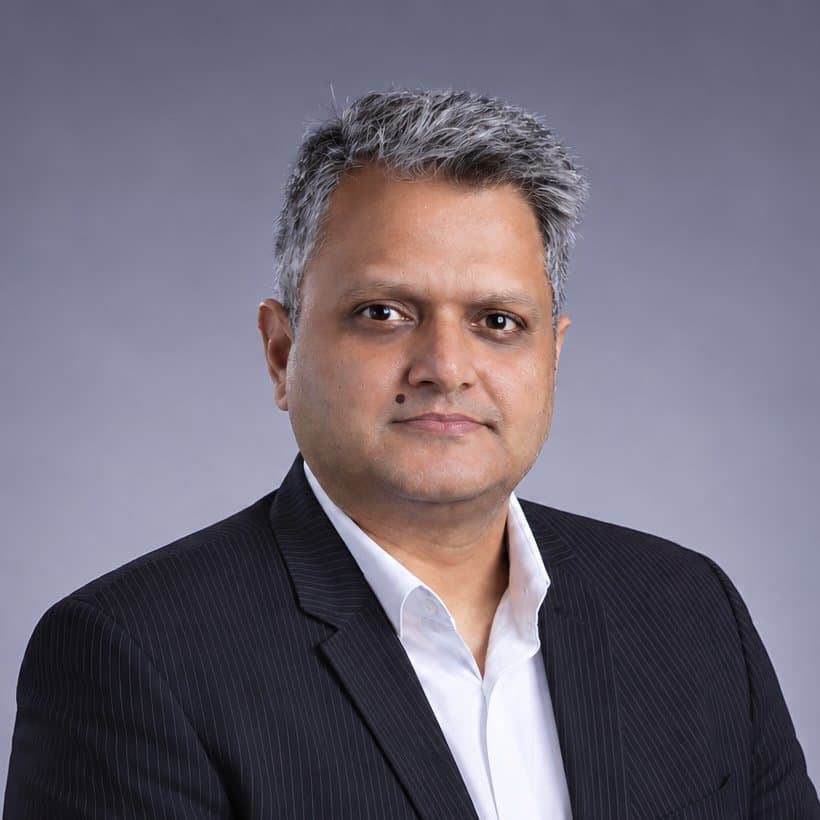
Clinical Multiplication: Divesh Singla on the Healthcare AI Case That Headlines Keep Missing
Divesh Singla, Managing Director, India at Veradigm, brings two decades in healthcare technology to the AI question leaders cannot avoid: how to expand clinical capacity without weakening human judgment.
Read Full Story