Category: Corporate Visionaries
Sanjeev Sahgal, Chief People Officer at Assurant, believes enduring organizations are built on trust, humility, and cultures where people feel safe, supported, and seen.
Being Human Is Better Than Being Right: The Quiet Power of Sanjeev Sahgal's Leadership
IndiSight Editorial
Aug 21, 2025
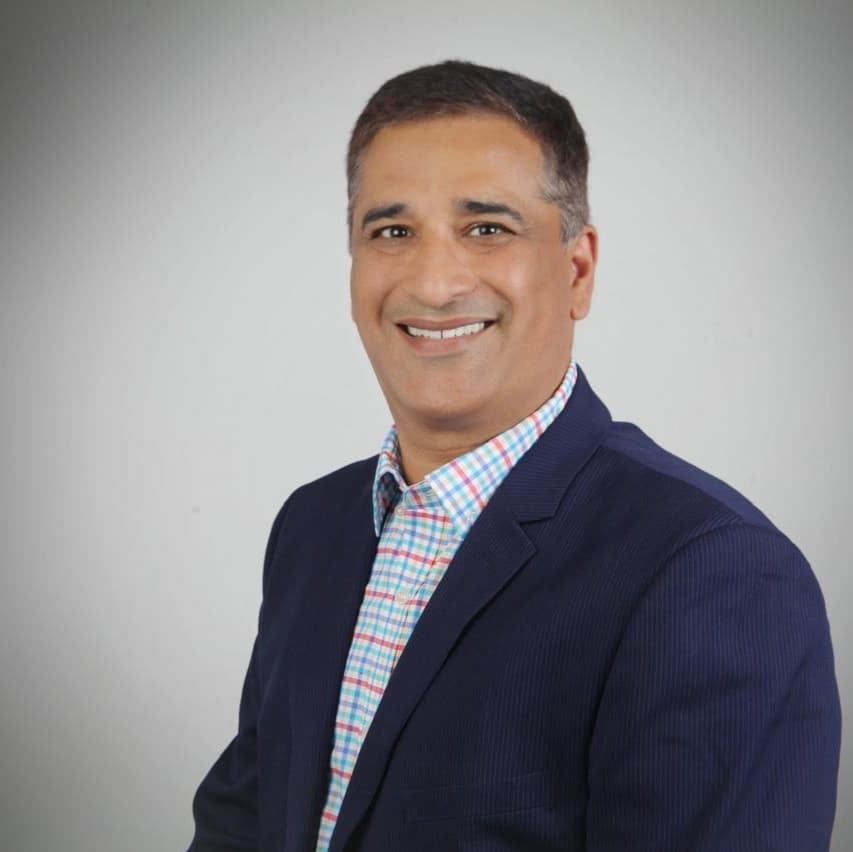
Sanjeev Sahgal
Command doesn’t inspire loyalty. Control doesn’t build culture. But trust? Trust rewires institutions. Sanjeev Sahgal has spent 30 years proving that the quietest force in leadership is also the most transformative. He doesn’t just lead teams, he reconditions systems to breathe, heal, and grow.
Across a career that has spanned over three decades and continents, from India’s emerging markets, to Washington DC’s multilateral ambitions, to Kenya’s youth power, he’s stayed rooted in one truth: leadership is not a show of certainty, but a practice of sincerity.
In a world where charisma often outshines character, Sahgal reminds us that the most enduring form of influence begins not with answers, but with presence.
“If my leadership journey were a message in a bottle to future changemakers, it would say: I’ve made mistakes, changed course, and learned more from people than from any playbook. Leadership isn’t about always having the answers, it’s about showing up with sincerity, listening deeply, and choosing connection over certainty. Being human is better than being right.”
The Grit No One Sees
Sanjeev didn’t enter the workforce with an Ivy League pedigree or a powerful surname. He began by selling fax machines in the early 90s, navigating dusty industrial parks, facing daily rejection, and learning to read people, not scripts. “Those early days shaped how I listen,” he shares. “I was new to sales, trying to explain a product most people didn’t think they needed. But it taught me humility, and resilience.”
His first entrepreneurial venture, a small retail business, failed. “I borrowed money from my father’s friends to set up the business, but I knew that scaling it meant infusing significant capital. And it didn’t work. But I never looked at it as a failure. It was a lesson to learn from.” That formative experience taught him two truths: one, that clarity matters more than confidence. And two, that systems, not effort alone, determine outcomes.
Scaling Through Curiosity, Not Credentials
Sanjeev’s career has taken him through a series of high-stakes leadership roles, each one shaped not by titles but by his appetite to grow. At Motorola, he absorbed the discipline of operations and service excellence. At Genpact, he stepped into the world of large-scale transformation, leading multiple roles: operations, six sigma and then HR team during a time of hypergrowth.
At Target, he led people strategy and operations across India, focusing not just on efficiency but on empathy. “We were building a scaled team in a new geography, to support Target’s growth plans. I learned quickly that you can’t import culture. You have to listen to what the local context is trying to teach you.”
Then came his time at the World Bank Group, a turning point in both mindset and influence. He joined to set up the first HR Shared Services capability and then worked as the Head of HR Strategy and Agile HR. He introduced systems that not only improved process efficiency but shifted culture. From building cloud-based talent platforms to designing agile teams, his work touched employees across 130 countries. “Our job wasn’t to control people through systems. It was to liberate their potential by making systems lighter, faster, kinder.”
He then moved into the humanitarian sector, taking on the role of Chief People Officer at Mercy Corps. There, leadership meant designing trust, not just policy. “You can’t coach someone through a crisis unless they feel safe. When you’re operating in Syria, Gaza, or Iraq, what matters is not HR policy, it’s how fast you can build a bridge of trust.”
Today, he leads the People Experience team at Assurant, guiding the strategy for Global Capability Centers. His mission? To develop the technology and operational ecosystem that gives employees not only the experience they deserve, but also builds a global network of talent to enable Assurant’s growth.
The Sahgal Doctrine: 9 Sharp Beliefs for the Future of Leadership
Through his career, Sanjeev has crystallized a set of deeply lived, sharply articulated principles. These aren’t theoretical, they’re operational. And they’re designed for a world of ambiguity, not certainty.
1. Trust Is Infrastructure.
“It’s how your systems behave when you’re not in the room.” It’s not a slogan, it’s the invisible current running through every culture that sustains under pressure.
2. Curiosity Over Certainty.
“Certainty comforts the ego. Curiosity builds the future.” Good leaders ask better questions. The best ones ask them even when they know they won’t like the answers.
3. Resilience Isn’t Brute Force.
“It’s metabolizing pain through supportive relationships.” Real resilience is relational. It’s not about enduring silently, it’s about recovering collectively.
4. Global Leadership = Local Humility.
“Leadership must translate. Humility always does.” In his words, authentic leaders don’t worry about credit. They focus on impact.
5. Clarity > Charisma.
“People follow an emotional connection. Not just delivering results.” Clear feedback, grounded communication, and emotional transparency last longer than grand vision decks.
6. Use Power to Protect.
“If your power isn’t making people braver, it’s making them fearful.” For Sahgal, leadership is protection, not projection.
7. Agile HR Is Not a Trend. It’s a Muscle.
“Solve in iterations. Build with feedback. Adapt constantly.” Across all his experiences, Sahgal championed lean and agile principles, not as workshops, but as design DNA.
8. Technology Should Serve, Not Replace.
“RPA, AI, self-service, yes. But only in the way where it enhances humanity and not replaces it.” He views technology as a differentiator, meant to grow human capabilities and not just drive lower costs.
9. Hire for Values, Not Just Velocity.
“Ask how they lead when stakes are high. Look for integrity, not noise.” Skill can be taught. Integrity is non-negotiable.
Lessons You Can Carry
Sahgal’s journey isn’t just personal, it’s transferable. Across his leadership narrative are lessons for anyone building something meaningful, under pressure, with limited room for error.
For Aspiring Leaders:
You don’t need permission to lead. But you do need presence.
Title is a lagging indicator of influence. Culture is a leading one.
When in doubt, protect your people before you project your plan.
For Students Starting Out:
Guide your life choices using a compass and not a stopwatch.
Your degree won’t open every door. But your resilience will.
Update, upgrade, upskill. Not once, but always.
Learn to listen faster than you speak. Especially to yourself.
For Entrepreneurs Dreaming Bigger:
Build systems that don’t collapse when you’re tired.
Don’t just pitch, practice. Don’t just raise, earn.
If trust isn’t part of your product, your product won’t last.
A Final Word That Doesn’t Shout
Sanjeev doesn’t claim to be a disruptor. He doesn’t call himself visionary. But if you listen closely, what he models is even rarer: quiet power. A presence that anchors teams. A mindset that refuses to coast. A humanity that reshapes systems.
He isn’t the loudest voice in the room. He’s the one people remember when the room falls silent.
“Leadership isn’t about always having the answers, it’s about showing up with sincerity, listening deeply, and choosing connection over certainty.”
Sanjeev Sahgal has walked through crises, corporations, and countries. But in every space he’s entered, from shop floors to boardrooms, he’s left behind something stronger than a strategy: trust.
And if that’s not leadership, what is?
Our Suggestions to Read
Discover The Leaders Shaping India's Business Landscape.
Corporate Visionaries
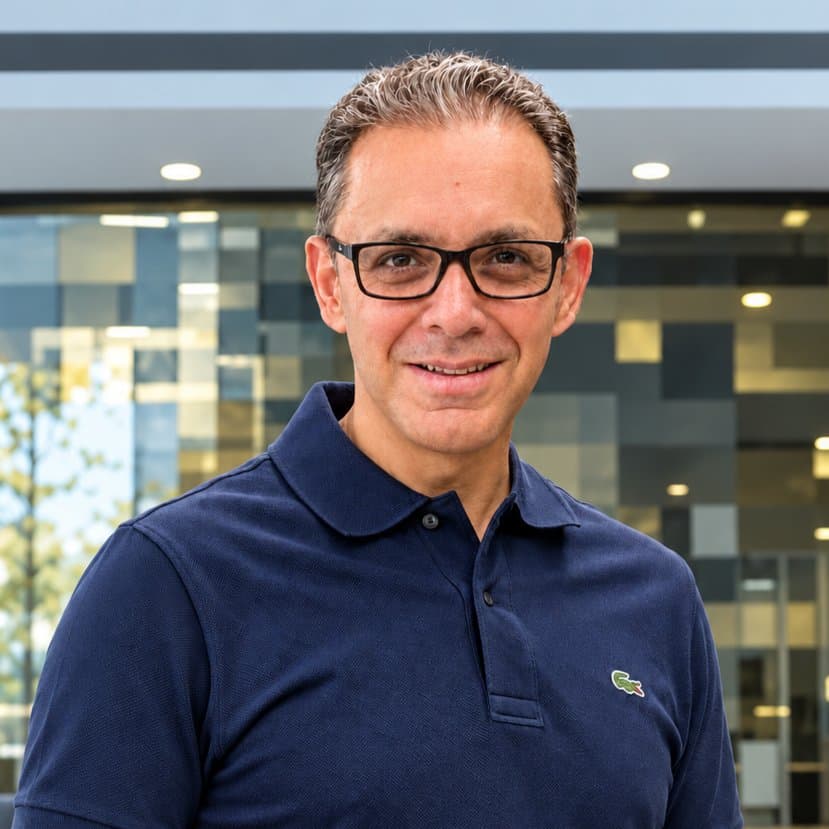
Shashank Sahni on What Success Leaves Out
Shashank Sahni, Google’s Managing Director of Global Ads Solutions, reflects on what customers reveal, what ambitious teams need from their leaders & what the mountains and marathons have taught him about going further.
Read Full Story
Corporate Visionaries
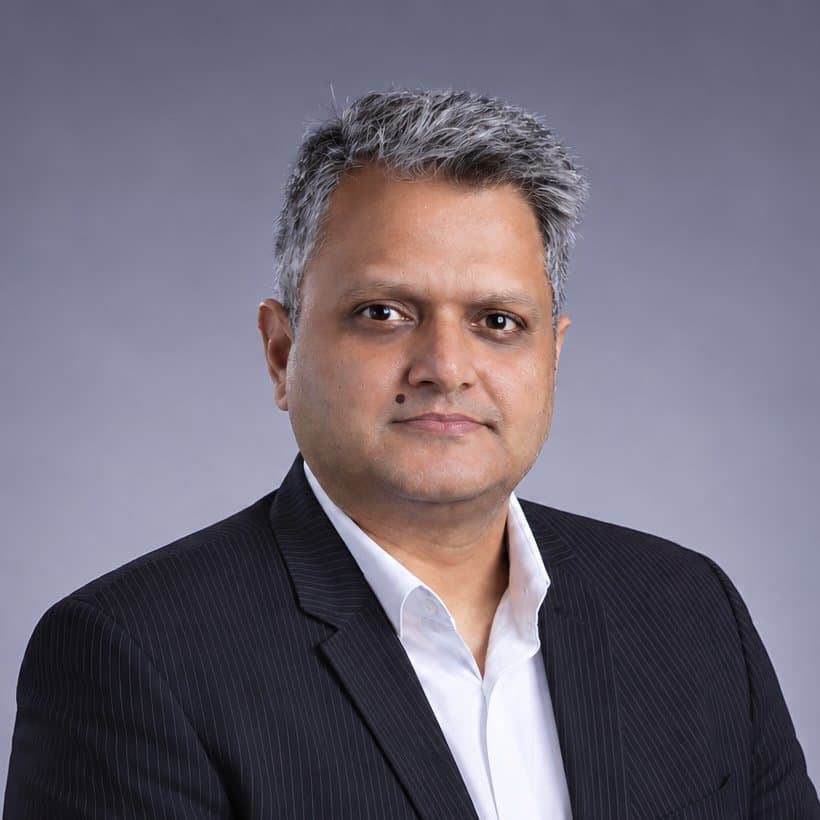
Clinical Multiplication: Divesh Singla on the Healthcare AI Case That Headlines Keep Missing
Divesh Singla, Managing Director, India at Veradigm, brings two decades in healthcare technology to the AI question leaders cannot avoid: how to expand clinical capacity without weakening human judgment.
Read Full Story
Corporate Visionaries
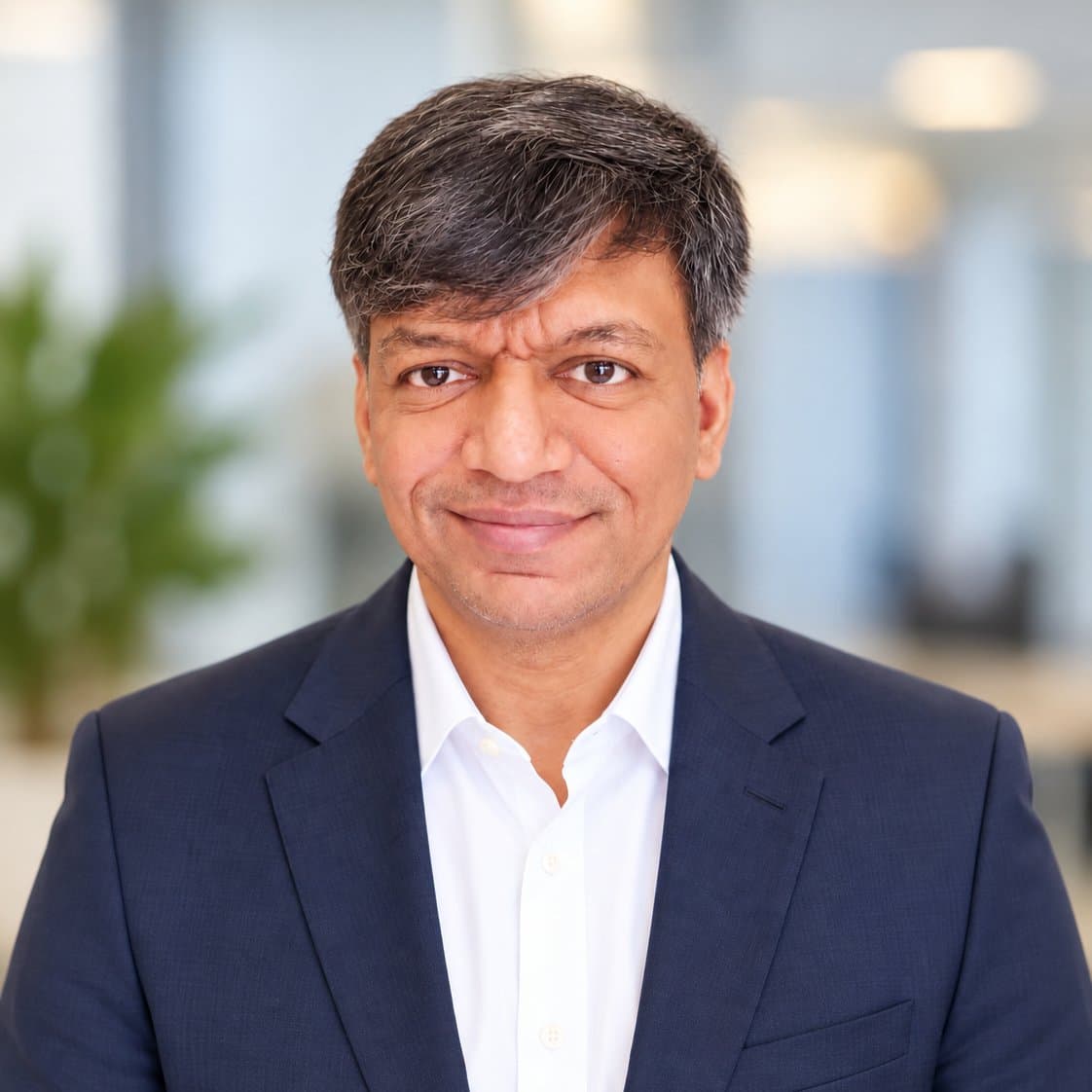
When AI Leaves the Lab: Gowrav Shekar on AI, Judgment and Building for Consequence
Gowrav Shekar, Head of Technology and AI Practices at Adani AI Labs, brings a builder’s lens to AI, shaped by real workflows, imperfect data, ownership, consequence and validation after deployment.
Read Full Story