Category: Corporate Visionaries
Siddhartha Vachaspati’s journey dismantles the credential fallacy, proving that enduring leadership is built on humility, field immersion, and the discipline to stay a lifelong learner. His ecosystem of personal mastery, people multiplication, and internal selling shows how leaders create influence by building trust, not by collecting degrees. His career across six countries stands as evidence that resilience, thought leadership, and human systems not credentials, are what truly scale organizations.
Why Leadership is Internal Selling: Siddhartha Vachaspati on Thought, Trust, and Legacy
IndiSight Editorial
Nov 4, 2025
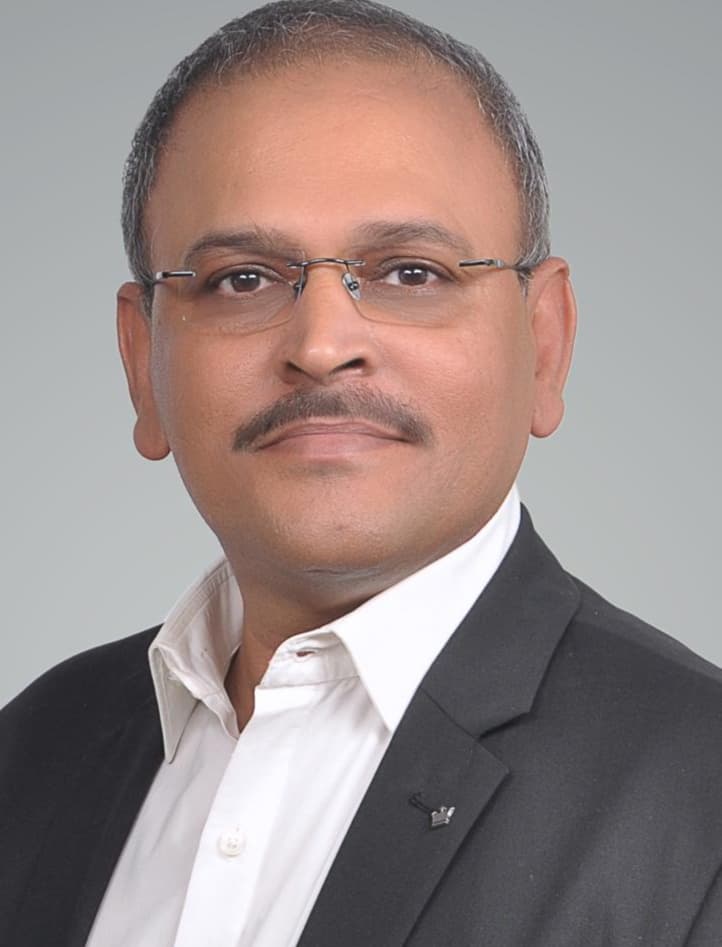
Siddhartha Vachaspati
Chief Business Officer · Sugar Cosmetics Inc
Mumbai
Paradigm Challenge: Beyond the Credential Fallacy
For decades, leadership pipelines across the corporate world have been built on a simple assumption: credentials equal competence. MBAs became passports to the boardroom, pedigrees became proxies for potential, and entire recruitment systems were designed to reward institutional prestige over lived performance. Yet the cracks in this model are widening as Execution Still Ate Strategy for Breakfast. Organizations now face leaders who check every academic box but falter in real-world complexity.
This begs to bring to light an important perspective: What if the real differentiator of leadership is not the degree on the wall but the discipline to remain a learner, the capacity to multiply leaders, and the endurance to transform pressure into energy?
Siddhartha Vachaspati’s career forces us to confront that question. He started out as the son of a railway employee from Uttar Pradesh and worked his way up to successfully running businesses of more than ₹1,500 crores while working in six different countries without a management degree. He didn't get this rise because of his credentials; instead, he used a philosophy he calls "internal selling" and a leadership style based on human systems inspired by his own managers.
The Vachaspati Leadership Ecosystem™
Siddhartha’s approach can be understood as a three-layered ecosystem that reframes leadership as the deliberate design of human systems rather than the optimization of metrics.
Foundation Layer: Personal Mastery
Field Immersion Principle: “Sunlight is better than tube light.” Learn from the ground to see what is working and not, data still hides a lot.
Endurance as Energy: Intensity is sustainable only when paired with purpose, recognition, and capability.
Learning Humility: Stay a learner through and through and carry the same stance into every stage of leadership.
Scaling Layer: People Multiplication
Mentor Network Architecture: Remain connected to those who helped shape you and replicate that for juniors.
Leader Development Systems: Build teams where many grow into CEOs and business heads.
Trust Capital Accumulation: Measure leadership in the loyalty and growth of people, not in quarterly scores alone.
Strategic Layer: Organizational Influence
Internal Selling Mastery: Execution keeps you running; thought leadership sets you apart.
Cultural Architecture: Redesign intensity so that it fuels performance instead of draining it.
Validation-Based Strategy: Recognize that trust and reassurance drive markets as much as technology or scale.
Proof Point: Siddhartha as Living Evidence
Theories will remain as abstract notions until they are tested against the unpredictability of real markets. Siddhartha’s career is proof of the same. His entry into sales was neither measured nor scripted. With no polished MBA case studies to rely on, he began with cold calls, rejections, and the relentless grind of frontline selling. He still remembers his first day: up at 4:00 a.m., back close to midnight, and not a single meal in between. That experience crystallized his belief that endurance precedes excellence.
Over 21 years at Procter & Gamble, he rose through a sequence of increasingly complex roles across India, Singapore, Malaysia, Vietnam, and the Middle East. Along the way, he managed portfolios worth over ₹1,500 crores, integrated brands like Gillette into complex distribution systems, and expanded reach to more than one million new stores. Yet what he emphasizes most is not the revenue milestones but the people. “I had 21 managers in my career, and I still treat myself as a learner with each of them,” he says.
This learner’s posture is the foundation layer of his ecosystem. It allowed him to adapt across markets, absorb lessons from vastly different cultural contexts, and transmit the same humility to his teams. The result is the scaling layer: juniors who once reported to him now serve as CEOs and business heads. Siddhartha calls this his deepest source of satisfaction. For him, leadership is not measured by promotions earned but by leaders created.
The strategic layer became visible when he reframed selling itself. Early in his career, selling meant convincing customers to buy. In larger roles, it meant something else. “Execution and communication will keep you running,” he explains, “but they will not make you successful. What sets you apart is thought leadership; knowing something more than many in the room and showing that you think ahead of the curve.” This is what he calls internal selling: influencing boards, aligning cross-functional teams, and ensuring that execution is fueled by commitment, not compliance.
Even the anecdotes that sound simple reveal profound truths. His mantra, “Sunlight is better than tube light,” underscores the field immersion principle. His scrapbook, a 150-page book signed by teams across 40 locations, symbolizes trust capital in its purest form. Neither came from strategy decks or playbooks but came from deliberate investment in people.
Industry Lens: Distribution, Validation, and the Hidden Moats of Legacy Players
For all the attention given to digital commerce, Siddhartha insists that sales remain inseparable from availability. “Sales does the job of putting the wall,” he says. “Irrespective of how many endorsements a celebrity gives, if the product is not there on the shelf, the sale will not get completed.”
He is skeptical of overhyped innovations like kiosks and automated recommendation systems. They may look impressive, but in India, consumers still buy with validation. “Validation is a mandate for Indian consumers,” he explains. “You may know a product is good, but you still want reassurance before you buy it.” That reassurance often comes from the trusted retailer or the physical experience of seeing a product on a shelf.
This tension is not limited to India. Even in developed markets, the battle between digital-first brands and legacy companies is really a battle between validation and anonymity. Digital-first brands can scale quickly, but their endurance depends on building trust at the same depth as physical distribution. Legacy companies, meanwhile, retain a moat that is often underestimated: their networks. Wholesale, for example, touches nine million stores across India. “Many brands call wholesale a strategy but run it tactically, while others dismiss it as tactical when it plays a systemic role,” he says.
The way leaders classify wholesale is more than semantics. It signals how they allocate capital, design incentives, and define what parts of the value chain to own versus influence. In this sense, Siddhartha reframes distribution not as a logistical function but as strategic architecture. It is where consumer trust is earned, scaled, and defended. That is why he sees availability and validation as twin pillars that will continue to define consumer behavior globally, regardless of how much technology changes the channels.
Leadership Philosophy: Learning, Mentorship, and Endurance
Siddhartha describes himself as a learner first and a leader second. Over two decades, he worked with 21 managers, and he credits each of them with shaping his thinking. “I still treat myself as a learner with each of them,” he says. These managers were not just supervisors. They were his professors in a real-world curriculum. He continues to stay in touch with them, calling or exchanging messages at least once a year.
This humility is not sentimental but a practice he tries to replicate with his juniors. Many of those who once reported to him have gone on to become CEOs and business heads. “What gives me satisfaction is when people who once worked with me go on to lead organizations of their own,” he explains. To him, leadership is not about building followers. It is about multiplying leaders.
He is inspired by M. S. Dhoni’s transformation from a big-hitting batsman to India’s most respected captain and wicketkeeper. “Dhoni transformed himself to be known as the biggest wicketkeeper and the biggest captain,” he notes. The lesson is clear: adaptability and reinvention define longevity.
Equally, he admires Narendra Modi for his relentless effort. “There is no striver in the history of humankind that I have heard who matches Modi in terms of grit and investment of time,” Siddhartha says. He points not to politics but to the discipline of showing up every day with the same energy, regardless of circumstance. For Siddhartha, this is the essence of leadership: endurance combined with reinvention.
Implementation Framework: Applying the Vachaspati Ecosystem
Siddhartha’s philosophy is not abstract. It translates into a replicable architecture for leadership.
Foundation Layer: Personal Mastery
Stay a learner with everyone you work under.
Immerse in the field: “Sunlight is better than tube light.”
Redefine intensity by pairing pressure with purpose, recognition, and capability.
Scaling Layer: People Multiplication
Invest in juniors as leaders-in-waiting.
Design recognition into culture.
Stay connected to past mentors and mentees to build long-term trust capital.
Strategic Layer: Organizational Influence
Master internal selling: thought leadership sets you apart.
Treat distribution as architecture, not logistics.
Embed families into resilience strategies.
Future Implications: Leadership in an Age of Algorithms
The next decade will test organizations in ways no playbook has fully prepared for. AI will absorb routine tasks, consumers will toggle between digital anonymity and human validation, and global markets will fragment under geopolitical tension. Siddhartha interprets these shifts through the same lens that shaped his career: organizations are, at their core, human systems.
“Sales will always remain,” he says. “It will get leaner, it will get sharper, but to manage needs and map them to availability, sales will always be there.” Technology may shrink team sizes and automate workflows, but the responsibility to build conviction, provide reassurance, and multiply leaders cannot be outsourced.
By 2030, Siddhartha imagines sales organizations that are smaller and more agile, with leaders who must function as both technologists and psychologists. Algorithms will recommend, predict, and optimize. Leaders will still need to reassure, align, and inspire. Execution will be table stakes. Thought leadership, the ability to see further, frame better, and influence conviction, will be the defining edge. The paradox he embodies is therefore the future’s essential lesson: the more technology shapes organizations, the more leaders must double down on people.
Human Angle: Family, Mentors, and the Scrapbook of Leadership
For all the numbers that defined his career; over ₹1,500 crore P&L responsibility, multiple country mandates, global awards, the memories that Siddhartha treasures the most are human. He speaks often about the managers who shaped him, but he is equally appreciative of the sacrifices his family made. In his early years, constant travel and long hours meant his wife carried far more than her share of responsibility. Over time, he came to realize that family is not peripheral to leadership but central. “Companies should formally embed families into the resilience strategy of organizations,” he reflects.
Perhaps the most powerful symbol of his leadership came not in an award ceremony but in a scrapbook. When he announced his exit from P&G, his teams across India created a book that physically traveled to 45 or 50 locations, filled with 150 pages of handwritten notes and memories. “That will not happen if you do not invest in people,” he says. For Siddhartha, the scrapbook outweighs financial statements. It is proof that leadership is measured in how people choose to remember you.
Global Vision: Redefining Leadership Beyond Borders
Having led in India, Singapore, Malaysia, Vietnam, Saudi Arabia, and the UAE, Siddhartha has closely seen both the uniqueness and the universality of leadership. Markets may differ, but the essence remains constant: organizations are human systems before they are economic ones.
In global terms, Siddhartha’s philosophy challenges the credential-driven model of leadership that dominates Western boardrooms. He does not dismiss degrees altogether, but he demonstrates that what sustains leaders across cultures is different: the humility to keep learning, the discipline to show up, and the commitment to multiply leaders. His career proves that competence, endurance, and adaptability are not local values. They are global standards.
From Dhoni’s reinvention to Modi’s relentless discipline, Siddhartha draws lessons that resonate across borders. They are not Indian stories. They are metaphors for resilience and reinvention, the two currencies leaders everywhere will need in an era defined by volatility, technology, and geopolitical complexity.
Leadership Lessons
Stay a learner, always.
Multiply leaders, not followers.
Redesign intensity into energy.
Master internal selling.
Choose sunlight over tube light.
Embed families in resilience.
Validation matters.
Endurance is the real edge.
Thought leadership outlasts execution.
Leadership is a scrapbook, not a scorecard.
Closing Call-to-Action: The Leadership Choice
Every executive today faces a choice. You can continue optimizing processes, tightening metrics, and chasing efficiencies. Or you can recognize that in an age of AI and volatility, the scarcest resource is not computational power but human trust, resilience, and conviction.
Siddhartha Vachaspati’s career offers a blueprint. It shows that leadership endures not through credentials but through humility to keep learning, discipline to keep showing up, and commitment to multiply leaders rather than accumulate followers. It demonstrates that intensity can be redesigned into energy, that distribution is not logistics but architecture, and that families are not bystanders but critical enablers of resilience.
His scrapbook filled with handwritten notes, his insistence on “sunlight over tube light,” and his learner’s stance with 21 managers all point to the same truth: leadership is not about managing systems. It is about building human ecosystems.
Executives across geographies and industries must now decide which model they will carry forward: the industrial model of efficiency or the human model of endurance. Siddhartha’s philosophy makes the choice clear. In the long arc of leadership, organizations last only as long as the people who believe in them.
Our Suggestions to Read
Discover The Leaders Shaping India's Business Landscape.
Founders & Innovators
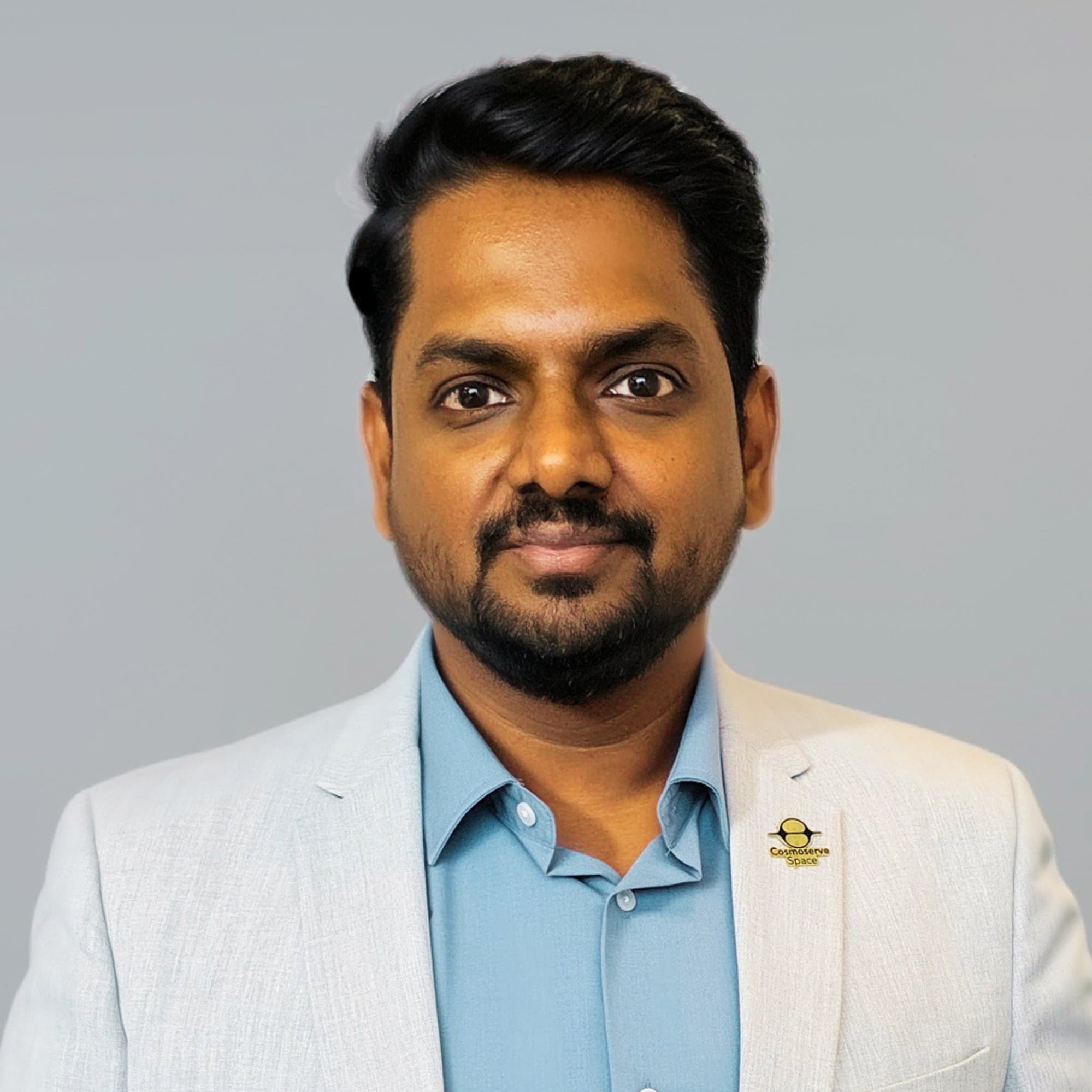
Building the Next Space Economy: Chiranjeevi Phanindra and Cosmoserve's Case for Orbital Maintenance
Chiranjeevi Phanindra, Founder & CEO of Cosmoserve Space, spent 14 years at ISRO working on re-entry and human spaceflight. Today, he is focused on a vital challenge: keeping Earth’s orbit usable.
Read Full Story
Corporate Visionaries
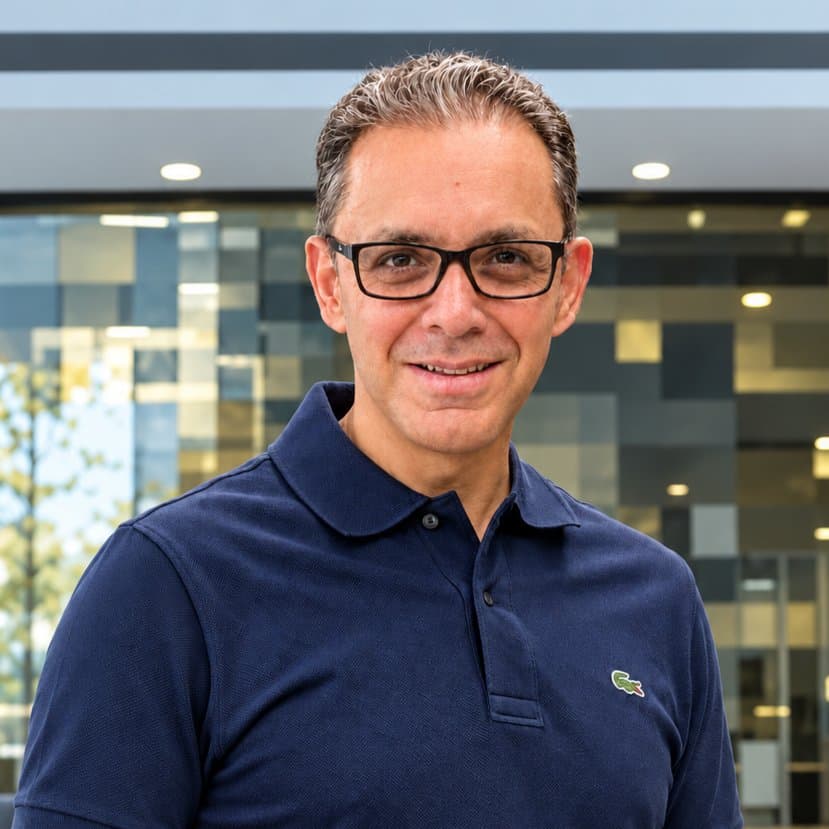
Shashank Sahni on What Success Leaves Out
Shashank Sahni, Google’s Managing Director of Global Ads Solutions, reflects on what customers reveal, what ambitious teams need from their leaders & what the mountains and marathons have taught him about going further.
Read Full Story
Corporate Visionaries
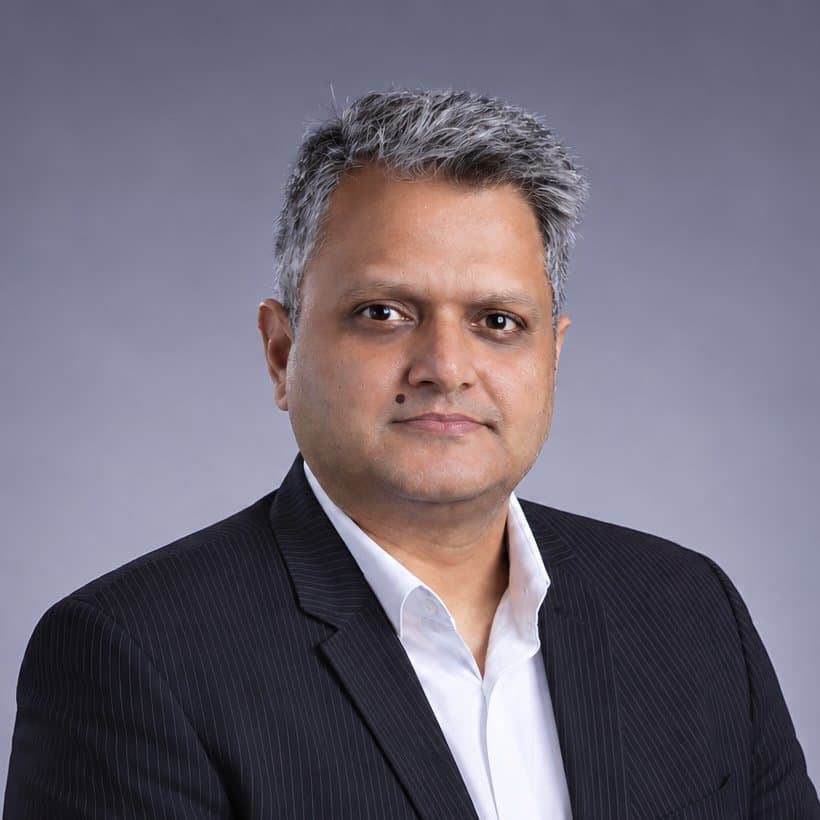
Clinical Multiplication: Divesh Singla on the Healthcare AI Case That Headlines Keep Missing
Divesh Singla, Managing Director, India at Veradigm, brings two decades in healthcare technology to the AI question leaders cannot avoid: how to expand clinical capacity without weakening human judgment.
Read Full Story