Category: Founders & Innovators
For Satyam Roychowdhury, education is not a service but national infrastructure. Through the Techno India Group, he built an integrated system designed to turn regional talent into economic strength. His belief is simple: access, agility, and accountability must align. When education produces capability, not just degrees, it becomes the engine of competitiveness.
Satyam Roychowdhury: Rethinking Education as the Engine of National Competitiveness
IndiSight Editorial
Mar 2, 2026
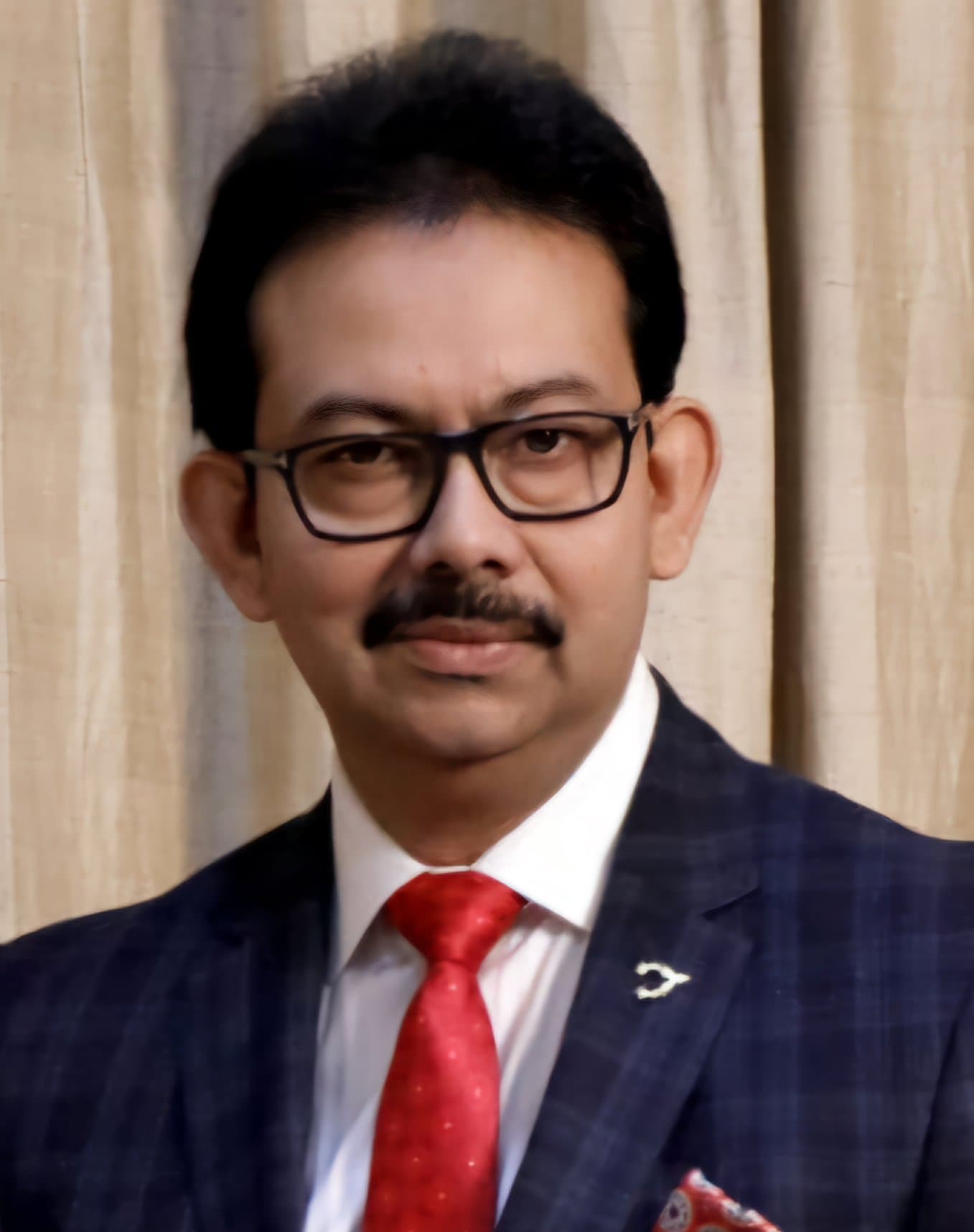
Satyam Roychowdhury
Managing Director · Techno India Group
Kolkata
Eastern India has always been a place where ideas mattered. Poets, reformers, and scientists from this region shaped how India thinks about itself. But the same depth of intellect that defined its past did not always find the structures it needed to shape its future.
That imbalance is what Satyam Roychowdhury set out to change. When private education in India was still limited to a few metros, he envisioned a system that could make the East self-sufficient, a framework where education would create both capability and confidence.
You can’t build an economy without building the minds that will run it. Education is not a service. It’s the foundation of competitiveness.
Over forty years, that conviction evolved into one of India’s largest integrated education systems. From kindergartens to doctoral programs, his institutions operate as interlinked centers of capability, feeding skills into industries, research into policy, and trust into communities. Many students now choose to stay and work in the region, reversing decades of migration.
What defines Mr. Roychowdhury’s work is coherence. He does not see education as a collection of colleges but as a living system where governance, curriculum, and culture function together with purpose. What began as a small computer center in 1985 has become a comprehensive learning ecosystem designed to make Eastern India a global education hub rooted in values and open to the world.
“If education becomes the region’s strongest industry,” he says, “everything else will follow.”
The journey that began as an act of regional optimism soon evolved into a philosophy of national design. What started as a single response to a local need became a framework for how societies renew themselves through education.
Foundations of Thought
For Mr. Roychowdhury, education has always been infrastructure, the foundation of how societies renew themselves. While many viewed it as a service sector, he built it as a national resource.
“The purpose of education is not to produce employable people,” he says. “It is to produce capable minds who can keep learning long after employment.”
That idea has guided every phase of his work, from the first computer institute he opened with his brother to a group that now spans technology, management, design, and sport. For him, systems matter more than scale.
Three principles define his approach: access, agility, and accountability. Access gives education its social value, agility keeps it economically relevant, and accountability builds trust. A system stands strong only when these forces stay in balance.
He often describes the process through a visual metaphor.
“In a well-kept garden, everything grows together,” he says. “You can’t force it, but you must shape it. Education is like that, diverse yet disciplined.”
This design-based view of education explains why his institutions evolved without losing coherence. They respond to local needs such as employability, entrepreneurship, and research while maintaining a shared purpose.
“If growth doesn’t enhance dignity,” he says, “then it’s just expansion.”
He keeps governance decentralized, allowing leaders to act as custodians, not owners. The group’s continuity depends on principles, not personalities, the same pattern visible in Finland or Japan, where strong institutions outlast founders.
Nations grow not by genius, but by good systems.
Translating ideals into lasting systems, however, came with its own pressures. As the network expanded, purpose had to withstand growth, and conviction had to be tested against the mechanics of scale.
Navigating Pressures
Every organization that scales fast faces the same question: can purpose survive growth? Mr. Roychowdhury treats that question as a design challenge.
“Education has to perform like an enterprise,” he says. “But it must behave like an institution.”
The Techno India network runs on five management levers: access, agility, governance, technology adoption, and brand trust. Each has a measurable outcome such as inclusion, relevance, compliance, innovation, and credibility. Together, these levers form a self-correcting cycle. Access brings inclusion, agility drives relevance, governance sustains order, technology fuels efficiency, and trust anchors it all. When these elements move in rhythm, the system keeps improving itself.
If you don’t measure, you can’t improve. But what you measure must align with why you exist.
There were moments when maintaining that alignment tested him. The late 1990s, when the first engineering college overwhelmed capacity, became one such inflection point. Demand was unprecedented, systems were new, and the risk of diluting quality was real.
“That was when I understood that growth can destroy what it creates if not guided by discipline,” he recalls. “For a while, I questioned whether our systems were strong enough to grow without losing integrity. That doubt shaped everything we built afterward.”
Those early lessons reshaped how Mr. Roychowdhury viewed education itself, not as an academic pursuit but as a form of economic design capable of generating value and resilience for entire regions.
Education as Economic Design
Mr. Roychowdhury treats education as an economic engine, a sector that converts curiosity into capability.
Education is a strategic industry. Its raw material is curiosity. Its product is capability.
Every Techno India university functions like a specialized vertical. Collectively, they form a human-capital enterprise integrating teaching, research, and employability within one logic. Curriculum is shaped with employers, and alumni return as mentors and recruiters. The result is a feedback system where learning produces economic value.
This design creates what he calls regional value loops, where students study locally, work locally, and build companies that hire from the same ecosystem. Learning becomes a source of economic continuity.
Like Singapore’s applied learning, Germany’s vocational networks, and Finland’s research-led discipline, his institutions link learning directly to livelihood. The difference lies in scale. His model works inside India’s complexity, where affordability and inclusivity must coexist.
“You can’t run universities as franchises,” he says. “You run them as connected systems that adapt and stay accountable.”
Those insights naturally led him to a deeper focus on governance, how to turn systems into structures that can scale without losing integrity.
Leadership and Governance
Leadership, for Mr. Roychowdhury, is an exercise in alignment, keeping intent and execution synchronized.
“No one owns an institution,” he says. “We are custodians. The moment we forget that, decline begins.”
Each entity in the group operates under what he calls distributed leadership, corporate precision combined with academic freedom. Strategy and finance are centralized for discipline, while teaching, innovation, and community programs remain decentralized for flexibility.
“We use data as the language of trust,” he says. “You can’t manage what you don’t measure, and you can’t inspire what you don’t understand.”
Succession, too, follows structure. Leaders are grown, not appointed. They rotate across roles, learn governance through exposure, and inherit accountability rather than authority.
His framework rests on three constants: design, discipline, and dignity. Design gives order, discipline keeps consistency, and dignity ensures the culture stays humane.
Profit is a consequence. Performance and purpose must stay in balance.
As his institutions stabilized, Mr. Roychowdhury’s attention shifted outward. The same discipline that sustained Techno India at home began informing how he saw India’s role in the global learning economy.
Global Context and Future Direction
India’s next economic transformation will depend on how education evolves and whether it can move from content delivery to capability creation. Mr. Roychowdhury believes this shift is already underway.
“We are not creating graduates,” he says. “We are building capability systems for the future.”
He calls this triple alignment, industry relevance, social contribution, and global credibility. When these move together, education becomes both scalable and exportable.
His next frontier is internationalization. He sees Eastern India as a natural gateway for global students and partnerships, multilingual, culturally open, and increasingly tech-enabled.
“India should not only send students abroad,” he says. “It should attract the world’s learners.”
Entrepreneurship is the other pillar of his vision. Every student learns to design, test, and launch ideas. Incubation programs are built into the curriculum. The aim is not vanity startups but entrepreneurial thinking, learning to create value independently.
A strong education system must create employers as confidently as employees.
Beneath these global ambitions lies something simpler, the human discipline that keeps large systems humane.
Human Dimension
Beneath the structure lies an understated leadership style. Mr. Roychowdhury prefers precision over power, process over personality.
Leadership is about alignment. Once intent and execution connect, momentum follows naturally.
He calls this culture structured calm, authority rooted in accountability. Meetings are rigorous but grounded in ethics. Recognition and gratitude are built into workflow, not afterthoughts.
“Gratitude keeps you rational when success grows faster than humility,” he says.
Succession, reflection, and mentorship are treated as systems, not slogans. Every leader is expected to build a successor, and every success is documented and shared. His role, he says, is to make himself less necessary each year.
“Institutions fail when leaders make themselves indispensable,” he says.
That combination of precision and purpose defines not just how he leads, but how he imagines nations should grow. His philosophy of leadership naturally expands into a vision for national renewal.
Global Vision
Satyam Roychowdhury’s thesis is simple. Nations rise on the strength of their learning systems.
The strength of a country depends on how deeply its people can learn, adapt, and apply.
Techno India’s network, now spanning multiple universities and disciplines, is designed around that logic. Each unit connects to a real economy such as technology in Kolkata, creative design in Siliguri, or sports and entrepreneurship in Hooghly. Education fuels industry, industry funds innovation, and innovation drives inclusion.
He often points to countries that turned learning into leverage, including Singapore, South Korea, and Finland, and insists India has the same potential if its institutions professionalize with speed and integrity.
“India doesn’t lack talent,” he says. “It needs stronger systems to create, measure, and multiply it.”
He envisions Eastern India as a regional learning hub linking South and Southeast Asia through talent and technology. With the right policy alignment, the region can host international students, global faculty, and joint research ecosystems.
“Students will not come for affordability,” he says. “They will come for credibility.”
Beyond economic outcomes, his vision is moral. Education must remain society’s moral compass, the place where progress is tested for fairness and wisdom.
“The real metric,” he says, “is the depth of learning.”
Across these decades, what emerges is not just an institutional success story but a leadership framework, a set of ideas that others can adapt to build systems that last longer than founders.
Leadership Lessons
Education is a national industry of competitiveness, not charity.
Purpose achieves power only when converted into systems.
Growth demands governance; culture must expand with capital.
Leadership is renewable; succession is design, not inheritance.
Innovation without ethics loses stability.
Local ecosystems create global credibility.
Measure what matters: quality, employability, and trust.
Reputation compounds longer than cost advantage.
Leadership success equals continuity.
The strongest economies are those that keep learning faster than they change.
Closing Reflection
Satyam Roychowdhury’s journey is proof that education, when managed with design and discipline, can become a country’s most reliable growth engine. His conviction remains constant. The true wealth of any nation lies in its ability to keep learning widely, wisely, and across generations.
The real wealth of a nation, is not its capital or consumption. It is the intelligence it can regenerate.
That idea defines his legacy, a system where human capability is both the input and the outcome of progress. Eastern India may be his starting point, but his framework belongs to the world.
Our Suggestions to Read
Discover The Leaders Shaping India's Business Landscape.
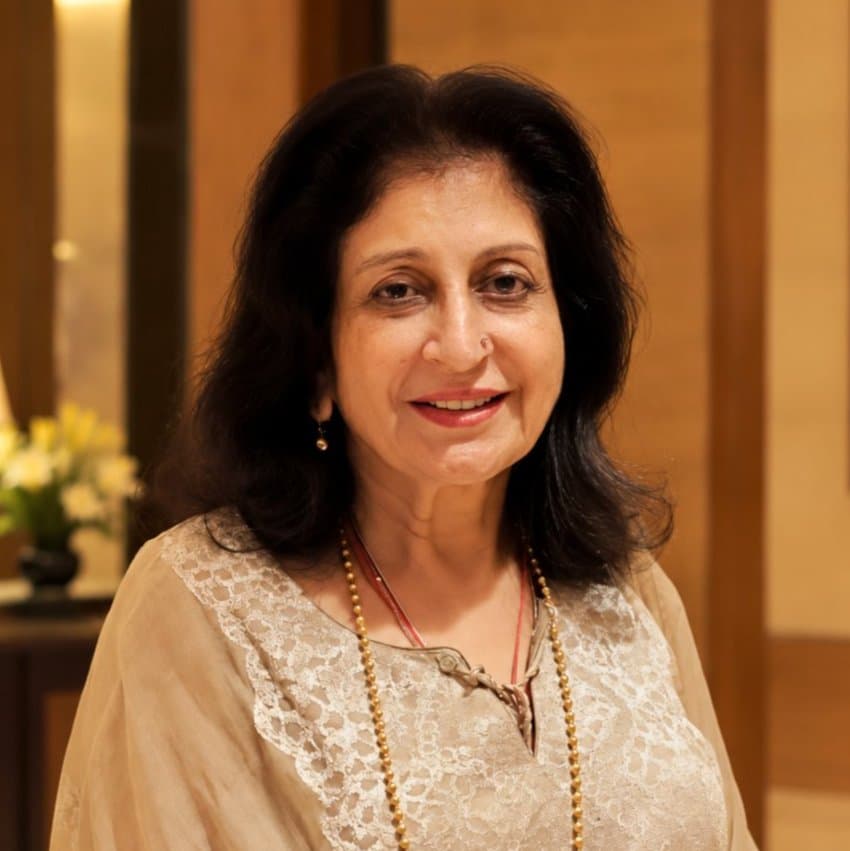
Education Leadership
The Human Advantage: Anu Monga on What Schools Must Still Create
Drawing on decades of leadership in international schools and education, Anu Monga reflects on what institutions must continue to create in a world where knowledge is increasingly accessible and shaped by technology.
Read Full Story
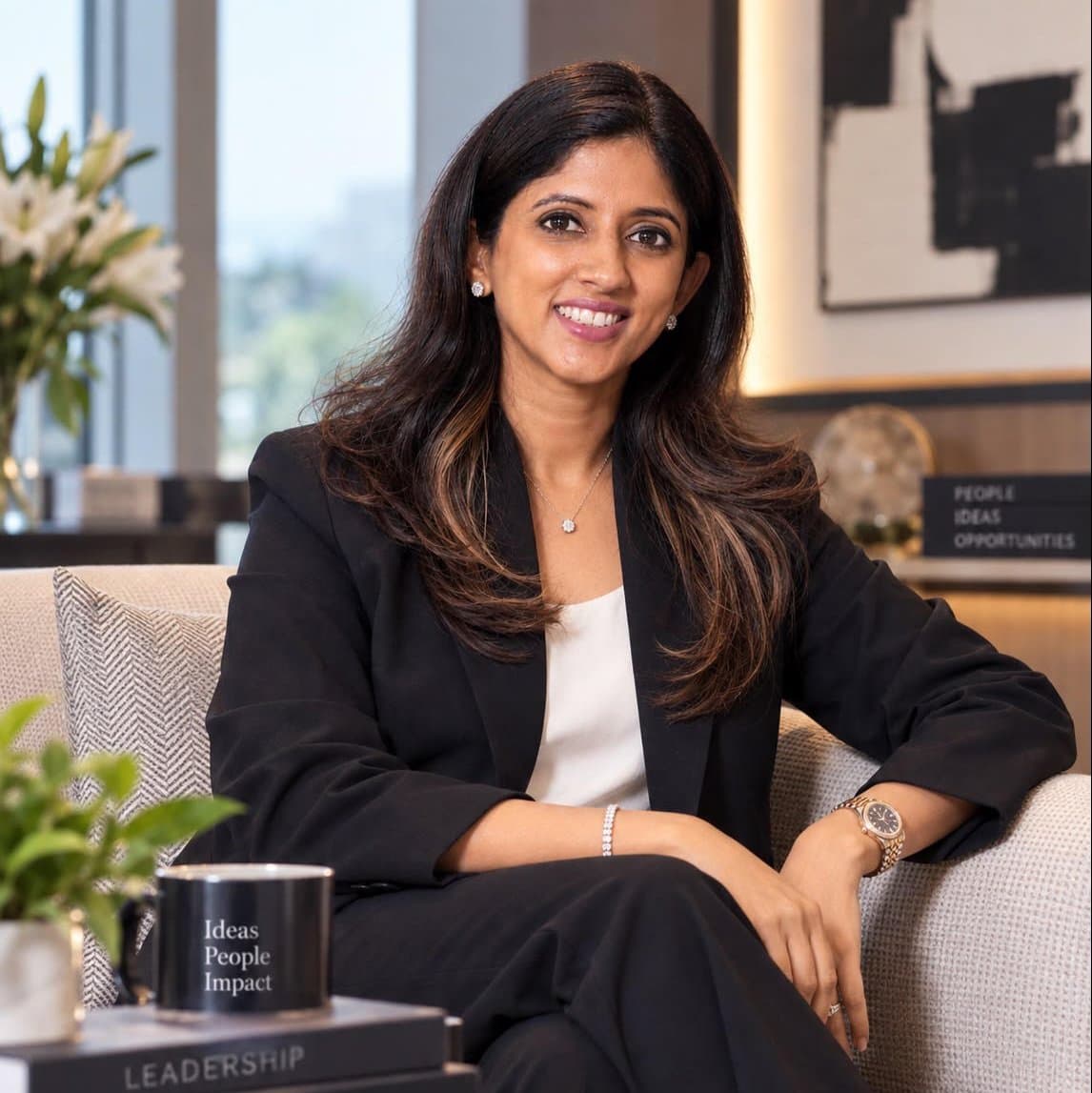
Investors & Catalysts
From Millet to Method: Rasika Prashant on Building What Consumers Return To
Rasika Prashant, CEO of NSRCEL at IIM Bangalore and Co-founder of Soulfull (later aquired by Tata Consumer Products) on consumer trust, category creation, Indian brands, and the founder discipline required after belief.
Read Full Story
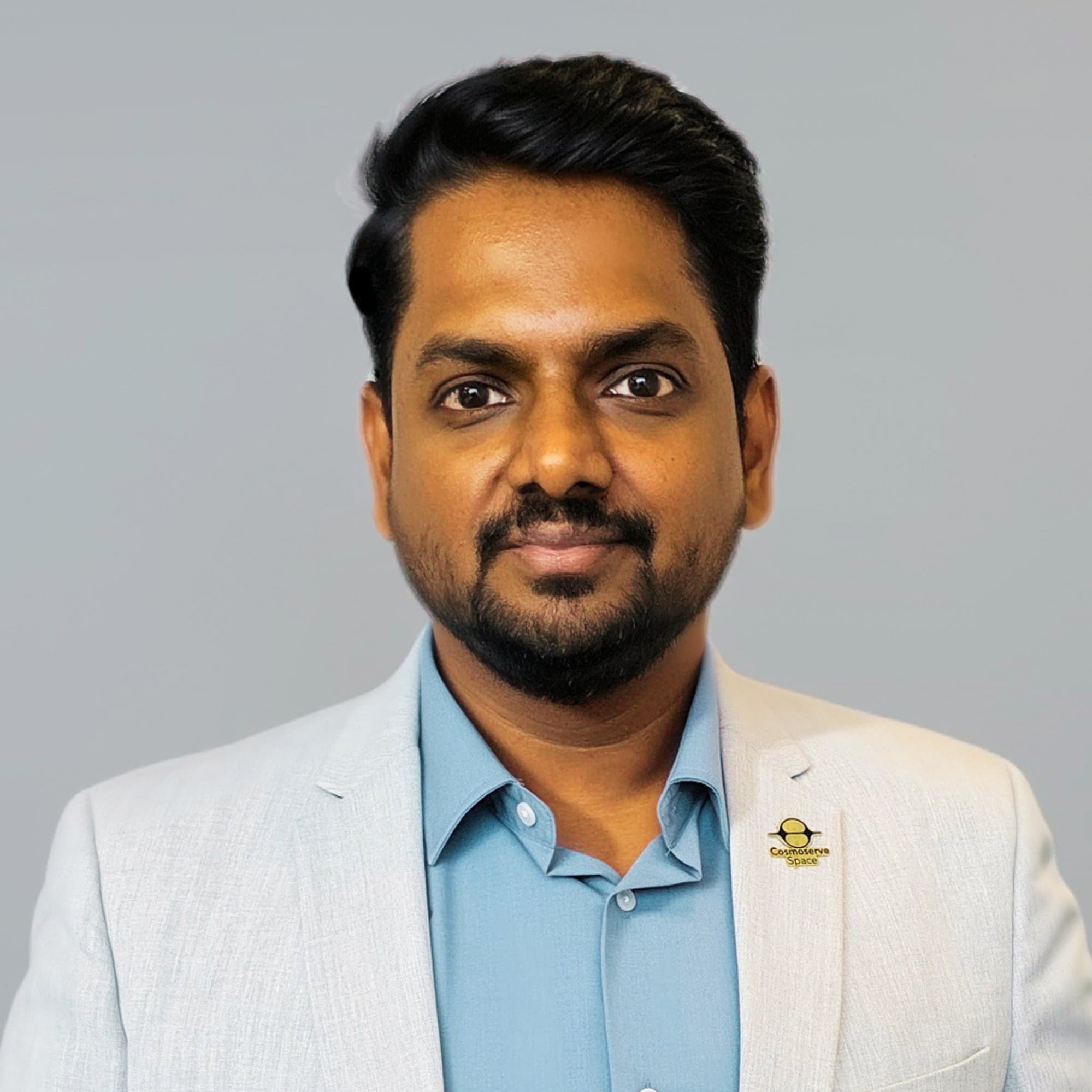
Founders & Innovators
Building the Next Space Economy: Chiranjeevi Phanindra and Cosmoserve's Case for Orbital Maintenance
Chiranjeevi Phanindra, Founder & CEO of Cosmoserve Space, spent 14 years at ISRO working on re-entry and human spaceflight. Today, he is focused on a vital challenge: keeping Earth’s orbit usable.
Read Full Story