Category: Corporate Visionaries
Sanjay Trehan’s story reflects the global crossroads of modern media. From the first web wave to today’s algorithmic age, he has seen technology reshape everything except responsibility. His belief is simple yet timeless: the future of media will belong to those who rebuild trust, not just scale, and place integrity at the center of progress.
The Attention Economy Is Over: Sanjay Trehan on What Comes Next & Rebuilding Media’s Value Chain
IndiSight Editorial
Dec 15, 2025
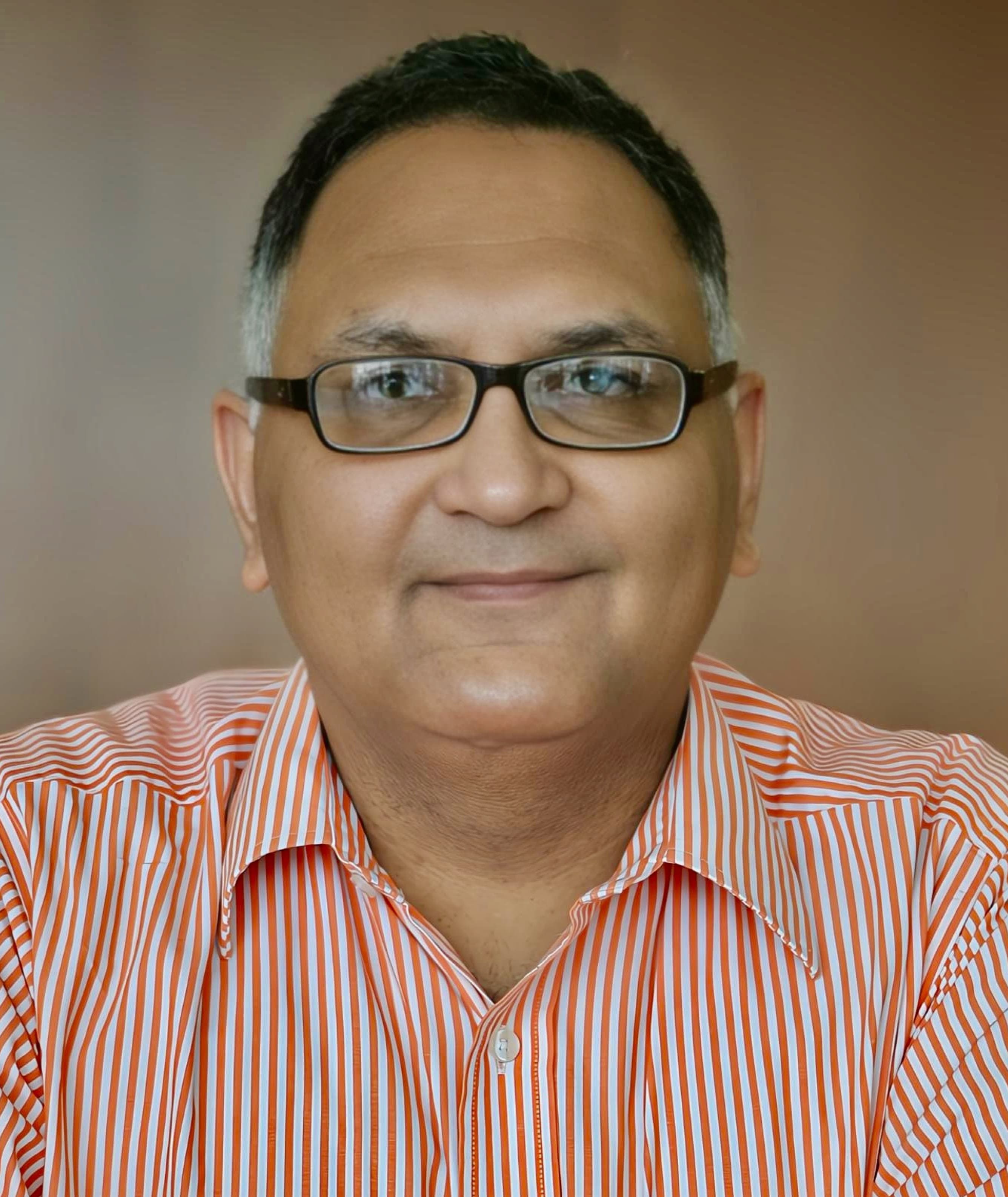
Sanjay Trehan
Advisor · UndrAds
Gurugram
The global media business has reached a decisive threshold. Audiences consume more content than at any point in history, yet they trust less of it. Algorithms determine what is visible, platforms decide what survives, and artificial intelligence now produces copy faster than human judgment can verify it. The problem is no longer access to information; it is the erosion of meaning.
Across continents, legacy publishers and digital natives face the same tension. Advertising has been replaced by attention as the main currency, and platforms act as both distributors and competitors. A few global players control the pipelines of visibility, while independent voices struggle to fund credibility. The economics of reach have overtaken the ethics of relevance. What media organizations are rediscovering is that technology may multiply content, but it cannot multiply trust.
Sanjay Trehan has spent three decades inside this tensile space. From the early days of Jaldi.com to Hindustan Times, Times Internet, NDTV Convergence, Microsoft, his career traces the digital transformation of Indian media. Through every phase, one belief has guided him: technology changes everything except responsibility.
The First Web Wave
Sanjay’s digital journey began at Jaldi.com, one of India’s earliest e-commerce ventures at the turn of the millennium. As Chief Operating Officer, he helped build what was then the country’s most exciting online retail platform, driven by a simple conviction that the internet would reshape how people discovered and bought products. The idea was ahead of its time, and the team treated the web as a new way of doing business rather than just another sales channel.
The venture, however, met the hard reality of early India: limited internet access, low digital literacy, and negligible online payment infrastructure. When the global dot-com bubble burst, Jaldi.com collapsed with it. The experience became Sanjay’s first enduring lesson that timing defines viability. Vision alone cannot sustain innovation without the ecosystem to support it.
That failure shaped his philosophy for the years to come. Technology must align with human readiness and institutional design. Ideas survive only when they are surrounded by systems that can help them grow.
He carried these insights into his next role at HT Media, where as Chief of Internet, he turned HindustanTimes.com into one of India’s leading digital news platforms. The early 2000s were an age of experimentation across formats, from ePapers and SMS editions to mobile content and short-code monetization. Every initiative carried one belief: digital was not an add-on to print but the next frontier of storytelling.
Those were the years when bandwidth was scarce, servers unreliable, and advertisers uncertain. Pages loaded line by line, forcing editorial discipline. “If a story didn’t matter, it didn’t deserve space” became the guiding principle. Conviction remained the only infrastructure available.
By the time he joined Times Internet, India’s digital ecosystem had begun to mature. He led broadband verticals, gaming initiatives, and partnerships with global content brands. That phase marked the shift from proving digital’s worth to designing how it could scale.
Each stage reinforced a single insight: the internet is not just technology, it is a culture that rewards curiosity, patience, and credibility. What began with Jaldi.com’s bold experiment evolved into a lifelong pursuit to help institutions turn innovation into endurance.
The Convergence Era
At NDTV Convergence, Sanjay led one of India’s first large-scale digital transitions in news. The task was not technical; it was cultural. “Digital didn’t just add a platform,” he added. “It changed the rhythm of journalism itself.”
He built multidisciplinary teams where coders, designers, and editors collaborated daily. “The moment developers understood editorial values, and journalists saw what data could do, the resistance disappeared.” Early newsroom integration was not about technology adoption but about rewiring habits. It required new rituals: morning meetings where audience analytics sat beside story assignments, and evening huddles where reporters discussed how a piece performed online.
When NDTV’s online audience began to compete with television viewership, the newsroom reorganized around agility. “The real challenge was helping people think in networks rather than in silos.” That shift from broadcast linearity to digital interactivity became the foundation for how modern Indian newsrooms operate.
Transformation, he concluded, works only when people shape the change rather than react to it. “You can’t instruct transformation,” he says. “You have to invite participation.” The experience taught him that systems adapt only when the people inside them believe in the new rhythm.
The Platform Mindset
At Microsoft, Sanjay led MSN and MSN Apps India, managing content strategy, partnerships, and user experience across web and mobile. The role taught him that structure can enable creativity. “Discipline can be liberating when it protects intent,” he says. For the first time, he viewed digital not as a portal but as a service where technology, design, and editorial purpose work together. The experience shaped his belief that strong platforms are defined as much by what they prevent as by what they publish.
Microsoft’s precision, process, and brand safety reinforced his conviction that governance is not bureaucracy but architecture. It was here that Sanjay began to see digital media less as disruption and more as orchestration, an insight that guided every leadership role that followed.
Building the Modern Newsroom
By the mid-2010s, Indian media had gone digital but not sustainable. At Hindustan Times, Sanjay was asked to design a digital business that could last. He catalysed HT Digital Streams, blending automation with editorial judgment. “Automation should never replace journalism,” he adds with conviction. “It should protect the journalist’s time.”
Routine updates such as stocks, weather, and alerts were automated, which released about twenty percent of editorial bandwidth for in-depth work. “Metrics mattered, but they could not define intent.” The new workflow was built on balance: data for speed, people for sense-making.
One experiment, however, exposed the limits of automation. During an election cycle, a ranking algorithm began prioritizing entertainment stories over political analysis. “We corrected it within hours,” he recalls. “It taught us that algorithms need guardrails.” From that incident came a simple but powerful rule: no machine-made decision stands until a human editor validates it. The “editorial override” became institutional policy, later adopted by other publishers.
That episode shifted the industry’s conversation. For years, automation had been treated as a cost reducer. Sanjay reframed it as an integrity issue.
The transformation was not only technical. It was ethical. We had to decide what should never be automated.
The principle proved durable. Long after automation spread across Indian newsrooms, HT Digital’s “editorial override” continued to be referenced as a case study in responsible innovation.
From Output to Impact
As digital growth accelerated, Sanjay began asking whether output equaled value. “If a newsroom publishes a thousand stories and no one remembers any, the system is broken.” Under his leadership, HT Digital balanced daily story volume with value. Context, depth and interactivity were given importance. Retention improved. “Quality grew when engagement was enhanced,” he reminisced.
He reframed performance through a new lens: value density, the credibility built into each piece of content. “The future belongs to publishers that readers return to with intention.” The economics followed. Advertisers paid thirty percent higher CPMs for audiences spending more than three minutes per story. “Engagement generates visibility. Immersion generates trust. Trust drives real growth.”
To validate this pattern, Sanjay points to a 2024 Reuters Institute study showing that publishers high in reader trust retain audiences 40 percent longer than those chasing traffic. “That’s not philosophy,” he clarifies. “That’s economics.”
He notes that this evolution mirrors a global movement.
The Guardian proved that trust can be monetized through voluntary contributions. The New York Times showed that credibility drives subscription growth. Even smaller publishers are realizing that fewer, deeper relationships create more resilience than volume-based churn.
In this emerging economy of credibility, value density may soon become a measurable KPI, just as engagement and reach once were. “The question,” he adds, “is not how much content you can create but how much meaning you can sustain.”
Redefining Revenue
The decline of ad-only models forced media companies to diversify into subscriptions, events, branded content, and data services. Sanjay supported innovation but cautioned against blurring boundaries. “Diversification is healthy. Compromise is fatal.”
He argues that publishers must never imitate platforms. “Scale belongs to them. Trust can belong to you.” Credibility, he believes, is the one asset that compounds. “Lose it, and your future earnings disappear.”
During his time at HT, he often reminded teams that the future balance sheet would measure belief as rigorously as revenue.
A business built on credibility attracts better partners, better advertisers, and better talent. That’s the real network effect.
When The New York Times built its paywall, it targeted affluent English-speaking readers. Indian publishers faced a different equation: twelve languages, mobile-first audiences, and vastly different purchasing power. “Complexity is our advantage,” Sanjay says. “It forces us to design for inclusion.”
That complexity, he argues, is India’s strategic strength. Serving multilingual and multi-class audiences trains organizations to operate across diversity, scale, and unpredictability. “If you can build sustainable media here,” he says, “you can build it anywhere.”
AI and the Human Filter
Sanjay views artificial intelligence as a capable assistant, not a creative substitute. “AI can generate content. It cannot decide why something matters.”
At HT Digital, automation handled standard updates, but every major story carried a human byline. “Machines curate. Humans contextualize.”
When global publishers began using AI to mass-produce entertainment content, he observed the efficiency but questioned its value. “Speed without voice is just mechanical output.”
The larger risk, he warns, is uniformity. “If every newsroom depends on the same data, diversity of thought disappears. The technology will flatten judgment.” He calls this the “sameness trap,” where efficiency eliminates difference. “The future of journalism,” he says, “depends on preserving human curiosity as an advantage.”
The Trust Equation
Modern audiences live in a paradox of abundance: limitless information and limited meaning. Attention fatigue is the inevitable result. “People forgive mistakes,” Sanjay says. “They don’t forgive manipulation.”
He believes the next competitive advantage will come from trust engineering, the deliberate design of transparency, accountability, and voice into the product. “Clicks create spikes. Retention builds resilience.”
Metrics, he adds, must remain instruments, not ideologies. “When numbers become the newsroom’s belief system, curiosity dies.”
He references experiments at global outlets such as The Guardian’s trust labels and The Atlantic’s editorial disclosures as signs of the future. “Readers don’t demand perfection. They want honesty about the process,” he explains. “The audience has matured faster than most institutions.”
Loyalty, in his view, depends on emotional reliability: a consistent tone, an honest headline, and respect for the reader’s time.
India’s Emerging Advantage
Having worked with both Indian and global teams, Sanjay believes India holds the template for the media model of the future. “Our ecosystem is multilingual, mobile-first, and socially complex,” he says. “That complexity produces insight that others cannot replicate.”
Regional media, he predicts, will define the next decade of trust building. “Credibility begins in language. Once you speak to people in their own context, belief follows.”
India’s mix of democracy, diversity, and digital scale offers a third model distinct from both Western laissez-faire and Chinese control.
The West separates regulation from culture. We integrate them. That balance of conscience and compliance is our strength.
He calls it India’s hybrid advantage, a governance model where growth and ethics evolve together. “We are learning to govern by trust, not fear,” he says. “And that might be India’s most exportable innovation.”
Balancing Scale and Credibility
Some executives argue that scale must come before credibility. Sanjay disagrees but acknowledges the trade-off. “Scale opens opportunity. Credibility builds permanence. Traffic can be bought. Trust must be earned.”
He sees this as a sequence problem, not a conflict. “If you build for belief, scale will follow. If you build only for scale, belief disappears.” The insight is simple yet hard to practice in markets that reward speed over substance. “Integrity doesn’t trend. But it lasts.”
Governance and Responsibility
As India debates digital accountability, Sanjay advocates for rules that apply equally to all: legacy publishers, tech platforms, and influencers. “If you shape public opinion, you share responsibility for its accuracy.”
He warns that overregulation can be as harmful as negligence. “Excessive control breeds compliance, not credibility. Freedom lasts only when responsibility becomes instinct.”
He calls this principle self-governance by design, embedding ethical judgment within everyday operations. “Transparency is not a burden,” he says. “It is an operating principle.”
He believes this philosophy could influence global policy. “Countries that design trust into their information systems will attract both talent and capital,” he says. “In the long run, credibility is infrastructure.”
Leadership as Balance
After three decades across organizations, Sanjay defines leadership as the art of calibration. “A newsroom reflects its leader’s intent,” he says. “If your intent is fairness and focus, that’s what the culture becomes.”
He insists on psychological safety as the precondition for truth-telling. “You cannot report courageously in an environment of fear.”
His leadership mantra is pragmatic: create clarity, protect curiosity, and encourage dissent. “Strong cultures argue well,” he explains. “Constructive disagreement is the oxygen of good journalism.”
He often reminds younger managers that leadership is measured less by control and more by what people choose to say in one’s absence. “If they still tell the truth when you’re not in the room, that’s leadership.”
The Next Era
Sanjay believes the next transformation in media will be philosophical. “In chasing information, we stopped investing in interpretation,” he says. “The future belongs to those who help audiences make sense of what they already know.”
He foresees credibility emerging as a measurable asset, tracked, audited, and valued like intellectual property. “Brands already pay for association with trust. Publishers should treat it as a balance-sheet item.”
Transparency, he adds, will define resilience. “An honest correction builds more goodwill than denial. Accountability sustains relevance.”
Progress, in his view, now depends on humility. “Audiences are not consumers. They are partners in understanding. The media that endure will create comprehension, not just coverage.”
Leadership Principles
Technology must serve editorial purpose. Every tool should deepen judgment, not replace it.
Automate repetition, preserve thinking. Machines summarize; people interpret.
Measure loyalty, not noise. Return readership reflects true influence.
Diversify revenue, protect independence. Financial design must uphold credibility.
Use data for reflection. Analytics illuminate patterns, not purpose.
Include linguistic diversity. Audiences trust what feels local.
Engineer trust as a product feature. Build transparency into every workflow.
Lead with clarity. Culture amplifies intent.
Empower people. Encourage dissent. Discourse keeps institutions honest.
Keep journalism human. Technology assists; responsibility remains ours.
Closing Reflection
Sanjay Trehan’s career traces the evolution of modern media, from the slow-loading web pages of the 1990s to the hyper-connected information streams of today. He has watched newsrooms grow faster but not always wiser, and technology makes distribution easier while meaning becomes harder to sustain. What has never changed, he says, is the core responsibility that sits beneath every innovation: to inform with integrity.
“The tools will keep changing,” he says. “The responsibility stays the same. Our job is to help people understand their world a little better every day.”
For Sanjay, this is not nostalgia; it is the foundation of any enduring media enterprise. Platforms, products, and models will keep evolving, but the organizations that last will be those that invest in credibility as deliberately as they invest in growth. In the end, relevance will belong to those who treat trust not just as virtue, but as strategy woven into the system.
Our Suggestions to Read
Discover The Leaders Shaping India's Business Landscape.

Education Leadership
The Human Advantage: Anu Monga on What Schools Must Still Create
Drawing on decades of leadership in international schools and education, Anu Monga reflects on what institutions must continue to create in a world where knowledge is increasingly accessible and shaped by technology.
Read Full Story
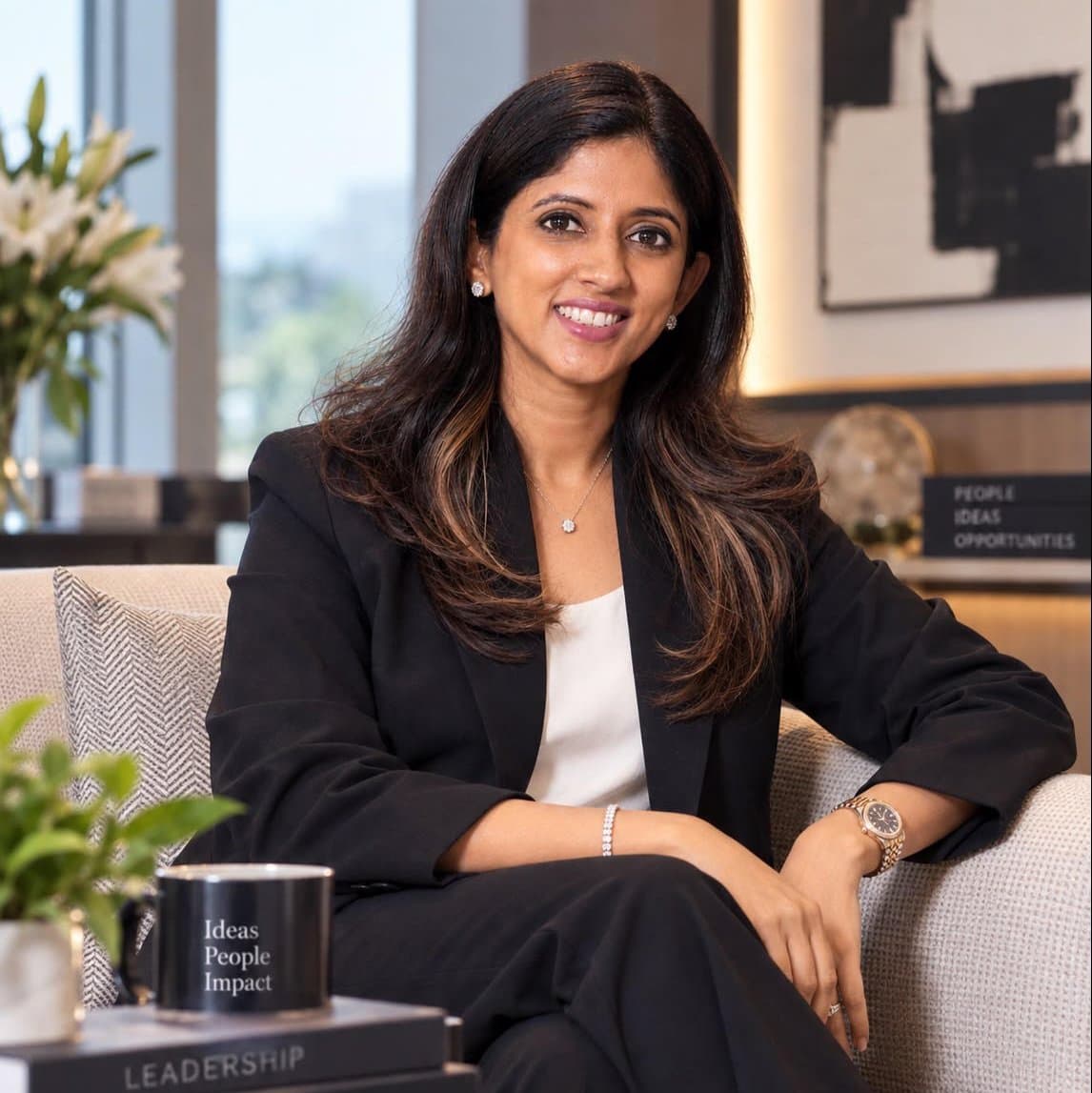
Investors & Catalysts
From Millet to Method: Rasika Prashant on Building What Consumers Return To
Rasika Prashant, CEO of NSRCEL at IIM Bangalore and Co-founder of Soulfull (later aquired by Tata Consumer Products) on consumer trust, category creation, Indian brands, and the founder discipline required after belief.
Read Full Story
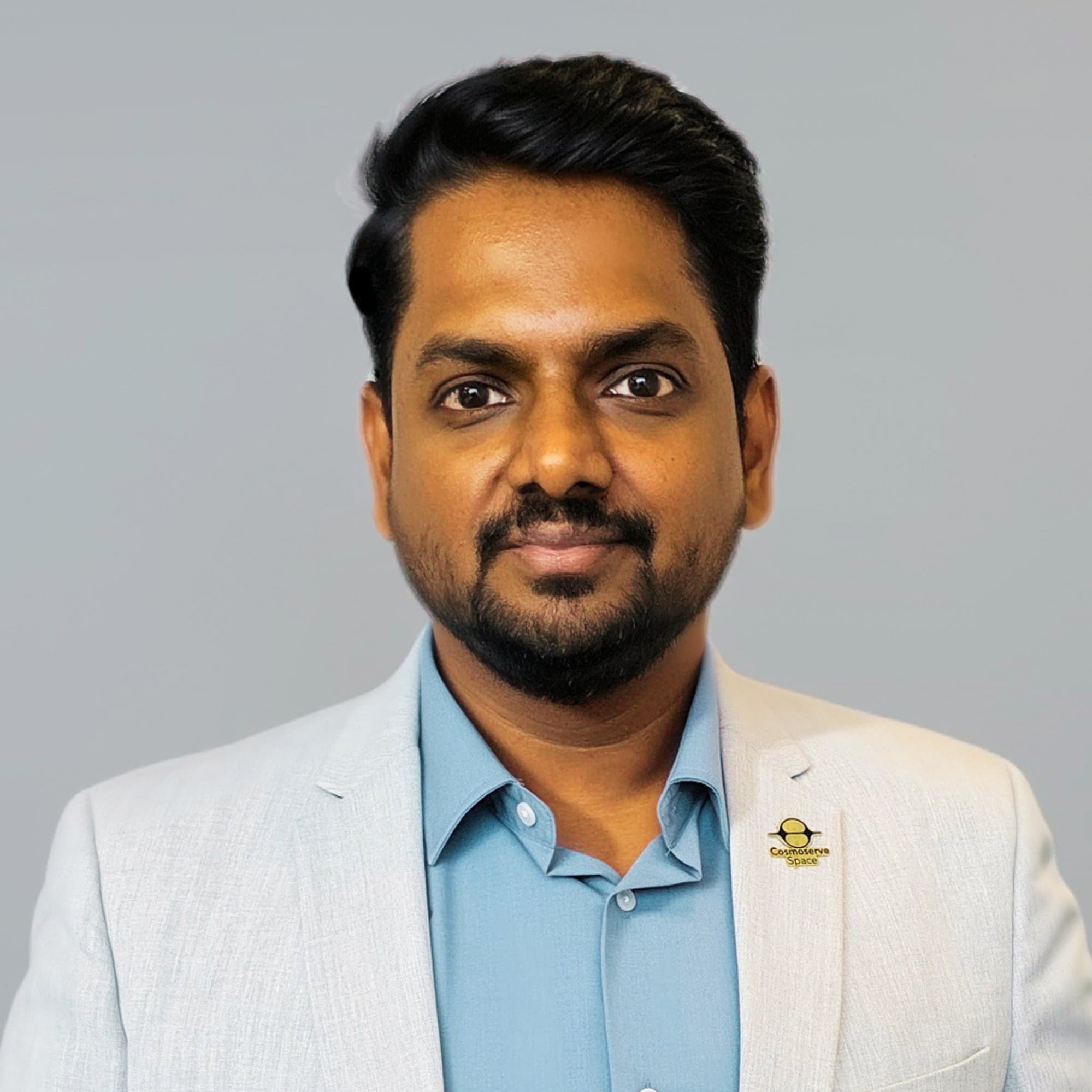
Founders & Innovators
Building the Next Space Economy: Chiranjeevi Phanindra and Cosmoserve's Case for Orbital Maintenance
Chiranjeevi Phanindra, Founder & CEO of Cosmoserve Space, spent 14 years at ISRO working on re-entry and human spaceflight. Today, he is focused on a vital challenge: keeping Earth’s orbit usable.
Read Full Story