Category: Investors & Catalysts
Ishani Chanana, Partner and Co-founder at Sarcha Advisors, represents a new generation of investors redefining how family offices think about capital, conviction, and time. Her philosophy blends reflection with rigor, emphasizing that good investing is not about prediction but participation. Through patience, alignment, and values-led decision-making, she and her father, Rohit Chanana, are shaping a model of capital that measures success not by speed or scale, but by the integrity of what endures.
Redefining Family Office Capital: Inside Ishani Chanana’s Philosophy of Patient Investing
IndiSight Editorial
Jan 26, 2026
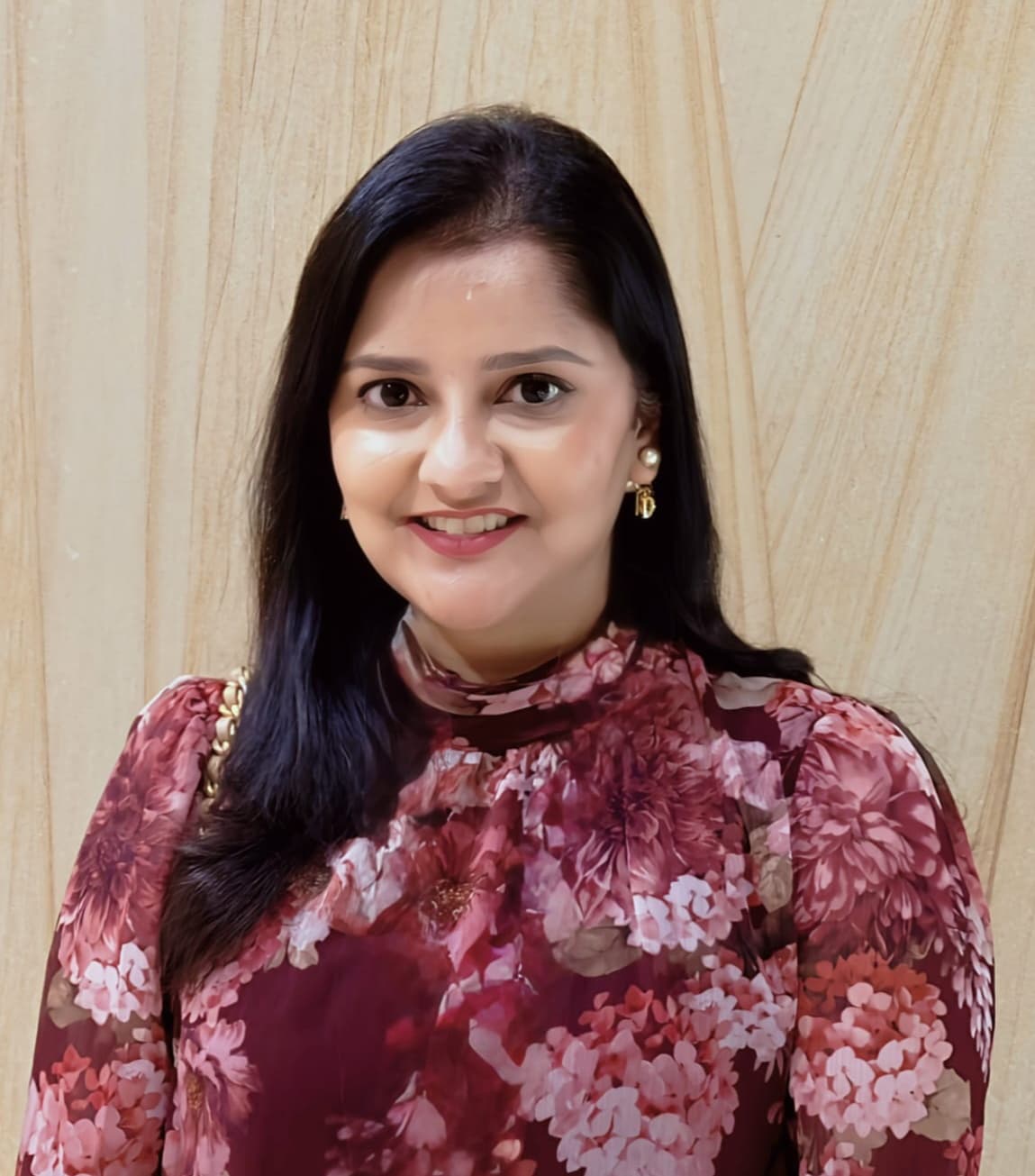
Ishani Chanana
Partner and Co-Founder · Sarcha Advisors
Delhi
Observing Change
In recent years, the pace of investing in India has changed. There is less excitement about how fast something can grow and more reflection on what can last. Ishani Chanana has been watching this shift closely, not as a commentator but as a participant.
As Partner and Co-founder at Sarcha Advisors, Ishani works with capital that has the privilege of patience. Family offices, she believes, hold a quiet advantage. They can think in decades, not quarters, and allow conviction to deepen instead of rushing to prove it. “We are not chasing hype,” she says. “We are clear about who we are and how we want to build.”
For Ishani, capital is not a contest of prediction. It is a way of learning about behavior, about systems, and about herself. She often reminds herself that models can structure thinking, but they cannot shape outcomes. The real insight, she says, comes from understanding how people interpret data, not just how numbers behave.
Her style of investing is built on curiosity. She listens carefully, observes how people make choices, and notes what happens when conditions change. Over the years, she has learned that resilience and intent often matter more than forecasts or financial models.
From Learning to Leadership
Ishani’s journey was shaped as much by experience as by upbringing. She grew up around conversations about business and markets but was never pushed to follow a fixed path. “My father always told me that understanding money is not about ambition; it’s about responsibility,” she recalls.
After studying finance in India, she moved to the United Kingdom for higher studies. The transition was harder than expected. “I went from being at the top of my class to being one of the few struggling to keep up,” she says. “That experience taught me patience and humility.” By the end of her program, she had climbed back to the top percentile.
Her first role at Edelweiss Financial Services was a rigorous introduction to markets. “The numbers were clear,” she says, “but the reasons behind them rarely were.” The experience showed her that markets are driven by both arithmetic and psychology.
When her father, Mr. Rohit Chanana, set up the family office, Ishani joined him soon after. He had built his practice on reading human behavior as closely as financial signals. “I wanted to learn how he thought,” she says. “He always told me you cannot separate judgment from intent.”
Working together brought distinct perspectives. “What I bring to Sarcha is discipline and structure,” she says. “My father brings the intuition that comes from experience. His understanding of values, relationships, and judgment has shaped how I think about investing.”
They approach decisions differently but with shared intent. “We look at the same decision differently,” she says. “That’s where clarity begins to form.”
Inside Sarcha Advisors
At Sarcha Advisors, decisions are built slowly and revisited often. “We do not rush through them,” Ishani says. “Every decision is discussed, documented, and reviewed later to see how our thinking evolved.”
The firm operates more like a dialogue than a hierarchy. Ishani encourages questions before conclusions. “We start by asking why something matters,” she explains. “The how only follows once that is clear.”
Sarcha operates with conscious focus. The intent is to stay deeply engaged with the founders it backs.
We like to stay close to the journeys we back. That’s where the real learning happens.
This approach reflects the complementary rhythm between father and daughter. His instinct for reading cycles and her focus on structure balance each other. Disagreement, she adds, is encouraged. “We don’t see difference as conflict. It’s how we find clarity.”
Over time, this discipline has become a quiet advantage.
The market teaches you whether you were right or wrong. What you can control is whether you learn from it.
Dil-Se Investing
The phrase “Dil-Se Investing” came from her father, Mr. Rohit Chanana. It began as a simple reminder to act with intent and integrity. Working with him, Ishani expanded it into a shared philosophy that now shapes how Sarcha invests.
“It’s a very human philosophy,” she explains. “You can’t really separate the person from the business.” For her, it is not emotional investing but a practical and holistic way of understanding founders.
Sarcha evaluates each founder through four lenses: biology, chemistry, physics, and math. “Biology is the inside-out view, who you are, why you’re doing what you’re doing, how your values align with us,” she says. “Chemistry is the outside-in view, how you interact with the ecosystem and the kind of partnerships you build. Physics is the structure, the market, the model, and the risks. Math is your financial backbone, cash flows, unit economics, and sustainability.”
This structure reflects their belief that investing is both head and heart. “We marry the two,” Ishani says. “The heart brings intent, the head brings discipline.”
The Human Element in Investing
For Ishani, every investment begins with people, not products. She often says that the real test of a founder’s judgment is how they behave under pressure, not how they perform in calm conditions.
Her diligence process focuses less on perfection and more on awareness. She pays attention to how founders react when things move off plan, what they notice first, how they communicate, and how they take responsibility.
She recalls an early investment where the company missed its targets by a wide margin. The founder began the review by acknowledging his mistakes and asking how he could have made better calls. “We were perhaps the only investors who stood by them during that tough time,” she says. The company eventually recovered and delivered strong returns. “That experience taught me that clarity doesn’t always show up as strength. Sometimes it shows up as honesty.”
Her approach resists charisma. “Confidence can be persuasive,” she says, “but conviction should come with self-awareness.”
Every major investment at Sarcha is followed by a reflection on what was learned, not just what was achieved.
If an outcome worked but the reasoning was wrong, we count that as luck. Luck can’t be repeated. Learning can.
Patience and Long-Term Thinking
In Ishani’s view, patience is not temperament, it is structure.
When enthusiasm cools and clarity stays, that’s usually a good sign.
She recalls a period when one of their portfolio companies struggled and other investors exited early. Instead of leaving, Sarcha revisited its original thesis with the founders. Together, they reworked the strategy, and the business recovered within a year. “That experience reminded me that patience is not about waiting quietly,” she says. “It’s about staying engaged while the picture becomes clearer.”
This patience is built into Sarcha’s system. Each quarter, the team holds what they call conviction reviews, discussions to test whether their reasoning still holds. “We check if the logic that brought us in is still valid,” she says. “If it isn’t, we learn and evolve.”
For her, patience protects against false urgency.
Activity is not equal to productivity. Sometimes you learn the most when you pause.
Principles of Investing
Over the years, Ishani’s philosophy has simplified.
The market teaches you what really matters. You begin by looking for patterns, but over time you start looking for principles.
She often shares five ideas that guide her work:
Conviction should remain open to challenge. “Belief isn’t about being certain,” she says. “It’s about being willing to re-examine what you think you know.”
Alignment multiplies efficiency. “You don’t need endless oversight when intent is shared.”
Patience is not stillness. It is design. “Waiting without structure is just delay.”
Depth over breadth. “You learn faster when you stay close to how decisions are made, not just what results they create.”
Capital mirrors character. “How we allocate money says more about us than how we earn it.”
For her, these are not theories but disciplines. “The hardest part isn’t making decisions,” she says. “It’s staying consistent with your values when outcomes take longer to arrive.”
Each principle connects back to a single belief: learning compounds faster than capital.
Leadership Lessons and Key Takeaways
Conviction deepens through reflection, not momentum. The best decisions mature quietly before they prove themselves.
Alignment is the most efficient form of capital. When intent and action move in the same direction, scale follows naturally.
Character is the truest differentiator in markets. Over time, integrity compounds faster than any asset class.
Patience is not stillness; it is design. Time becomes an advantage only when it is structured for learning.
Humility keeps conviction honest. The willingness to revisit one’s thesis is what separates belief from bias.
Systems inherit the values of those who build them. Transparent processes protect judgment when emotions rise.
Growth is not validation; endurance is. Sustainable performance depends on clarity of purpose, not speed of expansion.
Insight compounds faster than capital. The investor who keeps learning multiplies every return.
Legacy is continuity with conscience. The real success of a firm is seen in how responsibly it behaves long after the founders step back.
Clarity is the quiet engine of good investing. When intent, judgment, and time align, results become inevitable.
Closing Reflection
For Ishani, investing has never been about prediction. It is a practice of awareness, of people, behavior, and change.
You don’t control cycles. You only choose how consciously you move through them.
With time, she has realized that capital reveals more than it rewards. “It doesn’t change who you are,” she reflects. “It only magnifies it.” The same clarity that guides decisions, she believes, must guide the self that makes them.
Her idea of leadership rests on stewardship, the responsibility to hold power without haste and to create systems that act with integrity even when no one is watching.
Leadership isn’t about control. It’s about building trust strong enough to outlast you.
When asked what legacy means to her, she pauses. “If what we’ve built continues to act responsibly after us,” she says, “that would be enough.”
In her mind, growth is never the goal; coherence is. “The real test,” she says, “is whether what we build can stay good as it grows.”
It is a quiet philosophy, yet a radical one. The ultimate return on capital is character, and the truest measure of success is how gracefully we shape what will remain after us.
Our Suggestions to Read
Discover The Leaders Shaping India's Business Landscape.
Founders & Innovators
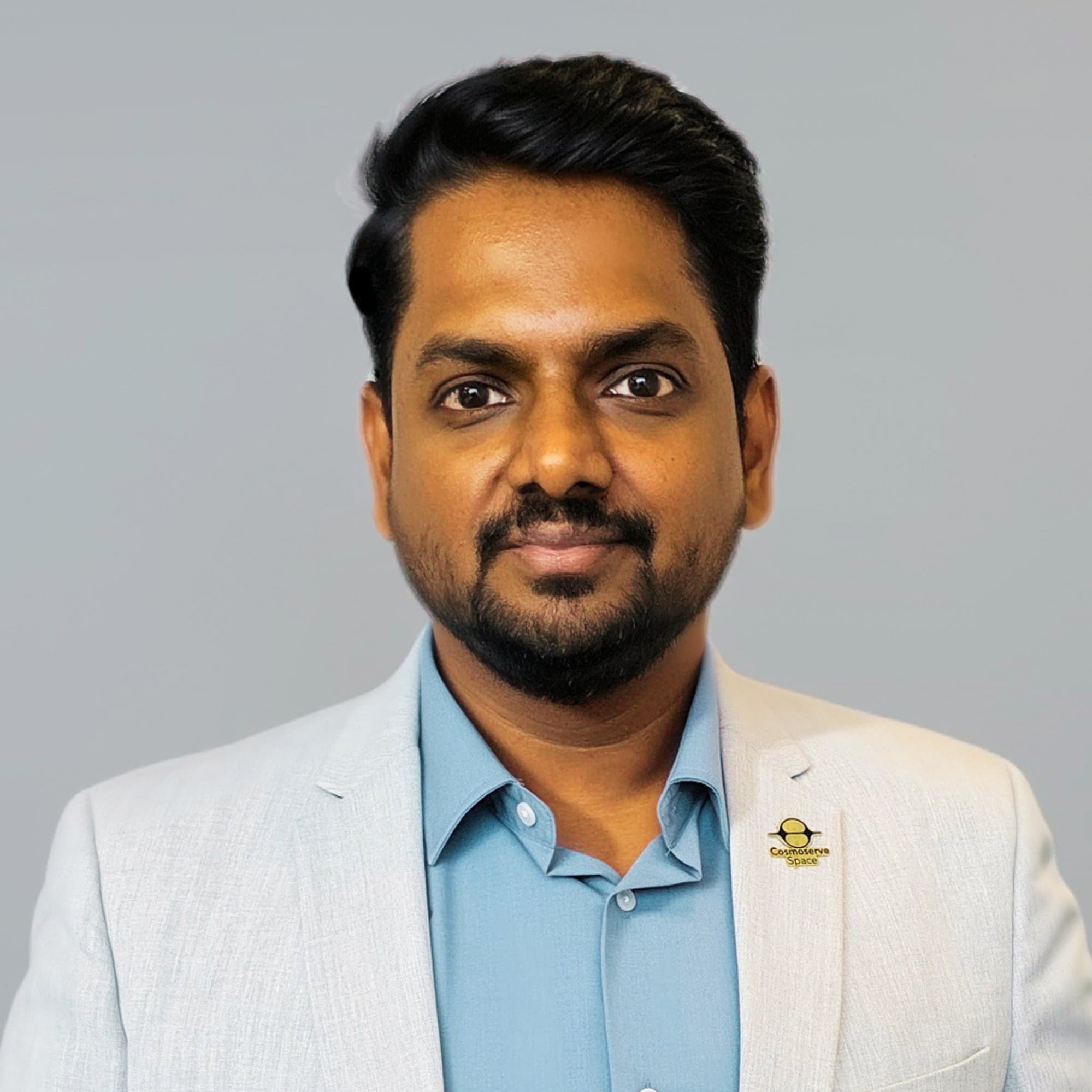
Building the Next Space Economy: Chiranjeevi Phanindra and Cosmoserve's Case for Orbital Maintenance
Chiranjeevi Phanindra, Founder & CEO of Cosmoserve Space, spent 14 years at ISRO working on re-entry and human spaceflight. Today, he is focused on a vital challenge: keeping Earth’s orbit usable.
Read Full Story
Investors & Catalysts
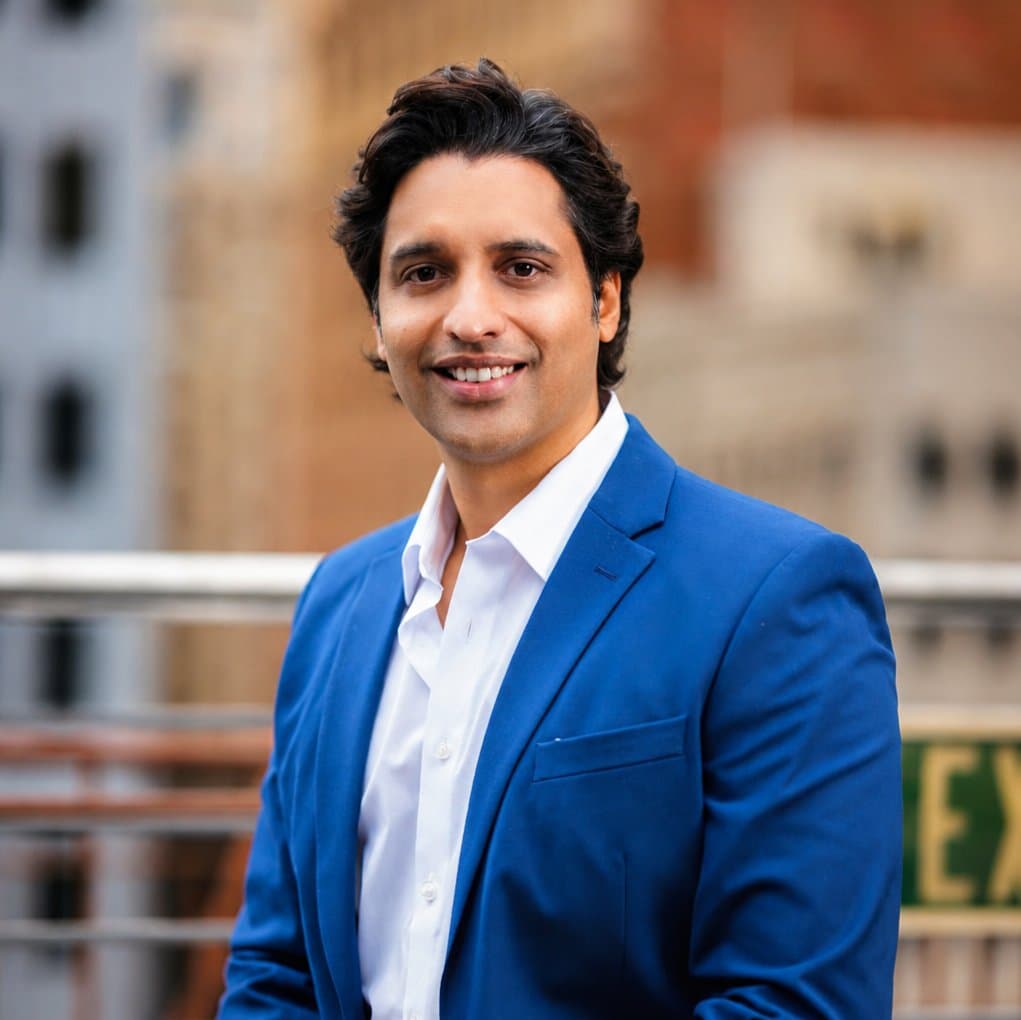
The Physical Economy Was Never Slow: A Conversation with Nikhil Choudhary
Nikhil Choudhary, Managing Partner at Nirman Ventures, on the harder ground of technology, where physical AI, venture discipline and industrial adoption have to meet the realities of machines, workers, capital and trust.
Read Full Story
Founders & Innovators
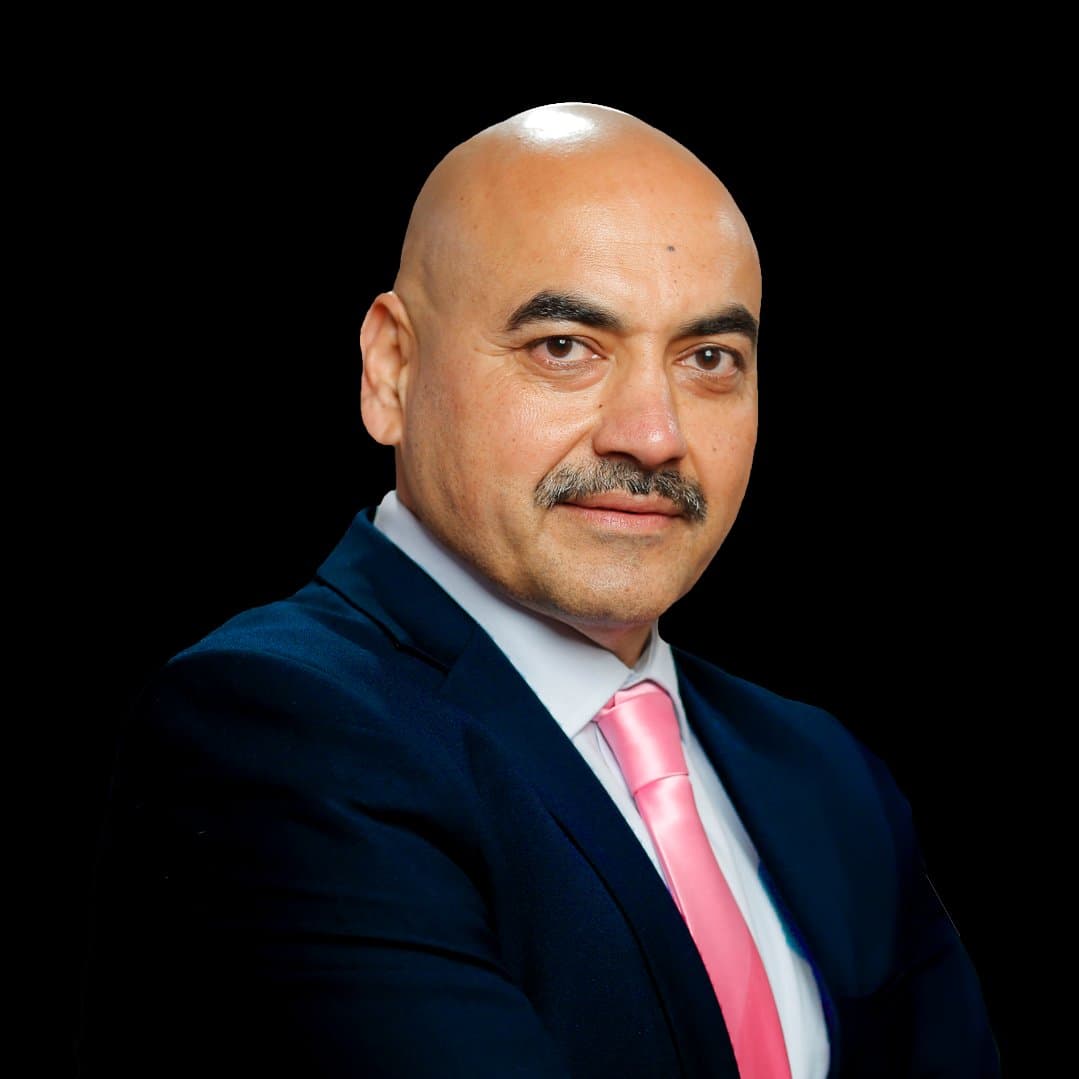
Sanjay Laul on Building Global Education's Next Chapter
Sanjay Laul, Founder of MSM Unify, a global education and talent-mobility platform, has spent 25+ years helping institutions expand internationally and learners access cross-border opportunities.
Read Full Story