Category: Corporate Visionaries
Dr. Vishwanand Pattar redefines leadership beyond authority, where trust, emotional intelligence and authenticity shape performance, and cultures thrive through belonging, safety and human-centred values.
People at the Center: Redefining Leadership Through Humanity
IndiSight Editorial
Sep 24, 2025
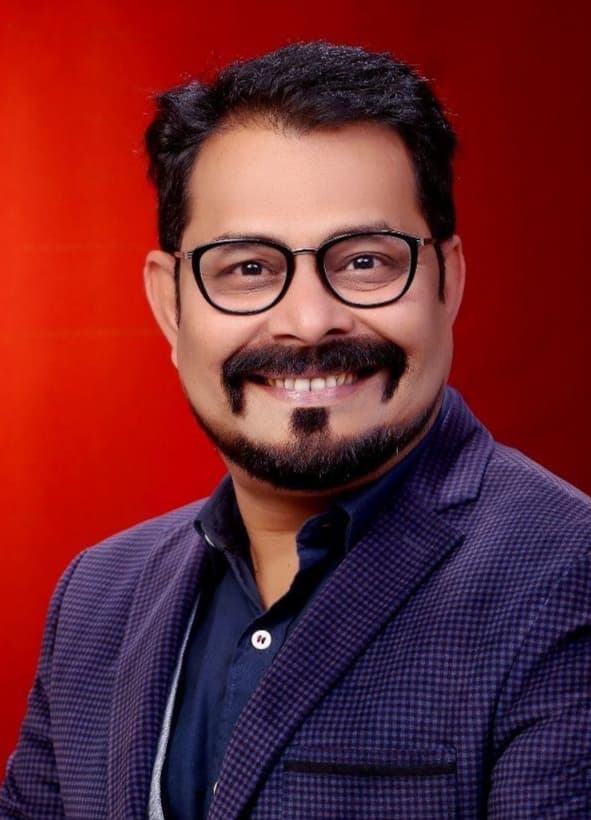
Dr. Vishwanand Pattar
HR Leader - People Partner · Corteva Agriscience Global Capability Center
Hyderabad
Why Leadership Must Be Rethought
What does it mean to be a leader in the 21st century?
For much of modern business history, leadership was judged by outputs: revenues, profits, market share, and productivity. A “good leader” was the one who delivered results on time, scaled quickly, or squeezed costs effectively. This constrained framework was effective during the industrial era, when growth was fuelled by efficiency and repetition.
But the world today is different. Pandemics can disrupt supply chains overnight. Digital platforms rewrite industries in months. Geopolitical shifts and climate imperatives alter how companies operate and who they serve. In this environment, a singular focus on numbers feels incomplete.
Long-lasting organisations are not only effective; they are also strong, flexible, and fundamentally human. They are successful because their people are involved, innovative, and trusted to handle unforeseen situations, not because their tactics are perfect.
The philosophy of Dr. Vishwanand Pattar, a human resources leader with over thirty years of experience in the pharmaceutical, publishing, engineering, construction, and agricultural industries, has been influenced by this belief. His career, which has been characterised by leadership development, gamification, and cultural experiments, is a developing reflection of one main concept:
“Leadership begins not with authority, but with humanity.”
The Making of a Human-Centered Leader
It is necessary to follow the trajectory of his journey in order to comprehend his philosophy.
He started out in classrooms rather than corporate boardrooms. As a teacher, he noticed something basic: when students felt supported and seen, they gave their best efforts. Curiosity was sparked by encouragement; confidence was sparked by trust. Even the brightest students held back when those components were absent.
He applied this early lesson to his professional life. He understood that employees are no different. Acknowledgement is the foundation of growth, not just a way to boost morale. People react better to being valued than to being in charge.
His scholarly endeavours supported this all-encompassing perspective on human potential. He studied computer science and environmental science after earning a postgraduate degree in life sciences. He pursued a Master's degree in English literature out of pure passion. He subsequently obtained an MPhil, an MBA, and a PhD in human capital management.
His unique combination of management, humanities, and science offered him a multifaceted viewpoint. He came to the conclusion that there is no one way to understand leadership. People are simultaneously creative, emotional, and logical; effective leadership involves utilising all of those aspects.
He witnessed this reality time and again across industries from biotechnology and pharmaceuticals to publishing, construction, and agriculture. Wherever leaders created cultures of trust and inclusion, performance improved. People flourished when they were given the space to be their authentic selves at work and not forced to conform to rigid authority.
From Authority to Authenticity
When Dr. Vishwanand entered the corporate world, leadership often meant command and control. Hierarchies were rigid. Authority went unquestioned. Mistakes were punished, sometimes severely. This model created predictability but rarely innovation.
Over time, he witnessed and contributed to a shift toward something more human. Leadership became less about commanding obedience and more about building trust. The language of “psychological safety,” popularized by Harvard professor Amy Edmondson, gave structure to what he had already intuited: teams perform best when they feel safe enough to admit mistakes and voice ideas without fear of judgment.
In practice, this means leaders must appreciate effort as much as outcomes. Vulnerability is no longer seen as weakness but as an invitation to trust. A leader who admits uncertainty creates room for collaboration. A leader who rewards experimentation builds resilience.
“Authenticity builds credibility,” Dr. Vishwanand says. “Not flawlessness.”
The employees of today and tomorrow are particularly attuned to this. They are less interested in leaders who project perfection and more willing to follow those who demonstrate honesty, humility, and courage.
Fundamentally, Emotional Intelligence
According to Dr. Vishwanand, a leader's energy in a room is more important than their official position of authority. Neuroscience confirms that people’s emotions are reflected in those around them. Hope can be as contagious as anxiety, and stress spreads as easily as calm.
His leadership philosophy is therefore centred on emotional intelligence, which includes self-awareness, empathy, and humility. It will be challenging for a leader to encourage stability in others if they are unable to regulate their own state. Building trust is difficult for a leader who does not listen with empathy.
He frequently reminds leaders that building the correct emotional environment is more important for credibility than having all the answers. The most successful leaders are those who acknowledge and use their emotions in a positive way rather than repressing them.
In practice, this looks like a manager who, instead of pretending nothing is wrong during a market downturn, acknowledges uncertainty. It looks like a CEO who admits mistakes in front of their team, signalling shared responsibility. It looks like leaders who evaluate themselves not by how much power they have, but by the conditions they create for others to thrive.
Beyond Coaching: Partnering in Thought
Over the years, Dr. Vishwanand has mentored and developed countless leaders. Yet he resists the traditional label of “coach.” Coaching, in its conventional sense, often implies dispensing advice or providing a roadmap. He prefers to describe himself as a “thinking partner.”
The distinction matters. Advice is external. Insights that emerge from within are owned. When leaders generate their own solutions, they are far more committed to acting on them.
His approach is to ask questions that provoke reflection, encourage new perspectives, and allow individuals to arrive at answers themselves. “If the idea is yours, you own it,” he reminds them.
This method ensures that leadership development transcends dependency and actually ensures empowerment. It also brings forward an unassailable truth: the best leaders do not seek blind followers, they strive to create conditions where others can find their own voice.
Gamification: Creating an Immersion Culture
Dr. Vishwanand's innovative use of gamification to embed culture has been one of his most notable contributions.
Early on, he noticed that competencies and values were frequently abstract. Dense policy manuals and wall-mounted posters rarely translated into everyday conduct. Training sessions with slideshows struggled to hold attention.
He created a collection of gamified resources to close this gap and make learning engaging and memorable:
A core value learning board game where employees explored real-life ethical and cultural dilemmas
A competency tree game that visualised growth as something to be nurtured
Learning maps that simplified complex business models into visual journeys
Interactive cards and HR videos that replaced dry policy manuals
Team-building experiences that built trust through shared learning
At Corteva, the values board game became more than a teaching tool. It turned into a cultural movement. Everyone from new hires to the global CEO participated, reflected, and co-created meaning.
But for Dr. Vishwanand, the goal was never to be recognised. The true success was in what he observed: when values are made tangible, people don’t just remember them. They live them. And that was exactly what he set out to achieve.
HR as a Strategic Partner
Another theme running through his journey is to redefine HR itself. Too often, HR has been dismissed as administrative or confined to payroll, compliance, or recruitment.
Dr. Vishwanand challenges this view. HR, he argues, is not a support function but the nervous system of the organization. It must influence strategy, shape culture, and drive performance.
One example stands out. When a sales territory was underperforming, he didn’t respond with policy. He combined market data with capability development, working directly with leaders to close skill gaps. The result: a measurable two percent market share increase in a difficult segment.
The insight is clear. HR is not separate from business. It is the business. When organisations treat it as secondary, they miss one of their most powerful levers for transformation.
Belonging as the True Metric
At Corteva, the outcomes of his philosophy are visible. Female representation is rising. Engagement scores touch 98 percent. Attrition has halved.
But Dr. Vishwanand insists the real metric is not statistical. It is emotional. Belonging.
Through succession planning, multiskilling programs, mentoring networks, and “vibrancy days,” he has helped build an ecosystem where people feel free to be themselves. The results speak not only in numbers, but in the energy teams carry.
“Fun isn’t a distraction,” he says. “It’s one of the strongest ties that hold teams together.”
Loyalty, he believes, isn’t won through paychecks alone. It’s earned through connection.
Humanity and Automation in Balance
As AI and automation reshape the workplace, Dr. Vishwanand acknowledges their value. Dashboards can track insights. Chatbots can resolve requests. But he cautions: never confuse efficiency with empathy.
A system can track performance but miss emotional burnout. A chatbot can approve leave but cannot comfort someone grieving. Algorithms can report data but not meaning.
His stance is clear. Technology must enhance humanity, not replace it. Leaders must actively protect the emotional layer of work as we digitise operations.
Shared Leadership for a New Generation
When asked what gives him hope, Dr. Vishwanand points to two things: the imagination of younger generations and the possibilities of emerging technology.
But this future demands a shift in mindset.
“There is no boss and subordinate,” he says. “We are all employees working for the organisation.”
Tomorrow’s leaders will thrive not through control but through clarity. Not through hierarchy but through humility. Leadership will be measured not in span of control, but in depth of trust.
The Durable Heritage of Care
As he reflects on decades of leadership, Dr. Vishwanand often reminds others and himself that titles fade. Strategies evolve. Markets shift. What endures is care.
Leadership, in the end, is not a formula. It is a relationship. It is carried not in reports but in how people remember you and how safe, seen, and supported they felt when they worked with you.
That is the legacy he has built, and the one he continues to shape. Quietly. Intentionally. Humanly.
Our Suggestions to Read
Discover The Leaders Shaping India's Business Landscape.
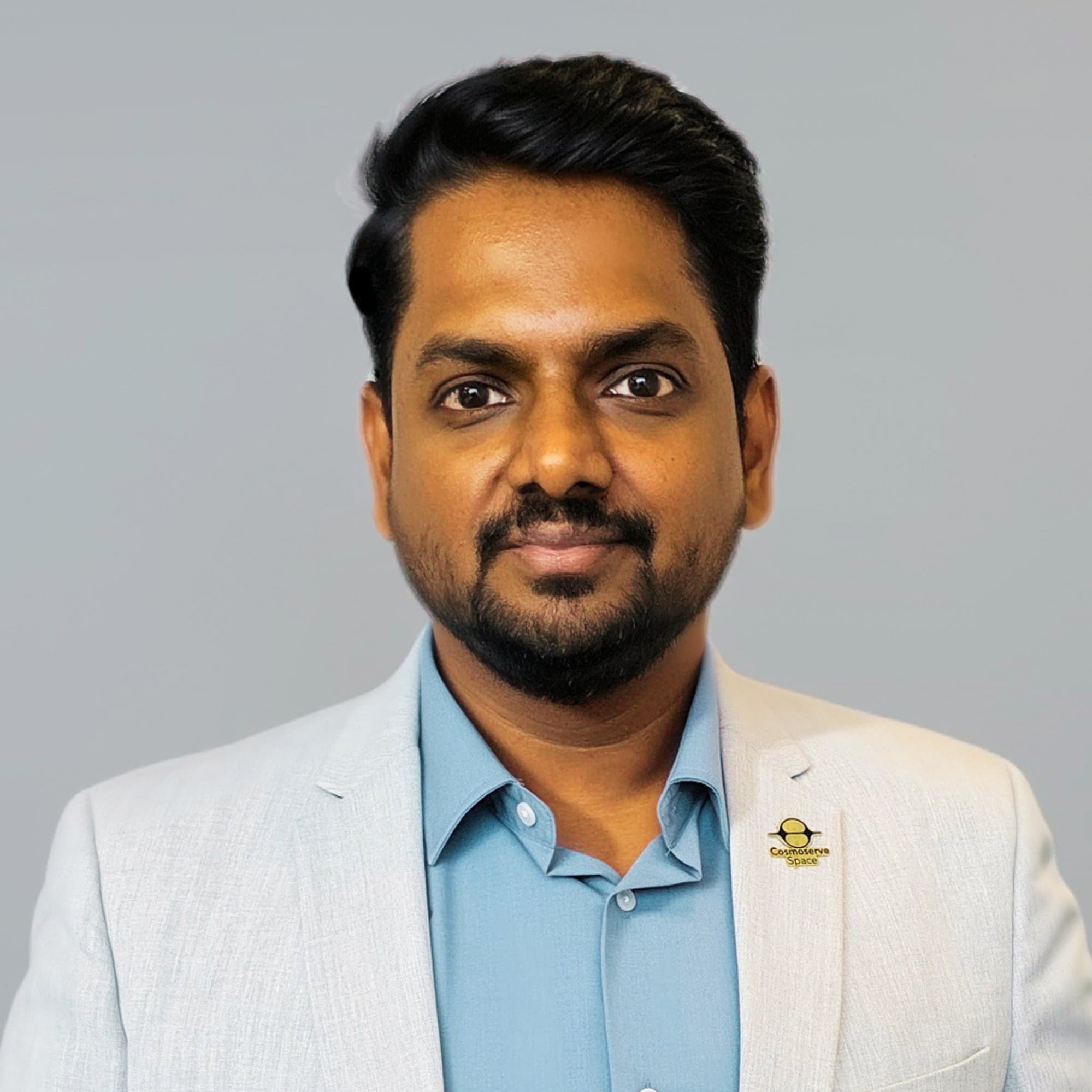
Founders & Innovators
Building the Next Space Economy: Chiranjeevi Phanindra and Cosmoserve's Case for Orbital Maintenance
Chiranjeevi Phanindra, Founder & CEO of Cosmoserve Space, spent 14 years at ISRO working on re-entry and human spaceflight. Today, he is focused on a vital challenge: keeping Earth’s orbit usable.
Read Full Story
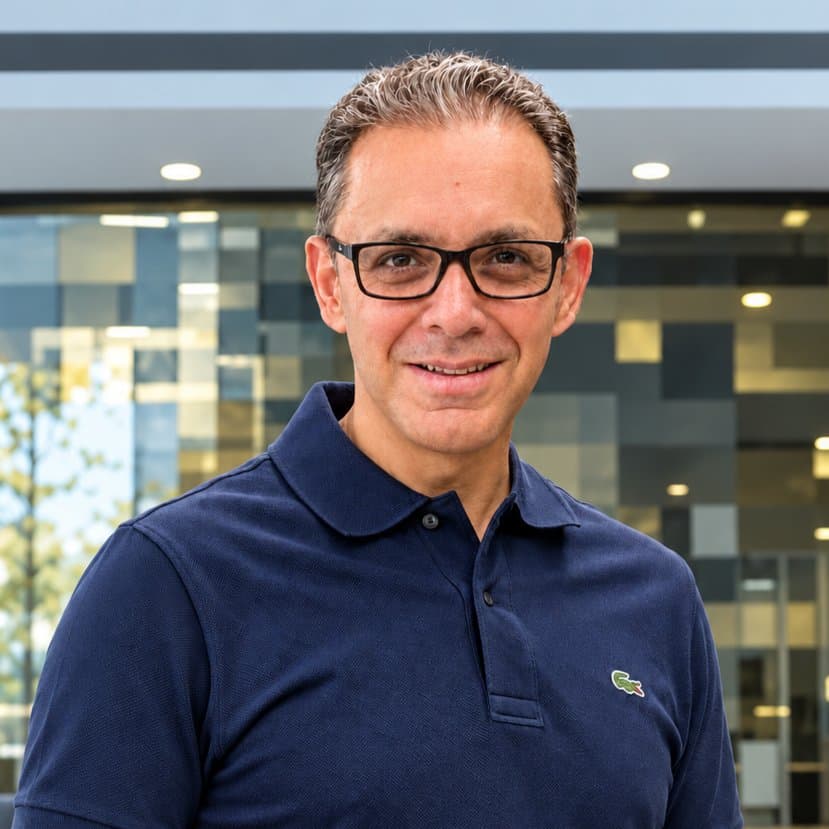
Corporate Visionaries
Shashank Sahni on What Success Leaves Out
Shashank Sahni, Google’s Managing Director of Global Ads Solutions, reflects on what customers reveal, what ambitious teams need from their leaders & what the mountains and marathons have taught him about going further.
Read Full Story
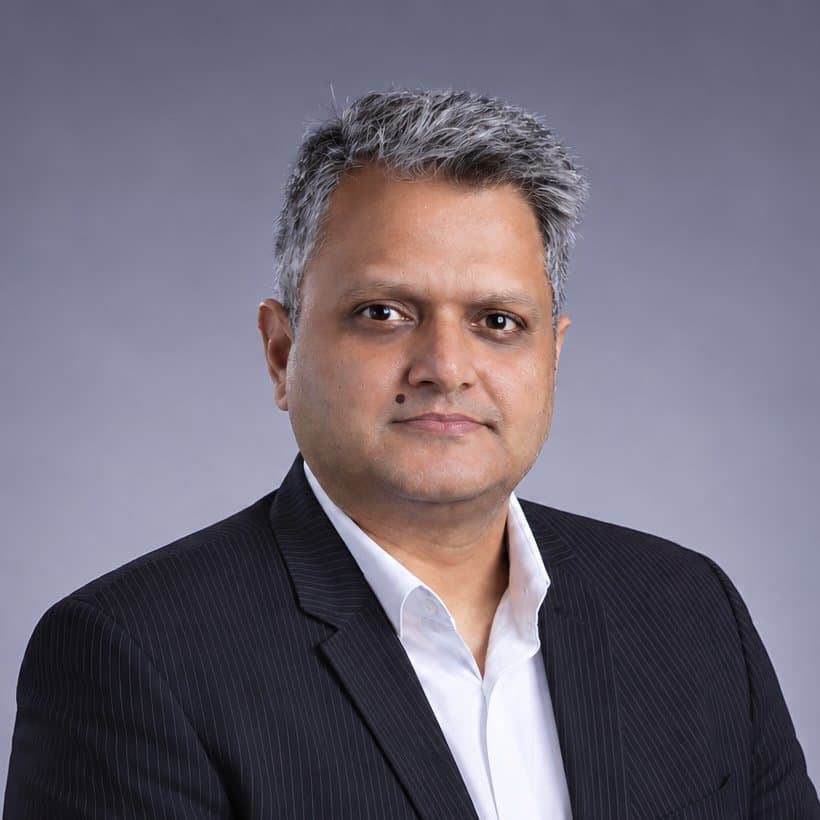
Corporate Visionaries
Clinical Multiplication: Divesh Singla on the Healthcare AI Case That Headlines Keep Missing
Divesh Singla, Managing Director, India at Veradigm, brings two decades in healthcare technology to the AI question leaders cannot avoid: how to expand clinical capacity without weakening human judgment.
Read Full Story