Category: Investors & Catalysts
Murali Bukkapatnam sees entrepreneurship as a craft, not a sprint. His work is creating a founder ecosystem rooted in mentorship, resilience, and long-term institution building.
Jugaad Is Not Enough: Why India's Next Million Entrepreneurs Need Systems, Not Shortcuts
IndiSight Editorial
Aug 19, 2025
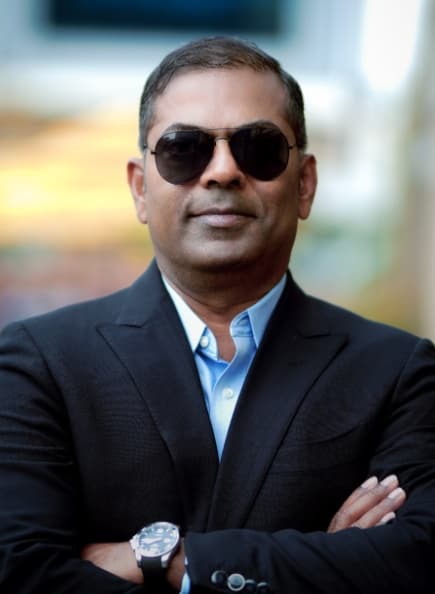
Murali Bukkapatnam
Chairman · Global Board of Trustees, TiE
Hyderabad
Murali Bukkapatnam doesn’t just build startups. He re-architects the ground beneath them.
Not with a playbook of shortcuts, but with decades of observation, failure, and silent conviction. In a country conditioned to hustle its way around systemic gaps, Murali is the one pausing, pointing to the cracks, and asking: What would it look like to do it right, not fast?
“Founders don’t need more tactics,” he says. “They need more truth. And the space to tell it to themselves.”
That space, for reflection, for rhythm, for trust, is what Murali has spent the last 20 years quietly designing. As the founder of Volksy Technologies and the Global Chair of TiE, his work isn’t just in startups. It’s in shaping the conditions where responsible founders and enduring institutions can emerge from the noise.
And perhaps more importantly, to shape a culture where building responsibly is seen as strength, not slowness.
Conviction Before Capital
Murali’s journey didn’t begin with venture funds. It began with walking corridors in the U.S. as a broke student, knocking on office doors, seeking any job that would pay. Filing documents wasn’t glamorous. But it anchored something deeper.
“I just needed to prove to myself that I could figure it out. That I wouldn’t need to call home again.”
He’s never forgotten that feeling. And it’s become his call to founders: Don’t outsource your self-worth to external capital. Build something inside first. The invisible scaffolding, of habits, honesty, and humility, that capital alone can’t replace.
When startups fail, Murali says, it's rarely because they lacked money. It’s because they lacked muscle. The kind of internal strength that helps you survive a pivot, absorb rejection, or say no when the world demands yes.
“Solve internally before asking externally.”
It’s a principle he instills in his own teams: before you ask the market to believe in your product, ask yourself if you believe in your process.
Mentorship as Public Infrastructure
Murali doesn’t romanticize mentorship. He deconstructs it.
To him, it’s not about office hours or feel-good panels. It’s about emotional calibration. A mirror, not a megaphone.
“You can watch a thousand startup strategies on YouTube. But reflection? That needs a witness.”
India, he believes, needs to treat mentorship with the same seriousness it treats infrastructure. Not because it scales, but because it stabilizes. Because founders don’t just need feedback. They need fidelity: mentors who show up, challenge kindly, and withdraw ego.
He draws inspiration from Germany’s apprenticeship models, where craft is passed down through immersive practice. He admires Japan’s culture of quiet mastery, where excellence comes from repetition and reflection. And he contrasts these with India’s often chaotic mentorship landscape, where advice is plentiful, but presence is rare.
“We don’t need more mentors giving advice. We need more mentors asking questions that slow you down and show you who you are becoming.”
Murali has been vocal about protecting founders from predatory advisors who mistake visibility for wisdom. His answer: build public-good mentorship infrastructure, with certification, accountability, and dignity. Think of it as a trusted registry of long-haul mentors, supported by peer reviews, founder feedback, and contextual fit.
And most importantly, mentor selection should be based not on who is loudest on stage, but on who has the patience to stay in the room when things fall apart.
1x10x100: A Doctrine for Distributed Legacy
This isn’t a movement for Twitter threads. It’s for town squares.
Murali’s 1x10x100 model is radical in its simplicity. If one founder mentors ten, and those ten mentor a hundred, and that cycle is repeated across the 100 districts India often ignores, we don’t just decentralize capital. We democratize confidence.
“The problem isn’t just access. It’s emotional permission. A young founder from Siliguri doesn’t need pitch advice. She needs to be believed.”
He’s calling for 40 new startup valleys. Not copies of Silicon Valley, but ecosystems rooted in local trust, relevance, and rhythm. Think Coimbatore for manufacturing, Shillong for creative tech, or Raipur for grassroots climate solutions.
“We’re not building just companies. We’re building entrepreneurial density that regenerates itself.”
This is legacy not as name-dropping, but as name-seeding, ensuring the next generation doesn’t just remember who built what, but feels equipped to build their own.
“Imagine a mentorship tree growing from a town that doesn’t even have a coworking space yet. That’s where we start.”
Jugaad Is Clever. But It Doesn’t Scale.
Murali’s most cited quote, “Jugaad is clever. But it doesn’t scale,” is more than a line. It’s a design diagnosis.
He believes India needs to stop celebrating hacks and start celebrating systems that hold under pressure.
“The cap that doesn’t fall off. The click that never jams. That’s not capital. That’s care.”
He’s wary of the way frugal innovation is often used as an excuse to skip quality. The real win isn’t in launching fast. It’s in lasting long.
At EHAM, this ethos is embedded. Products aren’t built to ship. They’re built to shape the founders themselves.
“We don’t just help founders make products. We co-design products that help remake the founder.”
“Don’t ship what you wouldn’t buy. Don’t market what you don’t stand by.”
Murali’s critique of jugaad isn’t to dismiss innovation. It’s to elevate it. He wants founders to stop thinking like hacksmiths and start thinking like craftsmen.
Fundraising as Stewardship, Not Spotlight
India’s obsession with fundraising, Murali warns, is a cultural blindspot.
“In mature ecosystems, raising money is treated like fiduciary responsibility. In India, it’s treated like a trophy.”
He’s not anti-investment. He’s anti-illusion.
Every rupee raised, he says, should be treated like someone else’s belief, not your own brilliance. That mindset shift alone could reduce startup burnout, misalignment, and waste.
“Can you justify every expense? Not because someone’s watching. But because it’s not your money.”
Murali flies economy not for optics, but to protect resources for what actually matters: the mission. He advocates for policy change that treats founder reinvestment as R&D, not capital gain.
“We tax long-term contributions like short-term profit. That’s the paradox we must undo.”
And he believes boardrooms should include not just investors and founders, but customers and community voices. Because the best accountability isn’t contractual. It’s cultural.
Designing Inclusion Without Drama
Murali doesn’t tokenize. He normalizes.
“What if we just made it normal for women to lead?”
He has mentored founders from Tier 3 towns who were told to “add a co-founder who speaks better English.” His response?
“We don’t need to fix the founder. We need to fix the frame.”
His proposed Rural Founder Fellowship, with ₹10L in trust-based capital and no pitch decks, is a direct challenge to India’s fetishization of elite articulation. It’s built around three filters: lived grit, community respect, and an idea grounded in local relevance.
“We say build for Bharat. But we only fund the Bharat that looks metro enough.”
At TiE, his push is for deeper participation, not panel diversity optics. Because representation without redistribution is just theatre.
“You can’t build an inclusive economy if you're still using exclusive filters.”
The Ocean Doesn’t Rush. And Neither Should You.
“The ocean doesn’t rush. It just shows up. Wave after wave.”
That’s Murali’s metaphor for leadership. Not reactive, but rhythmic.
Not chasing virality, but building for a world that will still need you when the noise dies down.
“India doesn’t need more unicorns. It needs more oxygen.”
Oxygen that helps founders breathe through burnout. Systems that hold trust, not just capital. Mentors that challenge quietly. Institutions that outlive personalities.
Because in the end, what India’s next million entrepreneurs need is not another viral hack. They need vision with depth, design with dignity, and belief that doesn’t fade when markets shift.
And Murali’s real legacy may be this. That, in a culture obsessed with speed, he taught us how to build slow, and burn steady.
Our Suggestions to Read
Discover The Leaders Shaping India's Business Landscape.
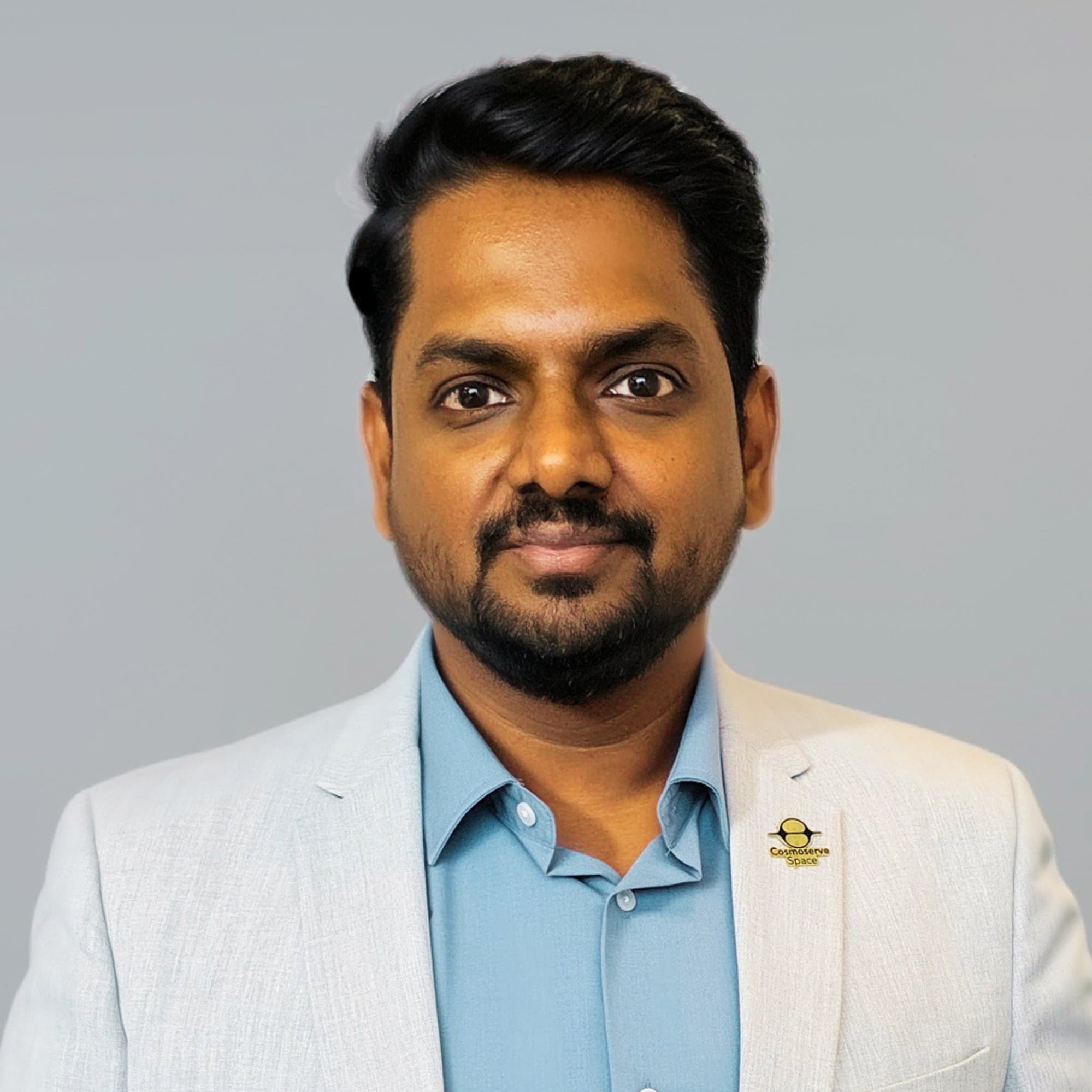
Founders & Innovators
Building the Next Space Economy: Chiranjeevi Phanindra and Cosmoserve's Case for Orbital Maintenance
Chiranjeevi Phanindra, Founder & CEO of Cosmoserve Space, spent 14 years at ISRO working on re-entry and human spaceflight. Today, he is focused on a vital challenge: keeping Earth’s orbit usable.
Read Full Story
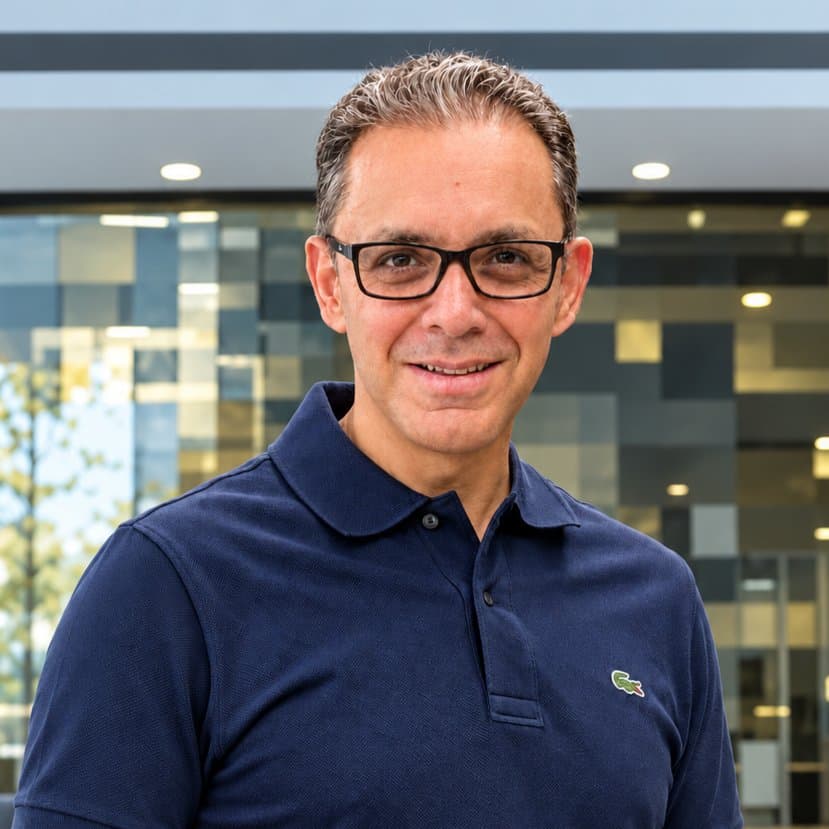
Corporate Visionaries
Shashank Sahni on What Success Leaves Out
Shashank Sahni, Google’s Managing Director of Global Ads Solutions, reflects on what customers reveal, what ambitious teams need from their leaders & what the mountains and marathons have taught him about going further.
Read Full Story
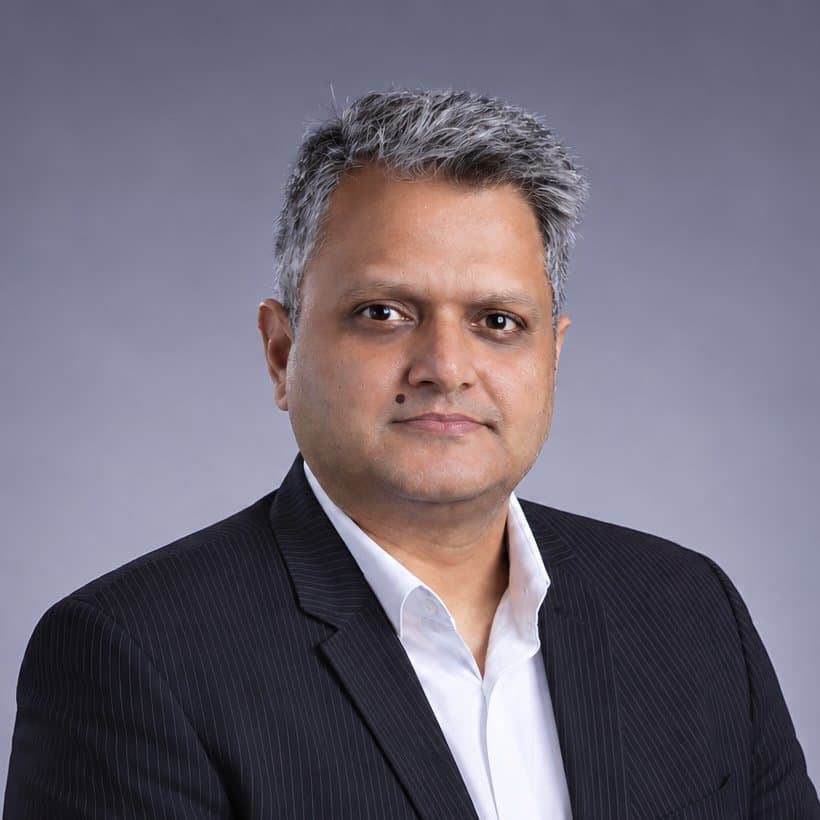
Corporate Visionaries
Clinical Multiplication: Divesh Singla on the Healthcare AI Case That Headlines Keep Missing
Divesh Singla, Managing Director, India at Veradigm, brings two decades in healthcare technology to the AI question leaders cannot avoid: how to expand clinical capacity without weakening human judgment.
Read Full Story