Category: Corporate Visionaries
Data explains what happened. People explain why. For Sameer Kaul, former CMO and Business Head at Dr. Lal PathLabs and COO at Metropolis Healthcare, leadership lives in that gap. His philosophy is simple: simplify before you scale, build predictability before persuasion, and treat trust as operating capital. When judgment is clear, growth follows.
The Strategy of Sensibility: Sameer Kaul’s Philosophy of Intelligent Growth
IndiSight Editorial
Mar 15, 2026
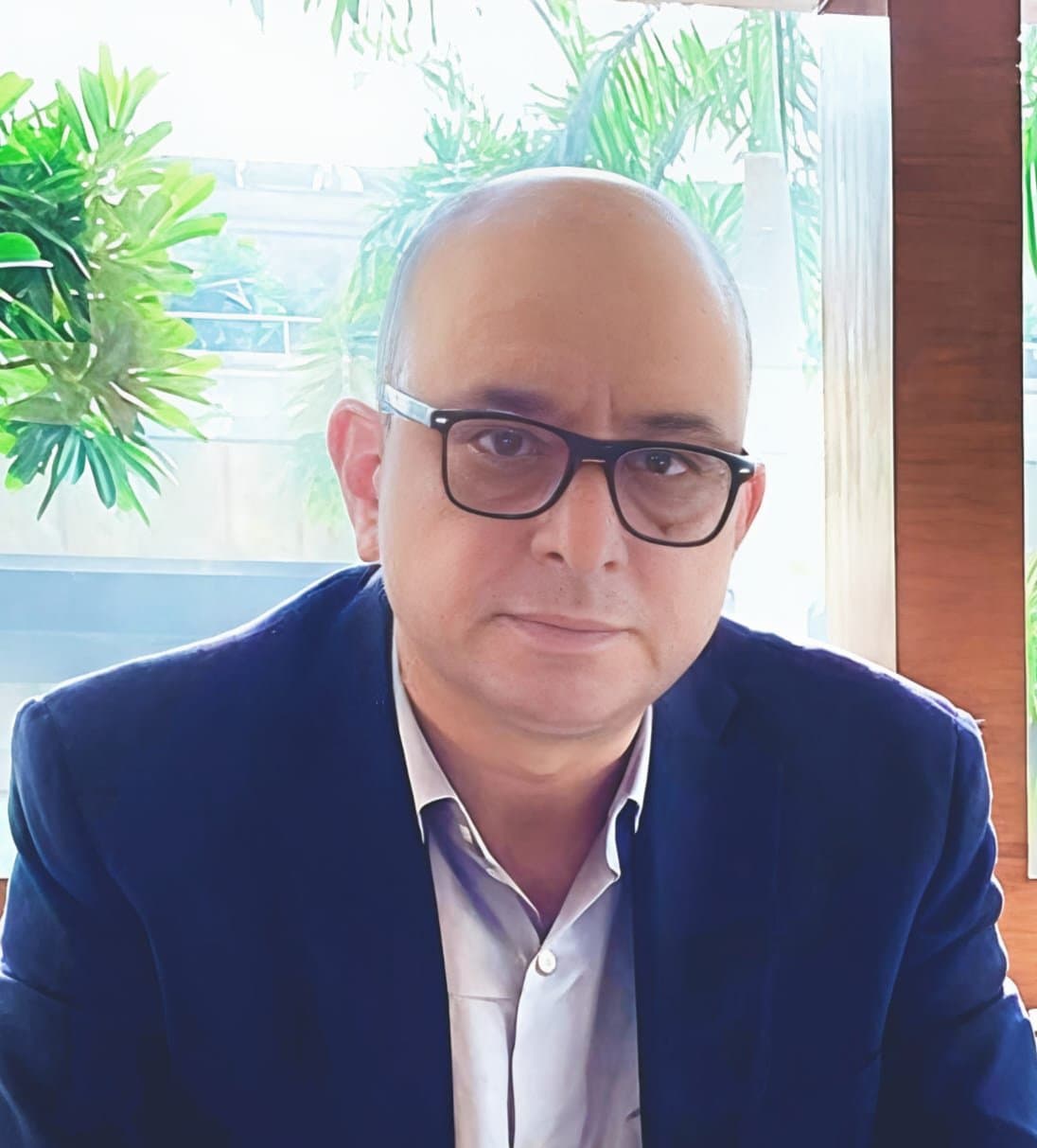
Sameer Kaul
Chief Advisor and Consultant · Chaabii
Gurugram
Technology has changed how companies scale and measure performance, but it has not replaced the need for human judgment. Data reveals what is visible, yet much of what drives performance lies in how people think, interpret, and react. Sameer Kaul, former Chief Marketing Officer and Business Head at Dr. Lal PathLabs and Chief Operating Officer at Metropolis Healthcare, has spent more than two decades across hospitality, automotive services, and healthcare turning human insight into measurable business outcomes. Earlier in his career, he was part of the leadership team at Windshield Experts, India's first organized auto-glass retail network, and began his professional journey with the Oberoi Group.
His work has consistently demonstrated that leadership is an applied science of observation, the discipline of aligning empathy with execution. "Data explains what happened," he says. "People explain why it happened. That's where real management begins."
Early Grounding
Sameer's understanding of service and performance began in his family's hotel in Kashmir. The setting was small but demanding. Guests remembered tone, consistency, and honesty more than design or price. Every feedback conversation was an early lesson in how perception influences results.
When political unrest disrupted the region in the 1990s, the family had to reorganize operations repeatedly to stay functional. He saw how even limited systems could survive if people stayed aligned and disciplined. It was his first view of resilience as a process rather than a slogan, the ability to realign quickly when plans collapse.
Formal training at the Welcomgroup Graduate School of Hotel Administration under ITC exposed him to a different side of management. Everything had to be timed, documented, and reviewed. The smallest delay had a measurable impact on performance. Among his peers was chef Vikas Khanna, whose later global career reminded Sameer that creative talent needs a predictable system to thrive.
His next professional test came at the Oberoi Group in Bengaluru, where he managed operations at a flagship property. It was a real-time education in accountability. Coordinating departments that had to function in sequence required continuous communication and constant anticipation. Even small delays could disturb the guest experience. Over time, he saw that reliability was not a personal trait but the result of repeatable routines that remove uncertainty from daily work.
Graduate studies in Australia and the United States completed the loop. Western organizations valued planning, documentation, and standardization; Indian markets required speed and interpretation. He began to see management as the practice of moving between those two realities, structure providing the base and adaptability keeping it relevant.
Turning Trust into a Measurable Asset
At Windshield Experts, India's first organized auto-glass network, Sameer entered a sector defined by fragmented pricing and customer skepticism. He found that loyalty did not depend on discounts or campaigns. It depended on predictability. His solution was operational, not promotional. Certified technicians, transparent billing, and visible quality checks replaced assumptions with proof. The changes made customers comfortable enough to return. Within two years, retention rose sharply and the brand earned a reputation for credibility in a category that had little of it.
The same principle guided his later work in healthcare. At Dr. Lal PathLabs, he helped shift diagnostics from a technical service to a consumer experience. "When people give a blood sample, they also give you their anxiety," he explains. The goal was to make reliability visible, from how reception staff greeted visitors to how reports were written and delivered. Revenue expanded from roughly ₹90 crores to over ₹550 crores, but what mattered more was that the organization became associated with assurance rather than uncertainty.
At Metropolis Healthcare, he faced a different challenge: uneven performance across regions. The northern business was stagnant. Instead of launching new offers, he focused on internal discipline, clarifying accountability, aligning training, and improving response time. Growth rose from about six percent to more than thirty. Not every idea worked smoothly. Some empathy-driven initiatives were introduced too early, creating confusion. "We promised emotional value before the structure was ready," he recalls. "It taught me that culture and process must mature together."
Decision Hygiene
As Sameer took on wider responsibilities, he noticed how fast-growing organizations often confused speed with effectiveness. Decisions were made under pressure without testing assumptions. To counter this, he developed what he calls decision hygiene, a method for improving the quality of choices before execution.
The framework is practical: before acting, leaders ask three questions. What improves if we wait? What strengthens if we simplify? What keeps repeating because it has been ignored? These questions are designed to identify noise before it becomes waste.
At Dr. Lal PathLabs, this led to tightening reliability measures before running new promotions. At Metropolis, it helped stop unnecessary expansion and redirect resources toward consistency. The goal was not to slow progress but to reduce the time spent fixing preventable errors.
If people think clearly, the business moves faster. The delay happens when you keep correcting what should have been questioned in the first place.
Trust as Operating Capital
Sameer treats trust as a measurable financial variable. Every missed promise, delayed delivery, or unclear communication adds cost, even when it does not appear in accounts. He began tracking what he calls trust velocity, how quickly a problem surfaces, moves upward, and returns resolved. The shorter this loop, the healthier the organization.
In his view, transparency is more cost-effective than marketing. Customers and employees both stay longer when systems are predictable. The companies he led proved that credibility can scale as efficiently as technology when it is treated as a management process rather than a soft concept.
Ignibiz Consulting and Leadership Practice
After twenty years in operating roles, Sameer founded Ignibiz Consulting to help organizations align reflection with performance. "Executives have consultants for capital and markets," he says. "They also need advisors for meaning."
The firm's global reach extends from India to Southeast Asia and beyond. Recent projects include establishing diagnostic laboratory chains in the Philippines, bringing his healthcare expertise to new markets. He is also launching a B2C consulting service specifically designed for senior professionals, founders, and entrepreneurs seeking guidance on strategic growth and leadership development.
His model works through four stages: awareness, alignment, action, and adaptation. Awareness clarifies intent. Alignment links people to that intent. Action delivers results, and adaptation preserves learning. The idea is to make reflection part of the performance cycle rather than an occasional retreat.
He often finds that poor results stem not from lack of effort but from unclear interpretation. Information is abundant; understanding is not. Leaders misread signals from their teams or customers because they move too quickly to solution mode. By helping them observe patterns in behavior and energy before they intervene, his firm brings precision to decision-making.
He also encourages simple routines to sustain focus. Teams are asked to simplify one recurring process every quarter. Managers are trained to reward calm execution alongside achievement.
Composure is competence under stress. It protects good judgment when the environment is unstable.
Frameworks That Guide Action
Over time, Sameer has consolidated his learning into models that leadership teams use during advisory engagements.
The Five Disciplines of Leadership are:
Listen until the pattern behind the data becomes clear.
Simplify processes until intent is obvious.
Decide with full context and limited emotion.
Execute consistently under pressure.
Reinforce what works until it becomes habit.
The Emotional Infrastructure Framework expands on the same idea:
Sense early signals of change,.
Interpret them into insight.
Align systems with that understanding.
Reinforce effective responses.
Measure the quality of interactions over time.
Both frameworks aim to make empathy operational, turning awareness into repeatable management behavior.
Principles for Leaders
Across his career, Sameer has come to rely on a set of grounded leadership principles that link human behavior with organizational performance.
Observation precedes management. Effective leadership begins with attention. Before redesigning systems, leaders must understand how people behave, what slows them down, what they repeat, and where friction builds. The best managers, he says, are those who listen longer than they speak.
Predictability builds trust faster than persuasion. Teams and customers respond more to consistency than to rhetoric. Reliability in delivery and communication removes uncertainty and builds long-term confidence.
The absence of surprises is often the strongest signal of competence.
Reflection protects velocity. Pausing briefly to test assumptions before acting prevents expensive rework. Sameer's concept of decision hygiene treats reflection as a performance tool, not a luxury. "If you think clearly," he adds, "you move faster."
Calm is a leadership advantage. People take their emotional cues from the person in charge. Composure, especially under pressure, steadies collective judgment. Sameer calls it competence under stress, a quality that prevents more errors than control ever can.
Trust compounds like capital. Each fulfilled commitment adds value; every broken promise depletes it. When reliability becomes habit, trust becomes measurable equity.
Together, these ideas form a pragmatic view of leadership, less about inspiration and more about alignment between what leaders say, what they do, and what others experience.
The Broader View
Sameer believes India's business environment offers the best laboratory in the world for leadership learning. The diversity of its markets forces managers to combine method and intuition daily. "You cannot manage India by formula," he says. "You have to adapt without losing focus."
He sees the next stage of global business as a test of balance between technology and temperament. Machines can optimize, but people interpret. The companies that link analysis with empathy will move faster and fail less. "Awareness is the new form of efficiency," he says. "Once people see clearly, execution takes care of itself."
Our Suggestions to Read
Discover The Leaders Shaping India's Business Landscape.
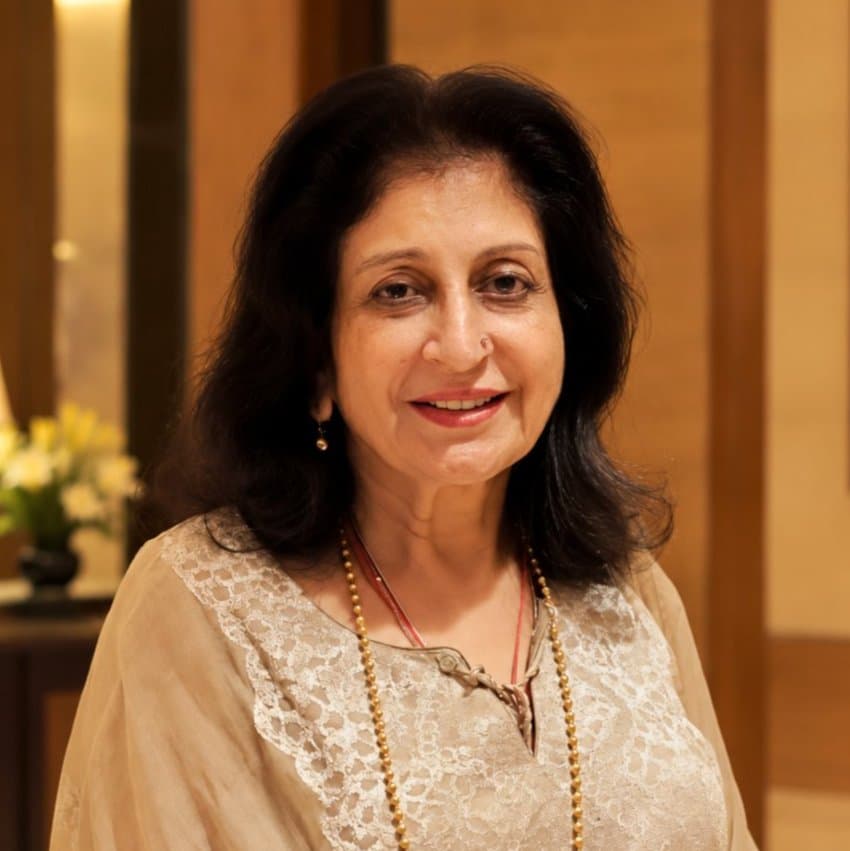
Education Leadership
The Human Advantage: Anu Monga on What Schools Must Still Create
Drawing on decades of leadership in international schools and education, Anu Monga reflects on what institutions must continue to create in a world where knowledge is increasingly accessible and shaped by technology.
Read Full Story
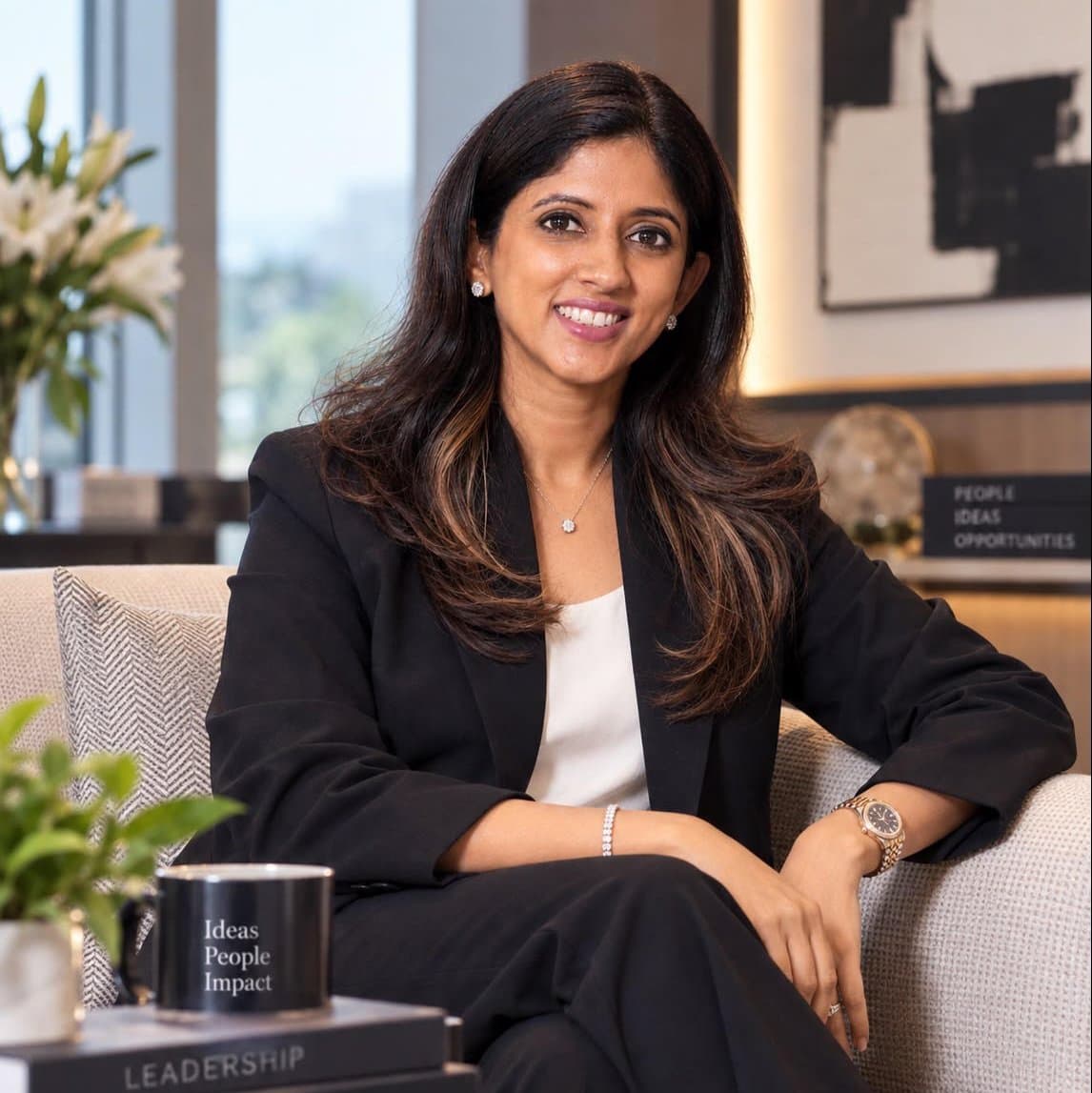
Investors & Catalysts
From Millet to Method: Rasika Prashant on Building What Consumers Return To
Rasika Prashant, CEO of NSRCEL at IIM Bangalore and Co-founder of Soulfull (later aquired by Tata Consumer Products) on consumer trust, category creation, Indian brands, and the founder discipline required after belief.
Read Full Story
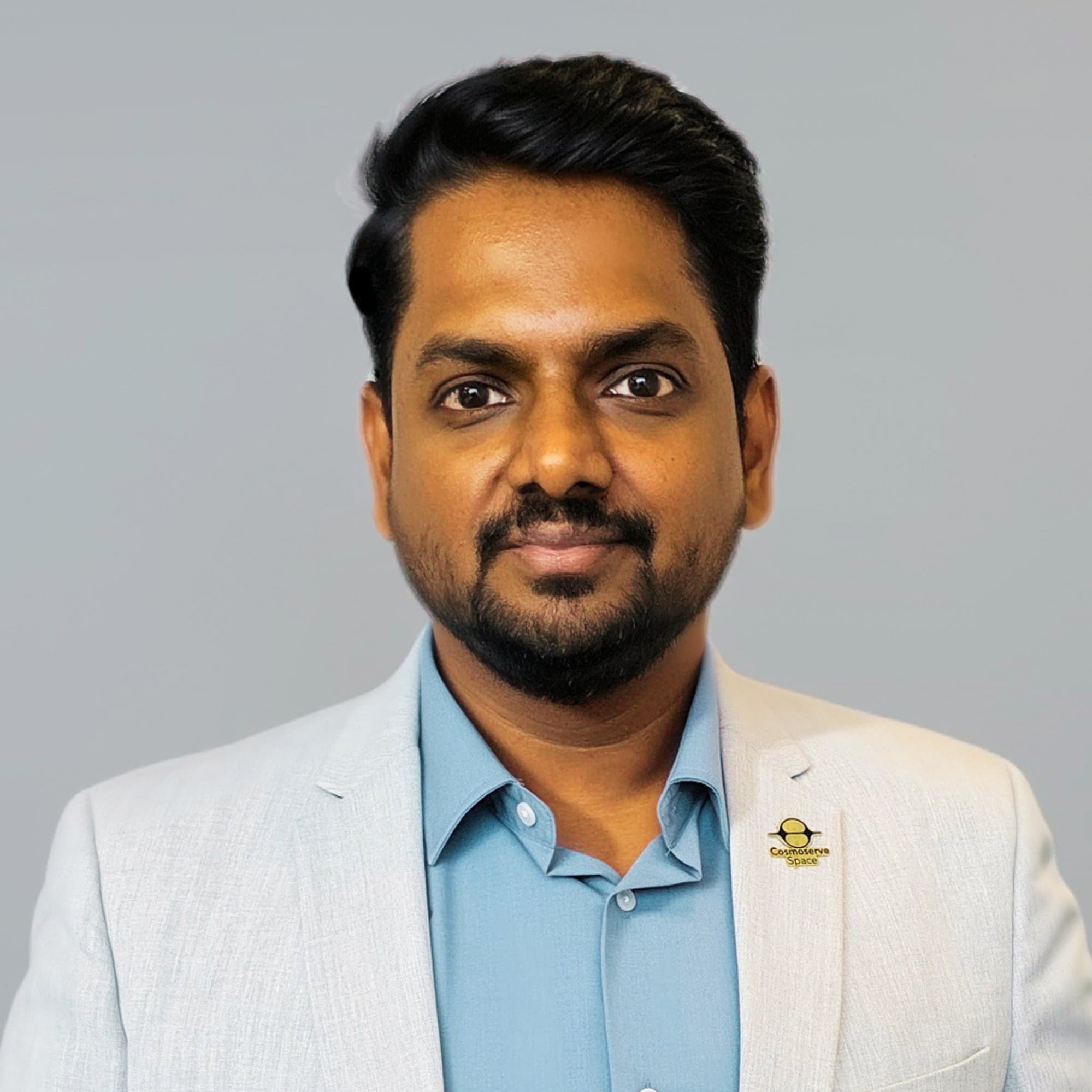
Founders & Innovators
Building the Next Space Economy: Chiranjeevi Phanindra and Cosmoserve's Case for Orbital Maintenance
Chiranjeevi Phanindra, Founder & CEO of Cosmoserve Space, spent 14 years at ISRO working on re-entry and human spaceflight. Today, he is focused on a vital challenge: keeping Earth’s orbit usable.
Read Full Story