Category: Originals
Dr. Nikhil Suresh Ghadyalpatil’s work in oncology opens a larger healthcare question: how should care be designed when medical advice is only the beginning of what patients and families must carry?
The Prescription Is the Beginning: Dr. Nikhil Suresh Ghadyalpatil on the Care That Healthcare Systems Still Leave Unfinished
IndiSight Editorial
Jun 26, 2026
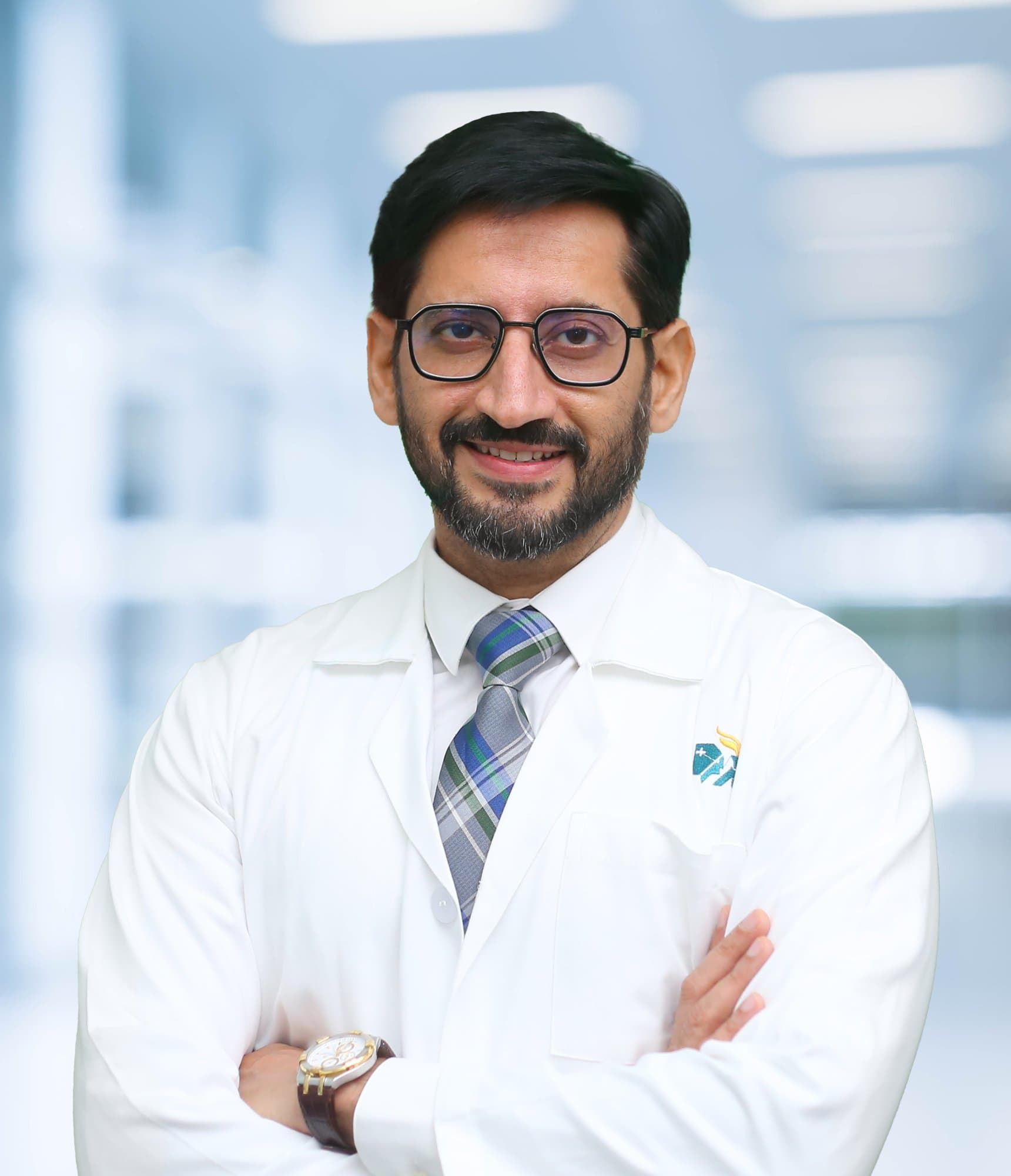
Dr. Nikhil Suresh Ghadyalpatil
Director - Medical Oncology · Apollo Hospitals Hyderabad
Hyderabad/India
A prescription begins inside a consultation room, but its real test often begins after the patient leaves.
The doctor may have identified the disease, explained the risk, selected the treatment and written a plan that is clinically sound. Then the plan enters ordinary life. Someone has to hold the instructions together. The money needs arranging. The travel needs managing. Food habits have to change. Relatives have to be spoken to. And through all of it, someone has to keep the patient steady during the days when the hospital is no longer around.
Healthcare can look complete on paper and still remain unfinished in the patient’s life.
Dr. Nikhil Suresh Ghadyalpatil, Director of Medical Oncology at Apollo Hospitals Hyderabad, has spent years inside one of medicine’s most demanding fields, where scientific progress is moving quickly and the human burden remains heavy. Trained at Tata Memorial Hospital, with experience across cancer care, lung cancer, prevention, medical education, supportive oncology and resource-constrained healthcare settings, he carries a view shaped by clinical discipline and by years of watching families try to hold themselves together under pressure.
Oncology gives his thinking a sharp ground, but the larger question travels across healthcare. Hospitals may have specialists, diagnostics, drugs, protocols and technology, yet patients may still reach late, drop out of care, misunderstand risk, delay diagnosis, struggle with cost, or depend on caregivers who were never prepared for the responsibility placed on them.
Cancer does not wait for systems to catch up. The International Agency for Research on Cancer estimated around 20 million new cancer cases and 9.7 million cancer deaths globally in 2022, with annual new cases projected to cross 35 million by 2050. India’s healthcare system is balancing advanced medical capability with uneven access, late diagnosis, household financial pressure and large differences in how easily people can enter care.
Dr. Nikhil’s work points to a principle healthcare systems need to take more seriously: care must be designed for completion. Advice, diagnosis, treatment and technology matter deeply, but the system must also ask whether the patient can reach care, afford care, understand care, tolerate care and remain supported long enough for care to work.
When the patient comes, you don’t treat only the patient. You treat the entire family.
Serious illness enters the family budget, the kitchen, the child’s education, the caregiver’s sleep, the patient’s work, and the unspoken fear that changes how people speak at home. The patient receives the diagnosis, but the burden moves through everyone who has to carry the consequences.
The Field That Enlarged the Doctor’s Lens
Dr. Nikhil chose oncology because the need was large and the field still had distance to travel. At the time he was deciding his specialization, trained oncologists were limited, the doctor-patient ratio was strained, and cancer was becoming a larger public-health concern as India’s disease pattern moved deeper into non-communicable and lifestyle-linked illness.
The branch carried difficulty from the beginning. Patient volumes were high. Public fear was deep. The emotional weight of the field was obvious. Scientific progress had begun to accelerate, but the distance between knowledge and access remained wide. For a young doctor, the field offered responsibility more than comfort.
“When a field is still being built, the room for improvement is larger.”
Dr. Nikhil’s early years were shaped by the discipline of technical medicine. Diagnosis, staging, medicines, treatment sequence and response were the natural language of the clinic. High-volume medical training often produces that rhythm because patients are waiting, decisions have to be made, and time is never enough.
Years with patients widened the frame. The shift came from watching the same pattern repeat: a treatment plan would be understood medically, and then quietly renegotiated by families around cost, travel, fear, food, and the caregiver’s ability to hold everything together. The file did not show whether the patient could afford repeated visits, whether food at home supported recovery, whether the caregiver had understood the instructions, or whether the family had already begun deciding what could be paid for without saying it openly.
A doctor can know the treatment and still miss the conditions that decide whether care survives outside the hospital.
“Patients need to feel that the doctor can take care of them.”
In that feeling sits a deeper form of medical responsibility. Competence remains the base, but patients also need steadiness, interpretation, time, emotional balance and the sense that the person across the table is being seen beyond the disease label.
The First Mile of Healthcare
Many patients are lost before a specialist sees them.
Sometimes the loss begins with geography. A scan is far away. A pathology report takes time. A first-contact doctor treats the most familiar possibility. A referral waits. In lung cancer, a persistent cough can resemble infection or tuberculosis early on, and a patient may spend weeks or months moving through simpler explanations before the deeper problem is found.
Sometimes the loss begins in the mind. A symptom is normalized. A family says no one has had cancer before, so the possibility feels distant. A patient takes medicine from a chemist because the chemist is close, the medicine is immediate, and the hospital feels like a larger emotional and financial commitment. A test is postponed because the test may turn fear into fact.
Dr. Nikhil’s view of self-medication is grounded in lived reality. People usually choose the help closest to them. A tablet from a chemist can mean convenience, cost calculation, habit, fear or weak access. The danger grows when temporary relief becomes a substitute for diagnosis.
Healthcare systems often assume that awareness alone will change behavior, while the first mile of care needs easier entry points, sharper primary-care suspicion, better referral habits, sensible diagnostic access and public communication that teaches vigilance without turning every symptom into panic.
A mature system teaches people to respect persistence. A cough, pain, weight loss, fatigue, bleeding, breathlessness or appetite change that continues despite basic care deserves attention. That message has to travel through doctors, pharmacists, nurses, frontline workers, schools, workplaces and families.
Prevention belongs inside the same first-mile challenge. Dr. Nikhil thinks about it in layers: lifestyle, screening, vaccination and genetic risk. A heavy smoker needs a different conversation from a non-smoker. A young person eligible for HPV vaccination needs a different intervention from someone who needs age-appropriate screening. A family with inherited risk needs counselling and follow-up.
The distance between a proven preventive tool and population-level adoption is often long. HPV vaccination, for instance, shows how science, affordability, trust, policy and last-mile delivery all have to meet before prevention becomes real for families. Broad advice may open a conversation, but specific design changes behavior.
Prevention becomes serious when healthcare designs the next step clearly: who needs to be reached, at what age, through which setting, with which test, by whom, and with what follow-up. Without those answers, prevention remains a sentence people approve of and postpone.
A system that takes prevention seriously would not wait for people to remember care on their own. It would build reminders into schools, workplaces, primary-care visits, digital health records, insurance touch-points and community outreach, so that early action becomes part of the system rather than a private burden on memory.
Capacity Means Completion
Access is often described through facilities. Patients experience it through effort.
For a patient advised treatment that requires repeated visits, access includes distance, transport, food, waiting, temporary stay, income loss, caregiver availability and the ability to return again tomorrow. A hospital may exist within the system and still be too far, too expensive or too difficult for the patient’s life.
Dr. Nikhil has seen families from smaller towns carry a load that hospital planning often undercounts. A caregiver travels. Wages pause. Food and lodging become medical expenses. The patient may agree to treatment and later struggle to continue.
Access means the patient can complete what has been recommended.
The same lesson applies across healthcare. A dialysis unit, a maternal health service, a rehabilitation program, a mental health clinic, a chronic care follow-up system, a cancer treatment facility: each succeeds only when patients can use it repeatedly enough for care to matter.
Healthcare capacity should therefore be measured by completion, not presence.
Cost sits close to access. A doctor may know the preferred treatment plan, while the family is calculating insurance, savings, loans, travel, food, missed income and the number of weeks the household can stay afloat. India’s out-of-pocket health expenditure has declined over the past decade, yet it still stood at 43.4 percent of total health spending in 2022-23, according to the National Health Accounts update. In prolonged illness, financial pressure rarely arrives as a single bill; it arrives as a series of decisions that return again and again.
Indian oncology practice repeatedly shows the same pattern: treatment weakens through small concessions. One medicine is delayed. One trip is postponed. One test is deferred. One caregiver cannot miss another week of work. A family does not always abandon care in a single visible moment; care often becomes thinner until the recommended plan no longer resembles what could actually be completed.
Dr. Nikhil has seen families ask whether a treatment can be stepped down, whether one drug can be avoided, whether a plan can be made lighter. These questions come from fear and arithmetic. Families are asking how to keep the patient alive while keeping the life around the patient from collapsing.
Medicine becomes ethically demanding in that room. The doctor cannot ignore cost. The family cannot carry a plan that breaks midway. A weakened plan may compromise outcome. An unaffordable plan may stop before it has a chance to work. Structured support has to become more practical: financial navigation, clear eligibility for assistance, document support, transport guidance, predictable access pathways and follow-up systems that identify patients at risk of dropping out before they disappear from care.
Affordability belongs inside care quality because cost decides continuity.
Precision Medicine Needs Human Infrastructure
Modern oncology has become more precise. Diagnosis no longer ends with the name of the disease. Doctors ask about subtypes, scans, pathology, molecular markers, mutations and proteins that can be targeted. In lung cancer alone, one diagnosis can lead to several treatment paths.
Dr. Nikhil compares the shift to tailoring.
“Every patient is a different patient.”
The comparison captures a major change in modern medicine. Biology is read more carefully. Treatment can be fitted more closely. Side effects may reduce. Responses may improve. The patient is increasingly understood as an individual biological case.
The next step is to bring the same seriousness to the life around the biology.
Two patients with similar disease may live in entirely different conditions. One may have insurance, strong family support, good nutrition and easy access to the hospital. Another may travel from a smaller town, depend on daily wages, eat poorly, fear cost, and struggle emotionally. Medicine may personalize the treatment while the care environment still treats lives as interchangeable.
Nutrition, pain, mobility, mental health, home support, palliative planning and caregiver counselling shape whether treatment is tolerable and dignified. A patient’s body needs strength. The mind needs steadiness. The family needs instruction. The caregiver needs preparation.
“Supportive care should start on the table.”
Research has already shown why this is more than kindness. In a landmark 2010 New England Journal of Medicine study of patients with metastatic non-small-cell lung cancer, early palliative care alongside standard oncology treatment improved quality of life and mood, reduced aggressive end-of-life care, and was associated with longer median survival than standard care alone.
A health system that becomes advanced in treatment while remaining thin in support will keep asking patients to absorb the consequences of progress alone.
The Caregiver and the Weight of Words
Every serious illness creates another person in need of care: the caregiver who carries the treatment after the consultation ends.
The doctor meets the patient in intervals. The caregiver lives the illness continuously. They remember instructions, manage medicines, arrange appointments, prepare food, monitor symptoms, coordinate relatives, handle panic, and keep the patient emotionally steady when the hospital is far away.
Caregivers are the most neglected people in cancer care.
Dr. Nikhil sees the patient, doctor and caregiver as a triangle. Healthcare systems rarely behave with the same understanding. Caregivers are often treated as attendants who wait outside, receive hurried instructions, and somehow convert medical advice into home practice.
Research by Youngmee Kim and Charles Carver in the Journal of Cancer Survivorship, along with related 2019 work by Kim, Carver and Amanda Ting in Seminars in Oncology Nursing, has documented how family caregivers’ unmet needs, psychological strain and daily-life burden shape quality of life in cancer survivorship. In India, those pressures are intensified by cost, travel, family decision-making and limited formal support. The caregiver’s distress sits inside care. It can affect medication discipline, nutrition, follow-up, emotional steadiness and the patient’s ability to continue.
In serious illness, the doctor’s words also carry unusual weight. A phrase can become strength. A pause can become dread. A number can become a private countdown.
“As doctors, we have to be hopeful, but we also have to be very realistic.”
That balance is especially difficult in India, where the consultation often sits inside family layers. Relatives may want to speak separately. A patient may be protected, sometimes excessively, by those who love them. A family member abroad may join by phone. The patient may sense the truth before it is fully spoken. Love, fear, hierarchy, denial and responsibility sit together in the room.
The challenge has become sharper in the age of internet searches and AI-generated answers. Patients arrive with more information than before, yet information without context can terrify. A patient may know the name of a drug, marker or scan and still lack a usable understanding of what the information means for their own life.
The doctor’s role is shifting from source of information to interpreter of meaning. In a data-rich healthcare environment, interpretation may become one of the most important forms of trust.
Patients Who Protect Their Lives
Dr. Nikhil speaks about patient resilience through examples, not abstractions.
He recalls an IT professional whose hand had weakened after disease involvement in the brain, yet who continued logging in and working with one hand because work helped him hold on to normalcy. He remembers a senior professional who kept going to office almost until the final phase of illness because work gave her rhythm and identity. He speaks of a young student treated for testicular cancer who later went on to study further and build a career abroad.
These stories change the question healthcare asks. The aim is to protect as much of the person’s life as medicine safely can.
People undergoing serious treatment often want to remain useful, needed, engaged and recognized outside illness. Work, study, cooking, earning, parenting, teaching, walking, deciding: ordinary acts become anchors. When treatment consumes the calendar, preserving a familiar routine can protect identity.
The lesson is larger than resilience. Patients who keep meaningful roles often hold on to psychological steadiness, treatment discipline and a stronger sense of agency. Care should help preserve that where it is medically safe, because a person is seeking survival and also trying to keep life from shrinking into reports and appointments.
Dr. Nikhil often says patients have taught him what formal training could not. Medical education teaches disease. Patients teach adaptation, dignity and the will to remain present.
The same lesson becomes important as healthcare becomes more data-led: the patient is never only the report.
AI can help read scans, detect patterns, organize data, reduce missed signals and support doctors handling large volumes of information. But the risk begins when healthcare mistakes information processing for judgment. Two patients can look similar on paper and entirely different in life. One has family support. Another is alone. One can afford treatment. Another may stop after one cycle without financial planning. One can travel. Another cannot. One wants details. Another becomes overwhelmed.
Data can read patterns. Doctors still have to read context. Technology should help doctors see better, remember better and decide with stronger support, while human judgment carries fear, family, affordability, distance, nutrition and meaning into the decision.
The Standard After Capability
Healthcare will keep advancing. Diagnostics will sharpen. Drugs will become more precise. AI will support decisions. More patients will live longer with diseases that once carried far less hope. Capability will grow.
Dr. Nikhil’s work asks healthcare to mature in another direction as well.
Can the patient enter care early enough? Can the first symptom be taken seriously without panic? Can the first doctor recognize the moment to refer? Can treatment be reached without exhausting the family? Can cost be planned honestly? Can caregivers be supported? Can nutrition, pain and fear be handled before they become crises? Can the patient remain more than a diagnosis while treatment continues?
The care completion principle follows the patient beyond the hospital. It follows the first symptom, the delayed scan, the treatment distance, the family budget, the caregiver’s fatigue, the half-understood report and the daily decision to continue.
A healthcare system that measures itself by what it can do at its best, but not by how many patients it carries through to the end, has left the hardest part of care outside its own accountability.
Our Suggestions to Read
Discover The Leaders Shaping India's Business Landscape.
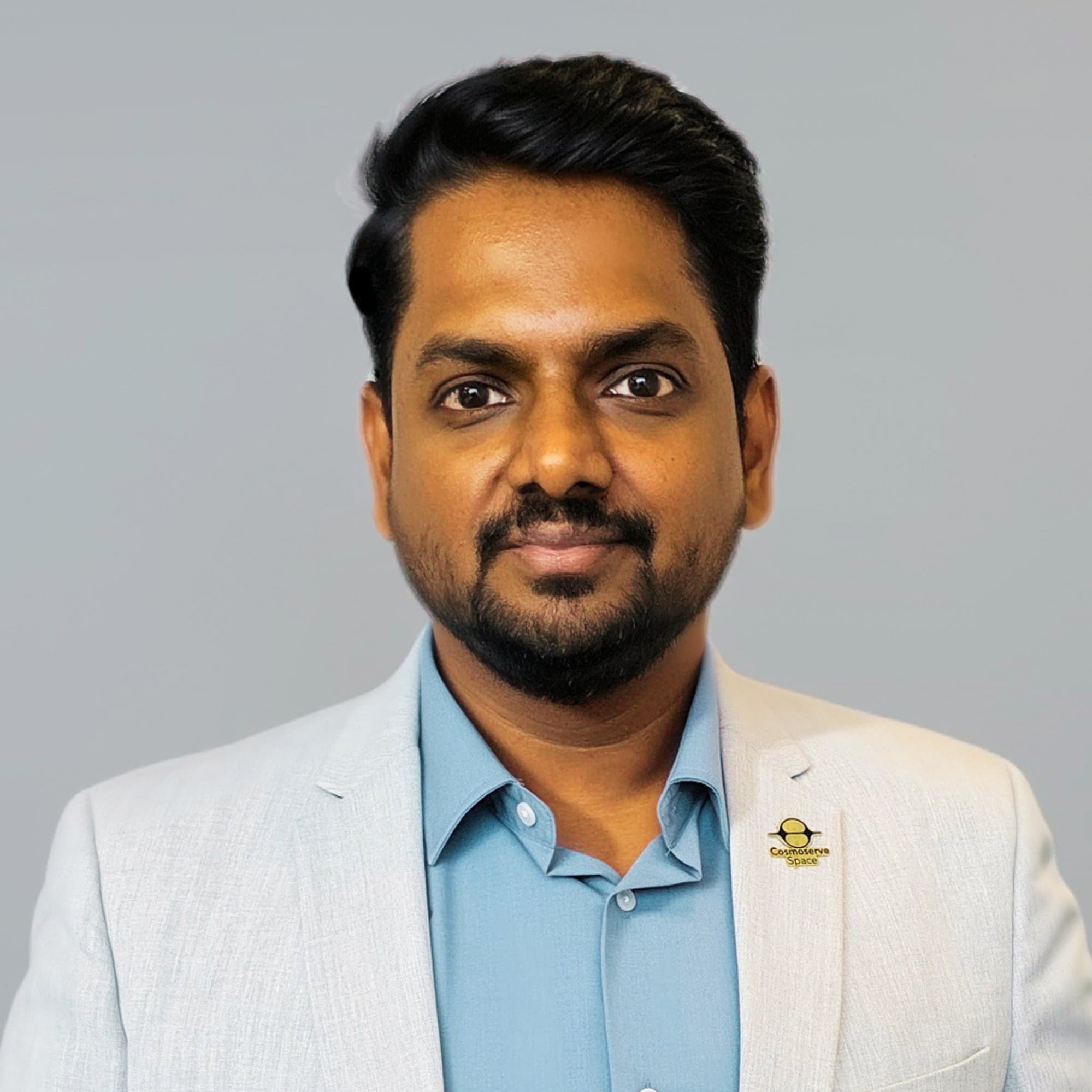
Founders & Innovators
Building the Next Space Economy: Chiranjeevi Phanindra and Cosmoserve's Case for Orbital Maintenance
Chiranjeevi Phanindra, Founder & CEO of Cosmoserve Space, spent 14 years at ISRO working on re-entry and human spaceflight. Today, he is focused on a vital challenge: keeping Earth’s orbit usable.
Read Full Story
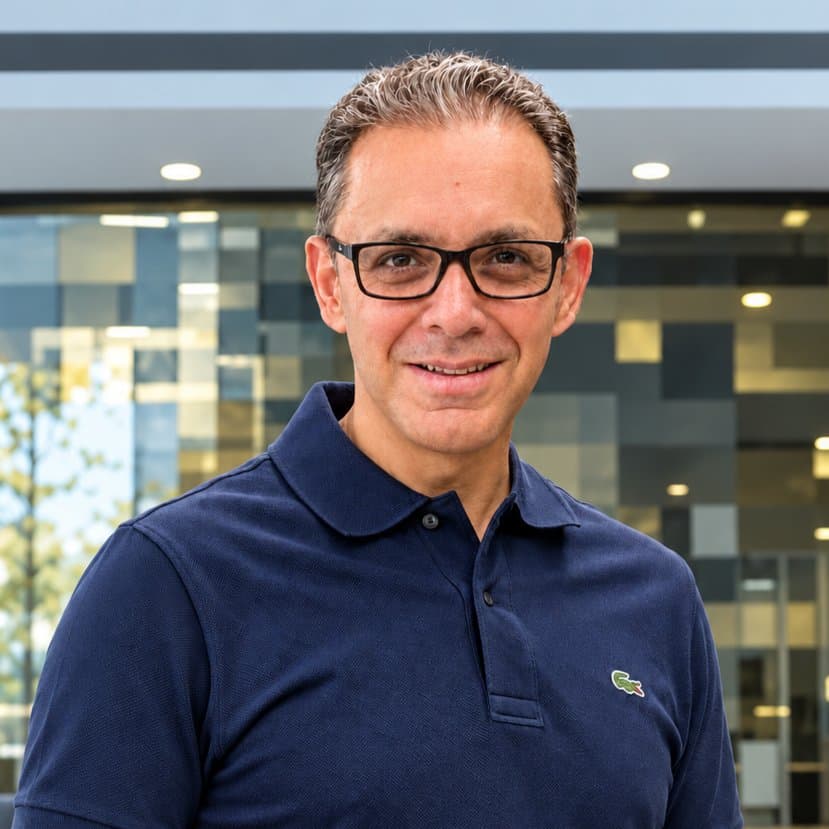
Corporate Visionaries
Shashank Sahni on What Success Leaves Out
Shashank Sahni, Google’s Managing Director of Global Ads Solutions, reflects on what customers reveal, what ambitious teams need from their leaders & what the mountains and marathons have taught him about going further.
Read Full Story
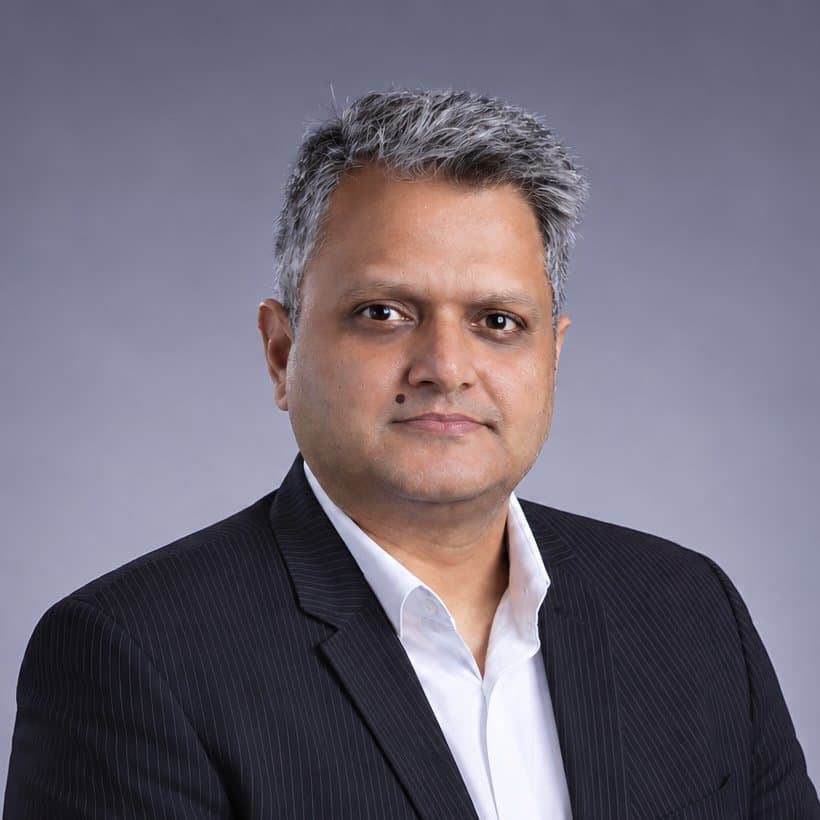
Corporate Visionaries
Clinical Multiplication: Divesh Singla on the Healthcare AI Case That Headlines Keep Missing
Divesh Singla, Managing Director, India at Veradigm, brings two decades in healthcare technology to the AI question leaders cannot avoid: how to expand clinical capacity without weakening human judgment.
Read Full Story