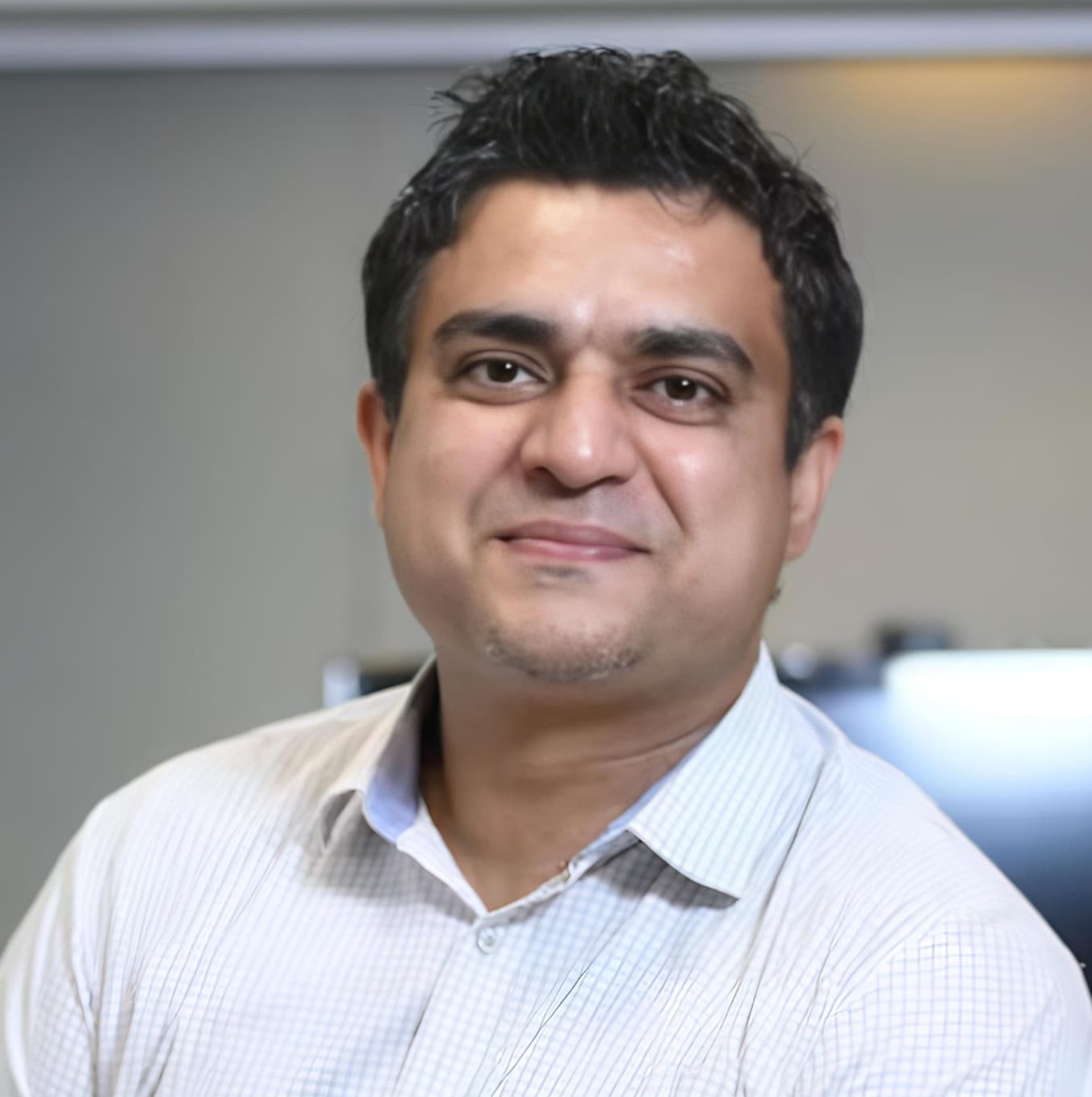
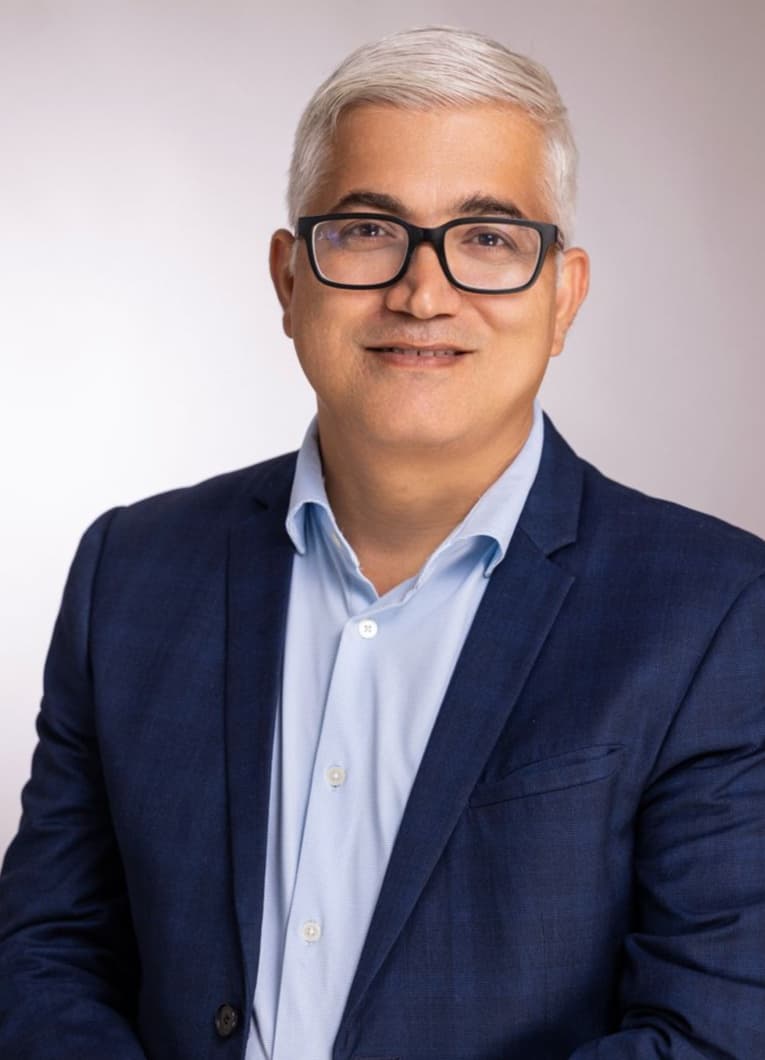
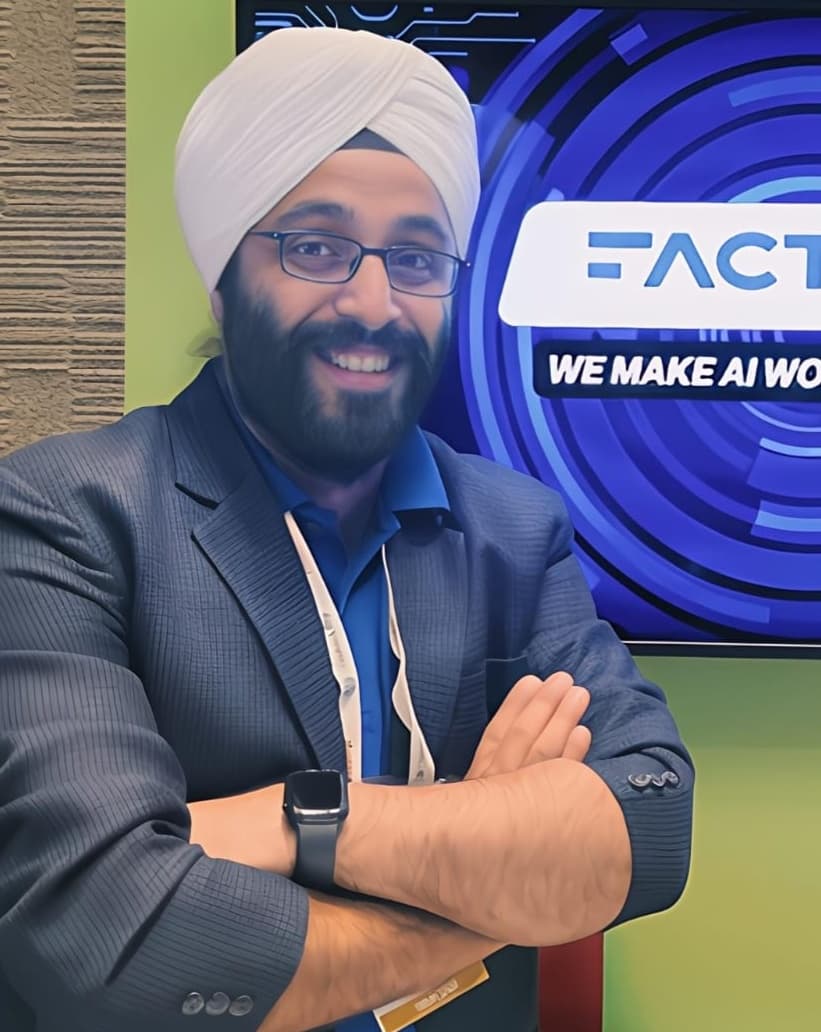
The Next Frontier of Thought: Dr. Dinesh Chandrasekar on Conscious Technology and the Ethics of Acceleration
A deep exploration of Dr. Dinesh Chandrasekar’s philosophy on responsible AI, trust-centered innovation, and the ethical evolution of leadership. The piece examines how technology, conscience, and human interpretive intelligence must work together to shape the future, with India emerging as a global testbed for ethical AI at scale.
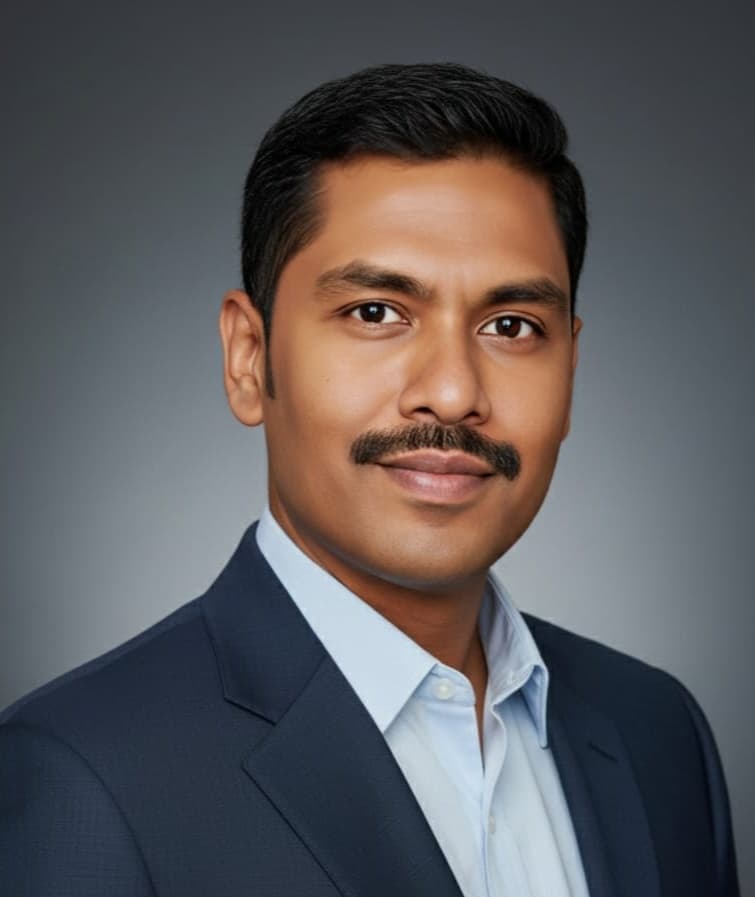
Every technological revolution begins as a story of capability and ends as a test of conscience. Artificial Intelligence has now crossed that threshold. It no longer merely automates; it interprets, predicts, and increasingly decides. The question confronting leaders today is not whether AI can think, but whether humans can still think clearly within systems shaped by it.
For Dr. Dinesh Chandrasekar, Chief Strategy Officer at Centific, this is the defining challenge of our age.
“We’re building systems that can think,” he says.
“The real question is whether we can think with them, not just through them.”
Across 27 years, Dr. Dinesh’s career has mirrored the evolution of enterprise itself, from the precision of Citigroup and GE to the complex creativity of Hitachi, and now to Centific, a company redefining AI through responsibility. He stands at the intersection of science and philosophy, someone who treats technology not as an instrument of efficiency but as an instrument of ethics.
“Technology is not neutral,” he says.
“It inherits the morality of its makers. That is why the next frontier of leadership is not engineering; it is enlightenment.”
Defining Tensions: Technology, Ethics, and the Discipline of Restraint
The corporate history of innovation is often narrated as acceleration. Dr. Dinesh reframes it as calibration.
“Acceleration without alignment creates distortion,” he says.
“It’s not enough to move fast; you have to move wisely.”
At Centific, this idea shaped what he calls the responsibility scaffold, a structural layer that tests every algorithm for bias, drift, and consequence before it scales. It’s not a compliance checkbox; it’s part of design logic.
“Governance is not bureaucracy,” he explains.
“It’s architecture. Without it, intelligence collapses under its own velocity.”
He often cautions against mistaking motion for progress.
“Speed is seductive,” he says, “but speed without awareness leads to fragility.”
“In a data-saturated world, wisdom begins with pause.”
This isn’t a philosophical abstraction. It’s a measurable economic truth. Dr. Dinesh calls trust “the new capital asset.”
“Markets are beginning to price morality,” he says.
“Reputation is liquidity. Lose it once, and you lose compounding credibility.”
A global retail client once faced backlash after an AI personalization model unintentionally excluded minority audiences. Centific rebuilt the architecture with fairness checks and human validation loops. Model precision rose by 18%, trust metrics by 47%.
“That experience reminded me,” he says, “trust isn’t soft value. It’s the hardest currency of all.”
The Future of Work and Responsible Intelligence
If the industrial age optimized physical labor and the digital age optimized informational labor, Dr. Dinesh believes the intelligent age must optimize interpretive labor.
“Machines will handle repetition,” he says.
“Humans must now master relevance.”
He predicts productivity will shift from output per hour to output per insight.
At Centific, responsible acceleration pairs velocity with vigilance using a human conscience loop.
“You can automate decision-making,” he says.
“You cannot automate discernment.”
He sees India as the ethical proving ground for AI.
“If an algorithm can be ethical in India… it can be ethical anywhere.”
“Our complexity is our competitive advantage.”
Education must evolve:
“We don’t need coders,” he says.
“We need conscious builders.”
The Economics of Trust and the Architecture of Advantage
Dr. Dinesh argues the next economy will reward compound integrity.
“Data built the digital economy,” he says.
“Trust will build the intelligent one.”
Centific’s model ensures ethical compounding—each transparent act increases stakeholder trust.
“Integrity is the only currency that appreciates with use,” he says.
He predicts valuation metrics will soon include explainability, fairness, and accountability.
“Responsible AI will transform ethics from philosophy to performance.”
Ethics must be profitable:
“Ethics without economics fails,” he says.
“You have to make responsibility profitable.”
Governance, he notes, stabilizes acceleration.
Cognitive Leadership and Organizational Renewal
The biggest shift in leadership is cognitive.
“The modern enterprise must think like an adaptive brain,” he says.
“It must learn, forget, and relearn continuously.”
Centific uses compound learning loops:
“Knowledge is perishable,” he says.
“Awareness is renewable.”
From his journalism roots:
“A journalist doesn’t just report facts,” he says.
“He connects them into meaning.”
He calls this interpretive intelligence.
“You can teach code. You can’t teach perspective.”
Unlearning is the hardest skill:
“Stay curious. Stay teachable. Stay unfinished.”
India and the Ethics of Scale
For Dr. Dinesh, India’s strength is philosophical.
“We’ve always lived with contradiction,” he says.
“That’s why we understand complexity.”
India can be the world’s ethical sandbox.
Centific’s multilingual AI programs ensure fairness through native linguists.
“Homogeneity breeds bias,” he says.
“Diversity ensures accuracy.”
“A good model doesn’t just work everywhere,” he says.
“It behaves responsibly everywhere.”
Global Vision: Civilization, Cooperation, and the Ethics of Progress
Dr. Dinesh describes AI as shared cognition.
“We must decide what values we want it to inherit.”
He imagines a constitution for consciousness.
Responsibility must be decentralized:
businesses operationalize ethics
governments regulate
educators sustain
“We already have global supply chains for materials,” he says.
“Now we need supply chains for values.”
Ethics will become infrastructure.
“The next infrastructure race… will be for trust.”
Technology will fail—but must fail ethically.
“When it fails ethically, it teaches. When it fails deceptively, it destroys.”
Civilization’s progress will be measured by dignity preserved.
Leadership Lessons
Build organizations as learning systems.
Design for responsibility, not just velocity.
Measure productivity in insight.
Use both microscope and telescope.
Normalize failure as feedback.
Scale culture before infrastructure.
Anchor technology in ethics.
Redefine success as systemic wisdom.
Move from competition to cooperation.
Stay teachable.
Value human energy as capital.
Live your philosophy before scaling it.
Engineer empathy into systems.
Institutionalize curiosity.
Closing Reflection: The Architecture of Legacy
For Dr. Dinesh, leadership is coherence.
“You can buy data,” he says. “You can’t buy discernment.”
Reinvention is a philosophy.
“Success is not building the biggest company,” he says.
“It’s leaving behind a wiser system.”
His constants: humility, empathy, ethics.
“Technology solves problems,” he says.
“Wisdom solves patterns.”
“When machines learn to think, humans must learn to feel more deeply.”
Intelligence may scale—but wisdom remains human.