Category: Founders & Innovators
Dr. Raghavendra Hunasgi, a unicorn founder, believes enduring companies are built on conviction, resilience, and long-term vision, not hype.
The Conviction Architect: Why Raghav Builds for Legacy, Not Just Unicorns
IndiSight Editorial
Jul 24, 2025
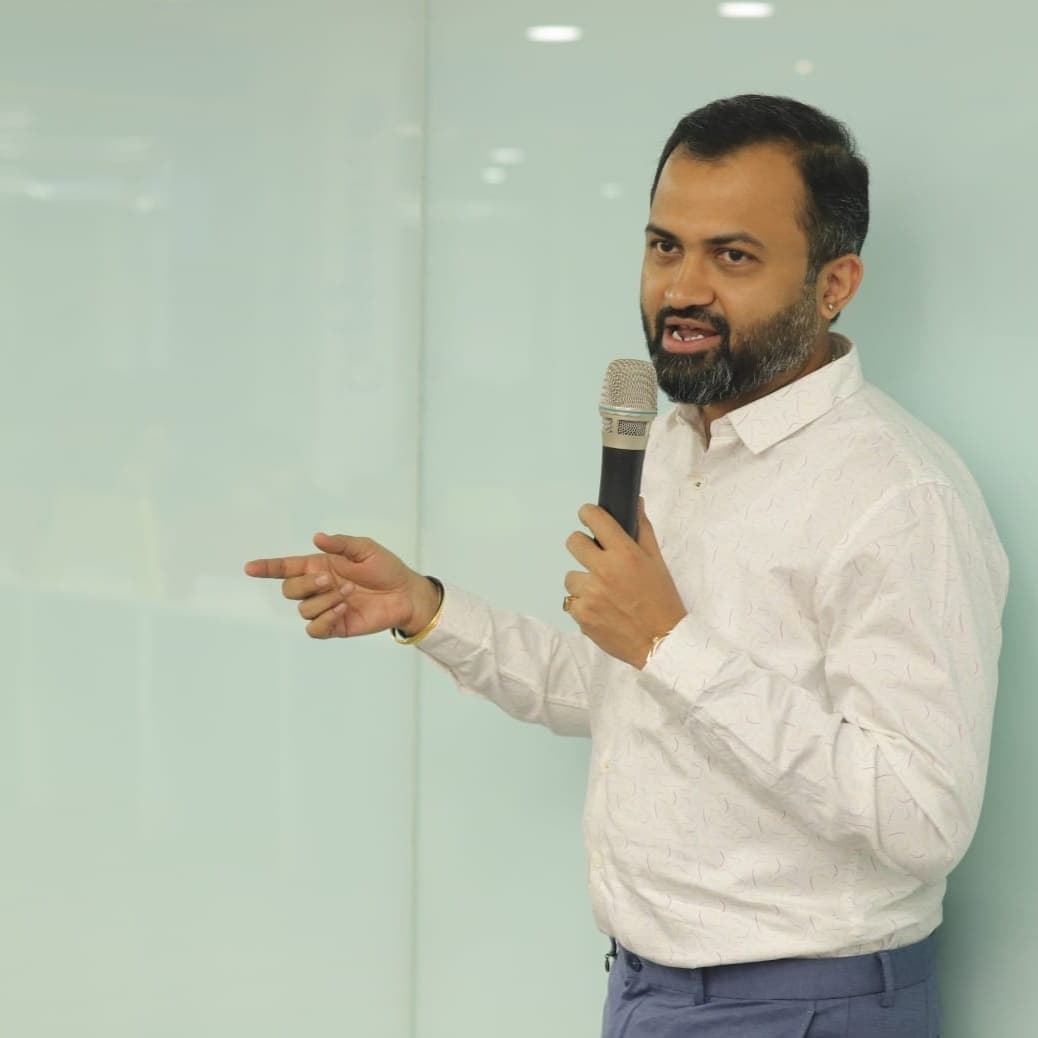
Dr. Raghavendra Hunsagi
4X Entrepreneur
Hyderabad
Some founders build to raise. Others build to exit.
A rare few, like Raghav, build to endure.
Across three ventures and four industries, including a unicorn that reached nearly $4 billion in valuation, Raghav’s story isn’t just one of startup success. It’s a blueprint for how conviction, clarity, and character can outlast capital, trends, and even public memory.
He doesn’t speak the language of viral growth. He speaks the language of responsibility.
He doesn’t chase visibility, but leaves behind outcomes that speak for themselves.
What follows is not a highlight reel. It’s a deeply lived philosophy, a set of earned truths forged in silence, challenge, and difficult decisions. A playbook for entrepreneurs, investors, and operators who still believe that the goal is not to exit quickly, but to build something that still makes sense a decade from now.
Conviction Comes Before Proof or There Will Be No Proof
When Raghav left a high-growth leadership role at Google to launch H&B Consulting, a real-time sentiment analytics platform, there was no safety net, no backers, and no cheering crowd. Nine out of ten mentors told him not to do it. But conviction isn’t democratic, and Raghav’s was unshakable.
The product took nine months to build. What followed was even harder: seven months of silence, rejection, and market disinterest. Four hundred conversations. Zero customers. And then, one last act of belief, pledging family gold to finance a final trip that could turn the tide.
That trip changed everything. A chance encounter reframed the product from brand intelligence to political strategy. What began as an analytics tool quickly became a core engine for real-time electoral sentiment, powering campaigns across continents.
“Conviction is not an outcome of confidence. It’s a refusal to abandon clarity when no one else sees it yet.”
He doesn’t call it luck. He calls it grace. The kind that visits you only after you’ve run out of alternatives, but never out of belief.
Launch It Raw. Perfect It Later.
One of the most consistent traps for young founders, Raghav warns, is mistaking polish for preparedness.
They over-engineer. Over-refine. They sit on MVPs for months, tweaking UI and debating roadmap decisions while the market shifts under their feet. In their pursuit of perfection, they miss the only thing that matters: timing.
“Your product should answer two questions: Does it do what it says it will? And can a user get through it without pain? If yes, ship it. Everything else is ego wearing a product hat.”
Iterate later. Learn in the wild. Nothing built in a vacuum survives in the real world.
Power Doesn’t Corrupt. It Seduces Quietly.
There’s a moment in every founder’s journey when the dynamic flips.
Early on, you chase validation. Later, people chase you.
Suddenly, praise replaces feedback. Gifting becomes common. Conversations turn from honest to strategic. In those moments, your integrity is tested, not through attack, but through applause.
Raghav recalls moments where subtle influence, in the form of charm, gifts, and ego-padding, crept into high-stakes decisions. He declined quietly. Not because it was dramatic, but because it was necessary.
“Anyone trying to buy your favor through flattery or favors is signaling that their product can’t speak for itself.”
To hold power well is not to yield it often.
It’s to stand still when everyone else is trying to pull you off-center.
In Crisis, Protect the Right People in the Right Order
When a crisis hits, most founders rush to protect profit. That’s a mistake.
Raghav’s hierarchy is sharp:
Investors : they believed before anyone else.
Customers : they fund your present, and determine your future.
Core team : they carry your conviction forward.
Revenue : an outcome, not an anchor.
“If you optimize for money during a storm, you’ll lose the people who gave you the boat in the first place.”
Trust is the only currency that compounds in down cycles.
Empathy Without Accountability is Evasion
In his first venture, Raghav kept underperforming employees on board for too long. He convinced himself it was kindness. In hindsight, he now calls it what it was: avoidance.
“By protecting the few, I punished the many. Those who were performing, pushing, and waiting on clarity.”
Today, the rule is firm: four weeks of no alignment means an honest conversation. Not cold, not cruel, but decisive.
Empathy doesn’t mean delay. It means clarity with dignity.
Culture Is Not a Value. It’s a Vigil.
At Raghav’s companies, culture isn’t words on a slide.
It’s behavior, especially when no one’s watching.
Employees are not just empowered but expected to question decisions that veer from the company’s mission. The rule is simple: “Do justice to the vision.”
“Culture isn’t who we hire. It’s who we allow to stay.”
He watches for things others ignore: how a person treats waitstaff, how they listen in meetings, how they speak when there’s no upside to speaking kindly.
That’s leadership, not in theory, but in tone.
The Next Great Founders Will Ask Better Questions
Speed is no longer a differentiator. Everyone is fast.
What’s rare is depth, and the courage to ask uncomfortable questions early:
What is this product silently harming?
Are we building what’s needed, or what’s trending?
Will we still stand by this decision ten years from now?
“Disruption is easy. Clarity is hard. And clarity is what scales.”
He believes the next iconic companies will be built not by those who ship faster, but by those who listen longer, frame better, and think wider.
The Regret That Quietly Lingers
When asked if there’s anything he would change about his journey, Raghav pauses, not for effect, but because some answers are not quick.
Then he says something that feels as much like a confession as a warning:
“I only regret that I started too late.”
Not because he needed more time to succeed. But because he realizes now that clarity doesn’t require permission. It only requires readiness. And many people, like him, wait years for a validation that will never arrive, delaying action because the world hasn’t yet clapped.
His regret isn’t about age or opportunity. It’s about the cost of waiting to be chosen, when what’s needed is to choose yourself.
This reflection isn't framed as motivational fluff. It’s a precise incision into the mindset of professionals who know they have more to build, but hesitate because they feel they’ve missed the inflection point.
“Start before you’re ready,” he says, “because no one will tell you when it’s your turn.”
Legacy Is a Method, Not a Milestone
Raghav isn’t building for headlines anymore. He’s building for alignment.
He’s now backing founders who listen more than they talk.
Who lose deals rather than lose themselves.
Who disappear after the applause and keep building anyway.
“Legacy isn’t your last valuation. It’s what people whisper about how you led, when no one’s performing for the stage.”
Final Takeaways
For Aspiring Entrepreneurs:
Move before the world validates you, or it never will.
Launch early. Learn quickly. Perfection is procrastination in disguise.
Your ethics are part of your product. Don’t ship one and break the other.
For Early-Stage Investors:
Back conviction, not charisma.
In pitch meetings, look for clarity of thought, not presentation gloss.
The founders who endure will be the ones who resist the spotlight.
For Operators & Leaders:
Culture isn’t built in policies. It’s built through decisions.
Fire kindly. Lead visibly. Protect alignment before reputation.
Legacy is not optional. It’s being built, with or without your awareness.
Our Suggestions to Read
Discover The Leaders Shaping India's Business Landscape.
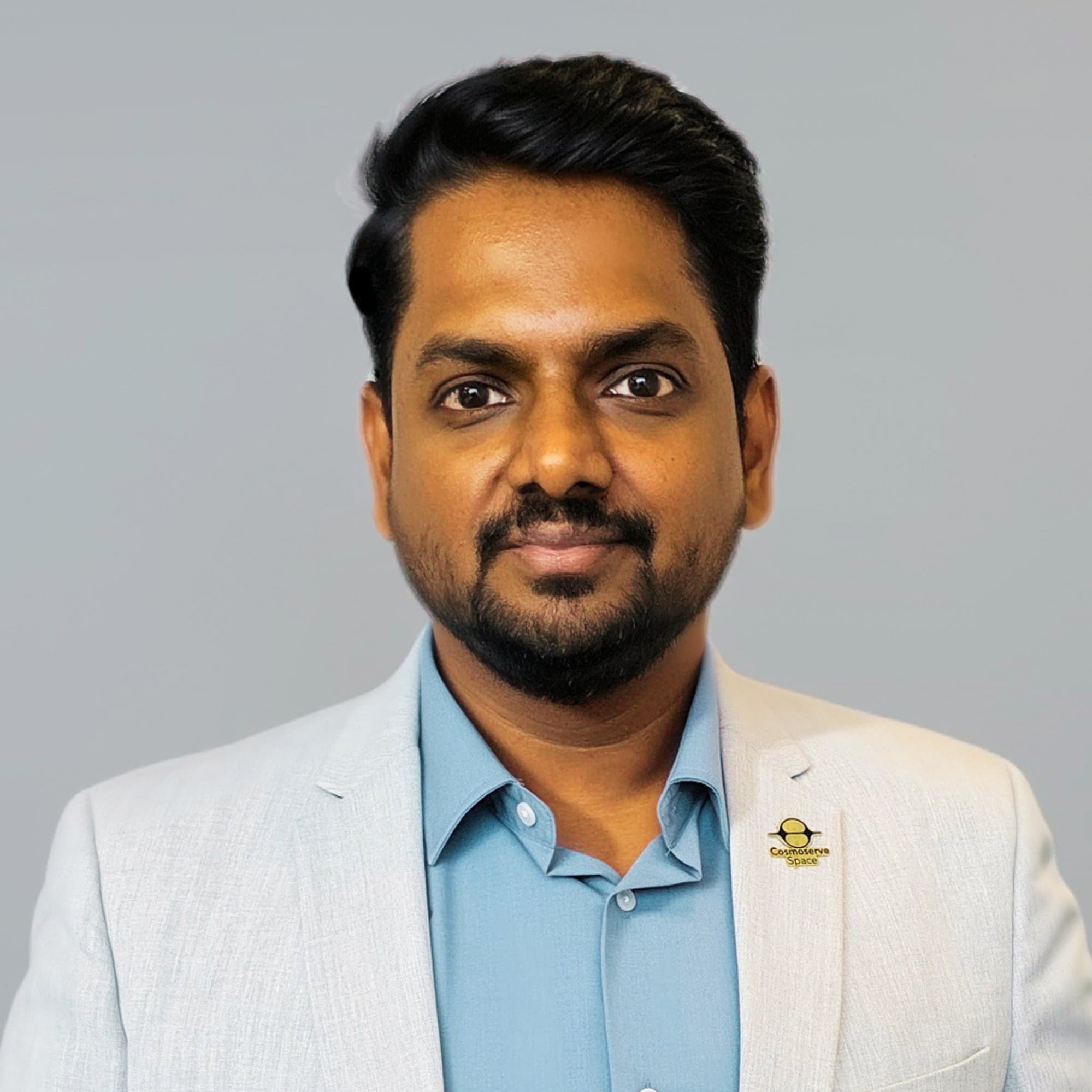
Founders & Innovators
Building the Next Space Economy: Chiranjeevi Phanindra and Cosmoserve's Case for Orbital Maintenance
Chiranjeevi Phanindra, Founder & CEO of Cosmoserve Space, spent 14 years at ISRO working on re-entry and human spaceflight. Today, he is focused on a vital challenge: keeping Earth’s orbit usable.
Read Full Story
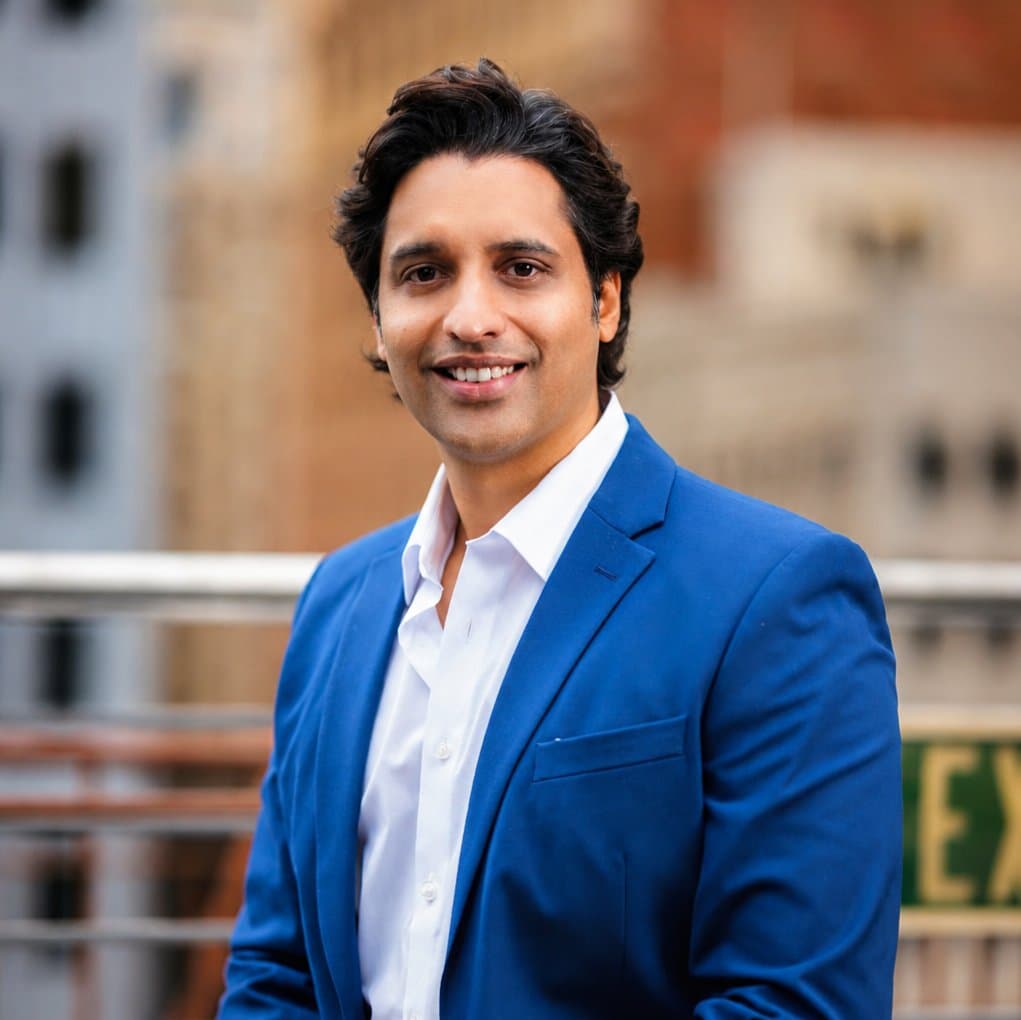
Investors & Catalysts
The Physical Economy Was Never Slow: A Conversation with Nikhil Choudhary
Nikhil Choudhary, Managing Partner at Nirman Ventures, on the harder ground of technology, where physical AI, venture discipline and industrial adoption have to meet the realities of machines, workers, capital and trust.
Read Full Story
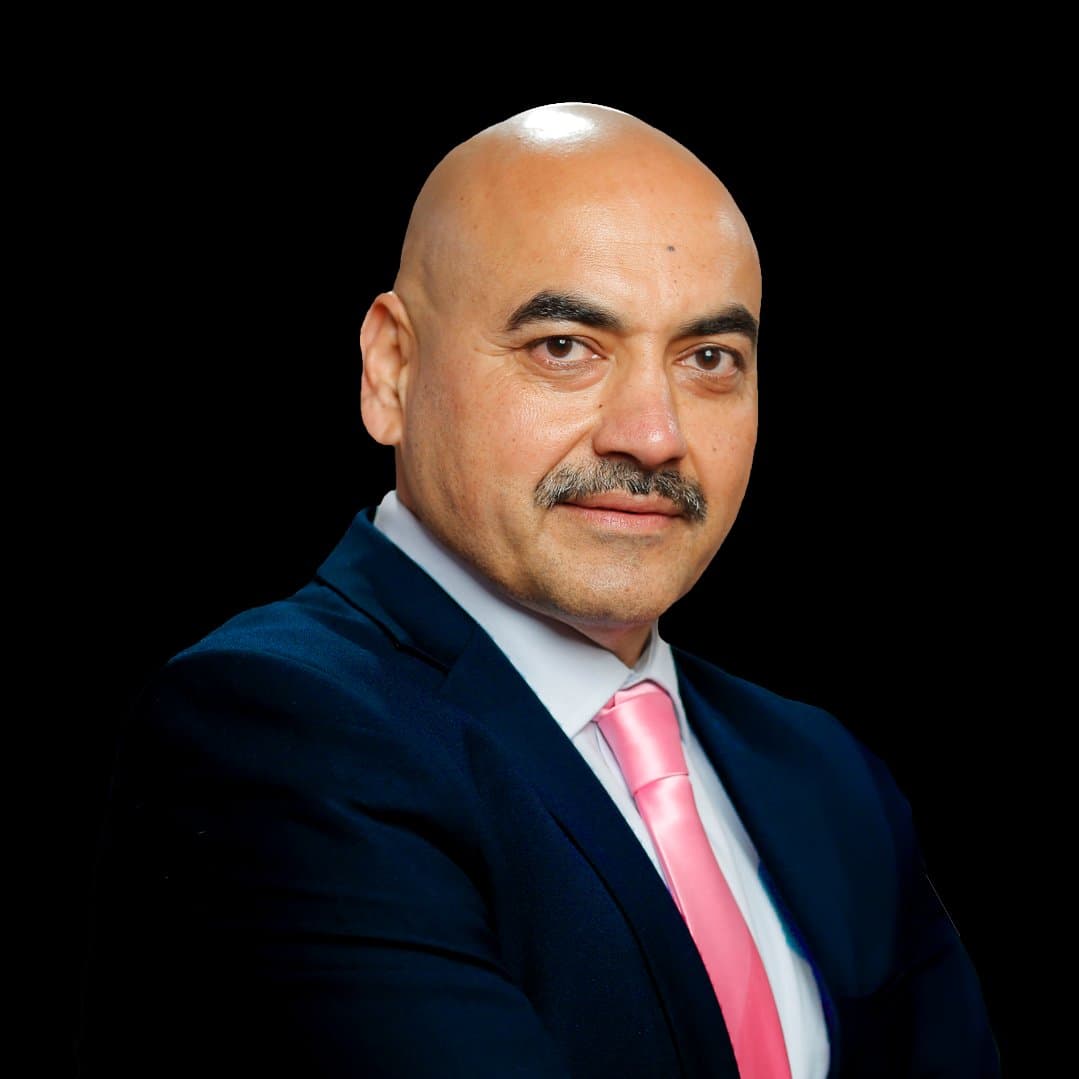
Founders & Innovators
Sanjay Laul on Building Global Education's Next Chapter
Sanjay Laul, Founder of MSM Unify, a global education and talent-mobility platform, has spent 25+ years helping institutions expand internationally and learners access cross-border opportunities.
Read Full Story