Category: Founders & Innovators
Mani Vajipeyajula, Founder & CEO of Banyan Nation, argues that solving India's waste challenge requires disciplined systems, scientific thinking, and respect for the people who power the recycling ecosystem.
Reimagining Waste, Reclaiming Leadership, Redefining the Future: The Vision of Mani Vajipeyajula
IndiSight Editorial
Jul 5, 2025
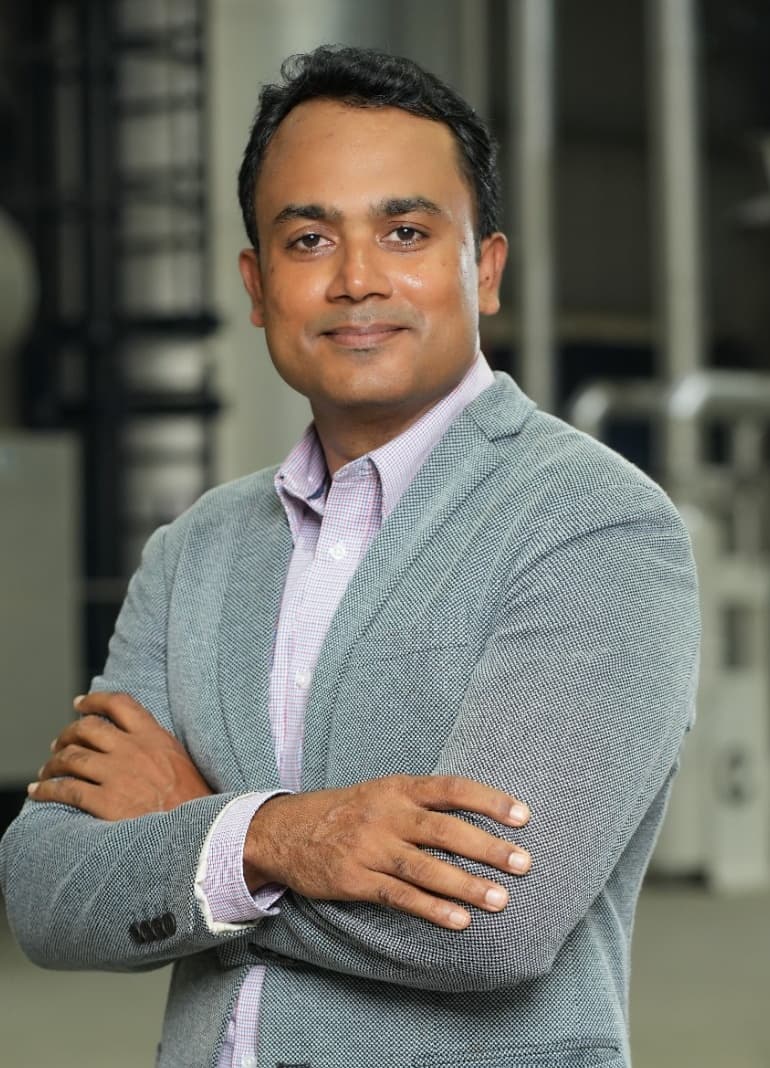
Mani Vajipeyajula
Most people see a landfill and walk past it. Mani Vajipeyajula looked closer. He saw patterns, stories, economics, and systems waiting to be rebuilt. Not because someone told him to, not because it was profitable, but because it was necessary.
Today, as the Co-Founder and CEO of Banyan Nation, Mani is quietly yet powerfully shaping the future of sustainability in India, not through noise or visibility, but through process, precision, and a deep sense of purpose. His journey from a dual MBA at Columbia Business School and UC Berkeley’s Haas School of Business to the core of India’s circular economy is neither accidental nor romanticized. It is the product of conviction, meeting capability, and of global insight finding local grounding.
A Systems Engineer of Society
Mani did not enter the waste management sector as an outsider looking to disrupt. He entered with the discipline of someone trained to observe systems, understand interdependencies, and build resilient solutions. With degrees from the University of Delaware and the National Institute of Technology, Warangal, Mani had already built a solid foundation in electrical and computer engineering. But it was his decision to pursue a dual MBA from two of the world’s most renowned institutions, Columbia and Berkeley Haas, that deepened his global view on business and societal transformation.
While his peers chose conventional leadership paths, Mani chose complexity. After a successful stint at Qualcomm, he stepped away from comfort and into the chaos of India’s urban waste landscape, a sector few understood, and even fewer were willing to invest in. He didn’t enter with arrogance. He entered with awareness. His goal was not to fix a broken model but to reimagine one from the ground up.
Calm in the Middle of Chaos
When things break, most leaders react. Mani reflects. He turns first to data, not as cold abstraction but as clarity. His instinct is not to panic but to understand. When operations halt or systems fail, he gathers inputs, quiets the noise, and identifies patterns. His calm does not come from control. It comes from the habit of seeing reality as it is, not as it appears.
He often says that problems should be faced, not feared. That perspective allows him to treat each challenge as a design opportunity. His composure isn't passive. It's his instrument. This objectivity, shaped by both management training and spiritual depth, enables him to lead with reason, not reaction.
He does not seek applause. When his teams win, he lets them enjoy the spotlight. But when difficulties arise, Mani steps forward. He believes leadership is not a privilege to be celebrated, but a responsibility to be carried, especially when the stakes are high. What he values most in people is not their praise, but their willingness to bring forward problems that need solving.
Deeply grounded and refreshingly authentic, he values the power of partnerships and the joy of building something meaningful together. While there's a quiet pride in what Banyan Nation has achieved, he goes out of his way to ensure it's understood that the success is not his alone. He consistently credits his longtime friend and co-founder, Rajkiran Madangopal, and the senior leadership team, with whom he maintains a strong sense of trust and cordiality, for their collective effort in shaping the organisation’s journey.
India’s Quiet Sustainability Advantage
In global narratives, India is often painted as chaotic or dirty. But Mani challenges those assumptions with numbers. While the United States recycles around 9 percent of its plastic and the UK slightly more, India, largely through its informal sector, recycles over 60 percent of its plastic waste. These are not aspirational targets. These are hard facts. And Mani believes they deserve attention.
What others overlook as inefficiency, he sees as underleveraged intelligence. His model at Banyan Nation does not aim to Westernize India’s recycling. It builds upon the country’s inherent circularity, formalizes its informal efficiencies, and enhances them with science and data.
He frequently draws from traditional Indian practices of sustainability, where nothing was wasted and everything had a second life. In this way, his vision is not imported. It is indigenous, deeply Indian at heart and globally relevant in scope.
Leading with Clarity, Not Ego
Mani’s leadership is philosophical without being vague. An atheist in his youth to a staunch follower of the Bhagavad Gita in the present, his journey to spirituality armed him with the cognizance to operate from a place of detachment and clarity. Outcomes, for him, are not to be obsessed over. Processes are. When something doesn’t work, he doesn’t take it personally. He learns. He recalibrates.
“Each failure,” he says, “is not a defeat. It is a feedback mechanism. A lesson pointing toward a better approach.” This mindset allows him to innovate where others hesitate, to persist where others retreat.
When new sustainability policies were announced by the Indian government, such as Extended Producer Responsibility (EPR) mandates, Mani was already there. His systems were policy-ready before the policy arrived. To him, regulations are not roadblocks. They are reflections of where good systems are heading anyway.
A Voice for the Invisible
On TED Talk India: Nayi Baat, hosted by Shah Rukh Khan, Mani shared a quiet truth: India’s plastic recycling isn’t powered by big systems, it’s held up by 1.5 million invisible workers. Waste pickers, kabadiwalas, small recyclers, people with no safety net, yet unmatched impact. Mani didn’t speak of replacing them. He spoke of recognizing them. At Banyan Nation, he’s building a system that doesn’t erase their effort, but elevates it, adding dignity, data, and design to what has long gone unseen.
What Leaders Can Learn
For Aspiring Leaders
Ask sharp questions before rushing to give sharp answers.
Do more, not because someone asked you to, but because you believe you can.
Be consistent with your effort. Respect your time, your word, and your commitments.
Seek mentors who show you how to think, not just what to do.
For Established Leaders
Create better systems instead of blaming individuals.
Stay present. Walk the floor. Celebrate without becoming distant.
Enable more than you enforce. Let people grow even when you're not watching.
Make culture a design principle, not a last-minute garnish.
In Closing
Mani Vajipeyajula’s story is not about fixing waste. It is about reclaiming value in materials, in systems, and in mindsets. His leadership blends technical precision with emotional steadiness, policy fluency with philosophical grounding. He is building not just a cleaner India, but a smarter and more dignified one.
In a time where leadership is often loud, Mani leads by listening. In a world rushing to disrupt, he chooses to design. In doing so, he gives us a different template for influence, one built on observation, quiet conviction, and the courage to stay when the problem is still messy.
This isn’t just about waste. This is about the future we choose to build, and who chooses to build it.
Our Suggestions to Read
Discover The Leaders Shaping India's Business Landscape.
Founders & Innovators
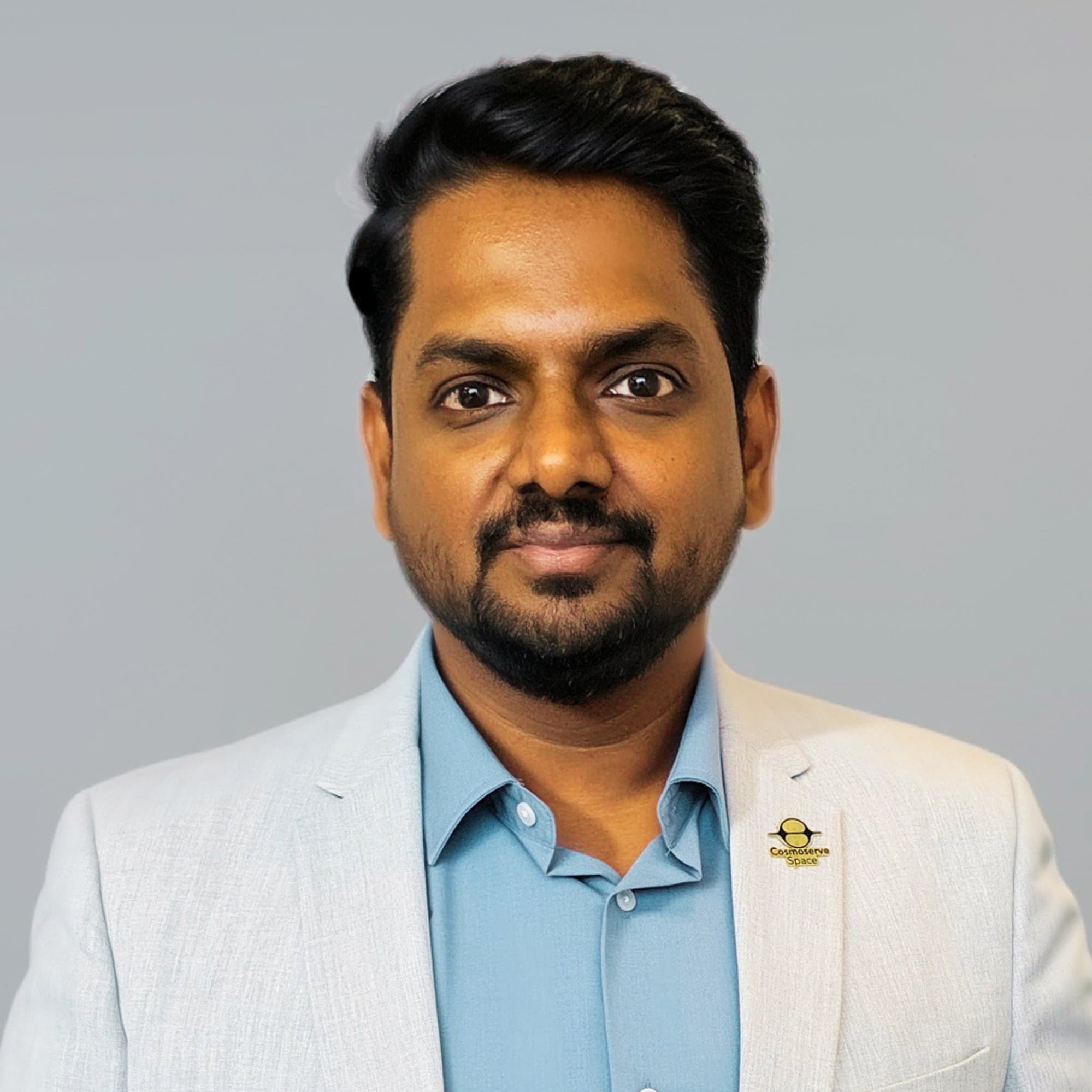
Building the Next Space Economy: Chiranjeevi Phanindra and Cosmoserve's Case for Orbital Maintenance
Chiranjeevi Phanindra, Founder & CEO of Cosmoserve Space, spent 14 years at ISRO working on re-entry and human spaceflight. Today, he is focused on a vital challenge: keeping Earth’s orbit usable.
Read Full Story
Investors & Catalysts
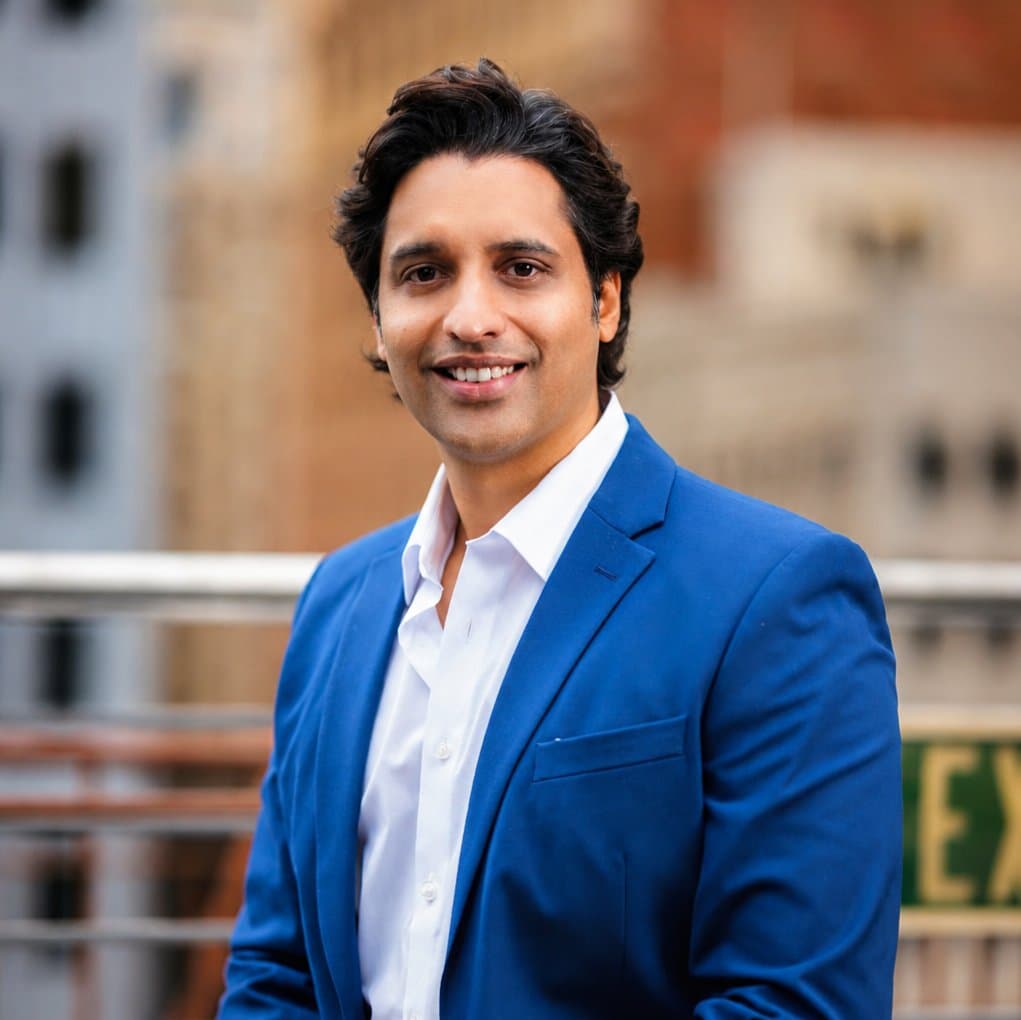
The Physical Economy Was Never Slow: A Conversation with Nikhil Choudhary
Nikhil Choudhary, Managing Partner at Nirman Ventures, on the harder ground of technology, where physical AI, venture discipline and industrial adoption have to meet the realities of machines, workers, capital and trust.
Read Full Story
Founders & Innovators
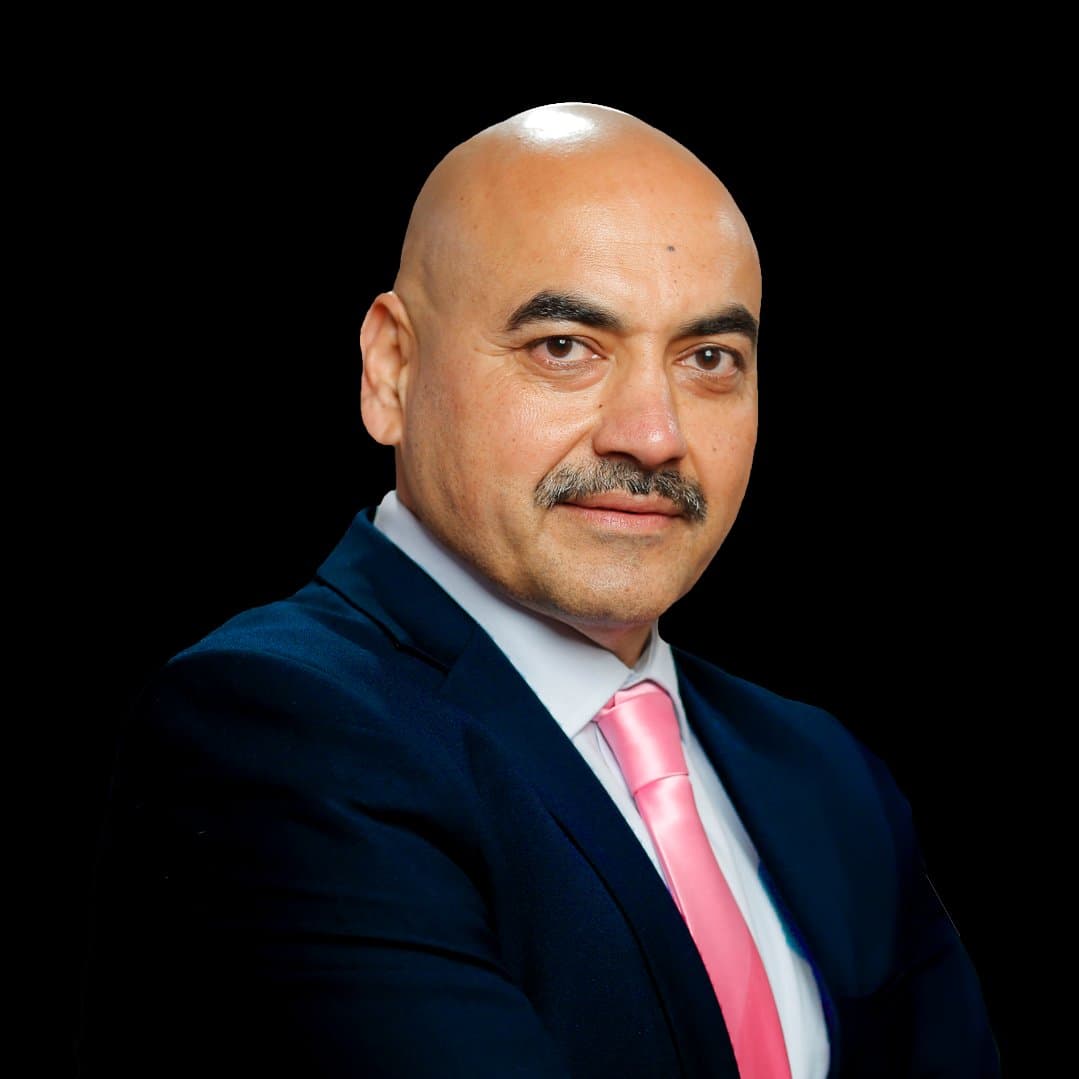
Sanjay Laul on Building Global Education's Next Chapter
Sanjay Laul, Founder of MSM Unify, a global education and talent-mobility platform, has spent 25+ years helping institutions expand internationally and learners access cross-border opportunities.
Read Full Story