Category: Founders & Innovators
Rahul Sharma, founder of Qurbat Clothing, embodies a global shift toward entrepreneurship grounded in endurance, ethics, and operational discipline. From corporate leadership to building a multi-crore retail enterprise without external capital, his journey proves that profitability thrives on patience, structure, and intent. His model of strategic restraint challenges the culture of hypergrowth, redefining success as sustainable impact built on systems, trust, and time.
Strategic Patience: Rahul Sharma’s Model for Sustainable Profitability
IndiSight Editorial
Dec 21, 2025
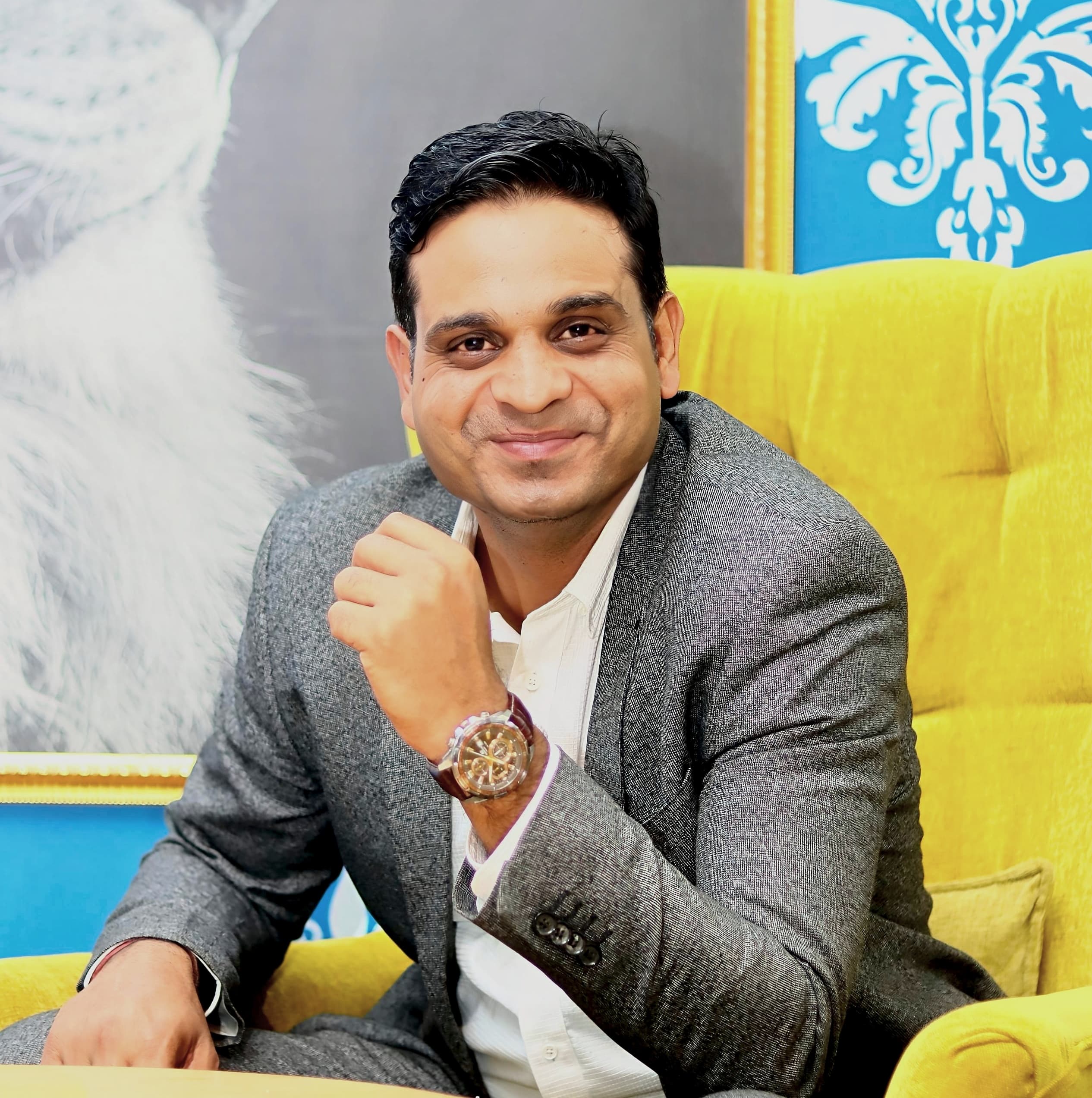
Rahul Sharma
Founder · Qurbat Clothing
Delhi
Context and Catalyst
Every entrepreneur remembers the day they stopped waiting for permission. For Rahul Sharma, that moment arrived inside a boardroom, not a brainstorm. He had climbed the HR ladder quickly, collecting corporate badges from Indigo, WNS Global, and Akash Institute. They stood as markers of stability and achievement. Yet ambition has a strange impatience.
He was managing culture, mediating targets, designing hiring systems, and realizing that control was always conditional. The CFO’s approval decided which ideas moved. The structure was built for balance, not velocity.
“When you have ambition, talent, and the hunger to execute but depend on ten other approvals, you stop growing at your natural pace,” he recalls. “I wanted to grow on my terms.”
That decision, part conviction and part rebellion, did not begin with a business plan. It began with freedom as responsibility. In 2020, while most were scaling down, Rahul launched Qurbat Clothing, a self-funded retail venture that would grow into a profitable chain of ten stores across Delhi NCR.
The story is not dramatic. It is disciplined, even procedural. A founder with no prior experience in apparel retail built a business that moved from a single rented store to a multi-crore enterprise in under five years, without external capital, noise, or shortcuts.
“Entrepreneurship is not freedom from accountability,” he says. “It is the privilege of creating your own kind of accountability.”
From HR to Founder: The Unlearning Curve
Rahul’s first lessons in business were not about markets but about himself. As an HR leader, he had mastered the art of keeping people happy. That instinct, so valuable in corporate systems, proved counterproductive in a founder’s world.
“When you are in HR, you are trained to make people comfortable. But in business, comfort is expensive,” he says. “In my early months, everyone was happy, everyone left at 6:30, but revenue was not coming in. I had built a family before building a company.”
It was a difficult unlearning. The HR leader who once believed culture came first discovered that culture without performance is indulgence. He had to learn sales, negotiation, and operational urgency. Over time, empathy found edges, and kindness found discipline.
“I realized that good culture is not about keeping people happy. It’s about keeping people responsible,” he explains. “Leadership is coaching, not parenting.”
That distinction defines his leadership today. It separates mentorship from dependency and explains why Qurbat’s attrition rate remains unusually low. People stay, but they stay alert.
First Proof, First Profit
The first year of Qurbat was a classroom in humility. Malls rejected him. Landlords asked for brand credentials he did not yet have. “It was that chicken-and-egg moment,” he says.“Malls wanted established brands, and I needed malls to become one.”
He began in smaller malls where footfall was uncertain but rent was affordable. His first store, a 1,400-square-foot unit in Gurugram, carried a rental of about ₹1.4 lakh. For someone from a small town in Haryana, where shops rent for a fraction of that, it was a leap of faith. Within months, the store was profitable.
“That was the first proof that the model had roots, not just wings.” he says.
The early years stripped away illusions that degrees or vision slides open doors. They built conviction in something subtler: the compounding effect of consistency. His later philosophy, often quoted on social media, “Your business will rarely be more consistent than you are”, was not crafted for virality. It was earned through rent deadlines.
Bootstrapped Governance
In a time when startups chase valuation, Rahul built Qurbat through profit discipline. No external funding. No reckless expansion. Every rupee spent had to justify itself.
He created a model where each department became accountable for its own ROI. “If procurement wanted new computers, they had to justify the return on those computers,” he explains. “I don’t approve expenses. I approve of logic.”
This framework became a cultural checkpoint. Growth was not measured by the number of new stores but by the efficiency of existing ones. Qurbat’s steady rise to a multi-crore valuation came from the compounding of operational sanity.
When asked what bootstrapping has protected, his answer is precise. “It has protected freedom.”
That freedom also has a cost. Without investors, there is no external push. Without pressure, there is the risk of drift. “If you don’t have someone questioning your decisions, you can get lazy,” he says. “Sometimes an investor is not just capital. It’s discipline.”
It is rare for founders to admit that, but it reveals why his story matters in an ecosystem that often confuses speed with success.
Depth Before Expansion
Over the last year, Qurbat has not opened a single new store. That pause was intentional. Rahul calls it “the year of depth.”
“Scaling without depth is like taking off from a cracked runway,” he says. “You might lift for a second, but you’ll crash soon after.”
Each store is being re-engineered for efficiency, better inventory cycles, stronger customer data, tighter procurement models. Once the foundation is stable, expansion will follow.
His model follows what he calls the “depth-to-speed ratio.” Instead of chasing vanity expansion, he measures readiness. “You scale only when your systems can carry weight,” he says. “Speed should be earned, not borrowed.”
This philosophy is visible across his content. With over 20 lakh followers, his reflections on business are simple yet layered. When he writes, “Discipline outlasts motivation,” it is not a quote. It is a principle.
The Founder as Framework
Rahul often describes himself as a “business architect.” His focus is not product design but organizational design: how departments interact, how accountability moves, how inefficiencies are addressed before they grow.
He views leadership as an energy circuit, not a hierarchy. “You are the CEO when you make decisions. You are the janitor when your systems fail.” he says.
Inside Qurbat, his invisible metrics go beyond numbers. He walks into the office unannounced and observes behavior. “If I see smiles when I enter, if I see collaboration instead of grudges, I know the company is healthy.” he says.
He pays attention to post-meeting energy. “When people leave a meeting, do they look inspired or exhausted? That tells me more about culture than any dashboard.”
For Rahul, culture is not policy. It is the emotional climate of a company, the tone of its corridors when no one is watching.
Decisions and Discipline
There is a story Rahul likes to tell about temptation. “When someone offers you 500 crores, the hardest thing is to say no,” he says. “But saying no is sometimes the only way to prepare for a better yes.”
He has said no thousands of times: no to franchises, no to premature investments, no to scaling before the company was ready. It has frustrated investors but preserved control.
“If I am not sure the person investing in my franchise will make money, I will not take their money,” he says. “You don’t scale when you are ready to grow. You scale when you are ready to sustain others’ trust.”
He teaches this in his webinars, where thousands of aspiring entrepreneurs learn to build clothing brands. “I am, in a way, building my own competitors,” he laughs, “and that keeps me sharp.”
Metrics That Matter
Every entrepreneur has a private definition of success. For Rahul, it is not revenue. It is retention.
“If I still see the same faces I saw three years ago, it means I have done something right.” he says. The accountant who became a senior manager. The trainee who now heads a store cluster. “If people grow inside your company, your company is growing.”
Beyond people, he monitors numbers that rarely make headlines: cash cycles, breakeven periods, the ratio of repeat to new customers.
“If I see repeat customers rising, I know marketing is working. If new customers fall, I know we are relying too much on goodwill.” he explains. His dashboard is part data and part instinct.
As for valuation, Qurbat now stands at a high-eight-figure mark. “I am not chasing valuation,” he says. “I am building something that one day deserves it.”
Media, Markets, and Multipliers
The intersection of retail, media, and personal brand is where Rahul’s model stands apart. His visibility, millions of followers, a podcast, and strong engagement, has become a growth engine money cannot buy.
People buy from people they trust. When investors or employees come to Qurbat, they already know me. They have seen my videos, heard my thoughts, watched my consistency. That visibility compounds into trust.
He does not treat social media as a marketing platform but as a public governance mechanism. “Every post is a promise,” he says. “if I talk about ethics online, I must live it offline.”
It is a quiet redefinition of how founder-led brands operate. Where others chase attention, Rahul treats attention as accountability.
The Continuum of Leadership
Strip away the revenue, followers, and stores, and what remains is a worldview built on self-governance. Rahul’s leadership is not aggressive or mystical. It is procedural excellence anchored in moral restraint.
He sees business as a reflection of human design: strong when the foundation is clear, fragile when built on borrowed conviction.
His measure of progress is the emotional temperature of his team. His concept of ambition is breaking goals into smaller, measurable targets. His idea of freedom is not the absence of control but authorship of it.
When people say they want to be their own boss, I tell them the truth that you will have more bosses than ever: your customers, your team, your family, your conscience. The only difference is that now you must listen to all of them.
Asked about legacy, his answer is immediate. “I want to be remembered for building a wonderful team. Culture is not the walls. It is the people who talk inside them.”
Leadership Lessons
Freedom in business is not an escape from control. It is choosing the kind of control you respect.
Culture without accountability is comfort disguised as care.
Discipline compounds faster than motivation.
Growth without depth is instability disguised as momentum.
Say no until your yes can sustain others.
Revenue is a lagging metric. Retention is a leading one.
Leadership is not parenting. It is coaching with empathy and firmness.
Every rupee must defend its purpose.
Valuation follows value creation, not the other way around.
Visibility is responsibility. The more you are seen, the more you must live your message.
Closing Reflection
Rahul Sharma represents a new generation of Indian founders: builders of endurance, not just enterprise. He belongs to a school that treats patience as a performance metric.
There is a gravity to the way he works, a quiet pull toward sustainability, sanity, and self-awareness. In a market obsessed with speed, his steadiness feels radical.
If the next decade of Indian retail belongs to those who balance ambition with systems, Rahul’s philosophy offers a blueprint. Not the fireworks of growth, but the quiet strength of continuity.
Our Suggestions to Read
Discover The Leaders Shaping India's Business Landscape.
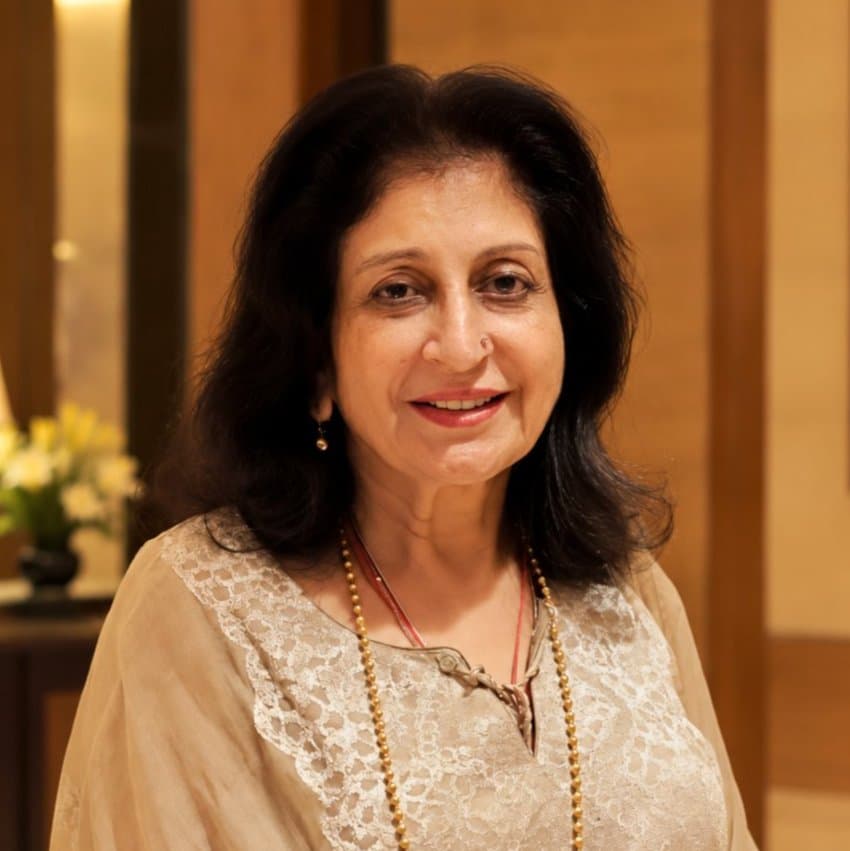
Education Leadership
The Human Advantage: Anu Monga on What Schools Must Still Create
Drawing on decades of leadership in international schools and education, Anu Monga reflects on what institutions must continue to create in a world where knowledge is increasingly accessible and shaped by technology.
Read Full Story
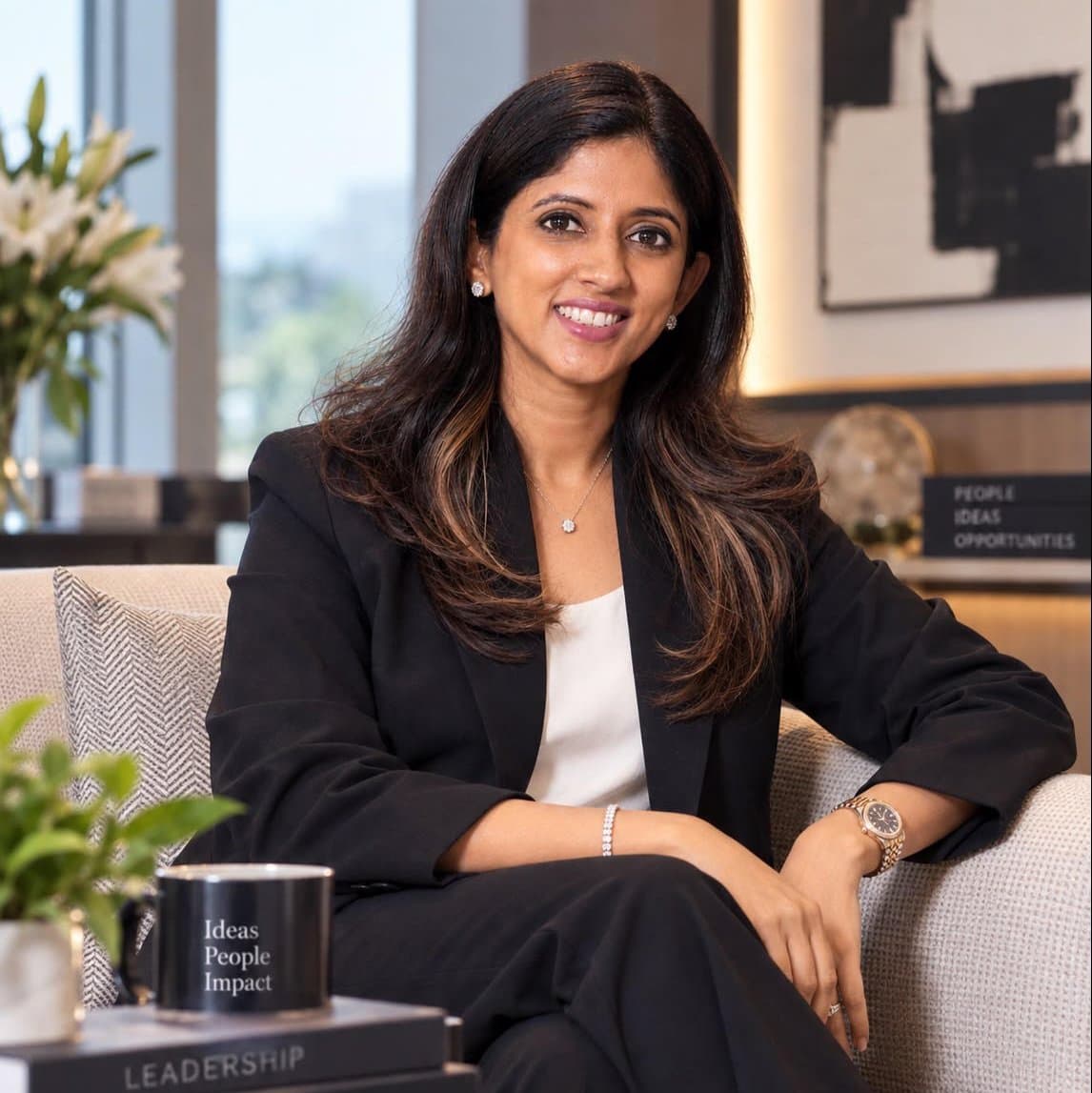
Investors & Catalysts
From Millet to Method: Rasika Prashant on Building What Consumers Return To
Rasika Prashant, CEO of NSRCEL at IIM Bangalore and Co-founder of Soulfull (later aquired by Tata Consumer Products) on consumer trust, category creation, Indian brands, and the founder discipline required after belief.
Read Full Story
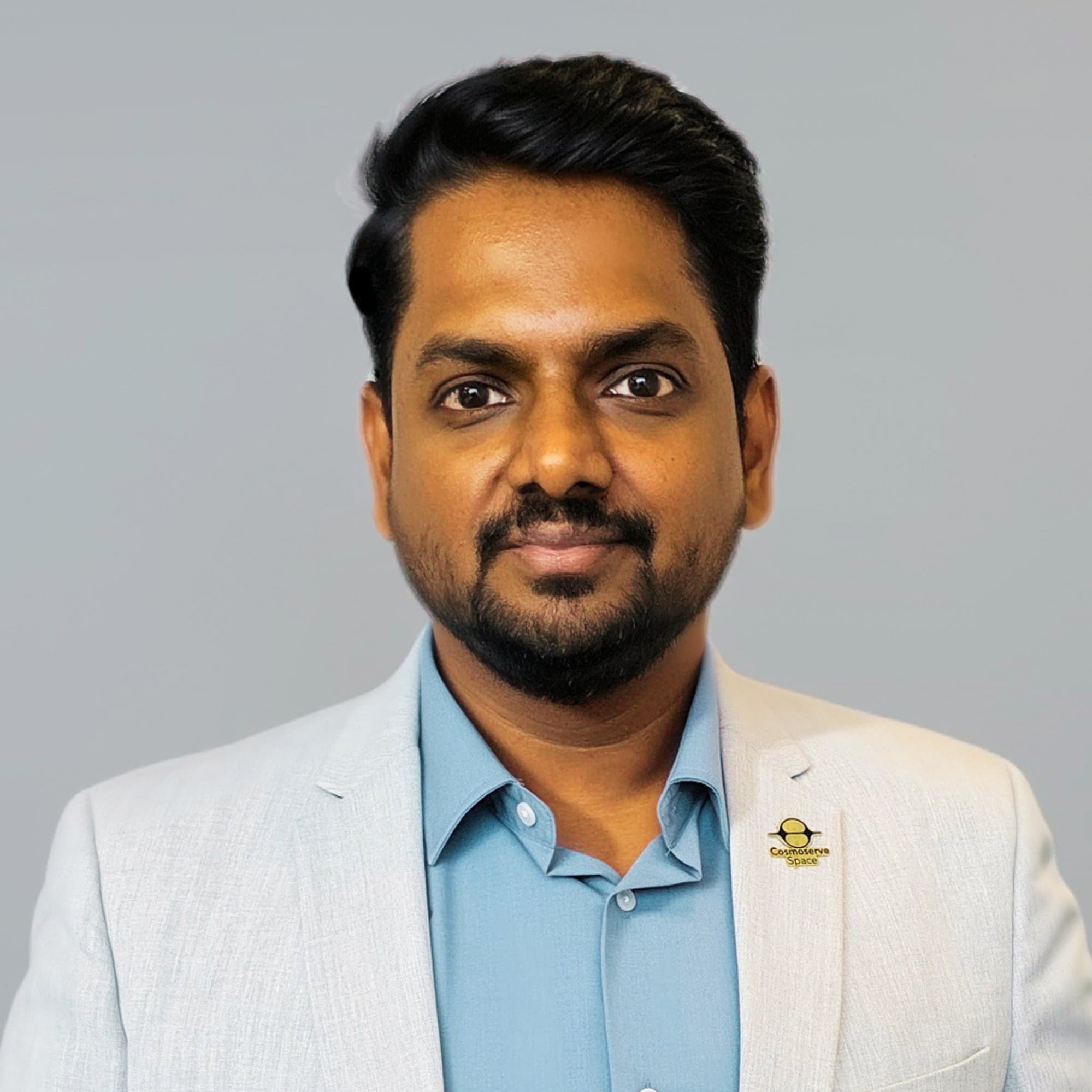
Founders & Innovators
Building the Next Space Economy: Chiranjeevi Phanindra and Cosmoserve's Case for Orbital Maintenance
Chiranjeevi Phanindra, Founder & CEO of Cosmoserve Space, spent 14 years at ISRO working on re-entry and human spaceflight. Today, he is focused on a vital challenge: keeping Earth’s orbit usable.
Read Full Story