Category: Founders & Innovators
Sachin Kapoor's leadership is built on reinvention. Across Yahoo, Samsung, LinkedIn, and Trumsy.AI, he's created cultures where judgment, ownership, and systems outlast the leader.
Beyond Titles, Beyond Heroes: Sachin Kapoor on Building Systems That Lead Themselves
IndiSight Editorial
Sep 4, 2025
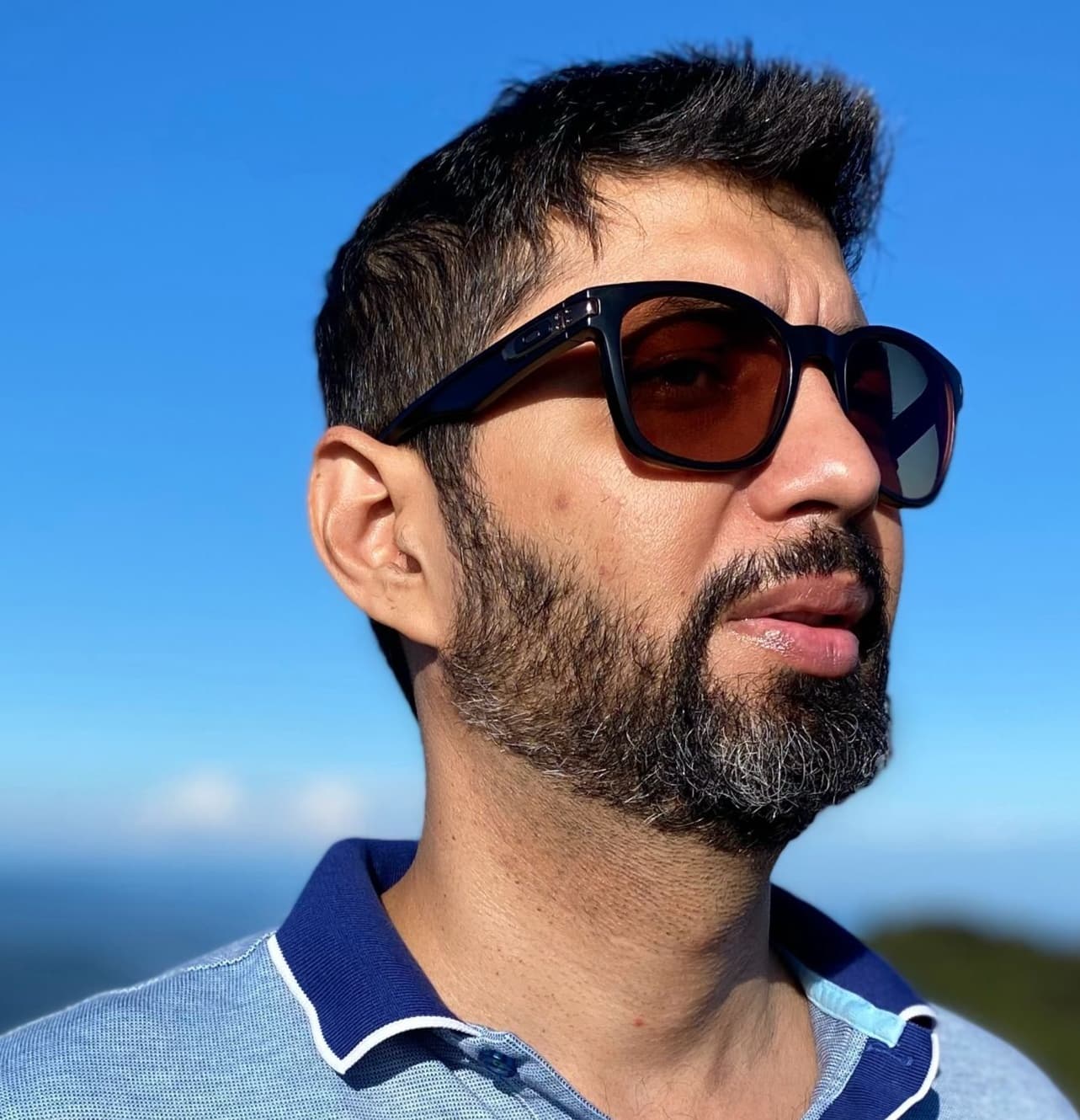
Sachin Kapoor
You don’t become a global leader by knowing everything. You become one by daring to shed what you know, the way a snake leaves behind its skin, to make space for what comes next.
For Sachin Kapoor, that act of unlearning has been the central discipline of his career. From Yahoo to Samsung to LinkedIn, and now as Co-founder of Trumsy.AI, his path isn’t just a timeline of roles and companies. It’s the journey of someone willing to dismantle the elegant “LEGO castles” of past success and start again, risking discomfort for relevance.
Today, as he builds a startup at the intersection of gamification and AI, Sachin is doing more than chasing product-market fit. He’s building systems that outlast individuals, teams that outgrow managers, and cultures that thrive without dependency. His philosophy is simple but radical: the systems are the leader. Titles may fade. But systems persevere.
The Education of a Systems Thinker
Most professionals study to specialize. Sachin studied to synthesize.
An engineer by training, with management and law added later, he laughs that each degree “switched on a different circuit in his brain.” But it wasn’t accumulation that shaped him. It was subtraction.
“Early on, I thought leadership was an engineering puzzle,” he recalls. “Make the workflows airtight, design the perfect org chart, solve for efficiency. But people aren’t equations. What I had to unlearn was the illusion of control.”
At Yahoo, he discovered that partnerships in emerging markets weren’t about copying global models. They demanded improvisation and adaptability. At Samsung, he learned that what looked like an elegant solution in one country could fall flat in another. And at LinkedIn, steering business development across APAC and China, he came to terms with a humbling truth: in fast-moving ecosystems, certainty is always fleeting.
“The real shift,” he reflects, “was understanding that my job wasn’t to be the smartest person in the room, it was to build the room where smart decisions could be made without me.”
It was a realization that quietly reshaped every chapter of his career that followed.
What Changed at LinkedIn
No fireworks. No Hollywood moment of reinvention. Just a gradual redefinition of impact.
“At LinkedIn, I noticed my success was no longer measured by my own outcomes, but by what my team could deliver without me.” That reframing changed how he spoke, delegated, and most importantly, what he let go of.
In Asia-Pacific, with no standard playbooks, every market was a blank canvas. He couldn’t control every brushstroke. Instead, he designed environments of discovery where teams learned faster than he could dictate.
Scaling wasn’t about replication. It was about creating space for judgment to compound.
Compassion Without Coddling
Leadership is a balancing act between care and control.
“I used to believe being supportive meant solving problems for my team,” Sachin admits. “But that kills initiative. Real mentorship is letting people hit the wall and then helping them reflect on how to get through it.”
That philosophy crystallized into what he calls productive distance. Stay close enough to guide, far enough to preserve ownership. Too close, and you suffocate. Too far, and you vanish.
He learned this painfully during high-pressure launches where his instinct to “fix” backfired. “The rush of being the hero is addictive,” he warns. “But the long-term cost is huge. Cultures become risk-averse, growth stalls, and people stop deciding.”
Scaling Judgment, Not Just Output
When he co-founded Trumsy, Sachin saw a blank slate to design leadership differently.
“Startups aren’t smaller versions of big companies,” he says. “They’re laboratories. You don’t inherit culture. You invent it.”
One invention was rotating leadership, giving authority to the person closest to the problem, not the most senior. “We don’t do simulations. We give people real stakes, short runways, and support without smothering.”
This way, leadership is never static. It’s a muscle tested and strengthened across the team.
Knowing What Not to Scale
At LinkedIn, Sachin watched how an abundance of resources sometimes bred inertia. “You start scaling things because you can, not because you should.”
Trumsy runs the opposite way: constraint by design. They’ve turned down clients who wanted gamification that didn’t align with their mission. Costly in the short term. Vital in the long term.
His filter is crisp: Does this increase depth, or just surface area?
It’s a question more founders should be brave enough to ask.
Lessons from Failing Publicly
Not every bet pays off. At Samsung, Sachin once built a technically brilliant product that flopped in the market.
“We were right about the tech. Wrong about the timing. And timing always wins,” he says.
The lesson was harsh but clarifying: fall in love with the problem, not your solution. Otherwise, you’ll convince yourself the market is wrong.
At Trumsy, this translates into ruthless experimentation. “If you’re not embarrassed by how many ideas you killed early, you’re probably building the wrong ones for too long.”
Finding Signal in Chaos
In an age of constant notifications, Sachin chooses silence.
He journals. Reads long-form. Schedules thinking bandwidth, time not for tasks but for questions like: What are we really solving for? Is this a symptom or a signal? Who else should be owning this?
“Most noise isn’t information, it’s interruption,” he says. “Distraction feels like progress until it doesn’t. You can be busy in circles or strategic in spirals. Only one gets you somewhere.”
Why He Walked Away from the Corporate Ladder
To outsiders, leaving a senior LinkedIn role for a risky startup seemed irrational. But Sachin frames it differently.
“I wasn’t running from the corporate. I realized my impact ceiling was set by existing systems. At some point, you want to design the system, not just operate within it.”
The move wasn’t an optimization. It was integrity.
“Your title is temporary. Your decisions leave echoes. I wanted to build something where those echoes carried further.”
How You Know You’ve Led Well
His definition of success is unorthodox. “If everything I built disappeared tomorrow, what would remain?”
For Sachin, the answer isn’t revenue or titles. It’s the habits and frameworks his teams inherit.
“If someone I mentored leads with more empathy and rigor because of how I showed up, that’s the legacy.”
Leadership isn’t about dependency. It’s about designing systems that regenerate clarity long after you’re gone.
Lessons for Founders, Leaders, and Students
Unlearn early. Unlearn often.
The hardest part of growing isn’t learning, it’s shedding. Every role and every success leaves you with habits that can quietly become traps.
Manage rhythm, not rigidity.
Teams don’t need a conductor who insists every note sounds the same. They need someone who knows when to let the music get messy and when to bring the harmony back.
Scale judgment, not just output.
Output can be automated. Judgment can’t. Leadership scales only when people stop waiting for answers and start trusting their own.
Fall in love with problems, not your solutions.
Solutions are seductive. But when you cling to them, you stop listening. Problems, on the other hand, keep you honest, curious, and relevant.
Measure yourself by what you leave behind.
Your real impact isn’t in the projects you lead. It’s in what endures after you’ve stepped away.
Remember: your true title is invisible.
It’s not the line on your LinkedIn. It’s the behavior your team defaults to when things fall apart. That’s when culture is exposed.
The Lasting Question
Sachin’s story isn’t about heroics. It’s about systems.
Because heroes fade. Titles vanish. Systems endure.
So he leaves readers with a question, not about what’s on their résumé, but about what outlives them:
What systems are you building today that will lead long after you’ve moved on?
Our Suggestions to Read
Discover The Leaders Shaping India's Business Landscape.
Founders & Innovators
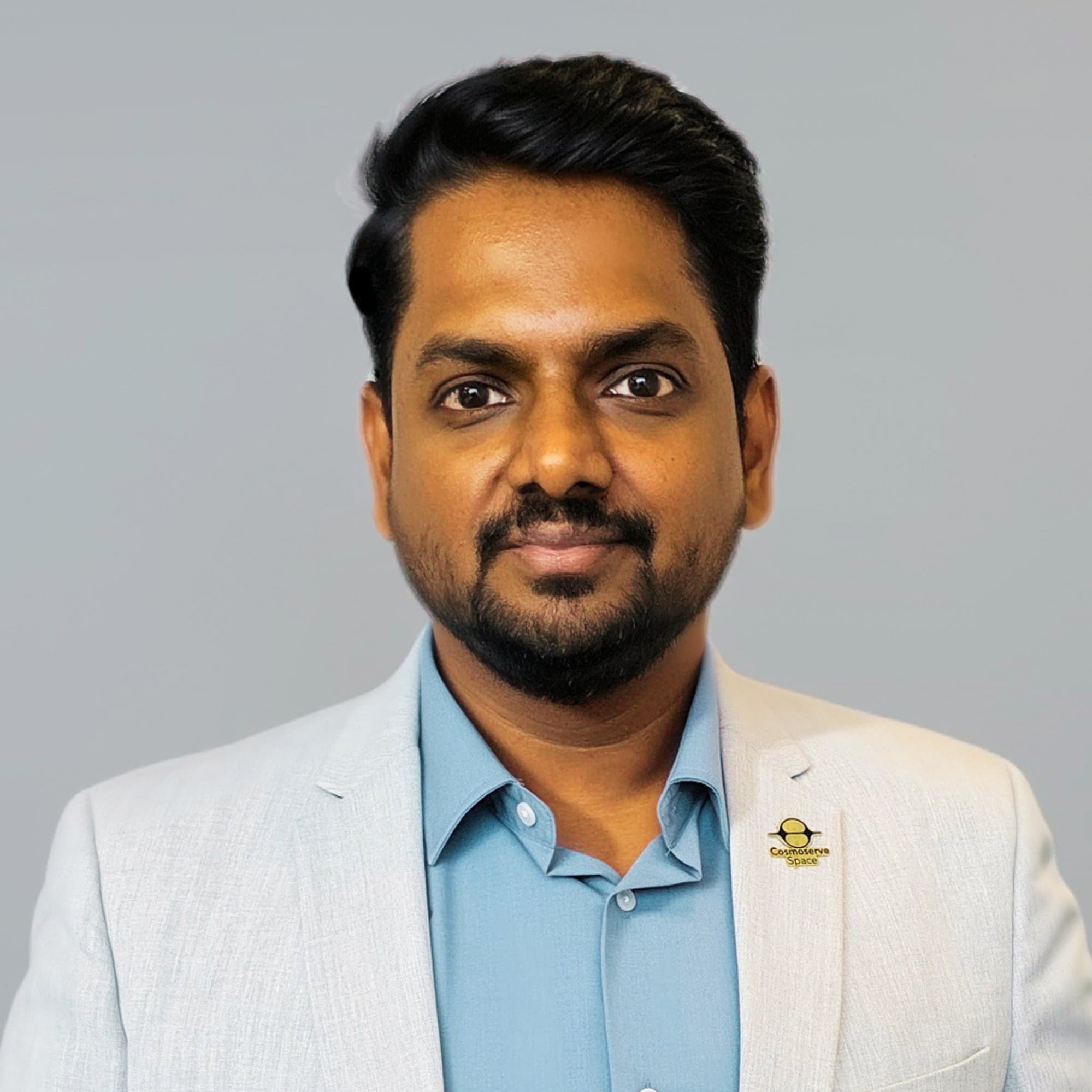
Building the Next Space Economy: Chiranjeevi Phanindra and Cosmoserve's Case for Orbital Maintenance
Chiranjeevi Phanindra, Founder & CEO of Cosmoserve Space, spent 14 years at ISRO working on re-entry and human spaceflight. Today, he is focused on a vital challenge: keeping Earth’s orbit usable.
Read Full Story
Corporate Visionaries
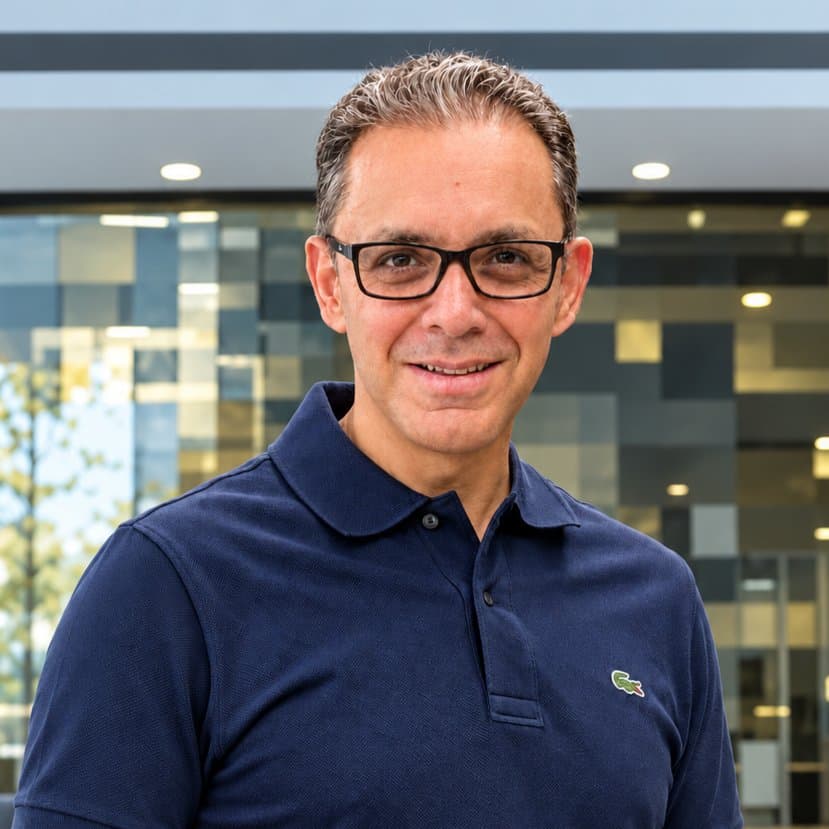
Shashank Sahni on What Success Leaves Out
Shashank Sahni, Google’s Managing Director of Global Ads Solutions, reflects on what customers reveal, what ambitious teams need from their leaders & what the mountains and marathons have taught him about going further.
Read Full Story
Corporate Visionaries
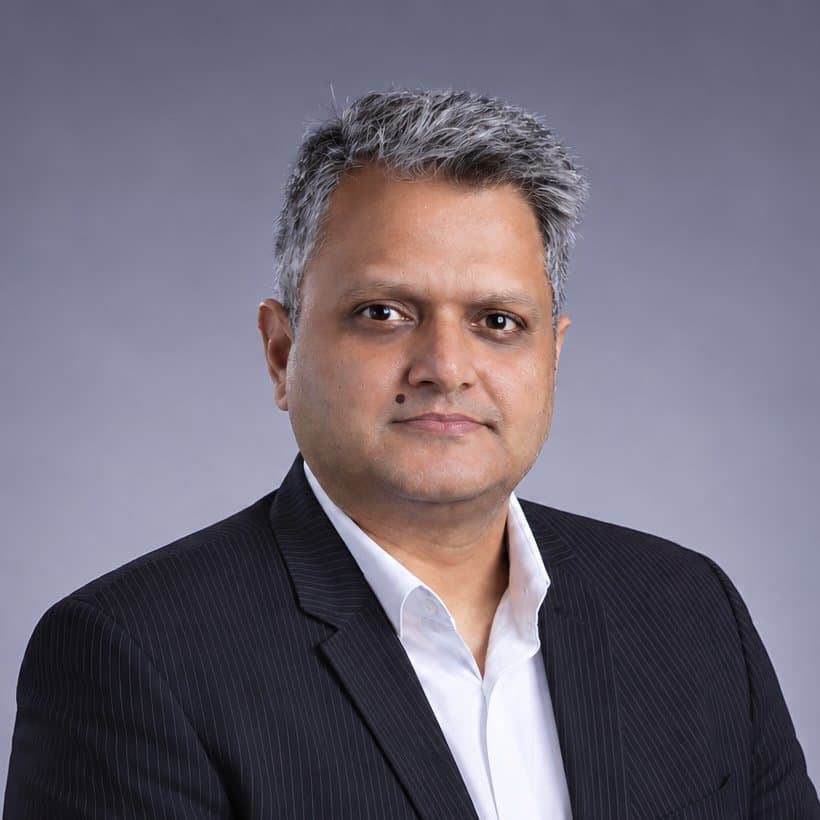
Clinical Multiplication: Divesh Singla on the Healthcare AI Case That Headlines Keep Missing
Divesh Singla, Managing Director, India at Veradigm, brings two decades in healthcare technology to the AI question leaders cannot avoid: how to expand clinical capacity without weakening human judgment.
Read Full Story