Category: Corporate Visionaries
As the world rushes to automate everything, Sachin Kumar brings the focus back to people. He believes real intelligence is not about machines getting smarter, but about humans staying thoughtful. His idea of progress is simple: build systems that move fast but never lose empathy. Because in the end, technology is only as meaningful as the intent behind it.
Between People and Code: Sachin Kumar’s Quest to Humanize Intelligence
IndiSight Editorial
Dec 18, 2025
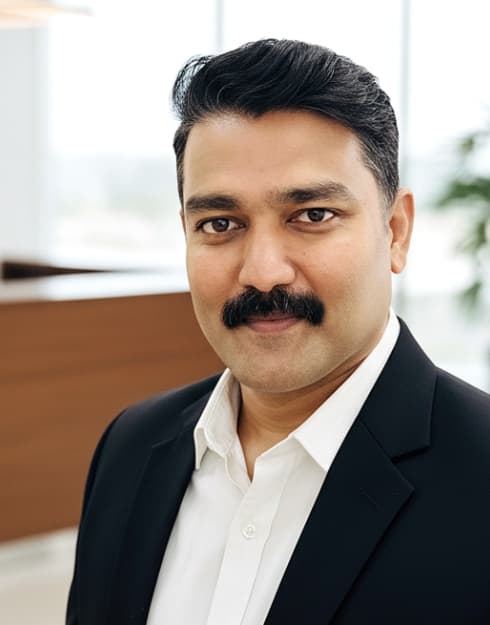
Sachin Kumar
VP - Global Head of Data & Digital · Narwal
Hyderabad
When Sachin Kumar started his career, intelligence was measured by speed and precision. Perfect syntax, quick delivery, zero errors. He remembers the rush of fixing a critical bug at 3 in the morning, the quiet pride of making something work. But over time, he started to see a deeper truth. “I used to think intelligence was about getting things done faster,” he says. “Then I realized it’s really about knowing what’s worth doing.”
That moment changed the direction of his career. He began to look at technology not as a competition of tools, but as a conversation between people and purpose. “We build systems to make life easier,” he says, “but if those systems forget the people they serve, they eventually break down.”
Today, his focus is simple but powerful: build technology that helps people grow, not just perform. “I’m not trying to make machines more human,” he says. “I’m trying to help humans build better systems.”
The Moment of Reversal
The shift happened years ago in London. Sachin was leading a large project for a logistics company. His team had delivered a flawless system, one that hit every technical metric. Yet the client wasn’t happy. “They said, ‘It works, but it doesn’t work for us,’” he recalls. “That was the moment I realized that even perfect technology can fail if it ignores the people using it.”
He and his mentor decided to spend time on the ground with warehouse workers, learning how they worked and where technology created friction. “We didn’t fix the code,” he says. “We fixed our perspective.”
That project changed his idea of what innovation really means. “It’s not about doing something new,” he says. “It’s about doing something that makes sense to the people who matter.”
From that day, his approach to technology became human first. “Every successful change I’ve seen starts with listening,” he says. “You can’t automate understanding.”
Learning From Loss
Another turning point came during his time in Budapest. A small financial mistake at a local exchange cost him more than money. It taught him humility.
It made me realize how much I was chasing control, but life doesn’t work that way. You learn much more when you stop trying to control everything.
That experience shaped how he thinks about risk and growth. “Adaptability is the real form of security,” he says. “When you stop fearing mistakes, you start growing.”
He stayed in Europe long enough to notice how people there worked. “They didn’t rush,” he says. “They enjoyed what they did and who they did it with. It wasn’t about hours or titles. It was about rhythm.”
That lesson stayed with him. “Progress isn’t only about moving forward,” he says. “It’s also about moving right. You don’t need to run faster. You need to move with balance.”
The Evolution of Success
For Sachin, success used to mean proving himself. “When I started, I wanted to be the best at everything,” he says. “Now I just want to build spaces where others can do their best work.”
He believes the hardest part of leadership is learning to step back. “You can’t lead if you always need to be the smartest in the room,” he says. “Leadership isn’t about answers. It’s about creating an environment where questions can thrive.”
He credits his mentors for shaping that view. “My mentors gave me trust before I had results,” he says. “That kind of belief can change a career.”
Now, he tries to give the same to others. “I want people to feel safe enough to experiment and fail,” he says. “That’s how confidence grows.”
He sees an organization as a living system, not a structure. “Titles change, roles shift, but the one thing that must remain constant is trust,” he says. “You can’t inherit integrity. You have to earn it every day.”
When Data Meets Discernment
Sachin’s career sits at the intersection of data and judgment. “Data tells you what happened,” he says. “Wisdom tells you why it happened.”
He once hired a candidate who didn’t tick every technical box but showed deep curiosity and grit. “Every logical filter said no,” he recalls. “But something in her story said yes.” That person went on to transform the team’s energy. “That’s when I learned that intuition is also a kind of intelligence,” he says.
He calls this balance “discernment.” It’s not anti-data, just beyond it. “Data gives you direction. Discernment tells you where to stop,” he says. “Machines can process patterns, but only humans can sense meaning.”
He believes that as AI takes over repetitive decisions, the real value of leadership will lie in discernment, the ability to sense context before acting. “Logic is useful,” he says, “but it’s empathy that turns logic into wisdom.”
The Inverted Diamond
Sachin’s favorite concept is the “Inverted Diamond.” It’s his way of rethinking how companies grow. “Most organizations are built like pyramids, with power at the top,” he explains. “But real strength comes from the middle. That’s where ideas are tested, and teamwork becomes real.”
He redesigned one organization around this belief. Instead of adding more layers of supervision, he strengthened the middle. “We changed what success meant,” he says. “It wasn’t about managing people. It was about helping them perform better.”
The result was cultural. “People started sharing, not hoarding,” he says. “Meetings became faster, and decisions were made closer to where work actually happened.”
He often jokes that the middle is the most underrated place in any company. “Executives make plans. Juniors execute them. The middle keeps both sides honest,” he says. “That’s where empathy meets efficiency.”
The Courage to Slow Down
If there’s one quality Sachin values most, it’s patience. “Everyone talks about speed,” he says. “But real courage is learning when to slow down.”
He has watched how teams chase urgency until it turns toxic. “Speed gives you comfort because it looks productive,” he says. “But real productivity often comes from pausing and thinking.”
To bring this idea to life, he started a monthly learning ritual. Every team member could learn anything they wanted, music, writing, cooking, or a new skill, and share what they learned with others. “The point wasn’t performance. It was perspective,” he says. “When you see people learning something new, you see their curiosity come alive again.”
At first, leaders were skeptical. But the results spoke for themselves. “The team became calmer and more creative,” he says. “People started talking about ideas, not just deliverables.”
He smiles, “In a world that keeps asking for more speed, slowing down is the boldest move.”
Trust as Everyday Practice
Sachin believes trust isn’t a policy. It’s a daily behavior. “You can’t announce trust. You build it through small acts,” he says.
He once led a restructuring where jobs were being cut. Instead of hiding the news, he told the team early. “It was tough,” he says, “but it was the right thing to do.” Some employees helped with transitions. Others found new roles with the company’s help. “That experience taught me something powerful,” he says. “When you tell people the truth, even bad news builds trust.”
For him, trust isn’t about being soft. “It’s about being real,” he says. “People respect honesty more than comfort.”
That approach eventually changed the culture. “Once people know you’ll tell them the truth, they stop guarding themselves,” he says. “And when that happens, teams start performing from confidence, not fear.”
The Integrator’s Way
Sachin often describes himself as an “Integrator.” “Some leaders create vision. Some drive execution. Integrators connect the two,” he says.
He learned this from experience, not theory. “I once had a manager who stayed up all night with me during a crisis,” he recalls. “He didn’t give advice. He just stayed. That presence taught me more than any leadership book.”
He tries to lead the same way now. “Sometimes people don’t need solutions,” he says. “They just need someone to listen.”
He believes Integrators are becoming more important than ever. “We have enough experts,” he says. “What we need are people who can make sense of how everything fits together.” To him, that’s the essence of leadership in the AI age. “Technology can connect data,” he says. “But only people can connect meaning.”
The Human Code
Over time, Sachin began to summarize his philosophy into something he calls “The Human Code.” It’s simple: leaders need to learn three languages.
The Language of Systems is about design and clarity.
The Language of People is about empathy and trust.
The Language of Meaning is about conscience and purpose.
“The first keeps you efficient,” he says. “The second keeps you human. The third keeps you grounded.” He believes most organizations focus on systems but forget people and meaning. “We train people to manage tasks, not relationships,” he says. “But people follow how you make them feel, not what you say.”
Even now, he admits, he’s still learning. “When pressure rises, I go back to structure,” he says. “But awareness helps me course-correct. That’s the real work.”
The Contrarian View
Sachin often challenges the myth that technology makes life simpler. “Technology doesn’t simplify,” he says. “It just changes the kind of problems we deal with.” He laughs when he talks about modern workplaces. “We used to fear missing deadlines. Now we fear missing updates,” he says. “It’s like everyone is busy being busy.”
To counter that, he practices reflection. He keeps Fridays quiet. He starts meetings with a minute of silence. He journals after tough projects. “It’s not about slowing work down,” he says. “It’s about slowing the mind down.”
Some people call this indulgent. He disagrees. “Speed can look like progress, but it often hides confusion,” he says. “When you pause, you start seeing clearly again.”
The Human Edge in AI
Sachin’s view of AI is refreshingly grounded. “AI isn’t here to replace us,” he says. “It’s here to reveal us.” He once decided against using an AI tool that measured performance by screen time. “It passed every technical check,” he says. “But it rewarded activity, not impact. That didn’t sit right.”
For him, the future isn’t about smarter machines. It’s about wiser humans. “AI will reflect our intent,” he says. “If we build it with empathy, it will amplify empathy. If we build it with bias, it will amplify bias.”
His prediction is simple
By 2030, companies that use AI to support human judgment will outperform those that use it to replace it. Because the one thing you can’t automate is responsibility.
India’s Quiet Advantage
Sachin believes India’s diversity is its real strength.
We grow up managing contradictions. Faith and logic. Chaos and calm. That’s our training ground.
He thinks this ability to hold different truths makes Indian leaders uniquely ready for the future. “The world is splitting into extremes,” he says. “But Indians are comfortable in the middle. We know how to find balance.” He calls this “plural thinking.” “It’s not just about tolerance,” he says. “It’s about using diversity as a source of creativity.”
If AI is going to be the brain of the future, India can be its heart.
Leadership Lessons
Listen before you design: Real understanding begins with listening. You can’t build something meaningful if you don’t first hear what people need.
Hire for curiosity, not compliance: Curious people stretch systems. They ask questions that keep organizations alive and learning.
Protect the middle; it holds collective wisdom. The middle of any team carries the pulse of the whole organization. That’s where knowledge becomes experience.
Feedback loses value when delayed. The sooner feedback arrives, the more useful it is. Timely truth is a form of respect.
Courage is slowing down when speed feels safe. It takes confidence to pause when the world is racing ahead. Calm is often the sharpest form of focus.
Trust grows through daily proof, not promises. Small, consistent honesty builds far more loyalty than grand declarations.
Presence outperforms posture. Leadership is not about how loud you speak but how steady you stay when it matters.
Empathy is precision, not softness. Empathy helps you see clearly what others need. It’s a leadership tool, not a personality trait.
AI can scale logic, but not judgment. Technology will keep improving logic. Humanity must keep protecting judgment.
Progress is staying human at scale. True growth is expanding reach without losing warmth or conscience.
Closing Reflection
As the conversation ends, Sachin pauses. “Everything I’ve tried to build,” he says, “is about protecting human judgment.”
He reflects quietly. “Machines will keep learning from us,” he says. “The real question is whether we’ll keep learning from ourselves.”
Between people and code lies the thin line that defines modern leadership. Sachin Kumar’s work reminds us that the next era of innovation will not belong to faster systems, but to wiser humans who remember to listen before they build.
Our Suggestions to Read
Discover The Leaders Shaping India's Business Landscape.
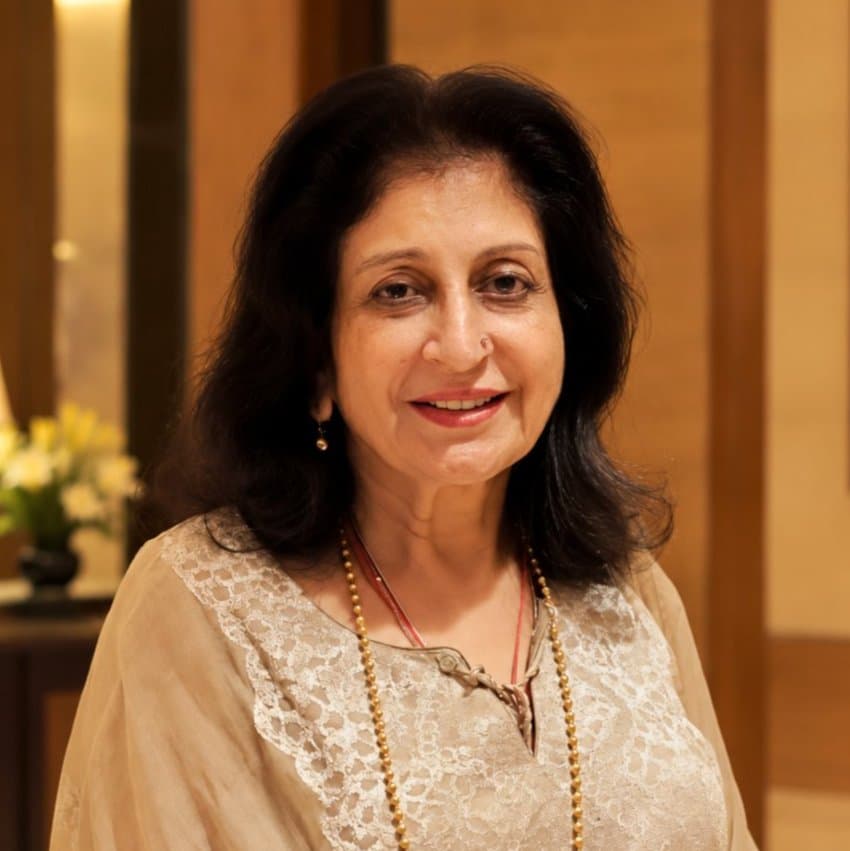
Education Leadership
The Human Advantage: Anu Monga on What Schools Must Still Create
Drawing on decades of leadership in international schools and education, Anu Monga reflects on what institutions must continue to create in a world where knowledge is increasingly accessible and shaped by technology.
Read Full Story
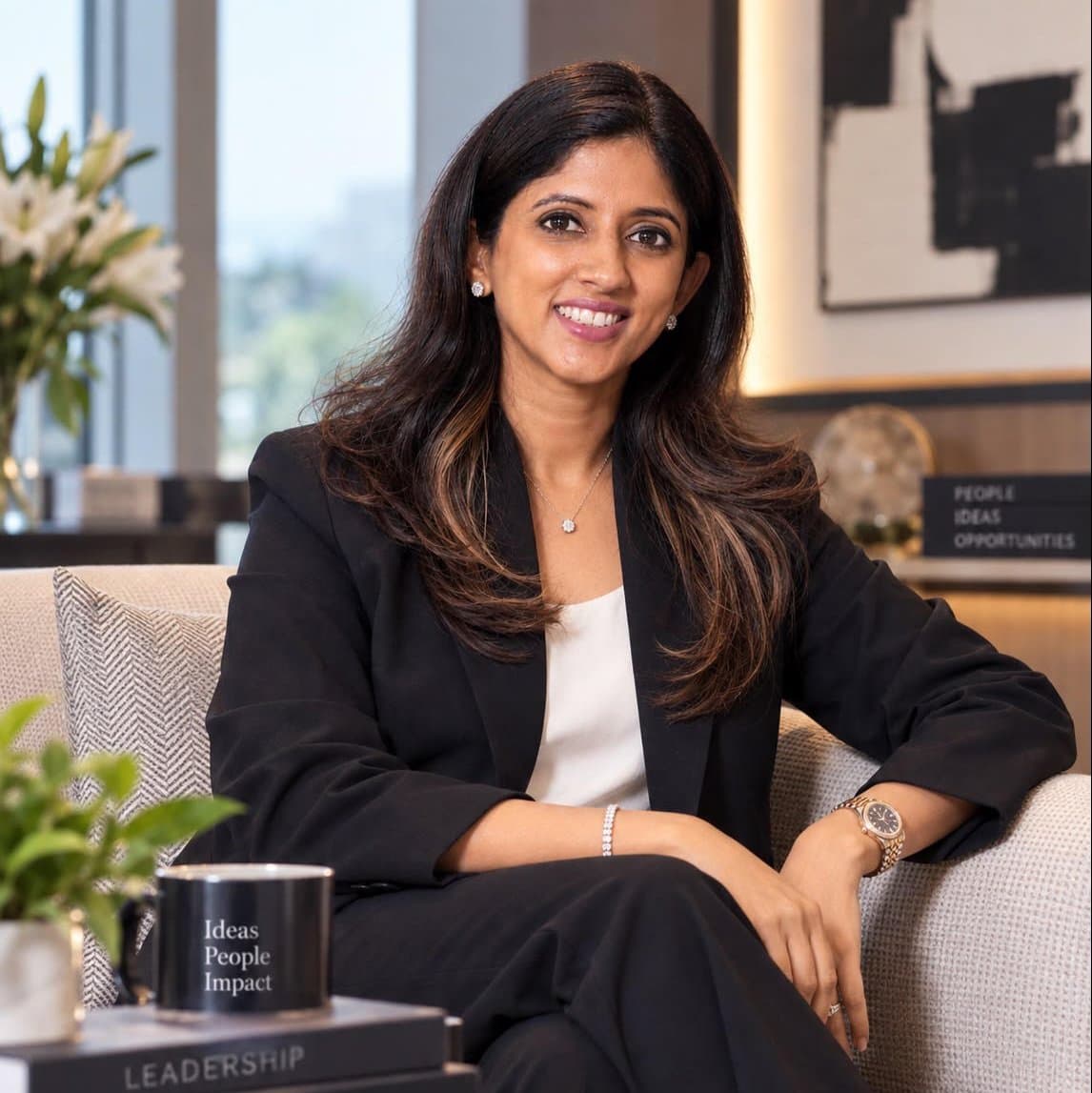
Investors & Catalysts
From Millet to Method: Rasika Prashant on Building What Consumers Return To
Rasika Prashant, CEO of NSRCEL at IIM Bangalore and Co-founder of Soulfull (later aquired by Tata Consumer Products) on consumer trust, category creation, Indian brands, and the founder discipline required after belief.
Read Full Story
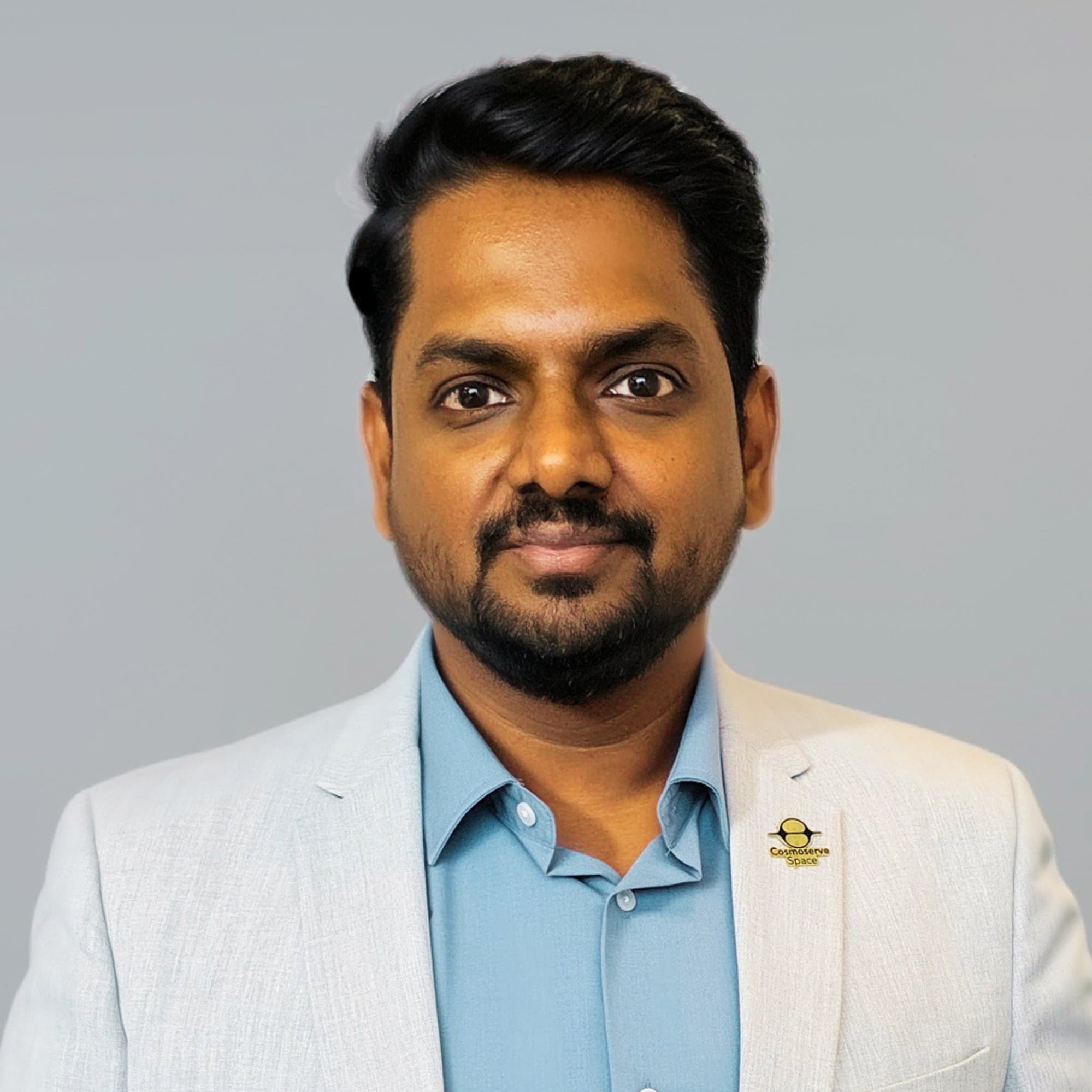
Founders & Innovators
Building the Next Space Economy: Chiranjeevi Phanindra and Cosmoserve's Case for Orbital Maintenance
Chiranjeevi Phanindra, Founder & CEO of Cosmoserve Space, spent 14 years at ISRO working on re-entry and human spaceflight. Today, he is focused on a vital challenge: keeping Earth’s orbit usable.
Read Full Story